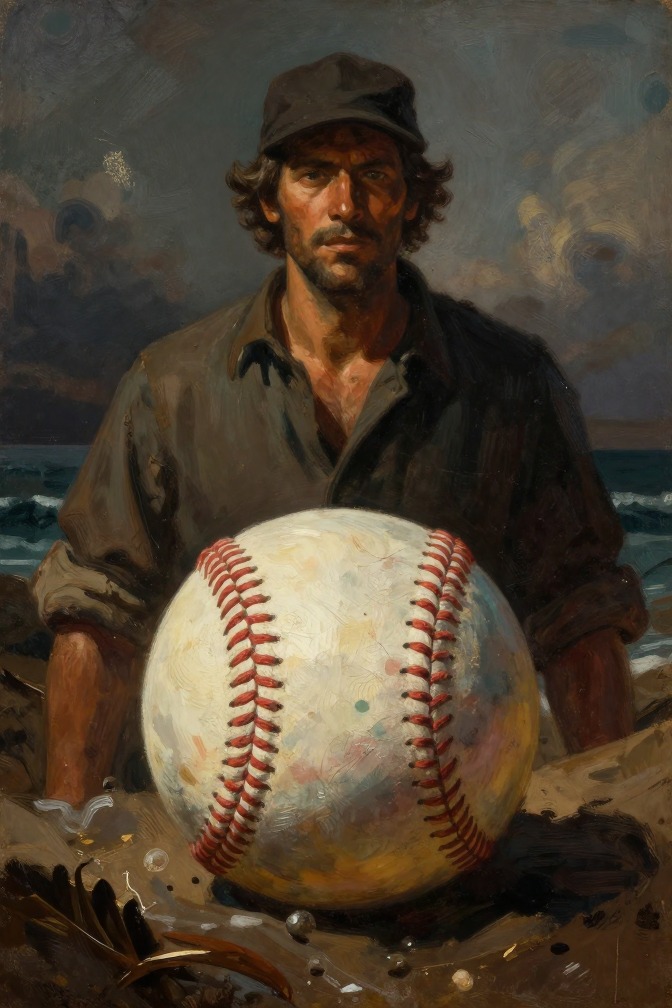
In The Old Man and the Sea, baseball functions as a vital cultural and psychological link for Santiago, connecting him to the wider world, to his own past, and to the ideals of heroism and endurance he strives to embody.
The coast guard as a search party represents the organized, institutional response to Santiago's prolonged absence at sea, a detail that underscores the community's concern and the vastness of the ocean that made his ordeal invisible to the shore.
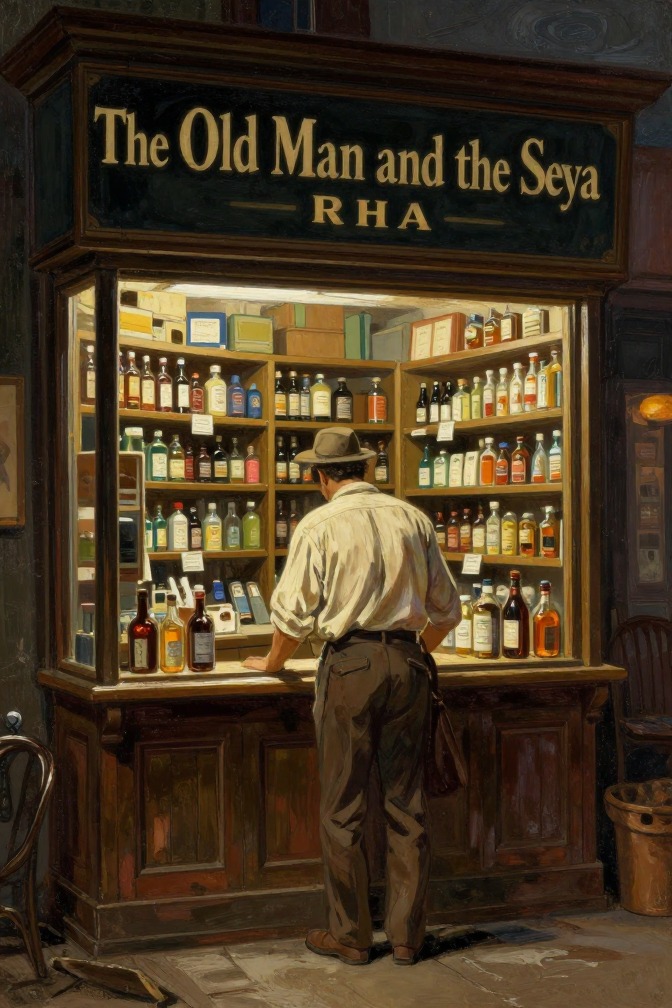
The drugstore in Santiago's village represents the practical, medical dimension of his struggle, a place where the boy Manolin seeks remedies for the old man's wounded hands after his epic battle with the marlin and the sharks.
The photograph of his wife is a relic of Santiago's past marriage that he has removed from the wall of his shack because seeing it makes him too lonely, yet he keeps it on a shelf under his clean shirt, a gesture that encapsulates his relationship with memory, loss, and the deliberate management of grief.
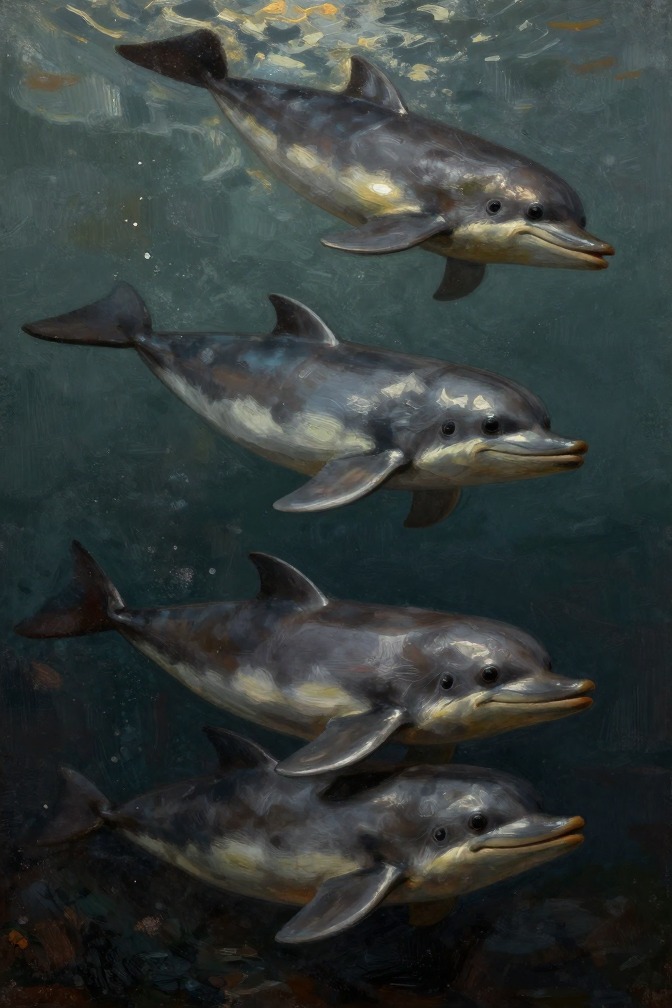
The porpoises appear in Santiago's thoughts and dreams as a symbol of brotherhood, joy, and natural harmony within the sea's community, contrasting with the violence of his struggle with the marlin and the sharks.
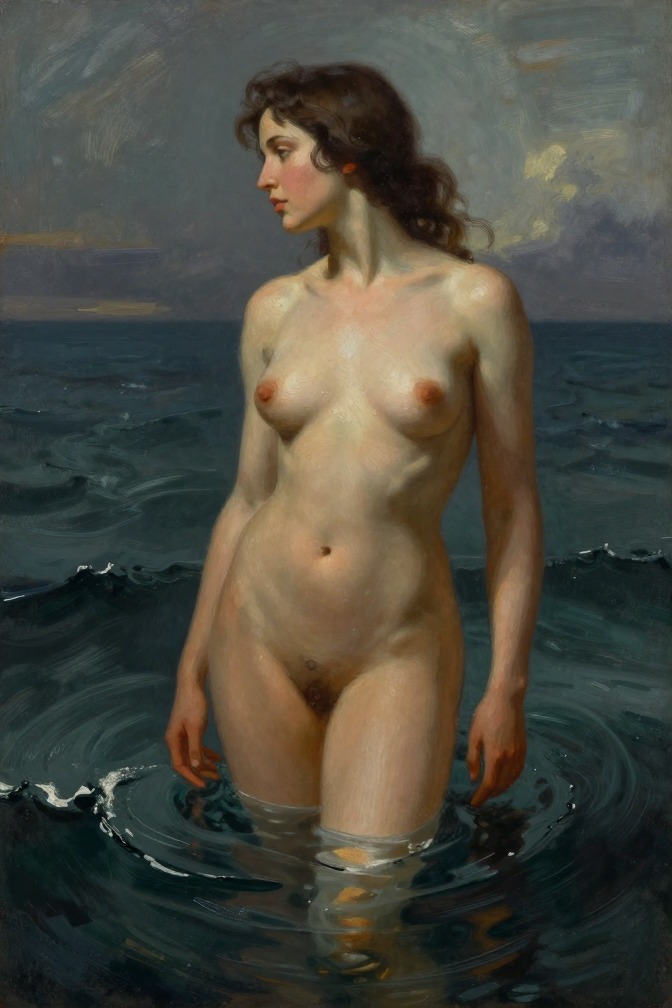
The sea as feminine is Santiago's central, gendered conception of the ocean, which he consistently calls "la mar" in Spanish, thinking of her as a woman who gives or withholds great favors, capable of both kindness and sudden cruelty, and whose moods are affected by the moon like a woman's. This personification shapes his entire relationship with the natural world, distinguishing him from younger fishermen who treat the sea as a masculine opponent, and it underlies his profound sense of brotherhood with the marlin, his sorrow at killing it, and his ultimate acceptance of defeat as a violation of his own luck.
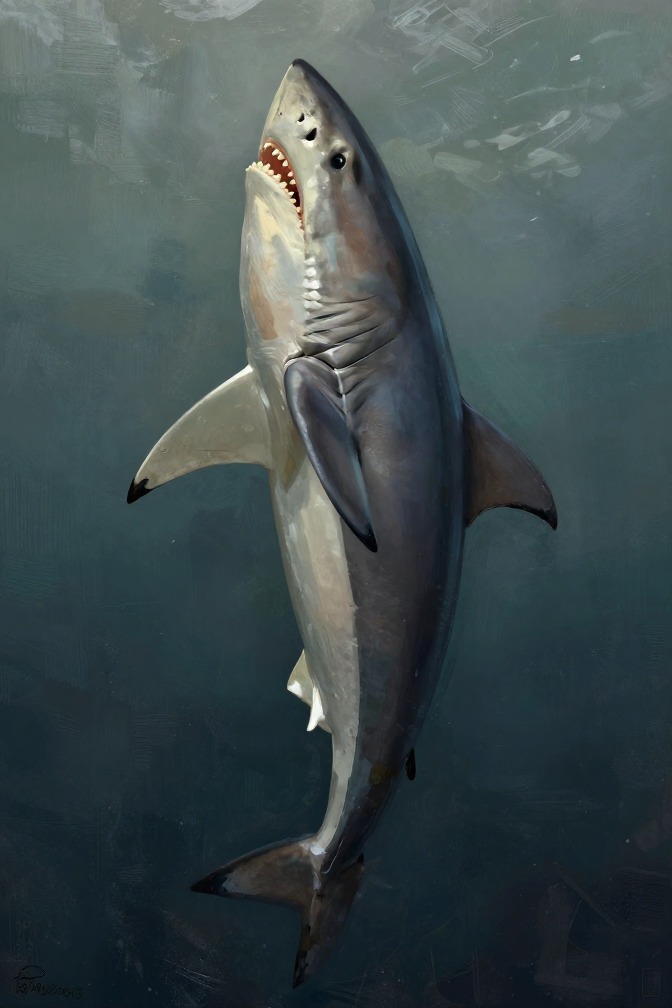
The Mako shark is a formidable, beautiful, and noble predator that attacks Santiago's marlin in the Gulf Stream, representing the first and most dangerous of the sharks the old man must fight. Its assault marks the beginning of the old man's losing battle to protect his catch, and its killing requires Santiago's full strength and resolution, yet it also embodies the dignity and power of the natural world that Santiago both respects and opposes.
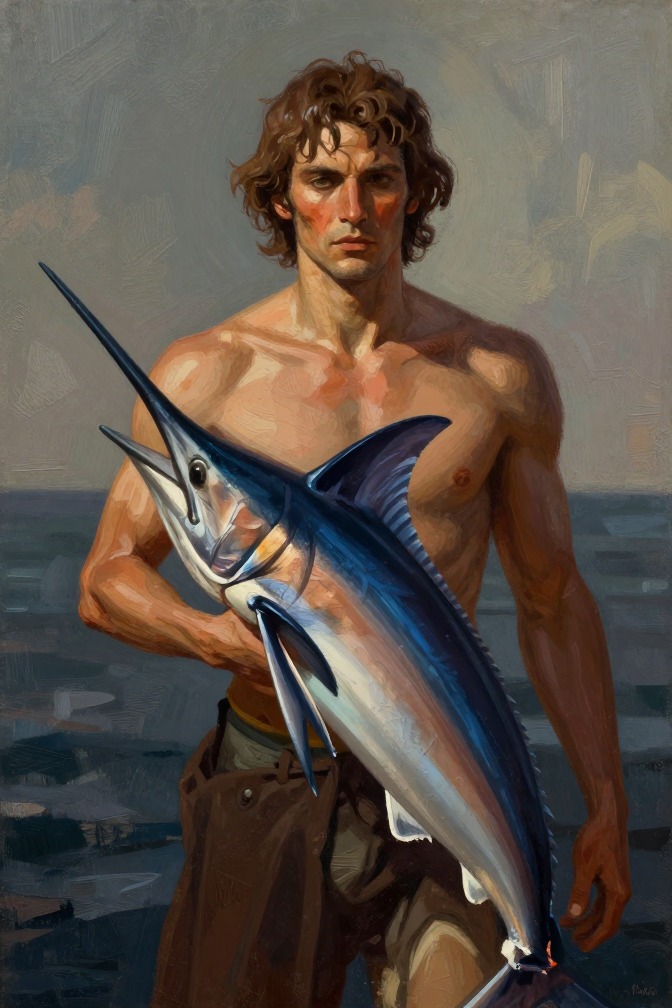
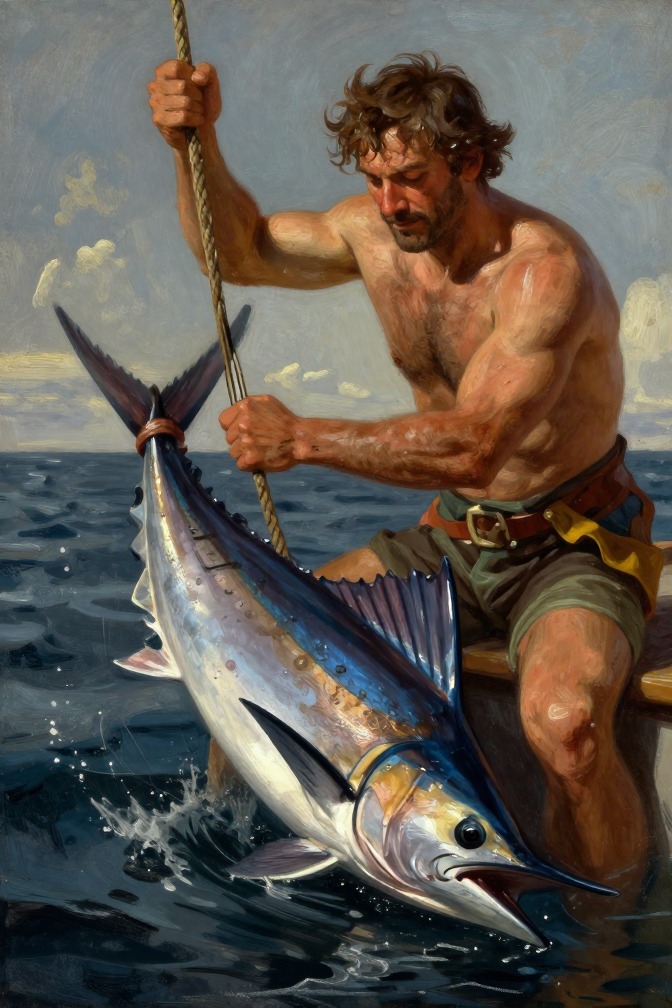
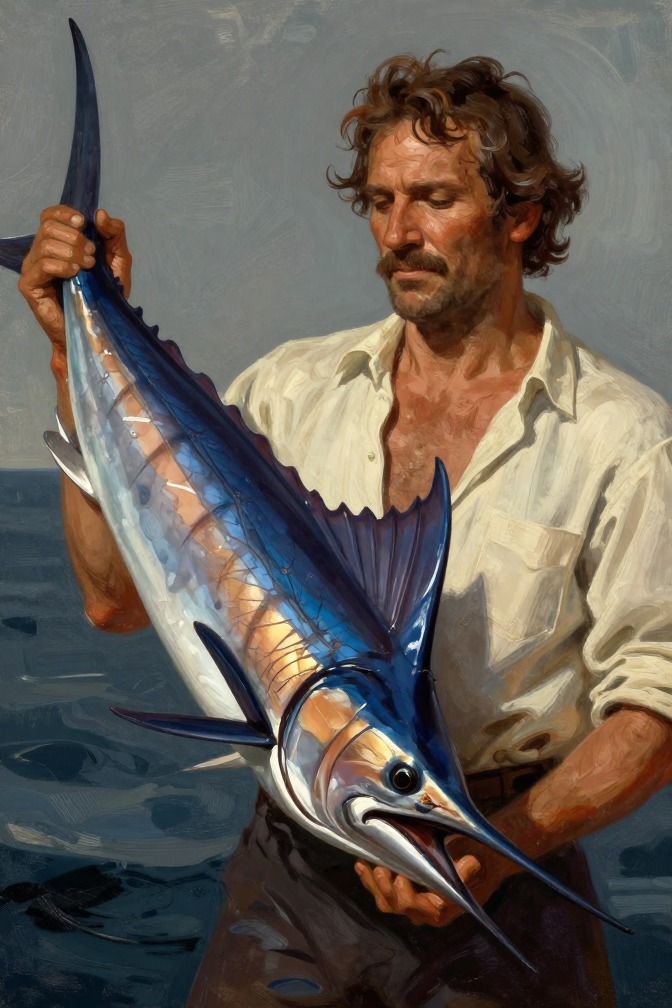
The Marlin is the immense, noble fish that Santiago hooks, battles for three days, and finally kills, only to have its carcass devoured by sharks before he can bring it to shore; it represents the ultimate test of a fisherman's skill, endurance, and spiritual kinship with the natural world.
The Hooking of the Marlin is the pivotal event in which Santiago, after eighty-four days without a catch, finally hooks a giant marlin that will tow his skiff far out to sea, initiating the central struggle of the novella.
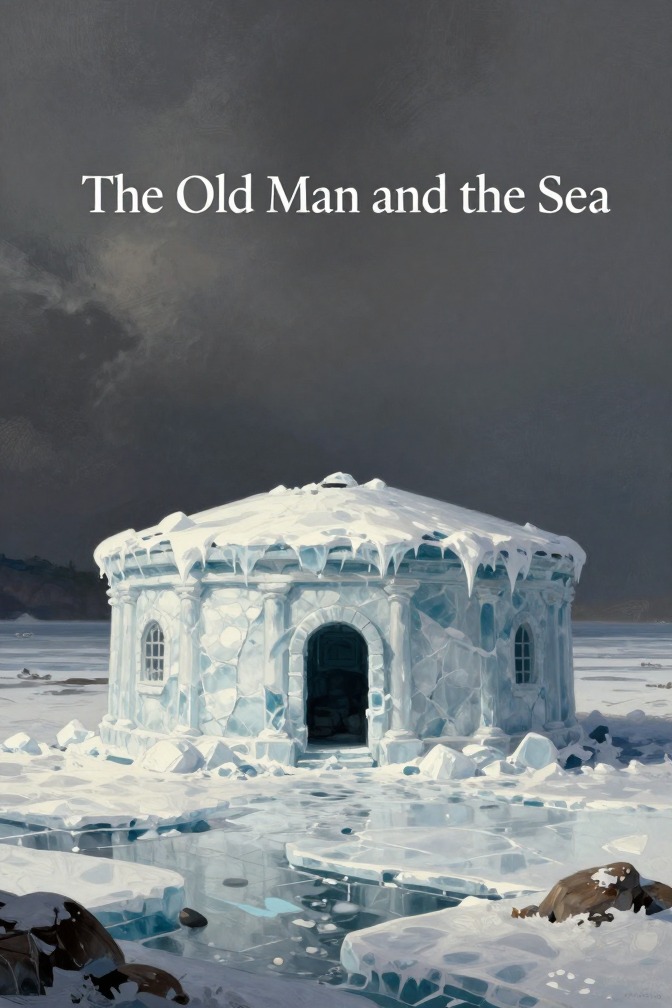
The ice house is a functional storage facility in the fishing village where baits are kept on ice, serving as a daily rendezvous point for Santiago and Manolin before the old man's epic voyage and as a symbol of the community's economic infrastructure.
The blanket is a recurring object in Ernest Hemingway's *The Old Man and the Sea*, serving as a practical tool for warmth and comfort, a symbol of care between Santiago and Manolin, and a marker of the old man's physical suffering and endurance during his epic struggle at sea.
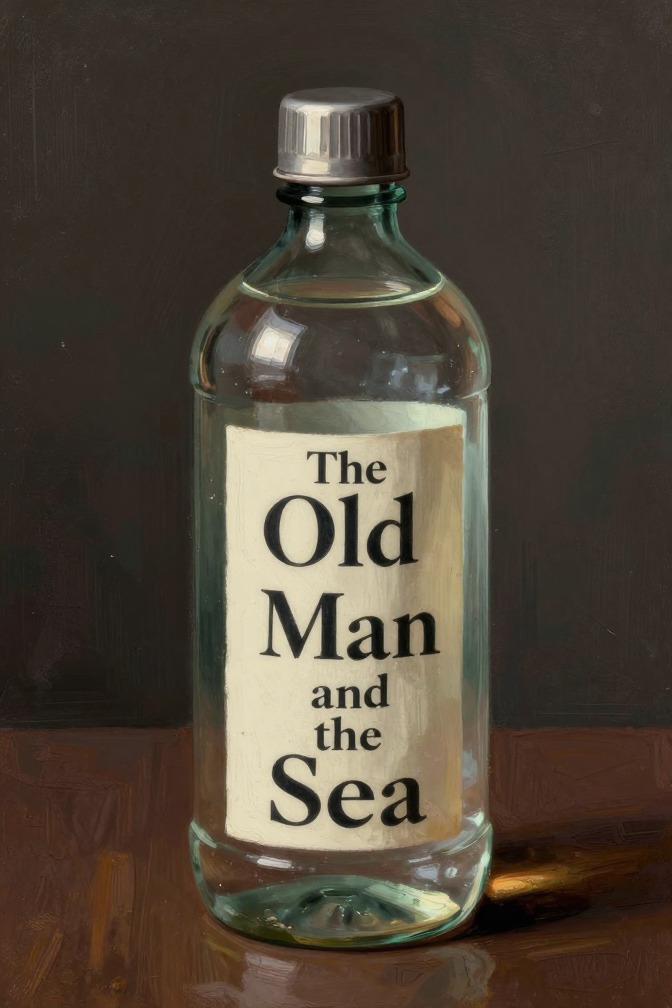
The water bottle is a small but essential object in Santiago's skiff, representing his limited resources, his physical endurance, and the stark reality of his solitary struggle against the marlin and the sea.
Santiago and the marlin form the central relationship of The Old Man and the Sea, a bond that transcends the conventional roles of hunter and prey. The old man's profound respect, love, and sense of brotherhood for the great fish, combined with his unwavering determination to kill it, defines the novel's core conflict and its meditation on human endurance, pride, and the interconnectedness of all life.
No unnecessary talking at sea is an unwritten rule among Cuban fishermen, observed by Santiago and respected as a virtue that emphasizes practical communication and endurance over idle speech, reflecting the code of the fisherman and the old man's solitary discipline.
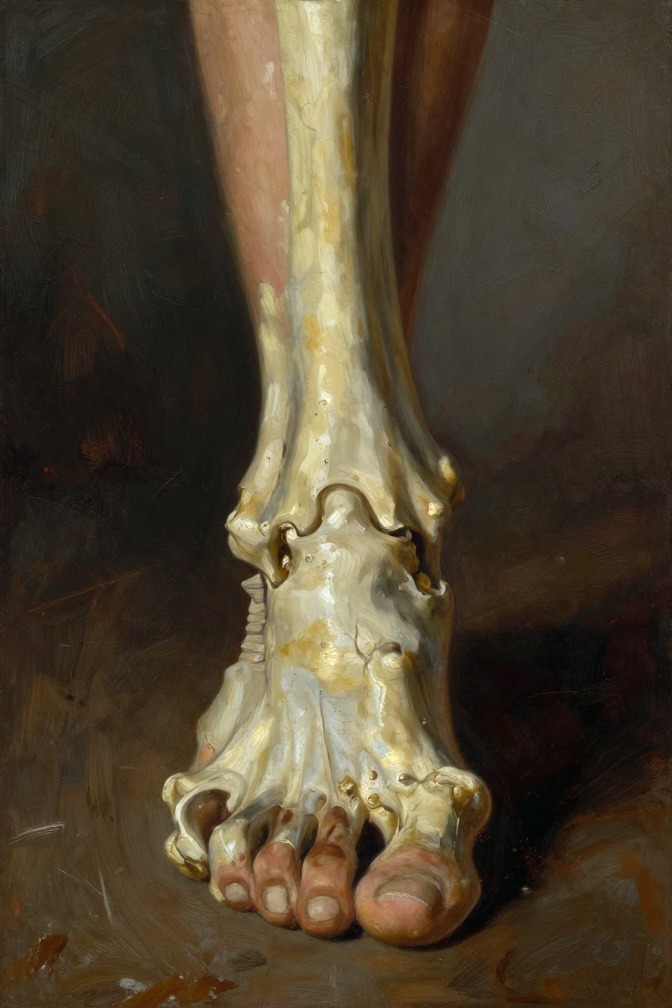
The bone spur is a recurring motif in The Old Man and the Sea, serving as a symbolic measure of pain, endurance, and heroic comparison. Santiago repeatedly invokes the bone spur of the great DiMaggio to frame his own physical suffering, transforming a specific medical condition into a touchstone for the code of the fisherman and the nature of heroism.
Olympia is the beautiful, silent daughter of Professor Spalanzani who is revealed to be a lifeless automaton, and whose uncanny presence drives Nathaniel into madness and ultimately to his death.
The death of Nathaniel's father is the catastrophic climax of Nathaniel's childhood trauma, occurring when Coppelius returns for a final alchemical session, resulting in a violent explosion that kills Nathaniel's father and cements Coppelius as a demonic figure in Nathaniel's psyche.
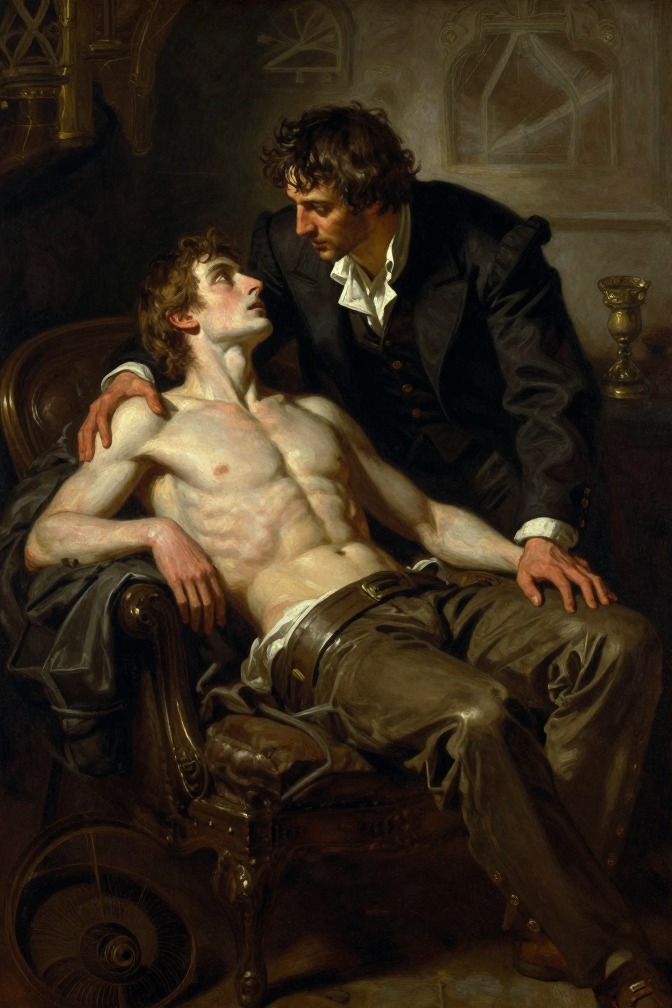
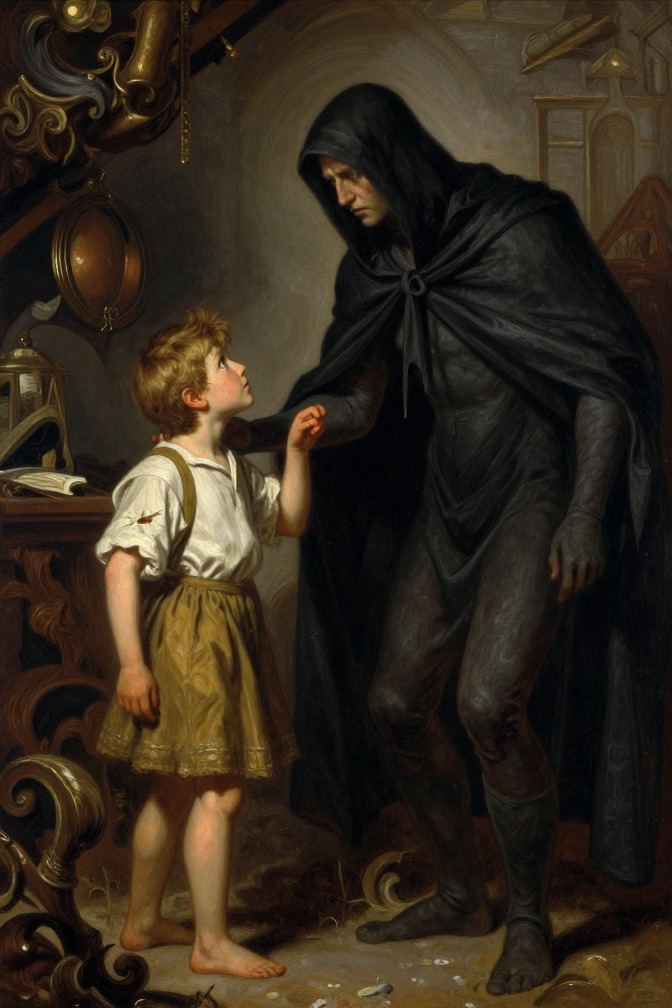
Nathaniel's childhood encounter with the Sandman, revealed to be the sinister barrister Coppelius, is the foundational trauma of the story, establishing the psychological pattern of terror, the motif of eyes, and the destructive relationship that will haunt him into adulthood.
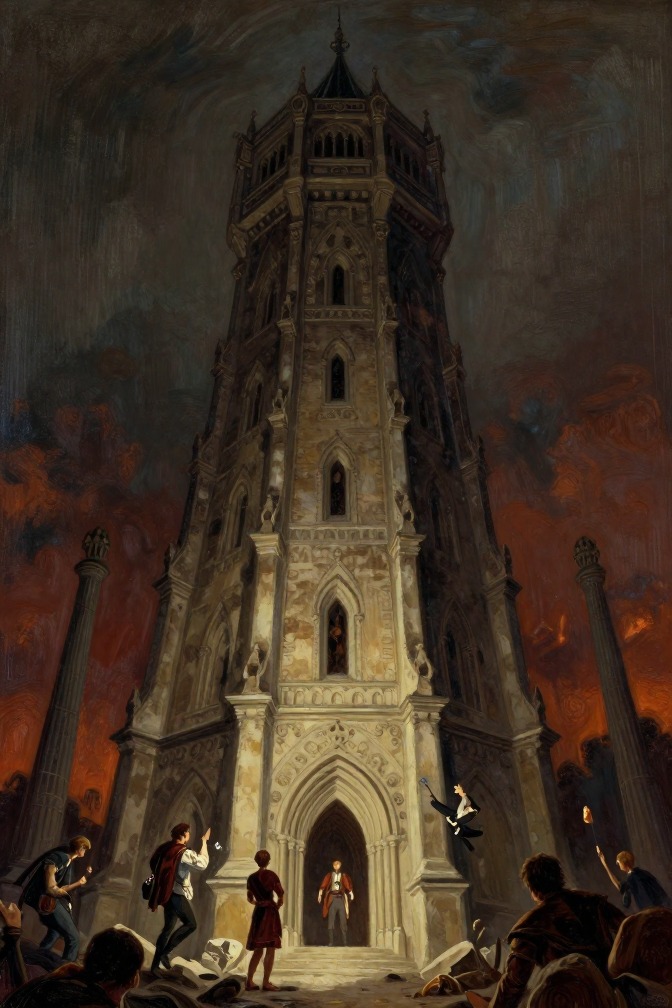
The tower incident is the catastrophic climax of E. T. A. Hoffmann's 'The Sandman', in which Nathaniel, triggered by a glimpse of Clara through Coppola's looking-glass, relapses into madness, attempts to throw Clara from the town hall tower, and finally leaps to his death after spotting Coppelius in the crowd below.
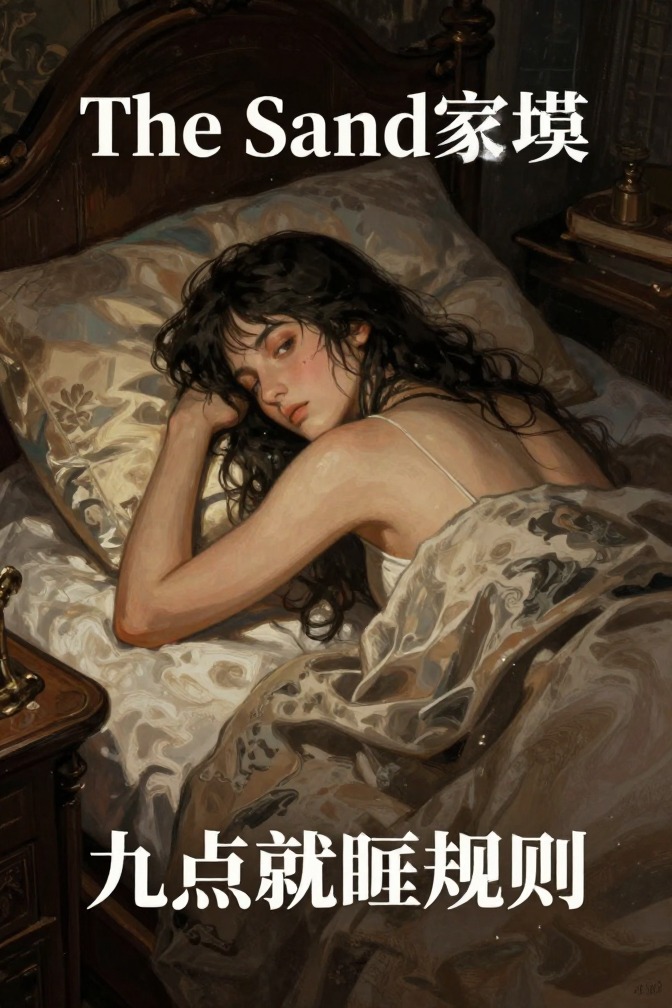
The nine o'clock bedtime rule is a central domestic ritual in E. T. A. Hoffmann's 'The Sandman' that governs the childhood of Nathaniel and his siblings, serving as the nightly trigger for the appearance of the Sandman and the gateway to the story's core trauma.
In E. T. A. Hoffmann's "The Sandman," the hour of nine o'clock serves as a recurring temporal marker that structures the family's evening routine, signals the dreaded arrival of the Sandman, and becomes inextricably linked to the traumatic events of Nathaniel's childhood and his eventual descent into madness.
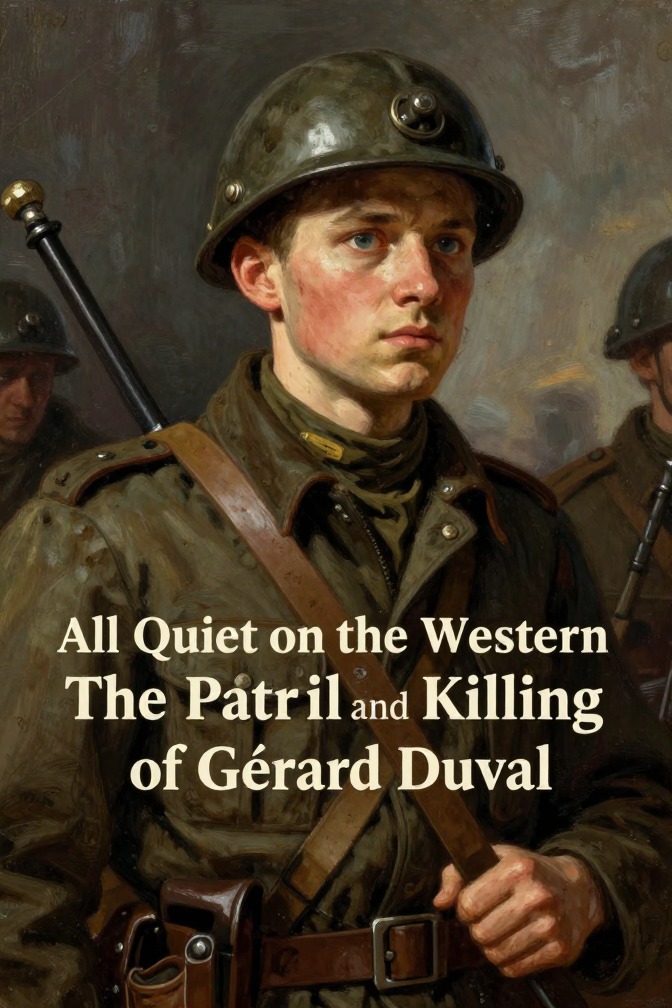
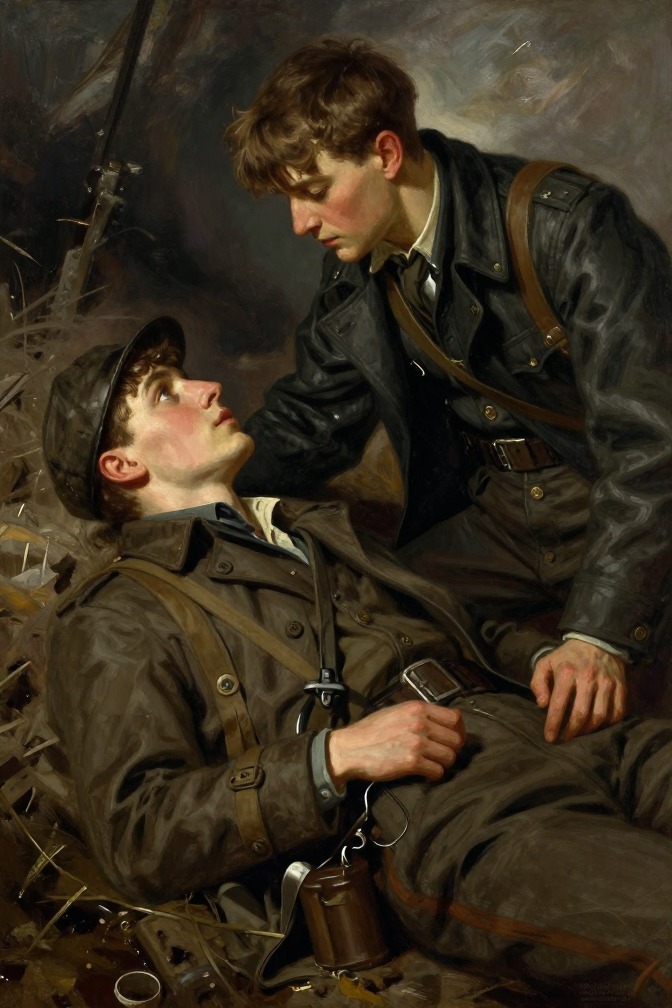
The Patrol and Killing of Gérard Duval is the pivotal moment in which Paul Bäumer, isolated in a shell-hole after a patrol, stabs a French printer to death with his bare hands and then spends hours beside the dying man, an encounter that shatters the abstraction of the enemy and forces him to confront the personal, ethical weight of killing.
Company Commander Bertinck and Leer are killed in a single devastating action during the summer of 1918, as German forces are overwhelmed by superior Allied firepower and matériel.
The Trench Assault and Capture of Supplies is a pivotal combat event in which Paul Bäumer and his comrades, after enduring a prolonged and devastating bombardment, launch a desperate counter-attack against French forces, overrun an enemy trench, and seize valuable provisions, revealing the transformation of soldiers into instinct-driven fighters and the primal role of food in sustaining their will to survive.
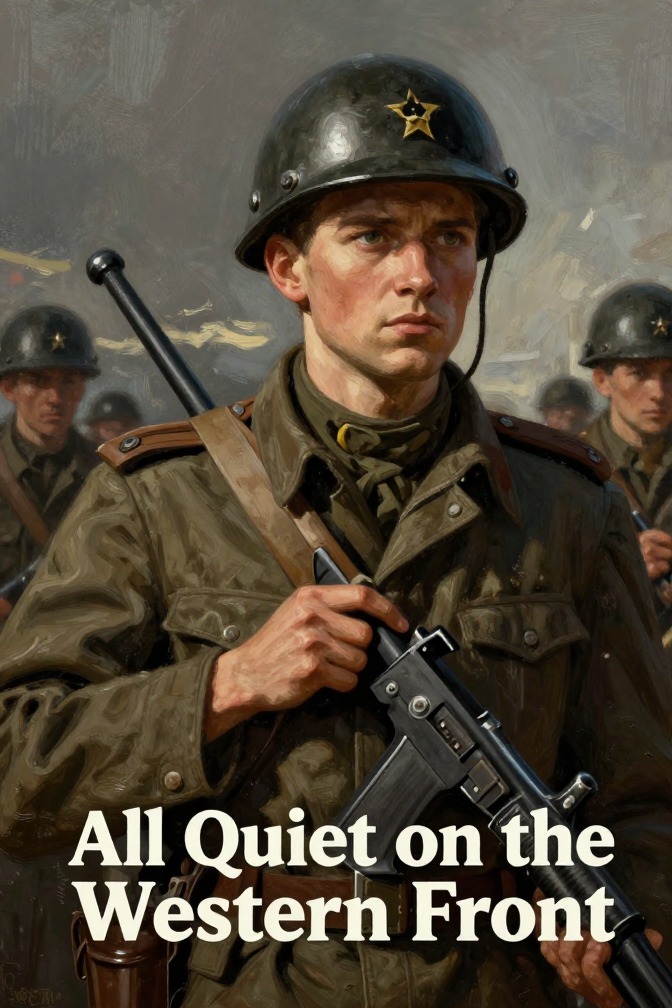
All Quiet on the Western Front is the novel's title and its final, devastatingly ironic army report, encapsulating the chasm between official language and the reality of war.
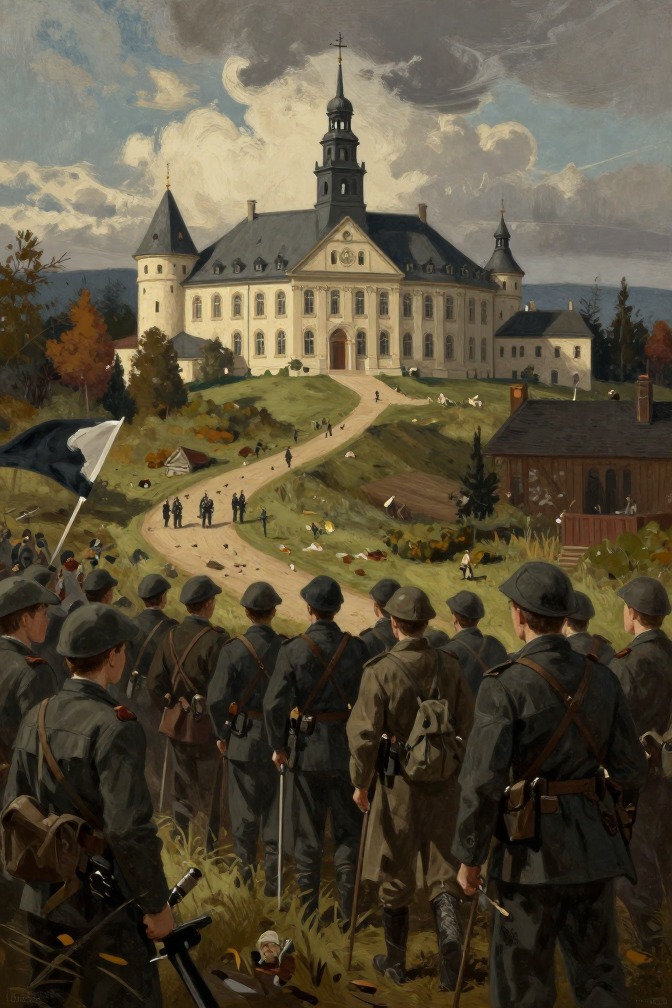
Klosterberg is a small town in Germany that serves as a symbol of the lost pre-war world and a site of both nostalgic memory and failed homecoming for the soldiers of the Second Company.
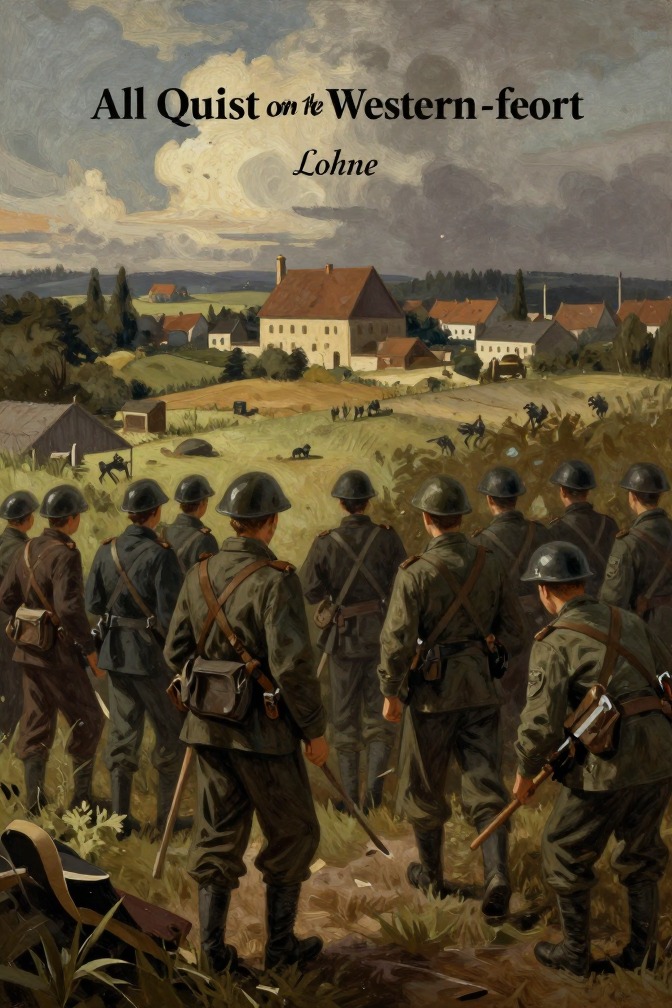
Lohne is a railway junction that becomes the setting for a bizarre and emblematic training exercise devised by Corporal Himmelstoss, designed to teach recruits how to change trains by scrambling under their bunks. This absurd drill, known as "Change at Lohne," encapsulates the dehumanizing and arbitrary nature of military discipline that the soldiers endure before reaching the front.
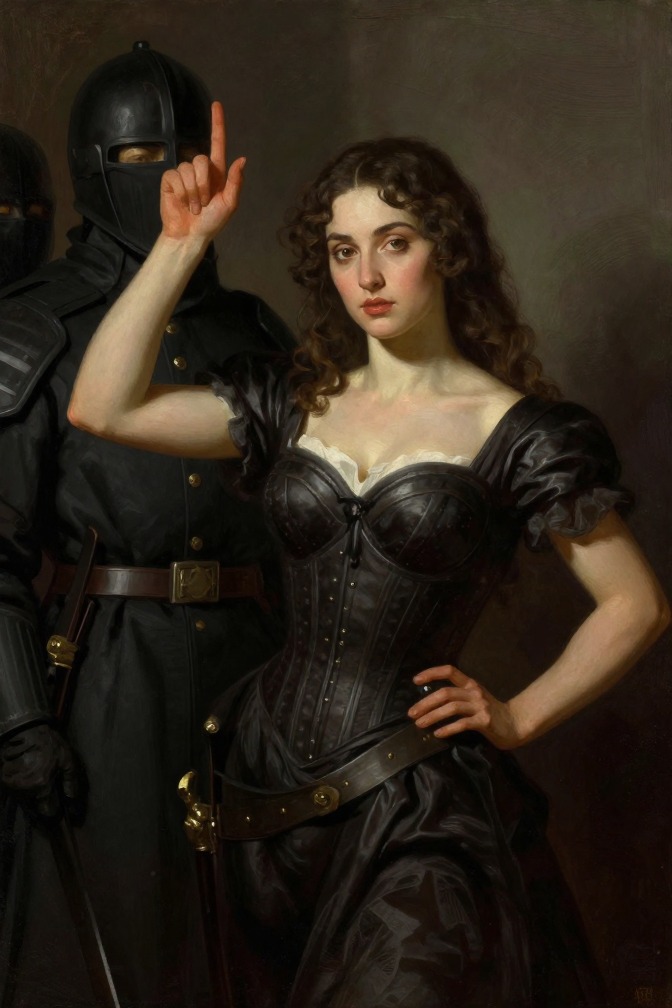
Sienna Brooks uses a dim mak pressure-point technique to incapacitate security guard Ernesto Russo at the Pitti Palace, forcing him to reveal the combination to the Vasari Corridor lock, enabling her and Robert Langdon to escape the Boboli Gardens.
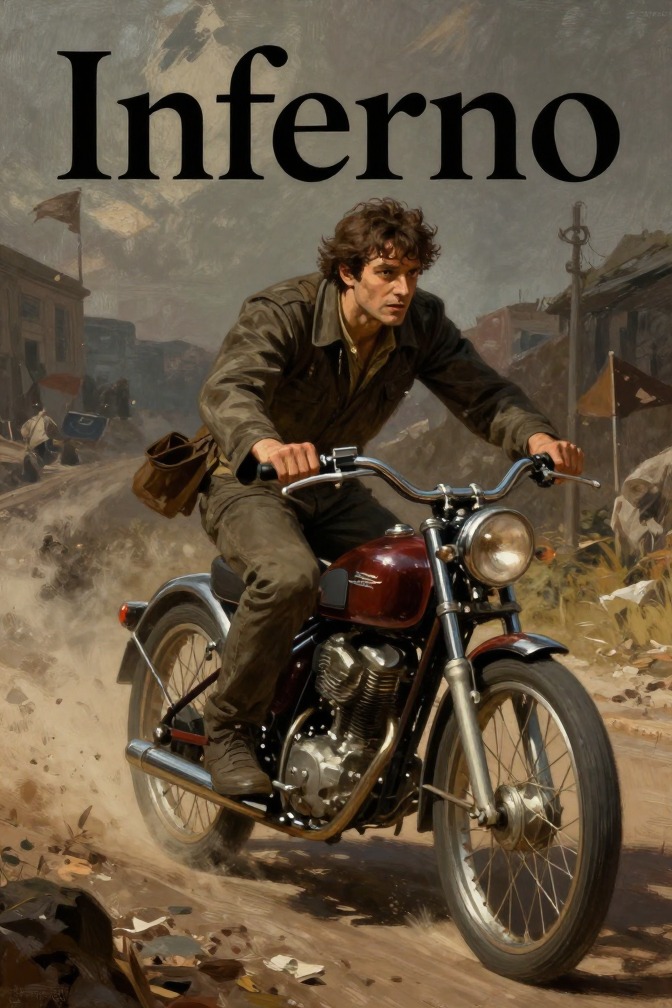
The Trike chase is a high-speed escape sequence in which Sienna Brooks and Robert Langdon flee the soldiers of the Surveillance and Response Support (SRS) team on a three-wheeled moped, weaving through the streets of Florence after being cornered in the Boboli Gardens. The chase marks a decisive turning point in the narrative: it forces the pair to abandon their hiding place, exposes them to direct gunfire, and propels them toward the old city, where Langdon begins to decipher the clues that will lead them to the Palazzo Vecchio and the Dante death mask.
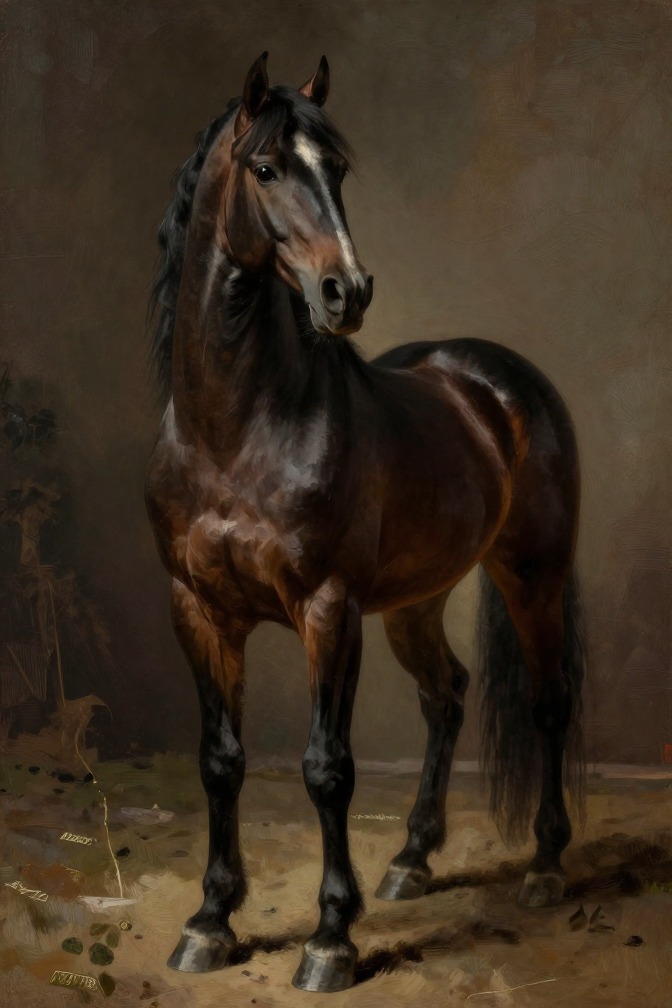
The Friesian horse, originally known as Equus robustus, is a Dutch breed of colossal stature that was a favorite warhorse of medieval kings and was brought back from the brink of extinction in modern times. In Dan Brown's Inferno, the breed serves as a crucial symbolic and historical link, as its powerful physique inspired the aesthetic of the Horses of St. Mark's in Venice, and the breed's history of being decapitated for transport provides the key to deciphering the poem on Dante's death mask, leading Langdon to identify the treacherous Doge Enrico Dandolo.