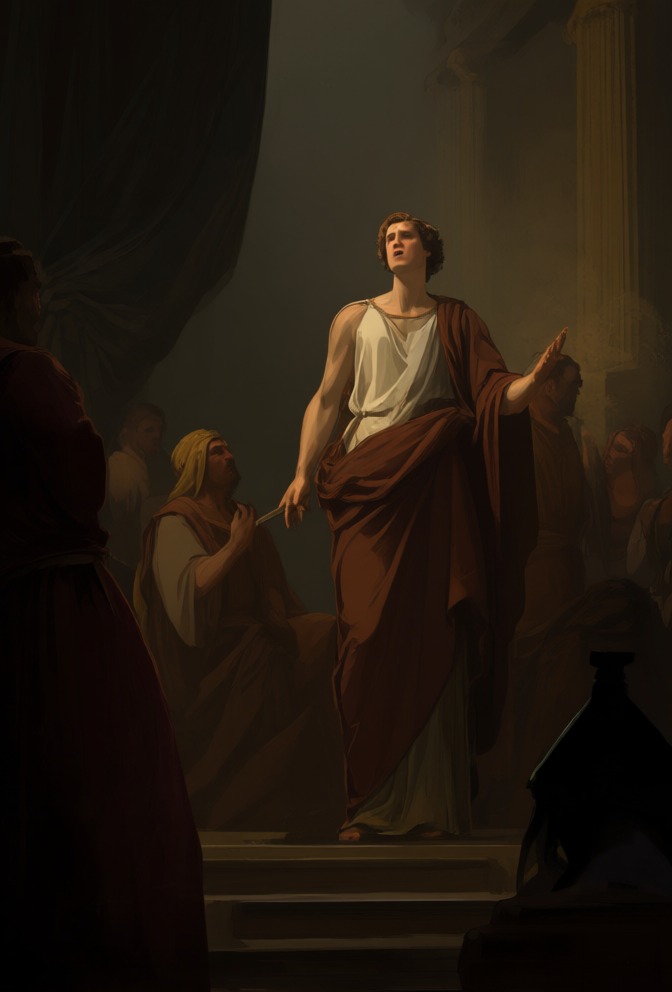
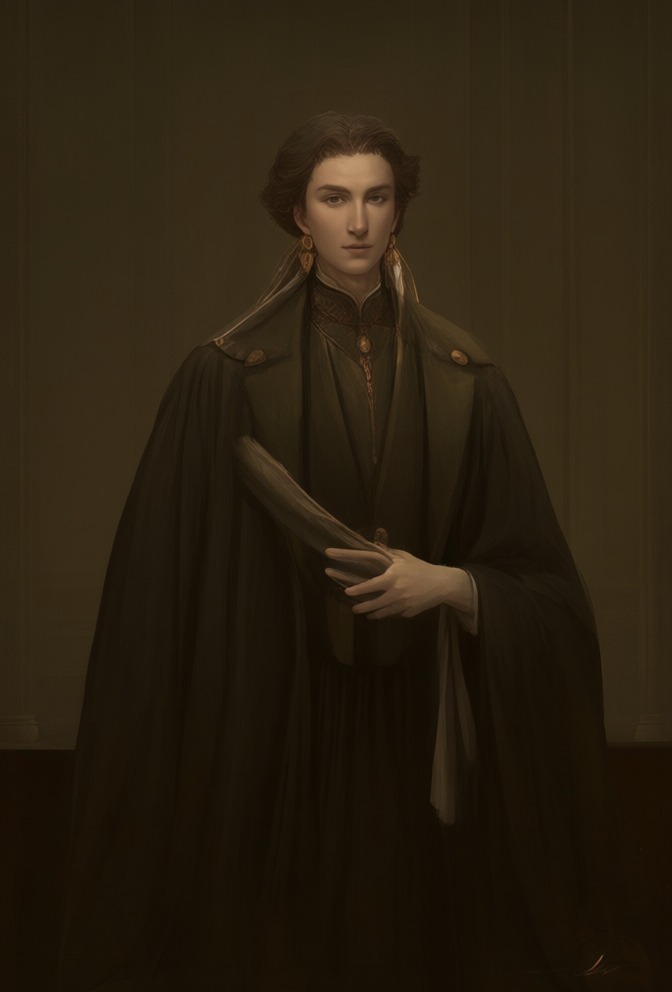
Beverly Marsh's escape from her abusive father, Al Marsh, is a pivotal event in the summer of 1958 that forces her to fully commit to the Losers' Club and their fight against It. After her father, possessed by the malevolent entity, attacks her in their apartment, Beverly flees through the streets of Derry, narrowly escaping his murderous rage. This violent rupture from her home life solidifies her bond with the other Losers and drives her to join them in their final confrontation with the monster that has been terrorizing the town.
The Collapse of Downtown Derry is the catastrophic physical destruction of Derry's central business district on May 31st, 1985, triggered by a freak storm and the final death throes of the ancient entity known as It. The event, which killed dozens and injured hundreds, saw the Canal backsurge, the Standpipe topple, and the entire downtown area sink into the earth, effectively marking the end of Derry's long, violent history as It's feeding ground.
In the spring of 1958, Henry Bowers, driven by his father's racist hatred and his own burgeoning cruelty, ambushed Mike Hanlon on a muddy road near the Bowers farm. Henry knocked Mike down, smeared mud over his face, ears, and clothes, and screamed racial epithets at him, then boasted of having poisoned Mike's dog, Mr. Chips. The attack left Mike humiliated and terrified, and his father, Will Hanlon, chose not to report it to the police, believing that such confrontations were an inescapable part of being Black in Derry.
Eddie Kaspbrak kills Henry Bowers in self-defense when Henry, escaped from Juniper Hill and armed with a switchblade, attacks him in his hotel room at the Derry Town House in the early hours of May 31, 1985. The confrontation ends with Eddie impaling Henry on a broken Perrier bottle, a violent conclusion to a lifelong enmity that began in the summer of 1958.
The Moving Photograph is a supernatural event in which George Denbrough's school photograph, taken less than ten days before his murder, comes to life in his bedroom, winking at Bill, bleeding, and later vanishing from the album, serving as the first direct supernatural manifestation of It to the Losers' Club and a catalyst for their investigation.
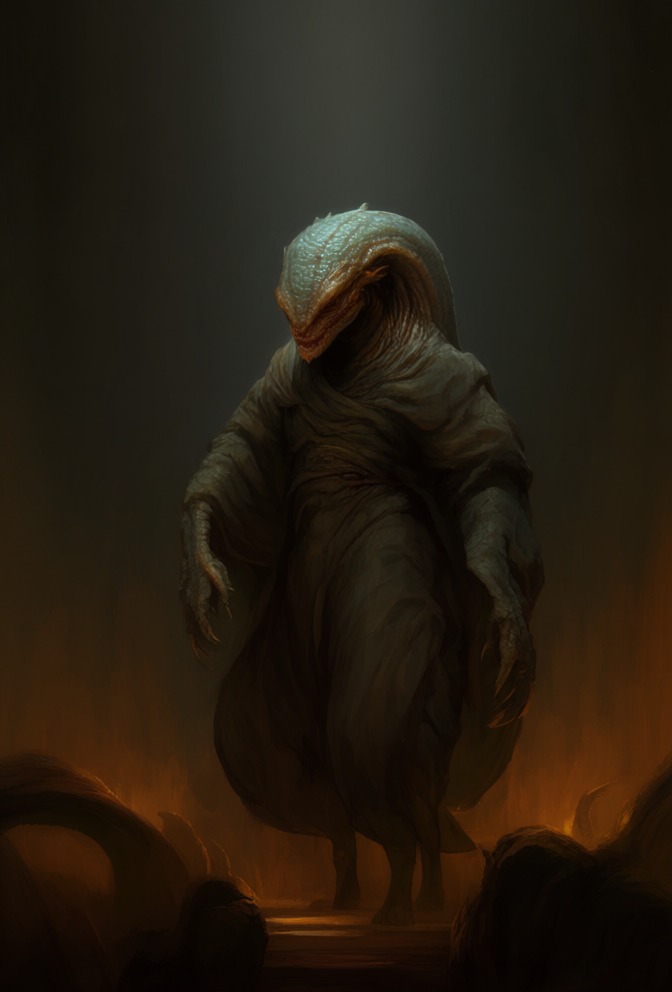
The Creature from the Black Lagoon is one of the many monstrous forms assumed by the entity known as It in Stephen King's novel. It appears to the boy Eddie Corcoran in Bassey Park on the night of June 19, 1958, as a reptilian, fish-like monster that drags him from the Canal and kills him. The Creature is a manifestation of It's ability to read a victim's mind and take the shape of whatever they fear most, in this case a monster from a horror movie. Its appearance marks one of the early murders in the cycle of violence that plagues Derry during the summer of 1958.
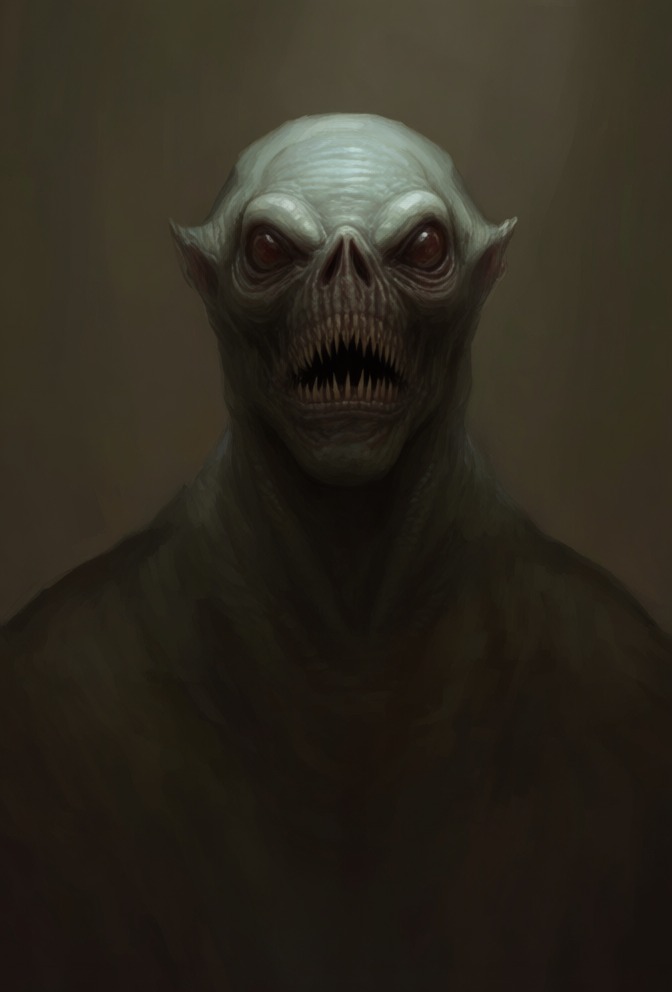
The Leper is one of the many terrifying forms assumed by the entity known as It, specifically manifesting to Eddie Kaspbrak. It first appears as a rotting, disease-ridden figure crawling from the cellar of the abandoned house at 29 Neibolt Street, embodying Eddie's deepest fears of illness, contamination, and the monstrous potential hidden within the familiar. This form is a key part of It's strategy to terrorize the Losers' Club, preying on each member's unique vulnerabilities.
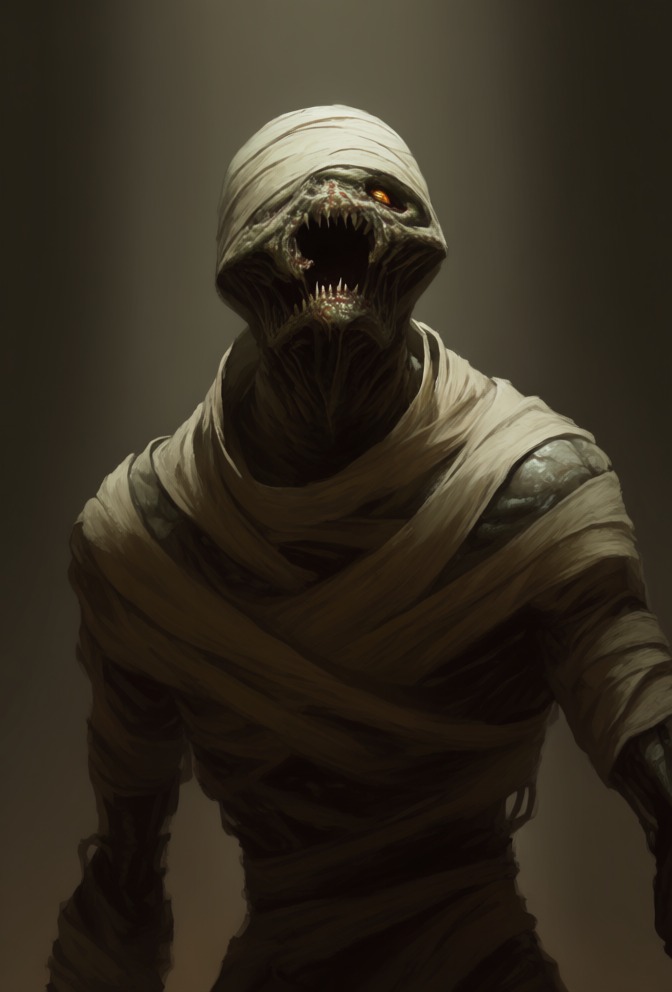
The Mummy is one of the many terrifying forms assumed by the ancient, shape-shifting entity known as It in Stephen King's novel. It first appears to Ben Hanscom in the winter of 1958, manifesting as a desiccated, bandage-swaddled figure on the frozen Canal, and later reappears in the 1985 confrontation, representing the specific childhood fear that It weaponizes against its victims.
Beverly Rogan's escape from her abusive husband Tom Rogan on the night of May 28th, 1985, triggered by a phone call from Mike Hanlon summoning her back to Derry, Maine, to fulfill a childhood promise. The event marks a decisive break from a violent marriage and a return to the unfinished business of her past.
On July 25th, 1958, the seven members of the Losers' Club—Bill Denbrough, Beverly Marsh, Ben Hanscom, Richie Tozier, Eddie Kaspbrak, Stanley Uris, and Mike Hanlon—entered the abandoned house at 29 Neibolt Street, a known access point for the entity they called It. Armed with two silver slugs cast from Ben's silver dollar and Beverly's slingshot, they confronted the creature in its werewolf form. Beverly shot the werewolf in the snout, driving it back into the drainpipe from which it had emerged. The confrontation marked the first time the children successfully wounded It, but they failed to kill it, setting the stage for their final battle weeks later.
The murder of Adrian Mellon, a gay freelance writer, on the last night of Derry's Canal Days Festival in July 1984, marks the first clear manifestation of the renewed cycle of supernatural violence in Derry. Thrown from the Main Street Bridge by three homophobic teenagers, Mellon is then seized and killed by Pennywise the Dancing Clown, who waits beneath the bridge. The event exposes the town's deep-seated bigotry, the complicity of its institutions, and the return of the ancient evil that the Losers' Club had confronted twenty-seven years earlier.
On May 31st, 1985, a catastrophic storm and series of supernatural events culminate in the physical destruction of downtown Derry, Maine. The storm, which meteorologists describe as an 'extraordinarily disciplined' low-pressure system, unleashes hurricane-force winds, torrential rain, and a series of bizarre, violent phenomena across the town. The climax of this destruction is the collapse of the downtown area into the Canal, the toppling of the Standpipe, and the explosion of the Derry Mall, events that occur simultaneously with the Losers' Club's final battle against It in the sewers below. The destruction is both a literal and symbolic purging of the town's long history of cyclical violence, marking the end of It's reign and the beginning of Derry's slow, uncertain decline.
The final battle under Derry in 1958 is the climactic confrontation between the seven children of the Losers' Club and the shape-shifting entity known as It, which takes the form of a giant Spider in its lair deep beneath the city. After being chased into the sewers by Henry Bowers and his gang, the children navigate a labyrinth of ancient tunnels to reach It's chamber, where they engage in a desperate psychic and physical struggle. The battle culminates in Bill Denbrough's ritualistic killing of the Spider by crushing its heart, but not before Eddie Kaspbrak sacrifices himself to save the others, and the entity's true, terrifying form—the Deadlights—is glimpsed. The victory is pyrrhic: the children escape, but the experience begins to fade from their memories, and the cycle of violence in Derry is only temporarily broken.
The Macroverse is the cosmic void beyond the known universe, the true domain of It, where It exists as a formless, destructive light called the Deadlights. It is also the realm of the Turtle, the ancient being who created the universe and who briefly aids Bill Denbrough during the Ritual of Chüd. The Macroverse represents the ultimate, terrifying reality behind all of Derry's horrors, a place where human concepts of space, time, and sanity break down.
The Turtle is a cosmic entity in Stephen King's It, described as the creator of the universe who exists in a state of near-total withdrawal. It is an ancient, benevolent force that stands in opposition to the malevolent entity known as It, but it refuses to intervene directly in the struggle between the Losers' Club and their enemy. Its most significant role is as a source of cryptic guidance for Bill Denbrough during the Ritual of Chüd, where it reveals that the power to defeat It must come from within the children themselves. The Turtle is also a symbol of a passive, creative principle that has largely abandoned the universe to its fate, and its eventual death marks a definitive end to any possibility of external aid for the Losers.
Will Hanlon's Derry album is a collection of photographs, clippings, and woodcuts spanning centuries, which Mike Hanlon brings to the Barrens in July 1958. The album serves as a historical record of the entity Pennywise, showing its presence in Derry across multiple eras, and becomes a catalyst for the Losers' Club's understanding of the cyclical nature of the horror they face.
Eddie Kaspbrak's aspirator, a plastic squeeze-bottle labeled HydrOx Mist, is the central object of a lifelong medical deception: it contains nothing but water with a dash of camphor, a placebo prescribed by Dr. Handor and filled by Mr. Keene to manage Eddie's psychosomatic asthma. Yet the aspirator's power is real—it becomes a weapon against the supernatural, a symbol of belief's material force, and the instrument of Eddie's final sacrifice.
Balloons are a recurring visual and thematic motif in Stephen King's *It*, serving as the signature calling card of the entity Pennywise the Dancing Clown. They appear in multiple forms—from the colorful cluster Pennywise offers to lure children, to the grotesque, blood-dripping or message-bearing balloons that manifest in the sewers, the library, and even inside a refrigerator. The balloons symbolize the seductive yet deadly nature of the entity, its ability to float (a metaphor for the victims' fate), and its pervasive, mocking presence throughout Derry.
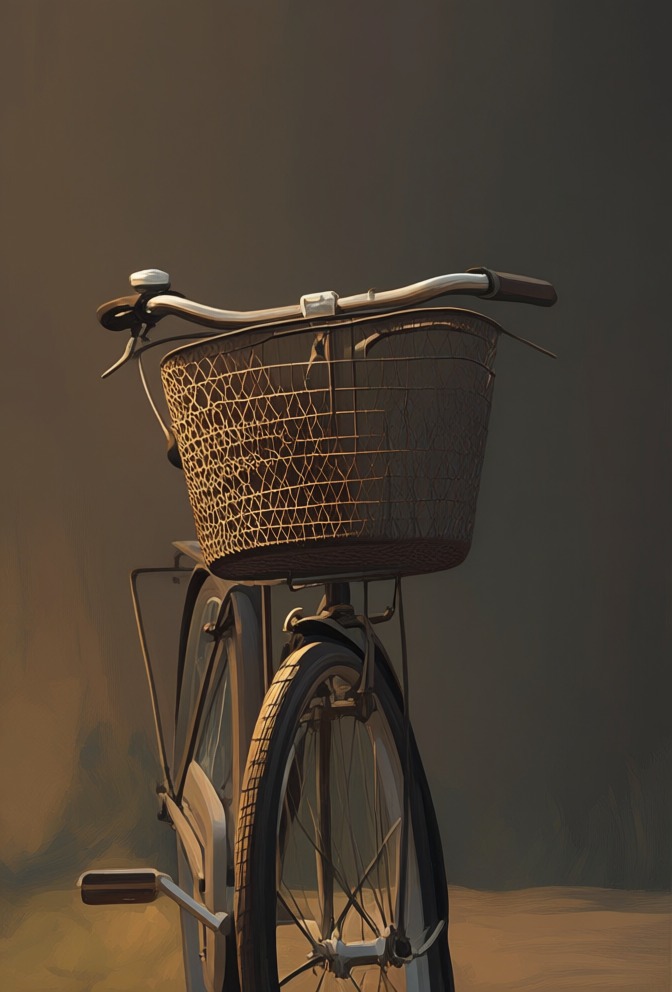
The bike basket, a simple wire container mounted on the front of Bill Denbrough's bicycle Silver, serves as a crucial functional object during the summer of 1958, carrying the aspirator that saves Eddie Kaspbrak's life and later holding the Walther pistol used against the werewolf. Its material presence marks key moments of crisis and rescue, embodying the practical, child-scale resourcefulness of the Losers' Club.
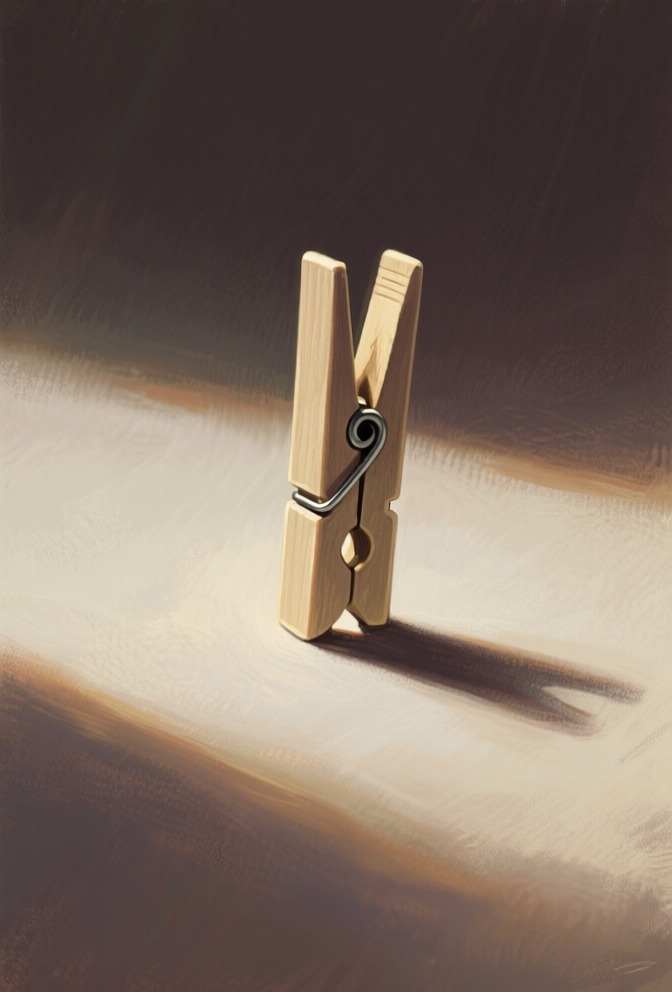
Clothespins are small wooden or plastic fasteners used by the Losers' Club to attach playing cards to the spokes of Bill Denbrough's bicycle, Silver, creating a distinctive roaring sound that marks the bike's speed and presence throughout the summer of 1958 and again in 1985.
The Concorde is the supersonic airliner Bill Denbrough takes from London to New York on May 29th, 1985, after receiving Mike Hanlon's phone call summoning him back to Derry. Its extreme speed—over mach 2, eighteen miles per minute—and cramped, narrow interior mirror the disorienting, headlong rush of memory and terror that Bill experiences as he returns to face the childhood nightmare he has forgotten for twenty-seven years.
The Glass Corridor is the heated, glass-enclosed passageway connecting the old stone adult library and the modern Children's Library at the Derry Public Library. For the child Ben Hanscom, it was a place of wonder, embodying the "greenhouse effect" and inspiring his later architectural masterpiece, the BBC communications center in London. The corridor was destroyed in the supernatural storm that accompanied the Losers' final confrontation with It in 1985, exploding violently and never being rebuilt, symbolizing the severing of a magical link between childhood and adulthood.
The House on Neibolt Street is a decaying, abandoned saltbox house at 29 Neibolt Street in Derry, Maine, that serves as a primary terrestrial access point for the entity known as It. It is the site of the Losers' Club's first direct confrontation with the creature in 1958, where they wounded it with a silver slug fired from Bill Denbrough's slingshot, and later the location where the body of a murdered child was found in 1985, confirming the entity's return.
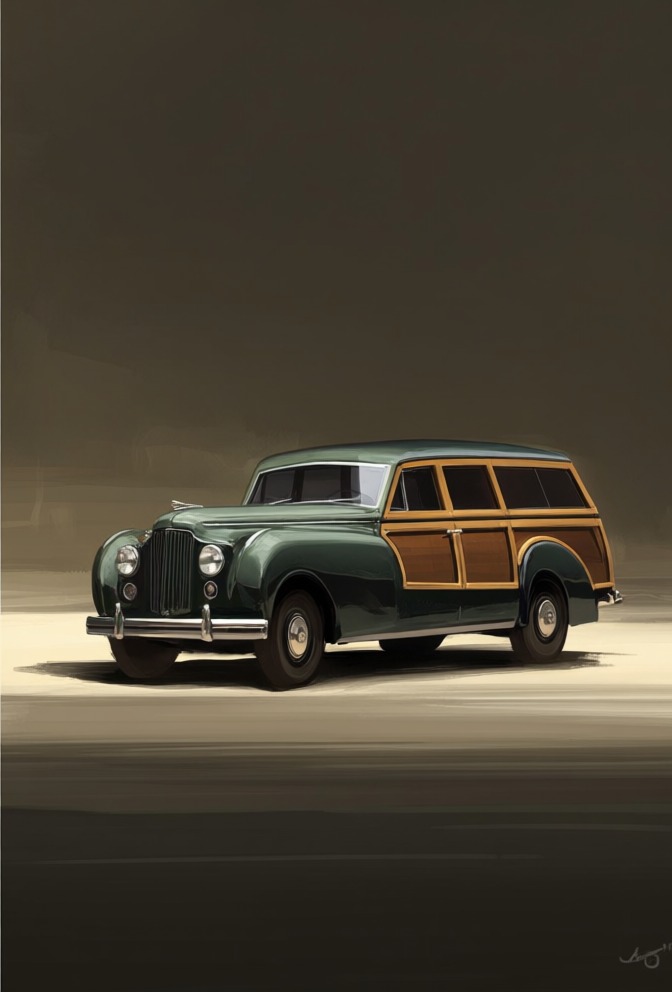
Tom Rogan purchases a used 1976 Ford LTD wagon from a young seller at Bangor International Airport, paying cash and removing the plates himself before driving to Derry, Maine, to pursue his estranged wife, Beverly.
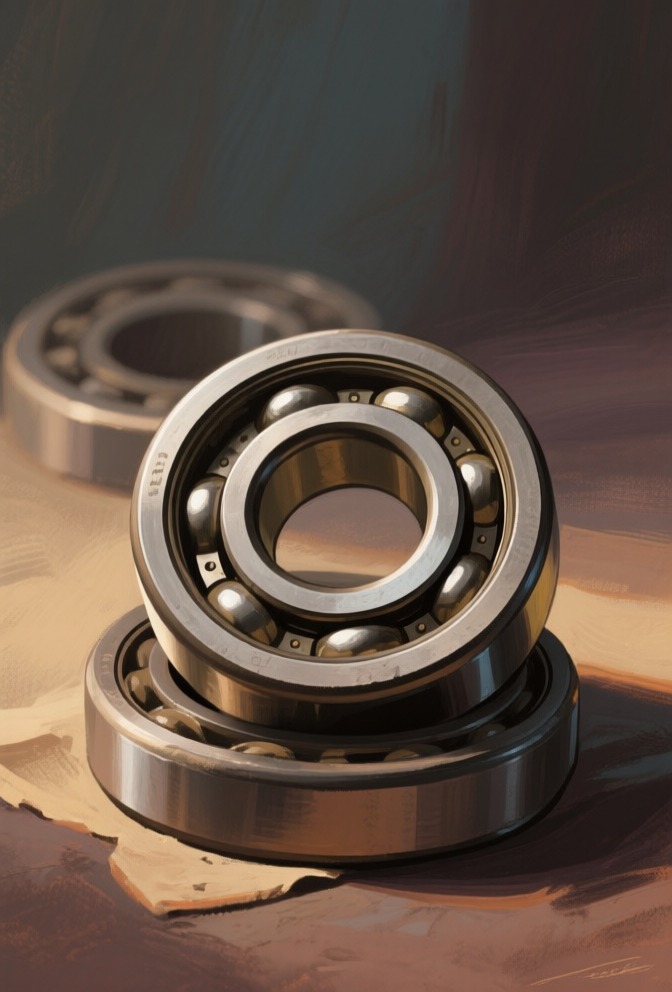
The bearing molds are small steel objects purchased by Bill Denbrough and Richie Tozier from Kitchener Precision Tool & Die in Derry, Maine, in July 1958. They are used by Ben Hanscom to cast two silver slugs from one of his father's silver dollars, which Beverly Rogan then fires from Bill's Bullseye slingshot to wound the creature known as It during the confrontation at 29 Neibolt Street. The molds represent a crucial step in the Losers' Club's preparation for their first direct attack on the monster, transforming a childhood keepsake into a weapon of belief and courage.
The Mooseblower is a simple acoustic device used by the Hanlon family on their Derry farm to scare crop-eating birds away from the fields. Constructed from a can with both ends cut off and a length of heavily waxed and rosined string stretched tightly across the middle, it produces a wonderfully spooky, whining croak when the wind blows through it. For Mike Hanlon, the sound of the mooseblower is a cherished herald of spring, marking the end of winter and the beginning of the farm's annual cycle of work. The device also appears in a more sinister context during the Losers' Club's exploration of the house on Neibolt Street, where It uses a similar contraption—a Sterno can with a waxed string—to create a terrifying buzzing scream, a cheap trick that momentarily deceives the children before Mike Hanlon recognizes and dismisses it.
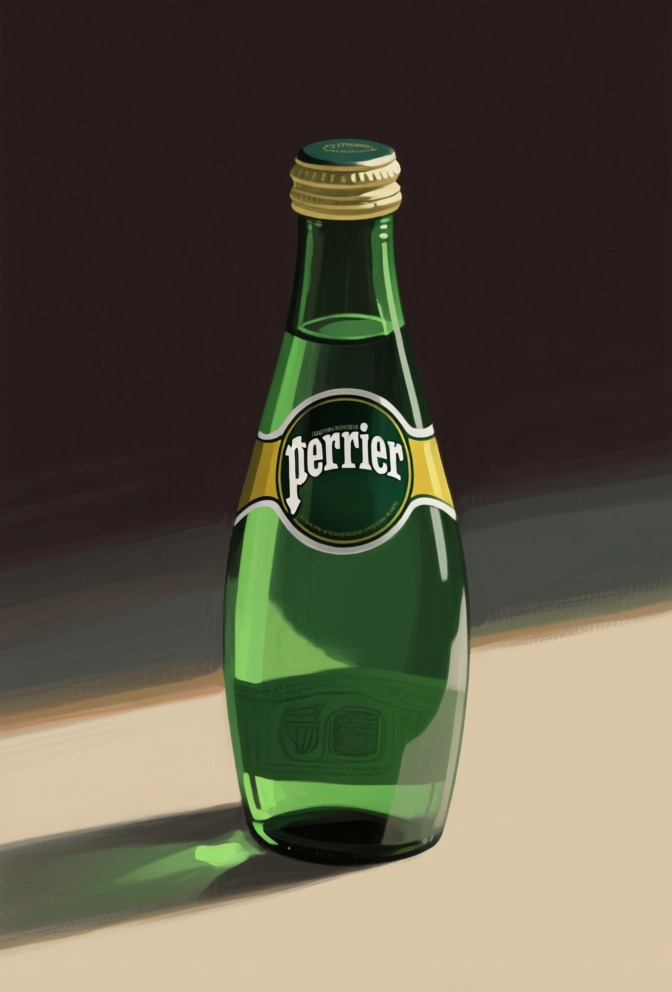
The Perrier bottle, a green glass bottle of sparkling mineral water, becomes a weapon of last resort for Eddie Kaspbrak during Henry Bowers's murderous attack in his hotel room. Eddie smashes the bottle on a nightstand and uses its jagged base to defend himself, ultimately impaling Henry and killing him. The bottle thus transforms from a mundane consumer object into a decisive instrument of survival and death.
The photograph of George Denbrough, taken for the 1957-58 school year and mounted in his album, becomes a supernatural object that moves, winks, and bleeds, serving as the first direct manifestation of It to Bill Denbrough and later as a taunting clue left at a murder scene in 1985.
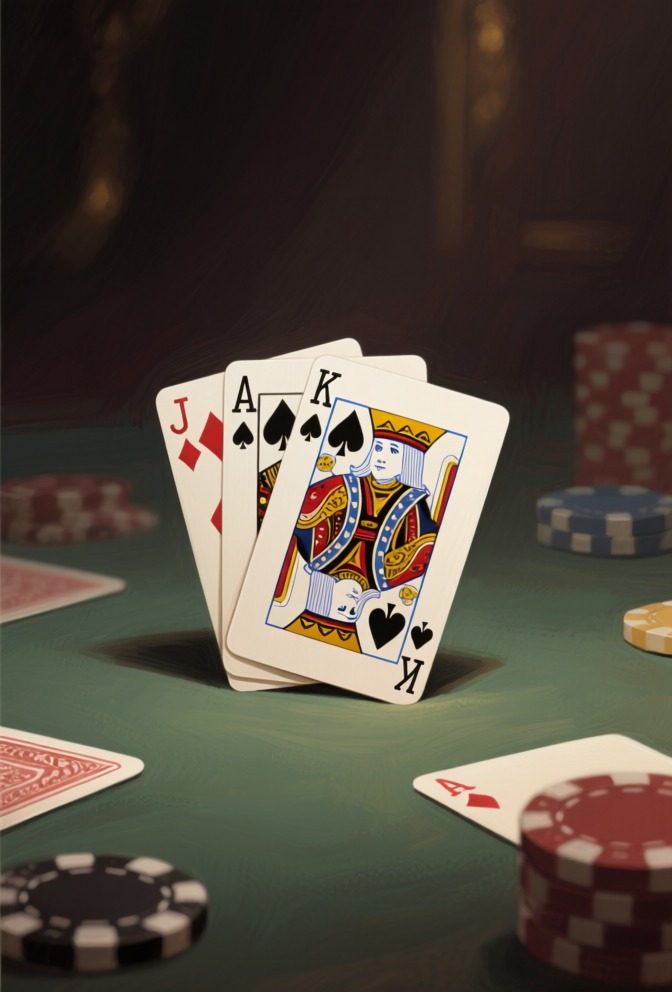
The playing cards, specifically Bicycle brand cards, are a recurring object in Stephen King's *It*, most notably attached to the spokes of Bill Denbrough's bicycle, Silver, where they create a distinctive machine-gun sound that marks the bike's speed and Bill's childhood flights from fear and toward confrontation with the monster Pennywise.
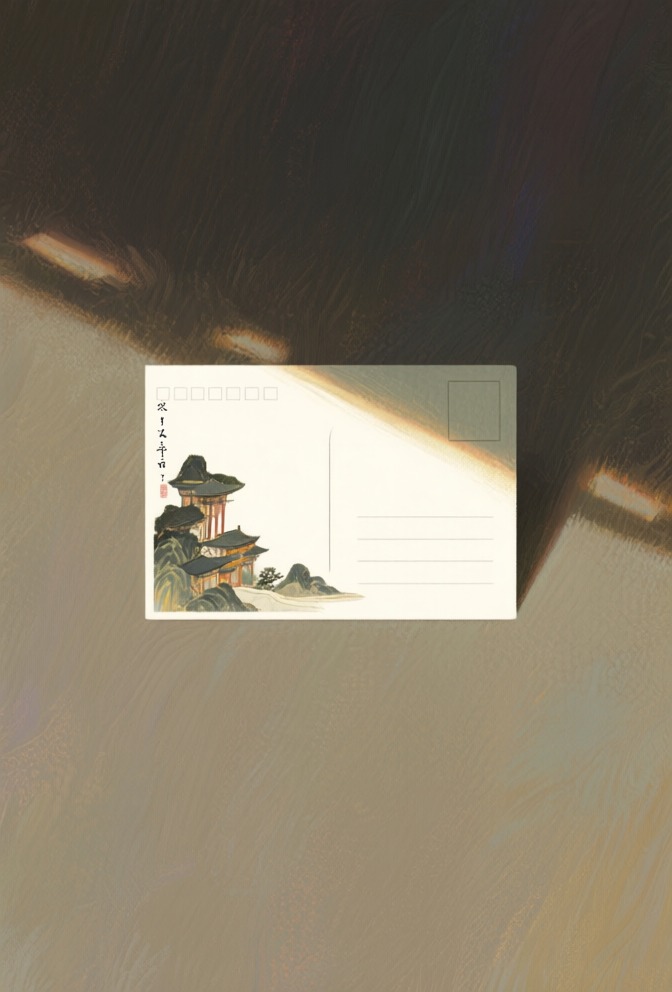
The postcard with a haiku is a secret love note sent by Ben Hanscom to Beverly Marsh on the last day of school in June 1958, expressing his feelings for her through a seventeen-syllable poem. It becomes a key symbol of Ben's unspoken affection and a touchstone of memory that Beverly later recalls, though she initially misattributes it to Bill Denbrough.