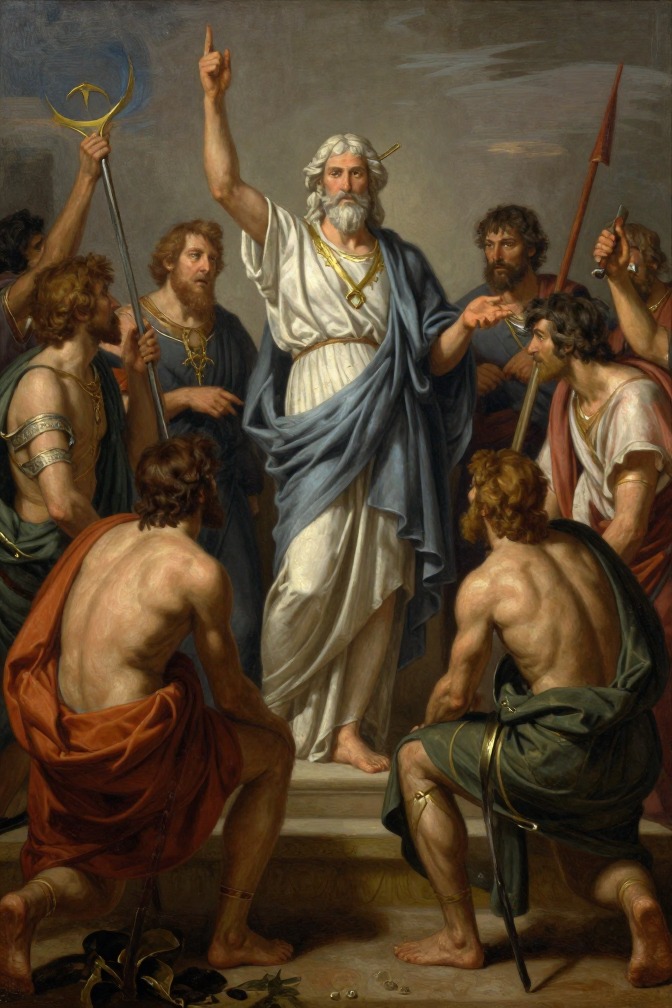
The Council of the Gods is the inaugural divine assembly of the Odyssey, in which Zeus, Athena, and the other Olympians debate the fate of Odysseus and set in motion the entire plot of his homecoming and the punishment of the suitors.
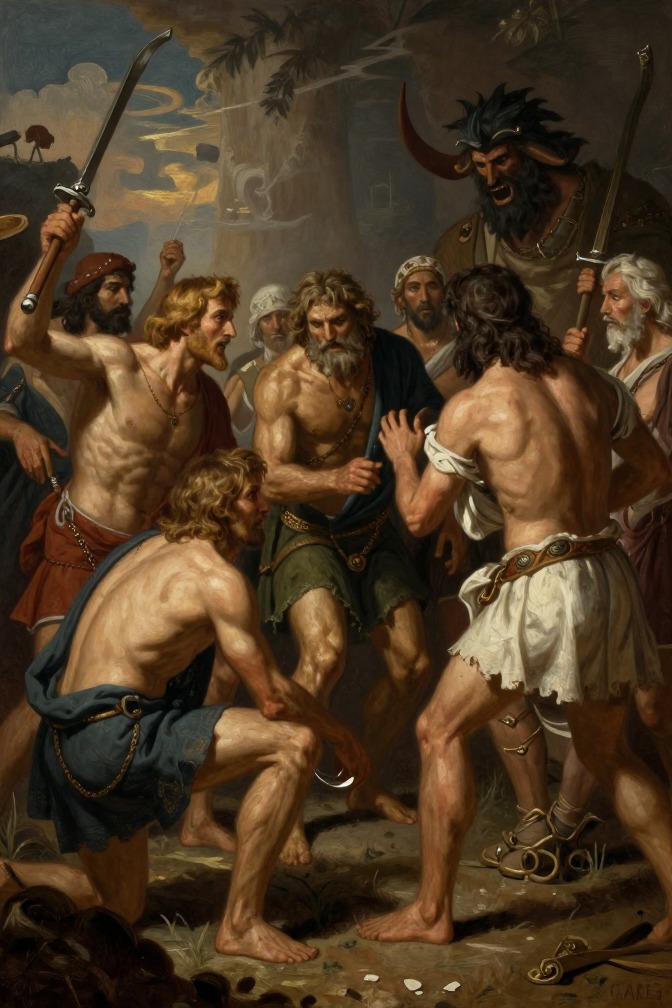
The Laestrygonians Episode is a brief but devastating encounter in Odysseus's wanderings, in which a race of cannibal giants annihilates eleven of his twelve ships and their crews, leaving only Odysseus's own vessel to escape. It marks the most catastrophic single loss of life in the hero's entire journey and underscores the theme of helplessness before savage, lawless forces.
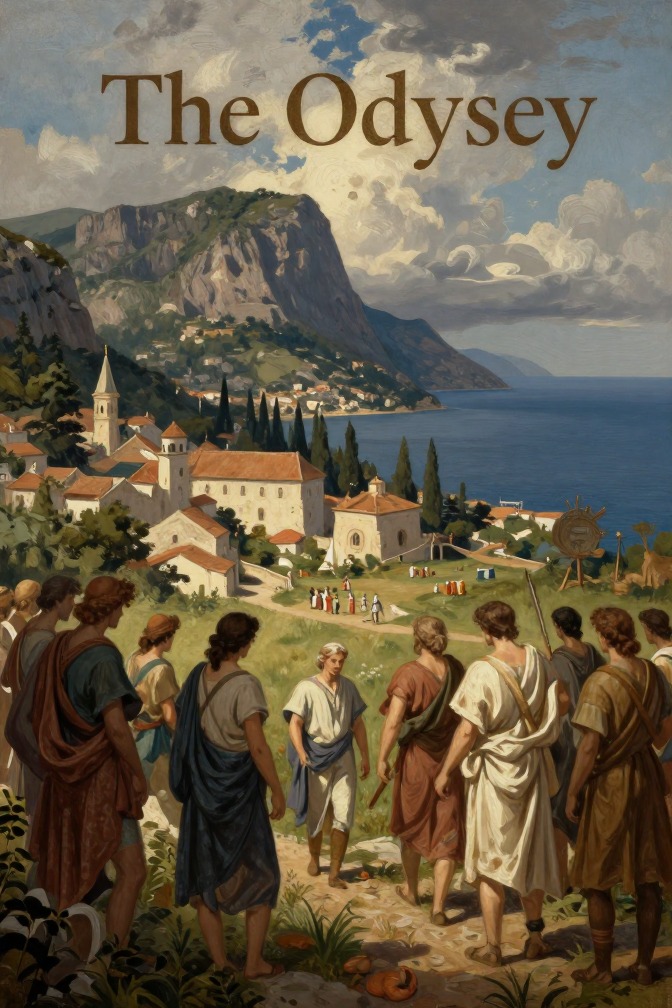
Ithaca, the rugged island kingdom of Odysseus, is the central geographical and emotional locus of the Odyssey, representing the hero's ultimate goal of homecoming (nostos) and the site of his final, violent reclamation of order. The poem constructs Ithaca not merely as a physical place but as a complex symbol of identity, loyalty, and rightful rule, contrasting its rocky, goat-friendly terrain with the fertile, exotic lands Odysseus visits, while its domestic spaces—the palace, the storeroom, the bedchamber—become the stage for the suitors' transgression and Odysseus's long-deferred revenge.
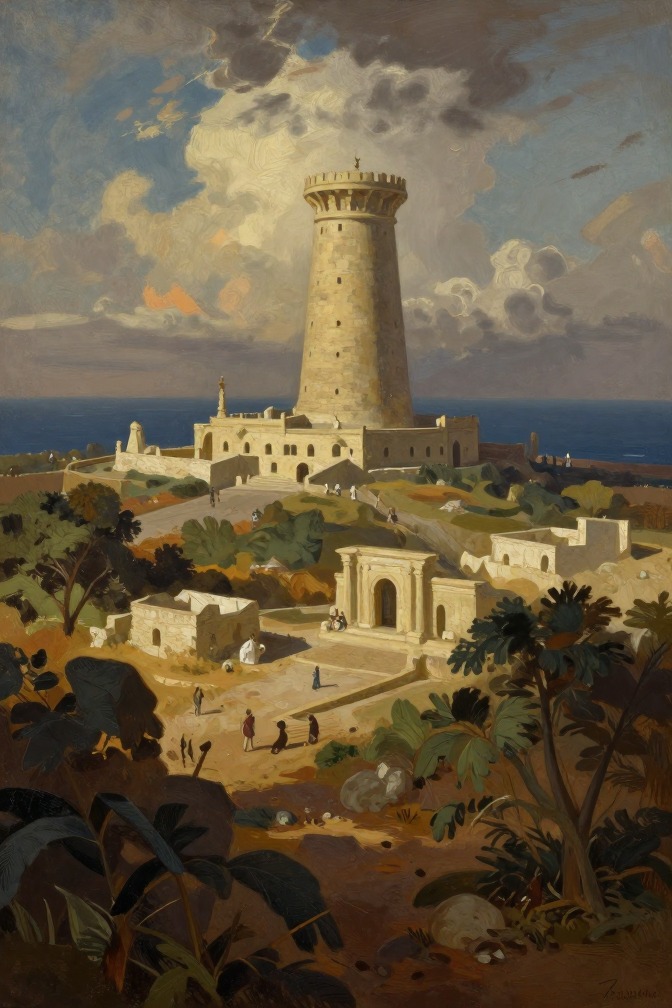
Pharos is the island off the coast of Egypt where Menelaus was stranded for twenty days on his return from Troy, and where he captured the shape-shifting sea god Proteus to learn how to break the divine anger that held him there.
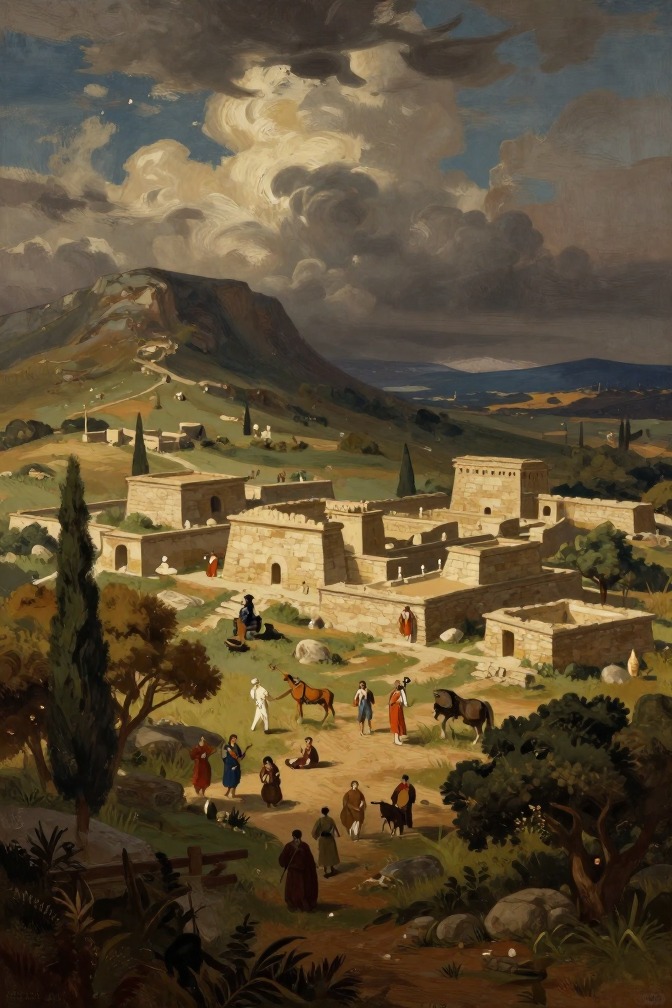
Pylos, the coastal city of King Nestor on the western Peloponnese, serves as the first destination of Telemachus's quest for news of his father Odysseus and as a model of orderly, pious kingship in contrast to the chaos in Ithaca.
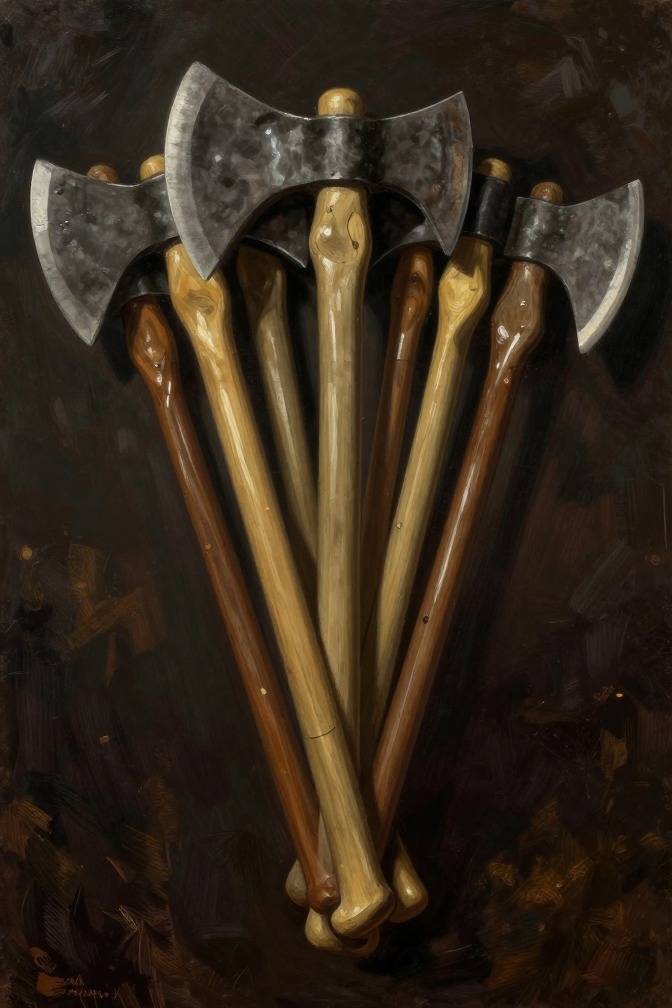
The twelve axes are the central object in the contest Penelope devises to choose a new husband, a test that only Odysseus can pass and that triggers the slaughter of the suitors.
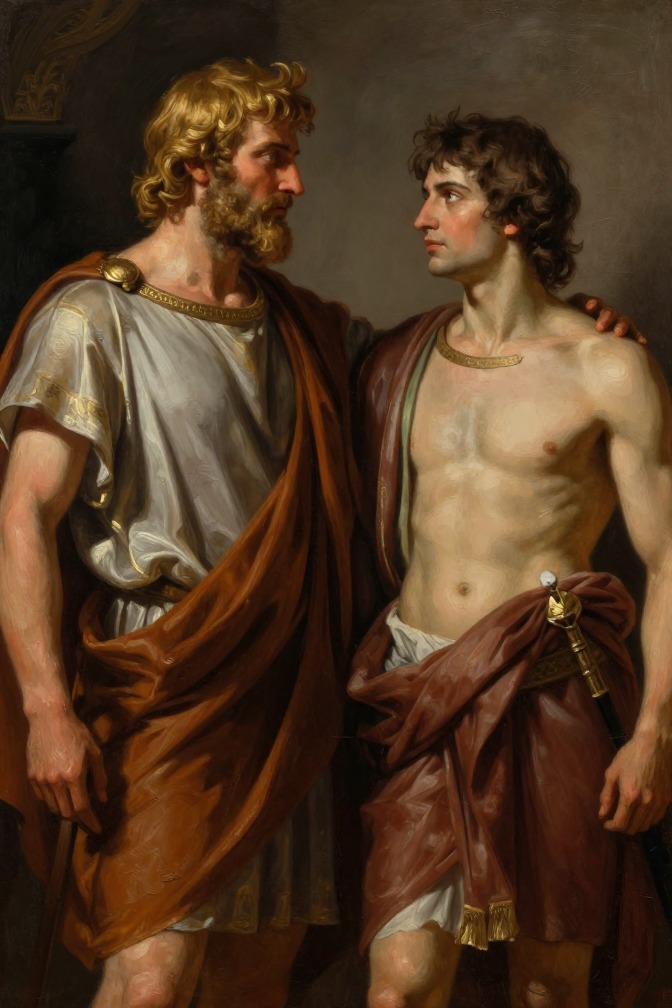
The relationship between Nestor, the aged king of Pylos, and Telemachus, the son of Odysseus, is a foundational episode of hospitality, counsel, and generational transmission in the Odyssey. Nestor receives Telemachus with lavish xenia, provides crucial information about the returns of other Greek heroes, and dispatches him onward to Menelaus, thereby setting the young prince on the path toward manhood and the eventual reunion with his father.
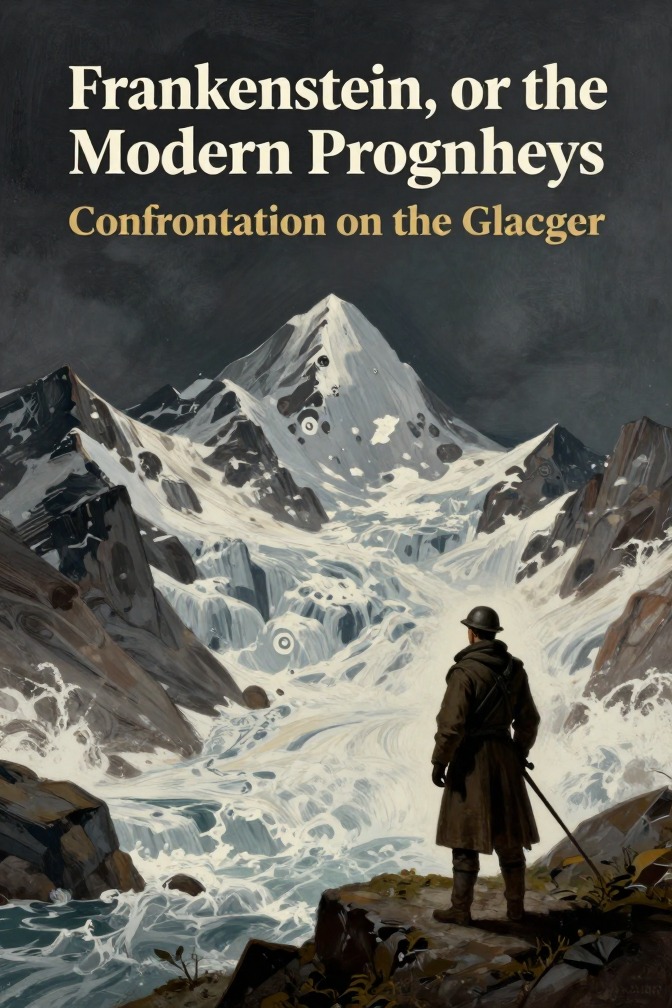
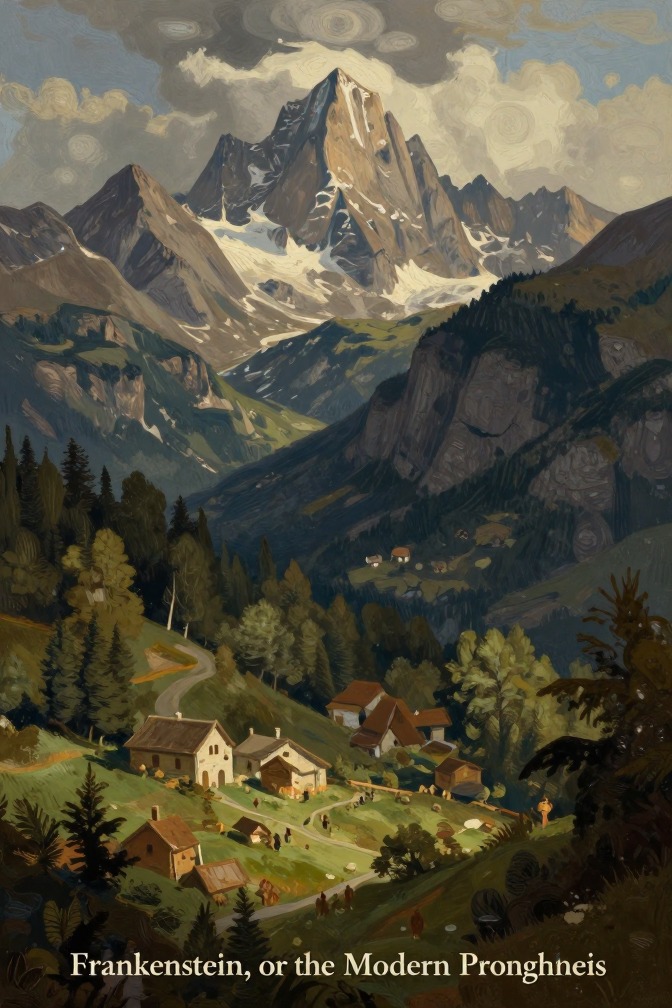
The confrontation on the glacier is the pivotal meeting between Victor Frankenstein and the monster he created, occurring on the Mer de Glace above Chamounix, where the creature demands that Victor listen to his tale and agree to create a female companion, marking the first direct dialogue between creator and creation and the moment Victor learns the full scope of the monster's suffering and his own responsibility.
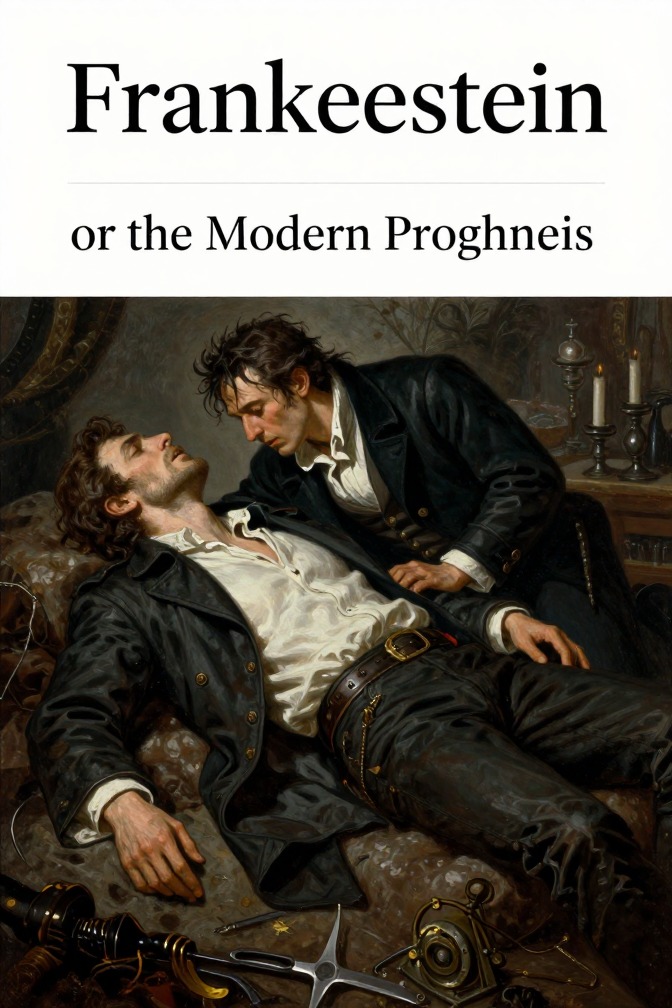
Victor Frankenstein dies aboard Robert Walton's ship in the Arctic, his body and spirit finally broken by years of pursuing the monster he created, marking the end of a life consumed by the consequences of his ambition.
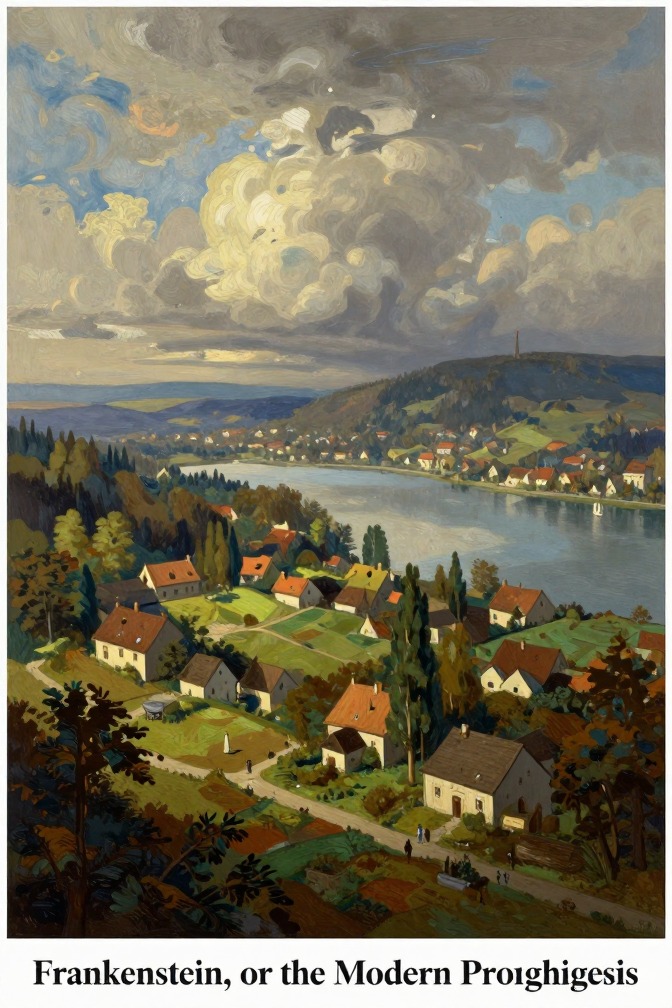
Geneva is the native city of Victor Frankenstein and the central geographical and emotional anchor of the novel, serving as the site of his family home, the locus of his deepest personal losses, and the origin point of his final pursuit of the monster.
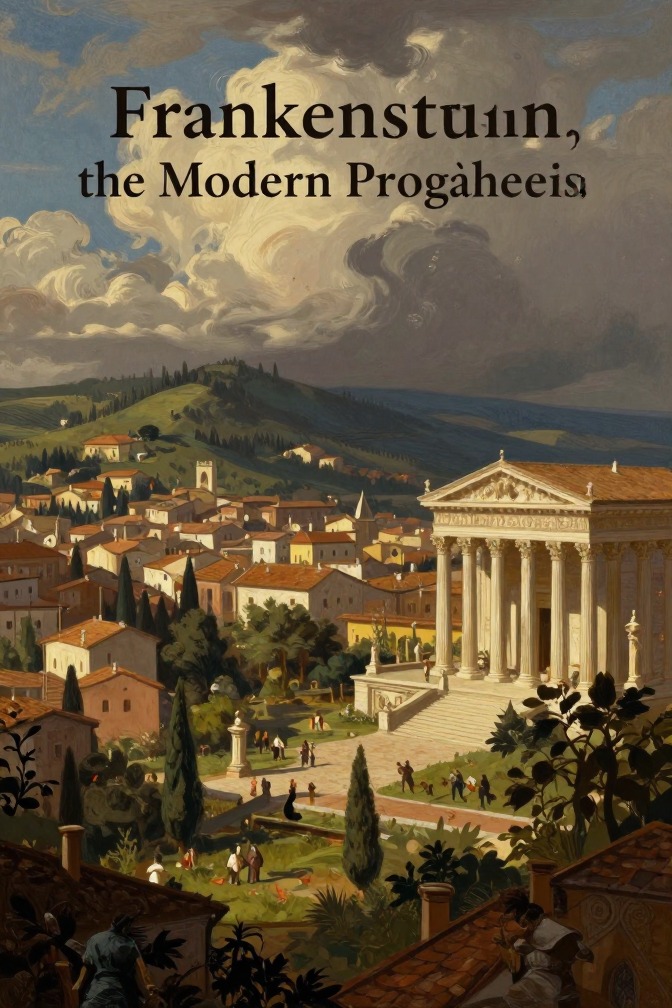
Italy is a pivotal setting in Mary Shelley's Frankenstein, serving as the birthplace of Victor Frankenstein and the backdrop for his family's formative travels, as well as a recurring site of memory, loss, and psychological crisis.
Mont Cenis is the Alpine pass through which Felix De Lacey conducts the escaped Turkish merchant and his daughter Safie from France to Italy, a crucial stage in the De Laceys' ruin and the monster's education in human injustice.
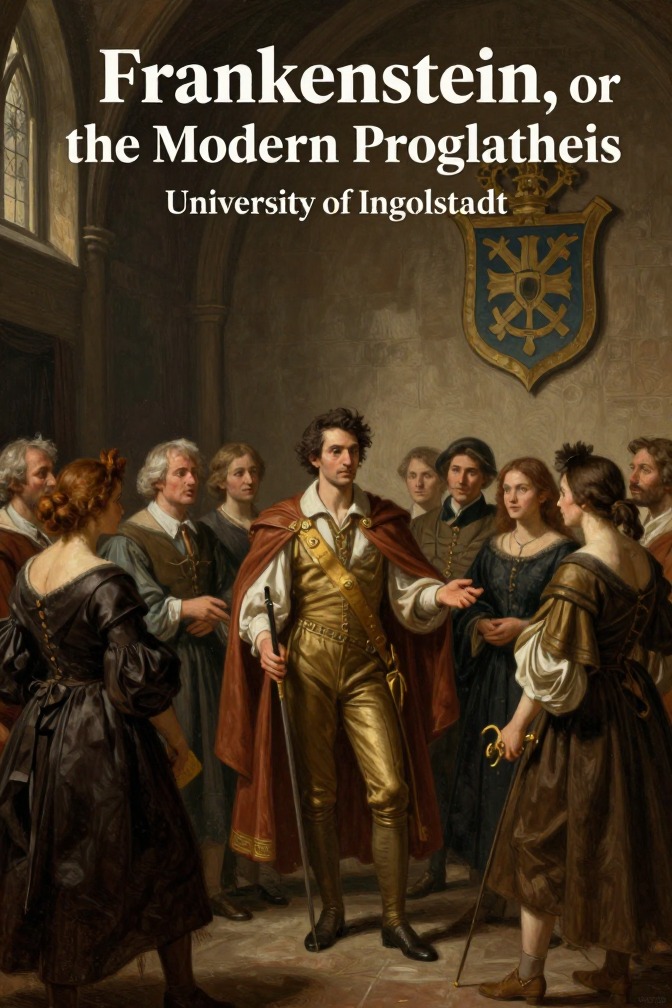
The University of Ingolstadt is the German institution where Victor Frankenstein pursues his scientific education and conducts the experiments that lead to the creation of the monster, serving as the crucible for his ambition and the site of his first catastrophic success.
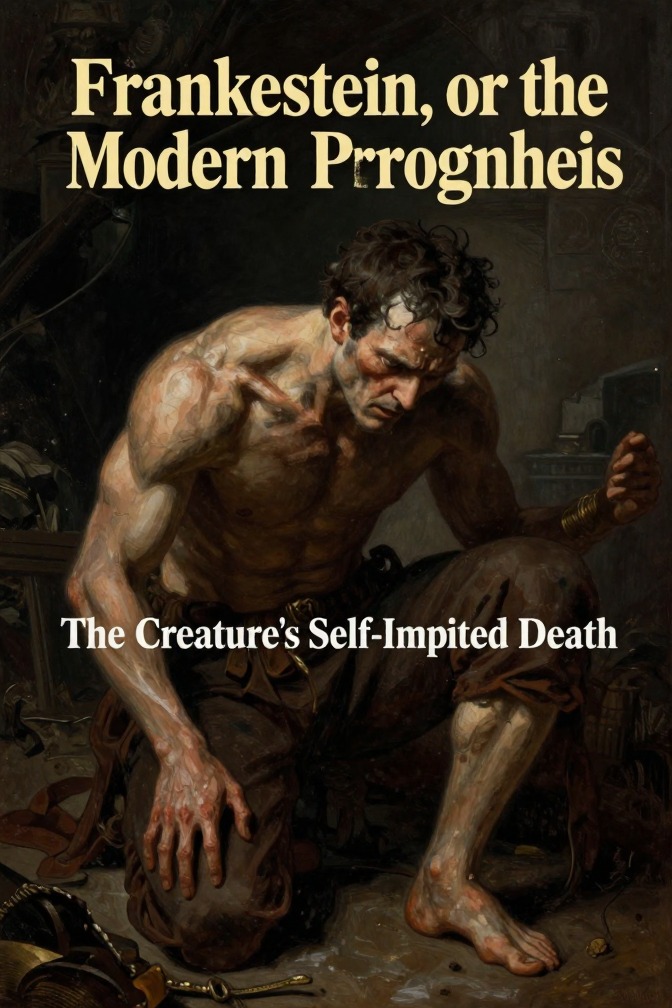
The Creature's Self-Imposed Death is the final, decisive act of the monster in Mary Shelley's Frankenstein, in which he vows to end his own life by immolation on a funeral pyre at the northernmost extremity of the globe, thereby completing the series of his being and extinguishing all memory of himself and his creator.
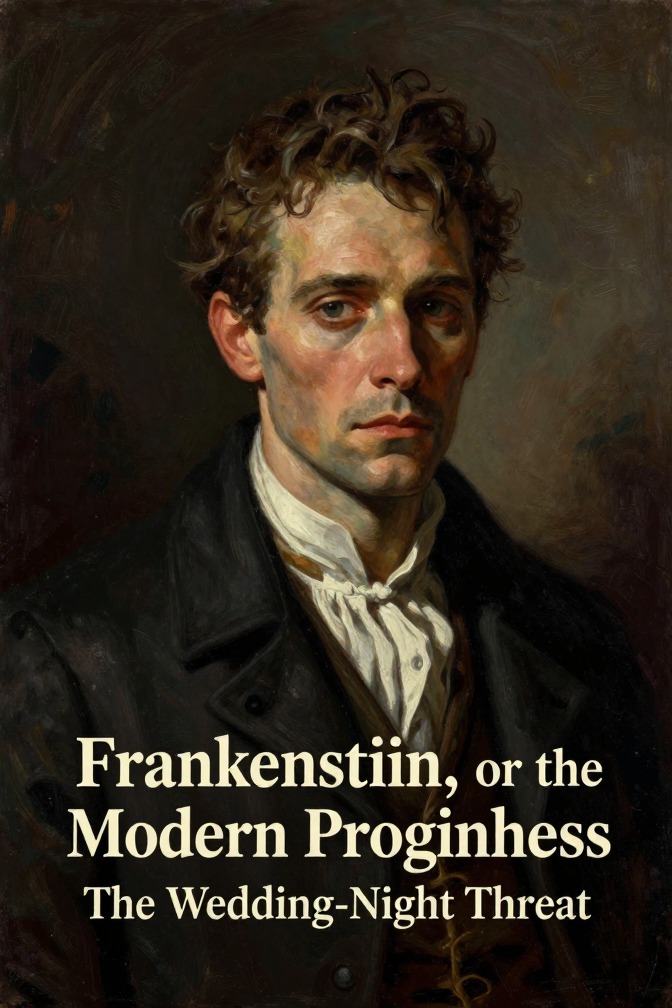
The Wedding-Night Threat is the monster's explicit promise to Victor Frankenstein that he will be present on Victor's wedding night, a declaration that transforms the anticipated union into a scene of terror and ultimately leads to the murder of Elizabeth Lavenza.
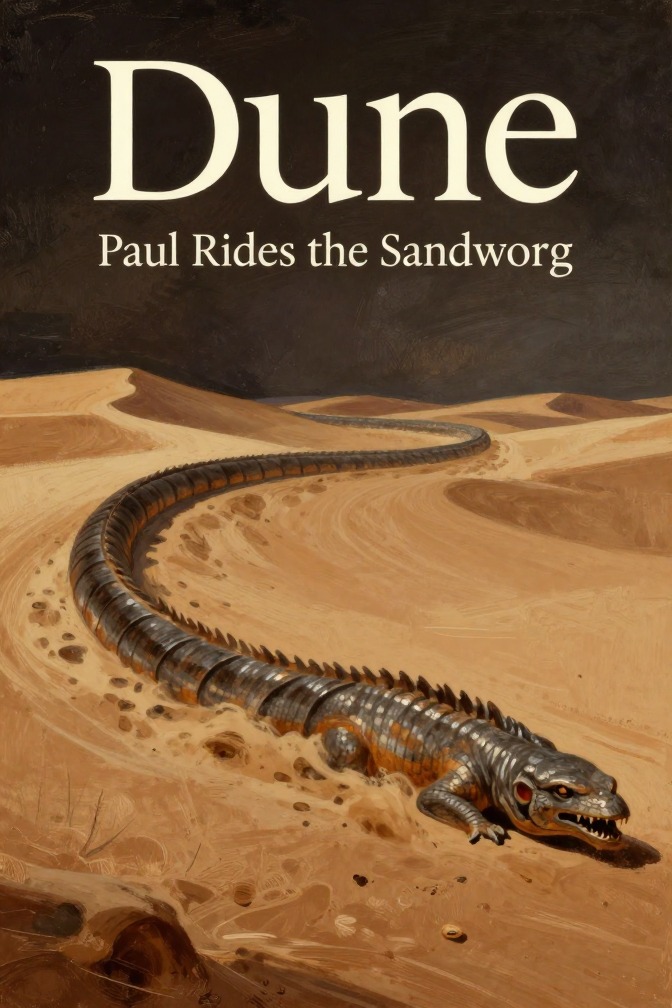
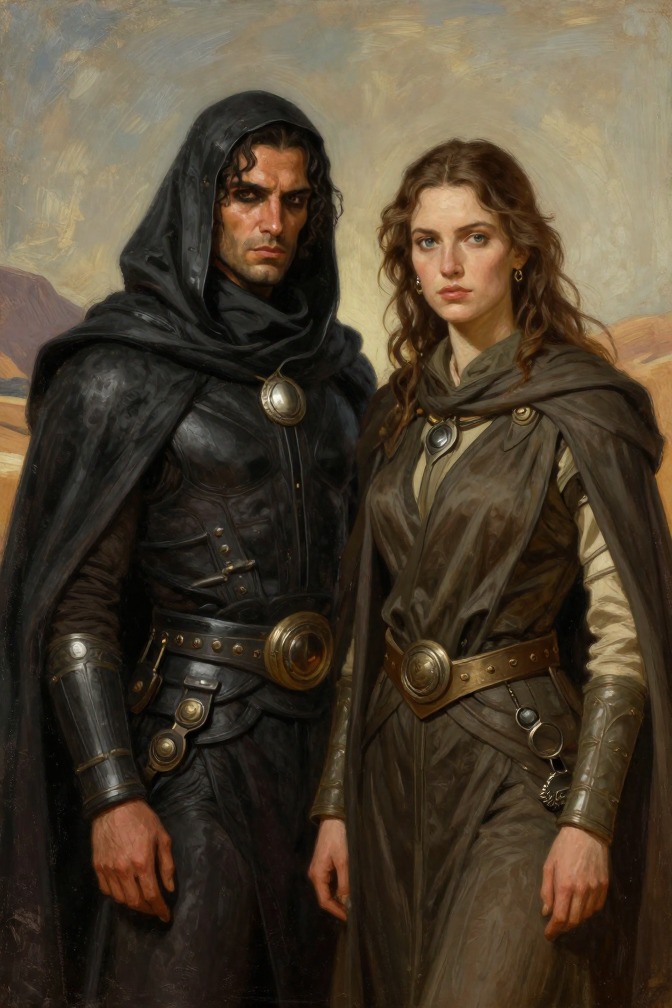
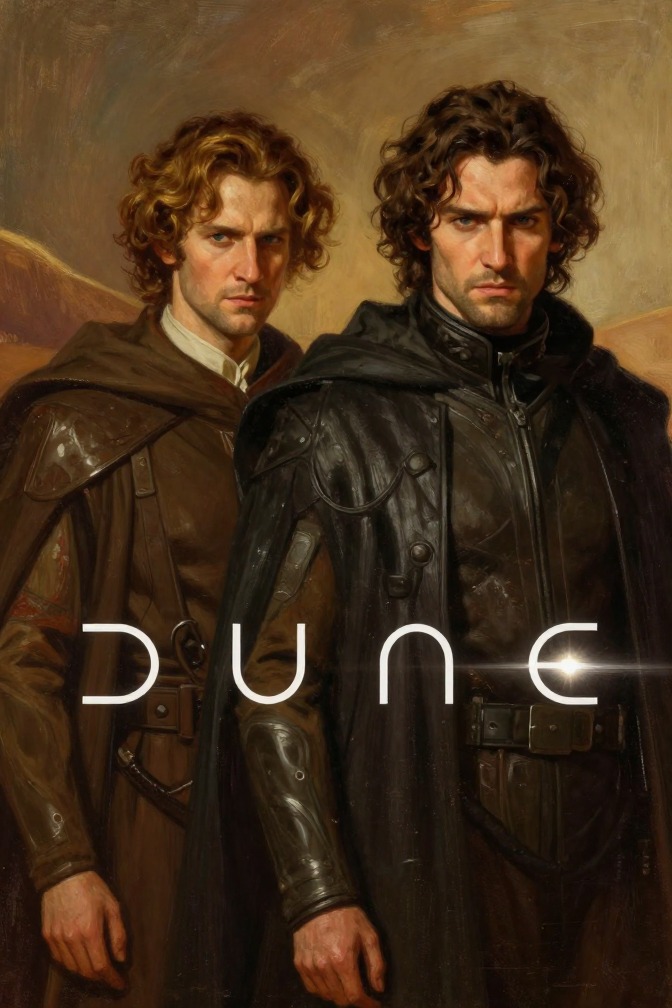
Paul Rides the Sandworm is the pivotal rite of passage in Frank Herbert's Dune, where Paul Atreides, now known as Muad'Dib, must prove his mastery over the desert by summoning and mounting a giant sandworm, or Shai-Hulud. This event marks his full acceptance as a Fremen and a leader, transforming him from a fugitive duke into a figure of legend and setting the stage for his rise to power.
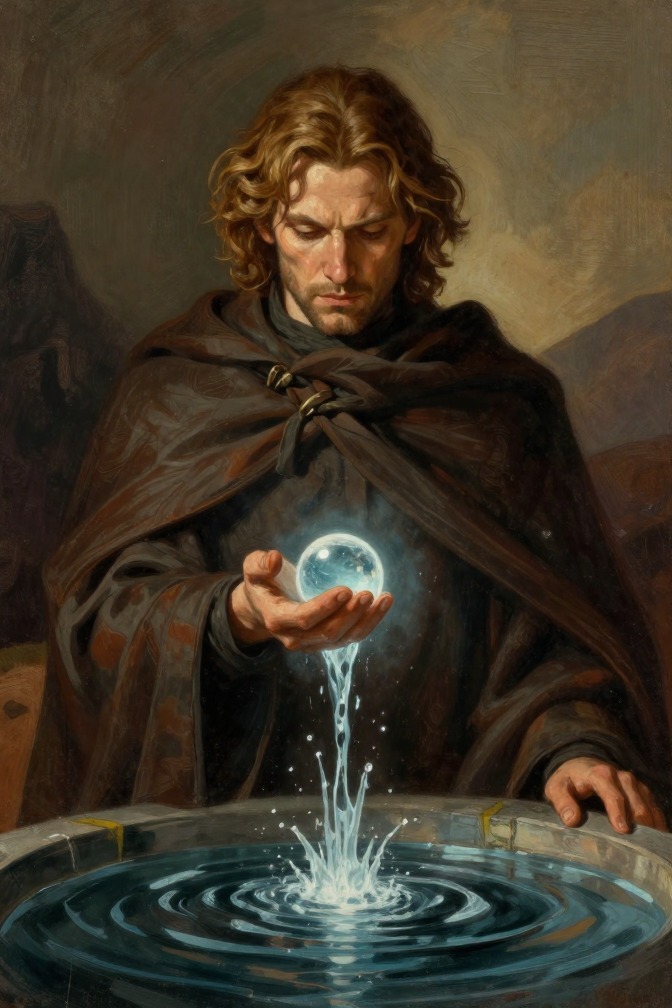
Paul's Water of Life Trial is the pivotal event in Frank Herbert's Dune where Paul Atreides, having fallen into a three-week coma after secretly drinking a single drop of the raw Water of Life, awakens and reveals himself as the Kwisatz Haderach. This trial transforms him from a Fremen leader into a messianic figure, granting him the ability to see the 'Now' and perceive the Guild's hidden dependence on spice, thereby setting the stage for his ultimate confrontation with the Padishah Emperor.
Otheym is a Fedaykin lieutenant and trusted aide to Paul-Muad'Dib, first appearing as a courier who escorts Chani to the Cave of Birds and later as a key figure in the final battle for Arrakis. His loyalty and competence are demonstrated through his role in delivering messages, his presence at critical moments, and his involvement in the climactic confrontation with the Sardaukar.
Staban Tuek is a smuggler leader on Arrakis who, after the fall of House Atreides, offers sanctuary to Gurney Halleck and his surviving men, binding them to his service while navigating the dangers of Harkonnen rule and the Fremen desert.
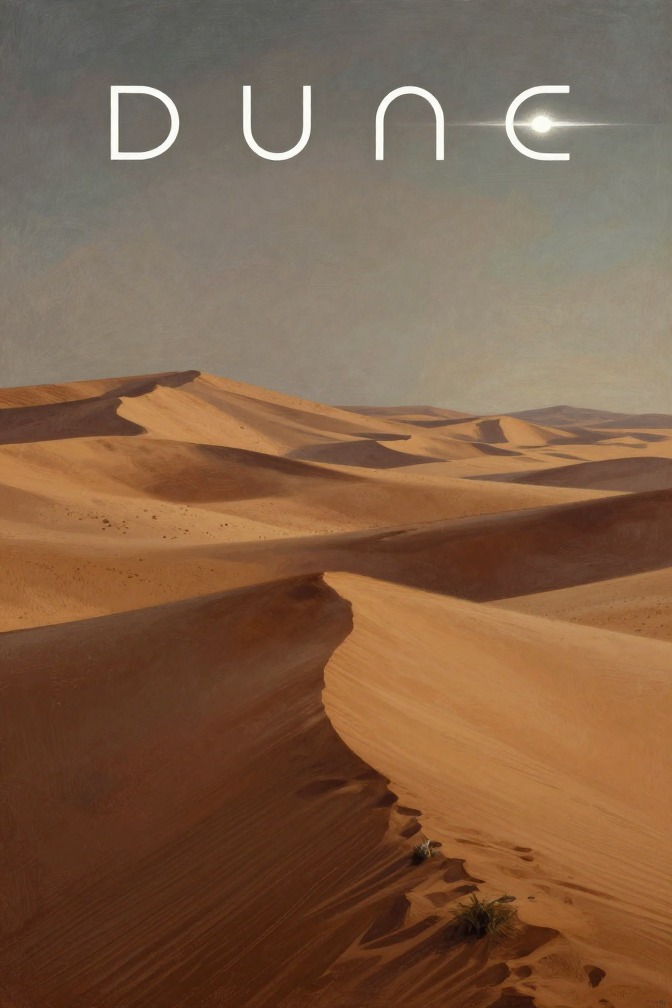
Desert power is a strategic concept introduced by Duke Leto Atreides in Frank Herbert's Dune, denoting the ability to control and exploit the desert environment of Arrakis as a military and political asset. It contrasts with the sea and air power that defined House Atreides' rule on Caladan, and it becomes the cornerstone of Paul Atreides' rise to power as Muad'Dib, enabling the Fremen to overcome the Sardaukar and the Harkonnens. The concept is rooted in the Fremen's mastery of desert survival, their use of sandworms as mounts, and their terraforming project, which together transform Arrakis from a barren wasteland into a strategic stronghold.
Sihaya, meaning "desert spring" in the Fremen language, is the intimate name Paul Atreides gives to Chani, his Fremen companion and the mother of his firstborn son. It is a term of profound personal endearment, distinct from his public titles, and it signifies the hope, fertility, and life-giving sustenance that Chani represents in the harsh desert world of Arrakis. The name carries deep religious and emotional overtones, symbolizing the paradise the Fremen dream of creating and the personal peace Paul finds in his bond with Chani.
Arrakeen is the first settlement and long-time seat of planetary government on the desert planet Arrakis, the city where the House Atreides established its fief and where the final battle of the Arrakis Revolt was decided. It is the political and military heart of the planet, a place of stark contrasts between the opulent Residency and the water-starved populace, and the stage for the rise of Paul-Muad'Dib from fugitive to Emperor.
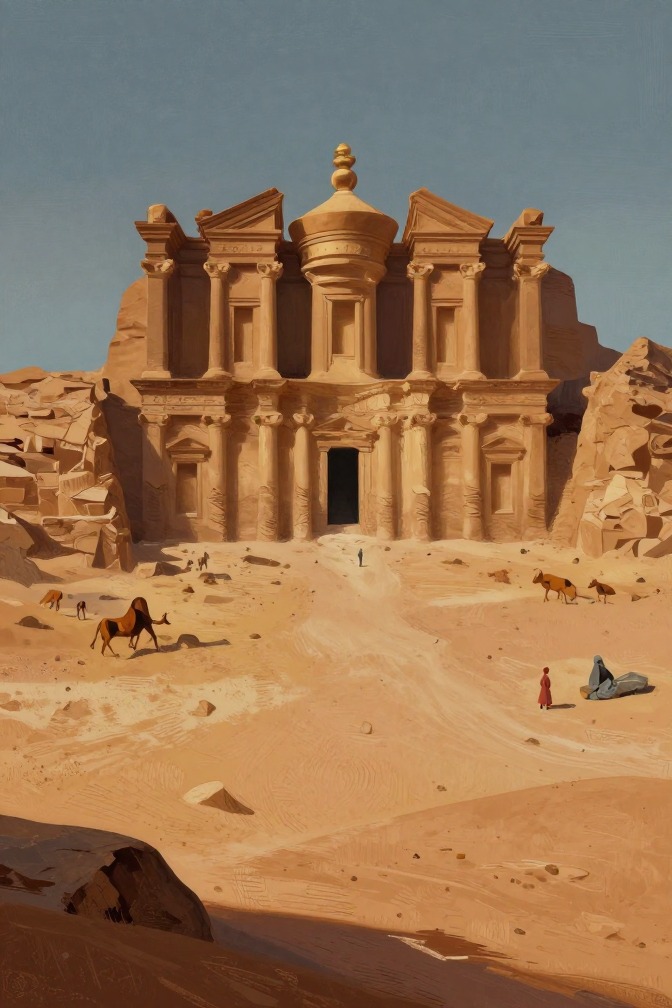
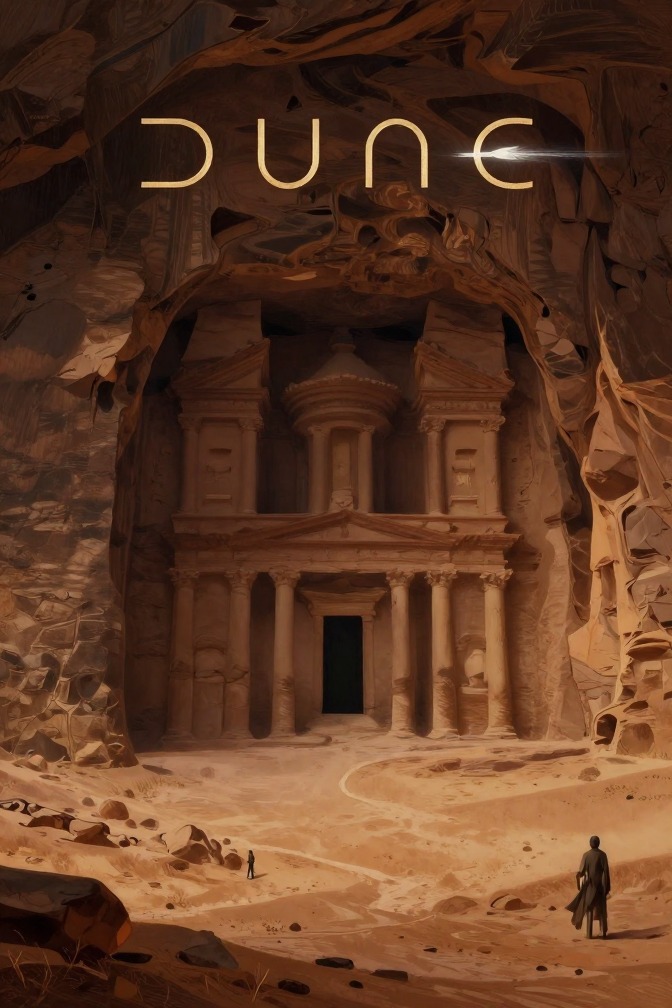
Cave of Birds is a Fremen desert refuge in Frank Herbert's Dune, serving as a critical hideout, command post, and site of pivotal events in Paul Atreides' rise. It is where Paul and Jessica find sanctuary with Stilgar's tribe, where Paul kills Jamis in a ritual duel, and where he later undergoes his sandrider test and the Water of Life trial, cementing his role as Muad'Dib.
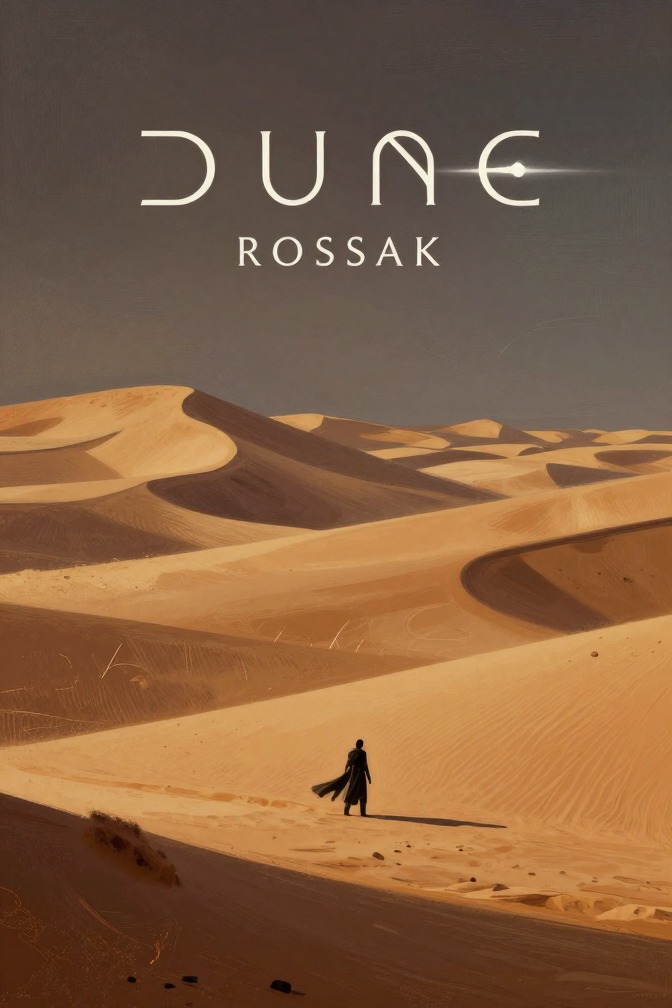
Rossak is the fourth planet of Kuentsing, the fifth stopping place in the forced migration of the Zensunni Wanderers who would become the Fremen of Arrakis. It holds a pivotal place in the history of the Bene Gesserit and the Fremen because it was on Rossak that the discovery of a poison drug first allowed the creation of Reverend Mothers, a transformation that later became central to the Fremen's Water of Life ceremony and to the development of the Bene Gesserit's own internal order.
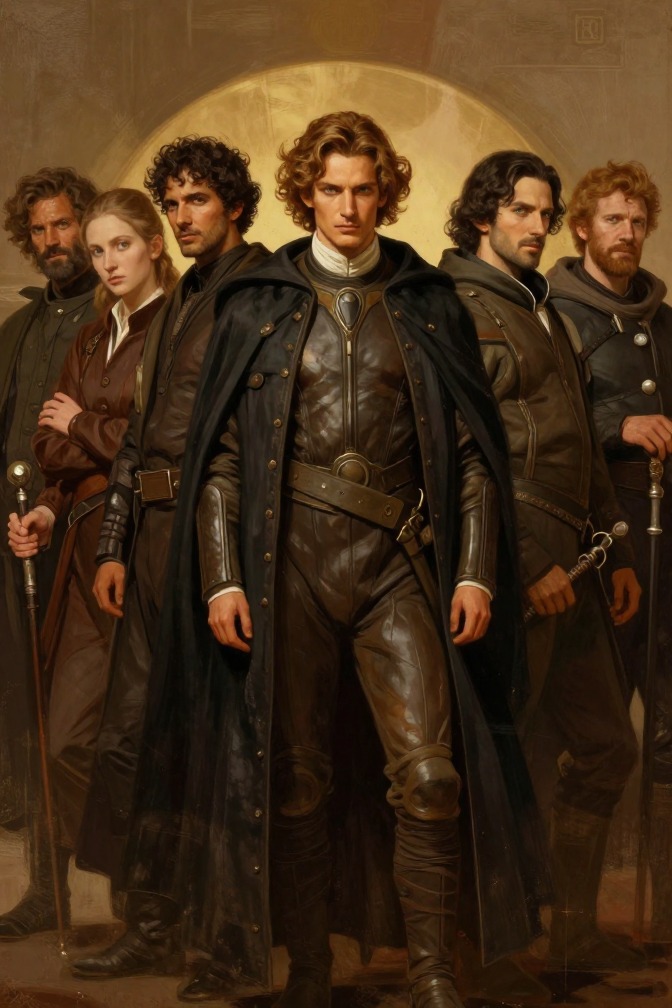
House Atreides is the noble family at the center of Frank Herbert's Dune, a ducal house of Caladan that rises to become the ruling power of Arrakis and, ultimately, the Imperium itself. Its story is one of political maneuvering, betrayal, and survival, culminating in the transformation of its heir, Paul Atreides, into the messianic figure Muad'Dib.
The relationship between Baron Vladimir Harkonnen and his nephew Feyd-Rautha is a central axis of political intrigue in Frank Herbert's Dune, defined by mutual suspicion, calculated manipulation, and a fragile bargain for succession. The Baron sees Feyd-Rautha as a tool to be shaped for his own ambitions, while Feyd-Rautha, trained in the arts of treachery, views his uncle as an obstacle to be overcome. Their dynamic culminates in a tense confrontation where the Baron, having survived an assassination attempt, forces a pact that binds them in a precarious alliance of shared power and unspoken enmity.
Stilgar's fealty to Paul-Muad'Dib marks the pivotal moment when the Fremen leader, bound by the ancient Amtal Rule of challenge and combat, formally submits to the young Atreides duke, transforming a tribal chieftain into a devoted follower and securing the military and spiritual allegiance of the Fremen for Paul's campaign. This oath, sworn in the Cave of Birds before the assembled tribe, is not merely a personal surrender but a strategic and symbolic act that consolidates Paul's authority, averts a destructive leadership contest, and channels the Fremen's martial strength toward the coming war against the Harkonnens and the Padishah Emperor.
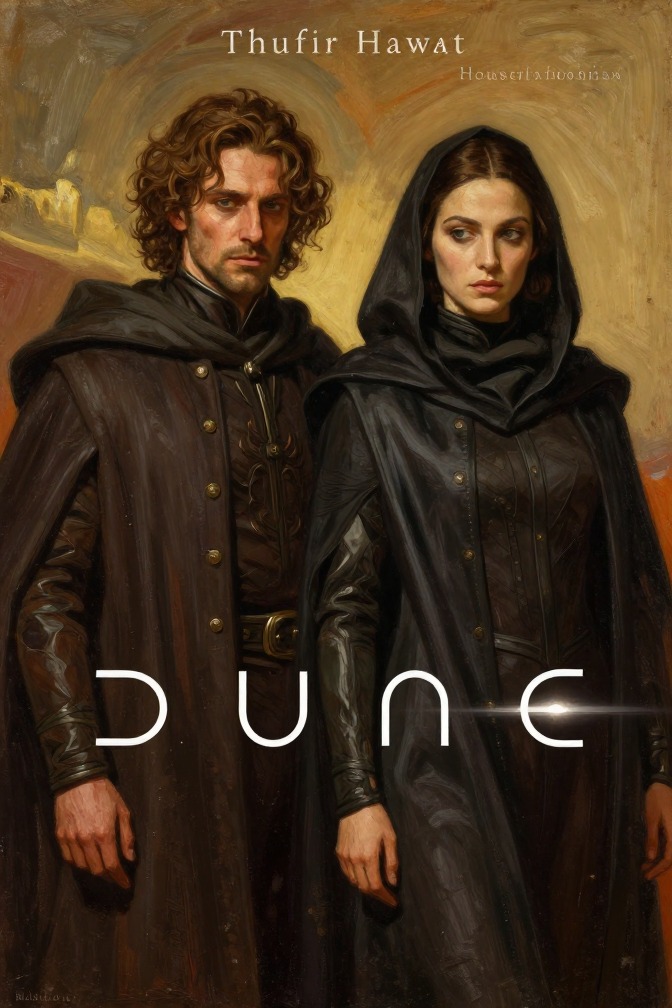
Thufir Hawat and House Harkonnen traces the coerced alliance between the Atreides Master of Assassins and the Baron Vladimir Harkonnen after the fall of House Atreides. Hawat, believing the Lady Jessica betrayed Duke Leto, is captured by Sardaukar and then manipulated by the Baron into serving his family's enemies. The Baron uses a latent poison, administered with a regular antidote, to ensure Hawat's loyalty, while feeding him false information to direct his formidable Mentat abilities against the Emperor. This relationship is a study in coercion, deception, and the calculated use of a brilliant but emotionally compromised mind.
The rule that a crysknife must be sheathed is a sacred Fremen custom on Arrakis, rooted in the belief that the blade is a holy object made from the tooth of Shai-Hulud, the sandworm. This rule governs who may see the knife, how it is handled, and the consequences of defilement, reflecting the Fremen's deep reverence for the desert and their water discipline.
Harkonnen Must Be Ruthless is a core political doctrine of House Harkonnen, articulated by Baron Vladimir Harkonnen as the guiding principle for his nephew Glossu Rabban's rule over Arrakis. The rule demands that a ruler show no mercy, act as a carnivore, and drive the population into utter submission, treating them as slaves envious of their masters. This doctrine is central to the Baron's long-term strategy of squeezing Arrakis for wealth while preparing the planet for the eventual, more benevolent rule of Feyd-Rautha Harkonnen, who would appear as a savior after Rabban's brutal oppression.