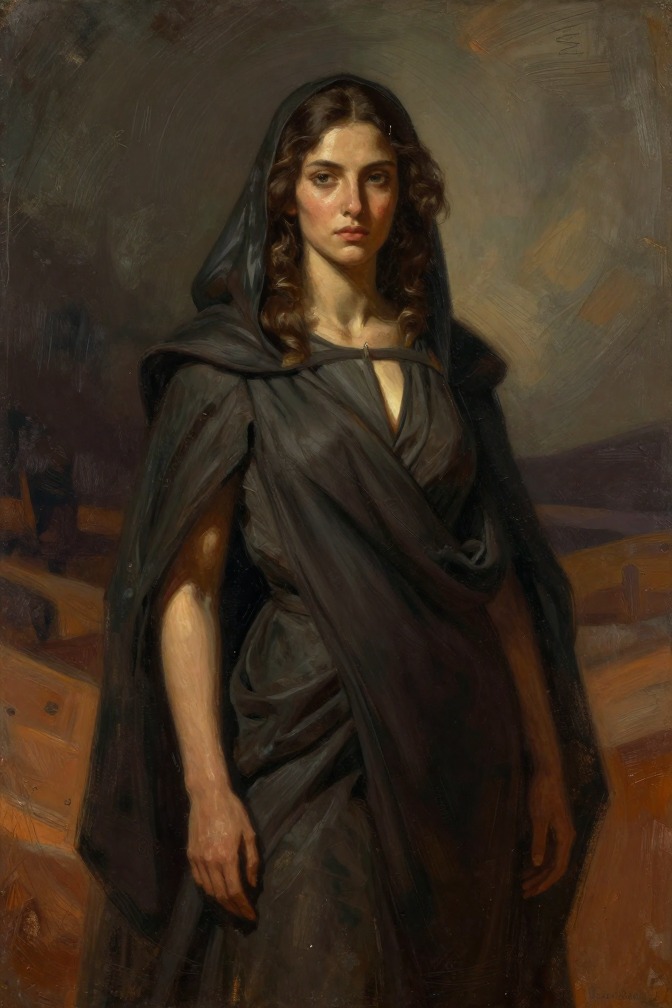
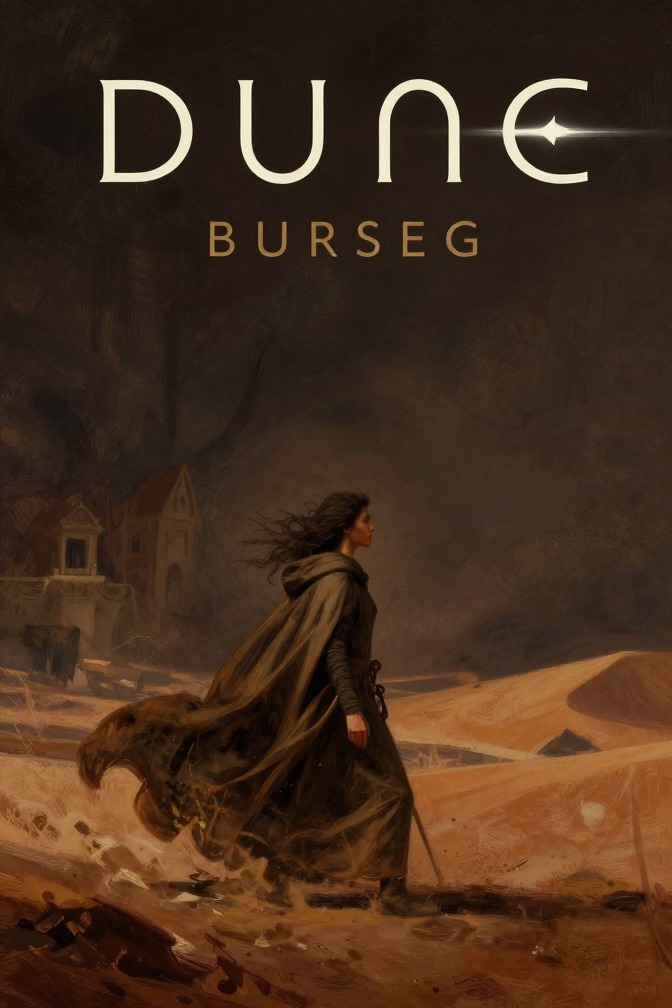
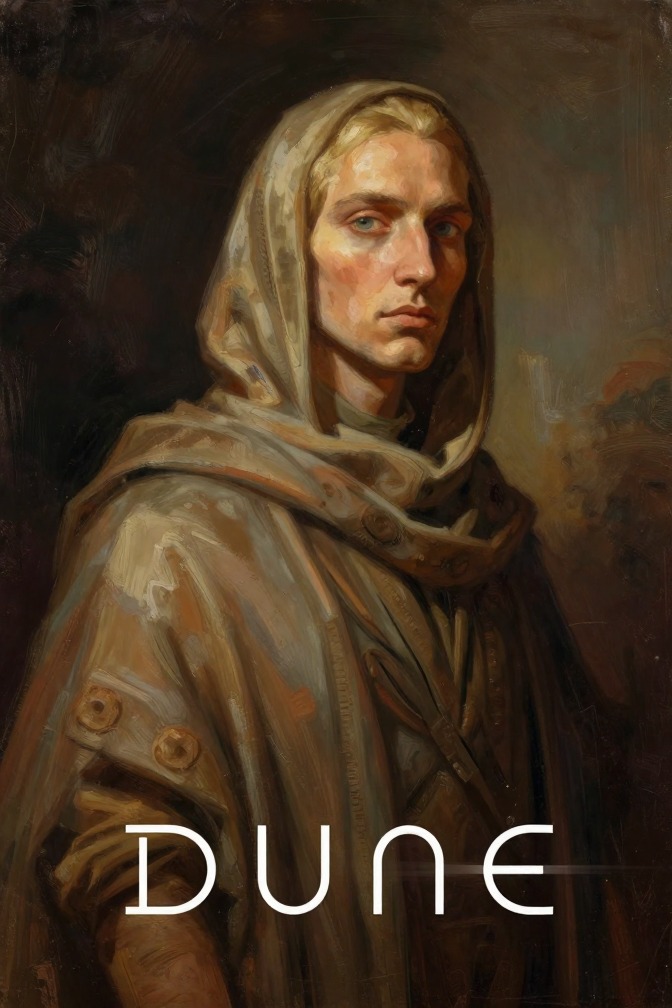
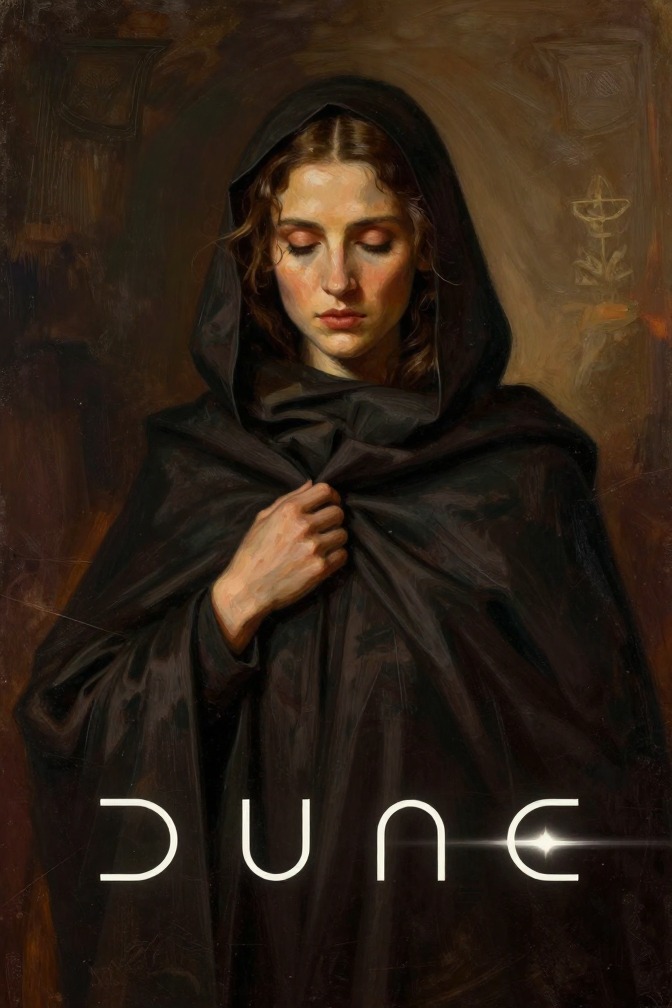
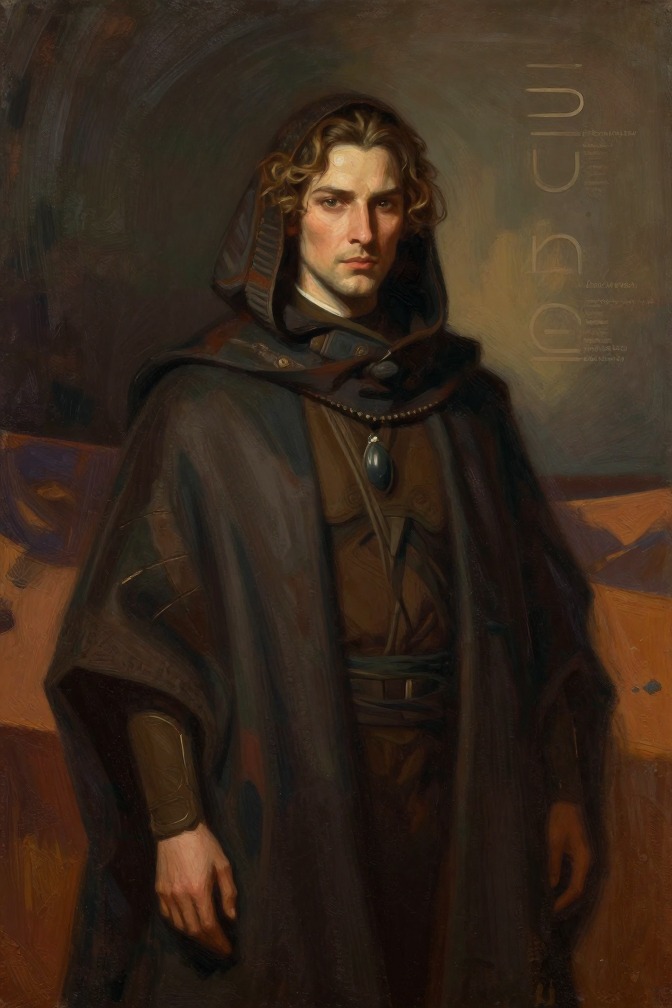
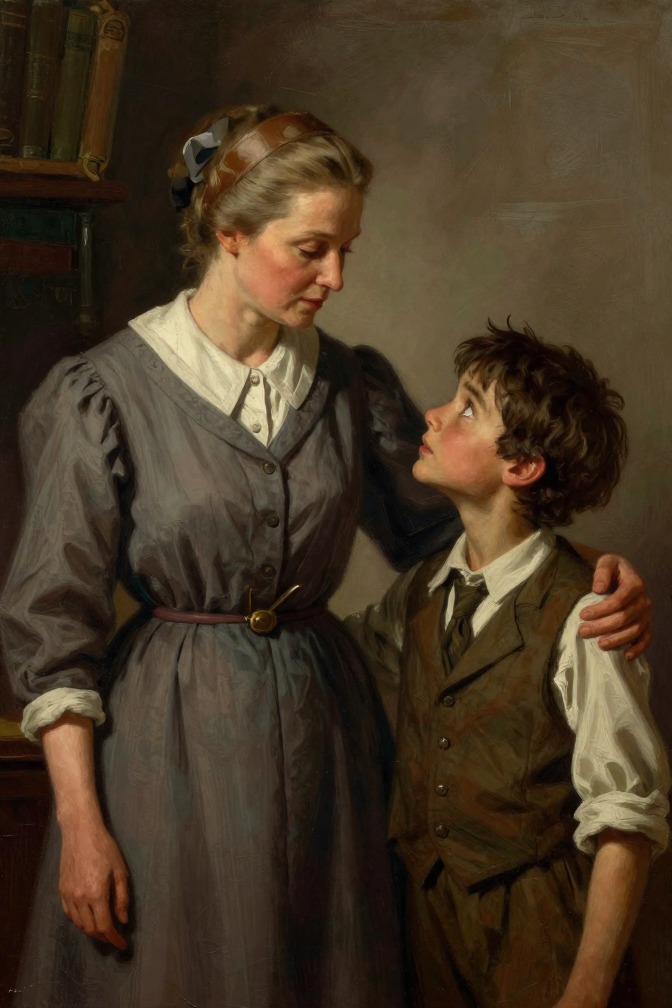
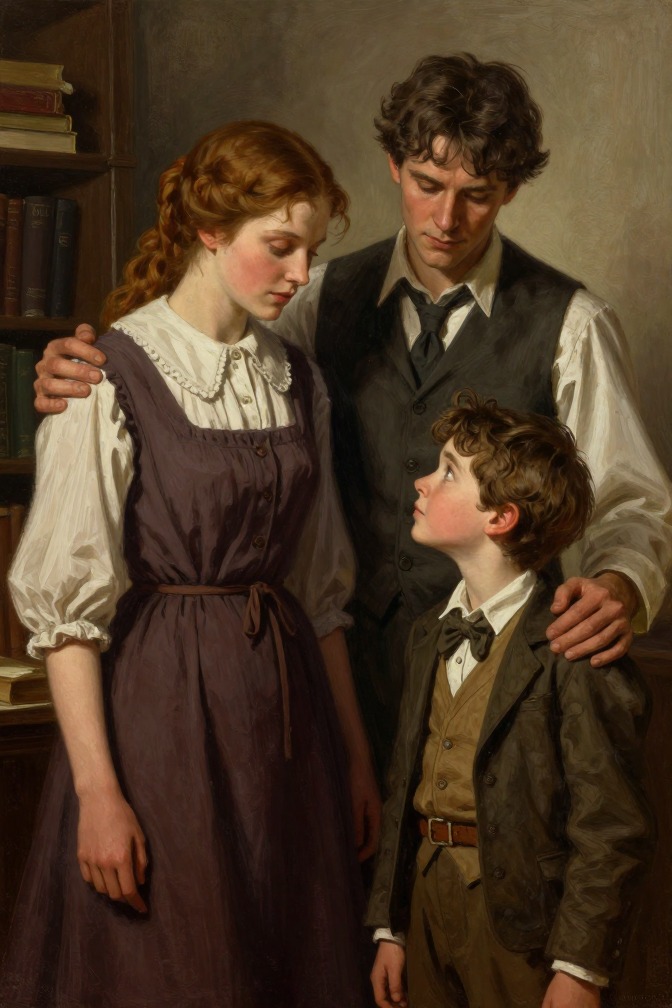
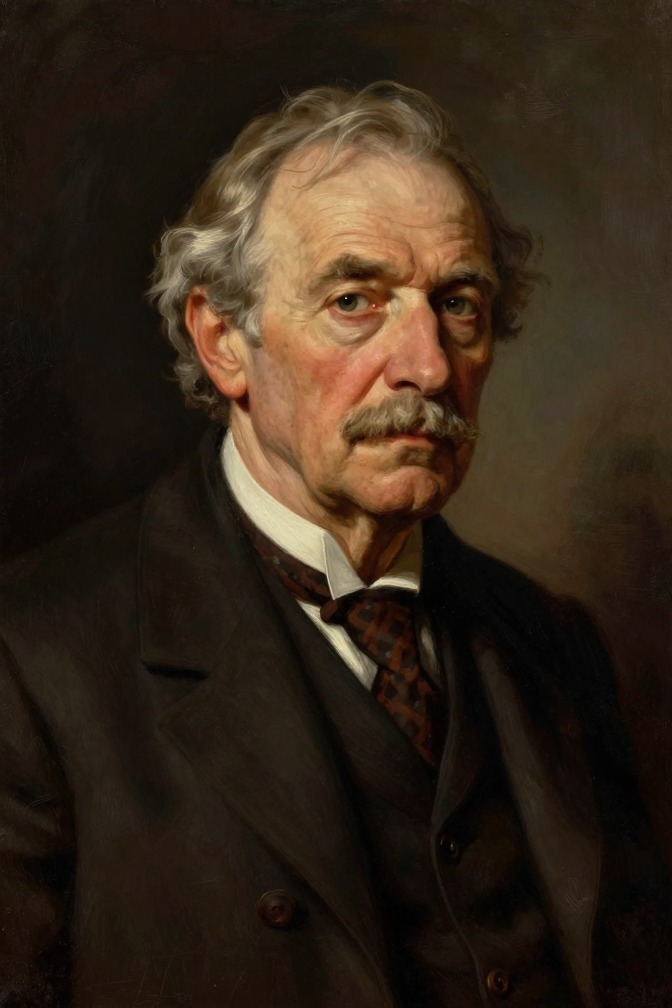
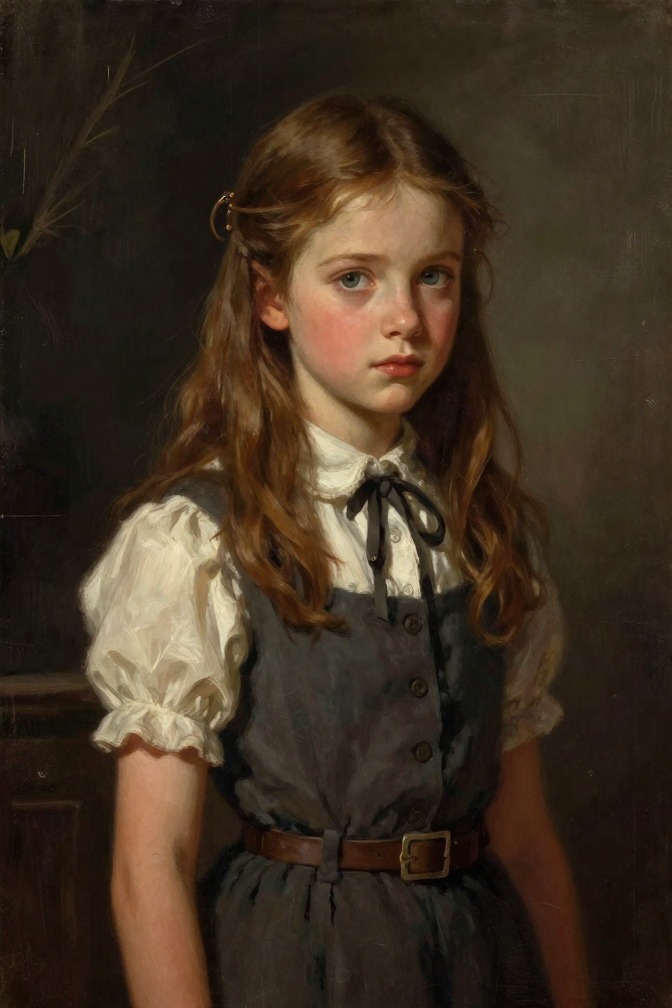
Sihaya, meaning "desert spring" in the Fremen language, is the intimate name Paul Atreides gives to Chani, his Fremen companion and the mother of his firstborn son. It is a term of profound personal endearment, distinct from his public titles, and it signifies the hope, fertility, and life-giving sustenance that Chani represents in the harsh desert world of Arrakis. The name carries deep religious and emotional overtones, symbolizing the paradise the Fremen dream of creating and the personal peace Paul finds in his bond with Chani.
Arrakeen is the first settlement and long-time seat of planetary government on the desert planet Arrakis, the city where the House Atreides established its fief and where the final battle of the Arrakis Revolt was decided. It is the political and military heart of the planet, a place of stark contrasts between the opulent Residency and the water-starved populace, and the stage for the rise of Paul-Muad'Dib from fugitive to Emperor.
Cave of Birds is a Fremen desert refuge in Frank Herbert's Dune, serving as a critical hideout, command post, and site of pivotal events in Paul Atreides' rise. It is where Paul and Jessica find sanctuary with Stilgar's tribe, where Paul kills Jamis in a ritual duel, and where he later undergoes his sandrider test and the Water of Life trial, cementing his role as Muad'Dib.
Rossak is the fourth planet of Kuentsing, the fifth stopping place in the forced migration of the Zensunni Wanderers who would become the Fremen of Arrakis. It holds a pivotal place in the history of the Bene Gesserit and the Fremen because it was on Rossak that the discovery of a poison drug first allowed the creation of Reverend Mothers, a transformation that later became central to the Fremen's Water of Life ceremony and to the development of the Bene Gesserit's own internal order.
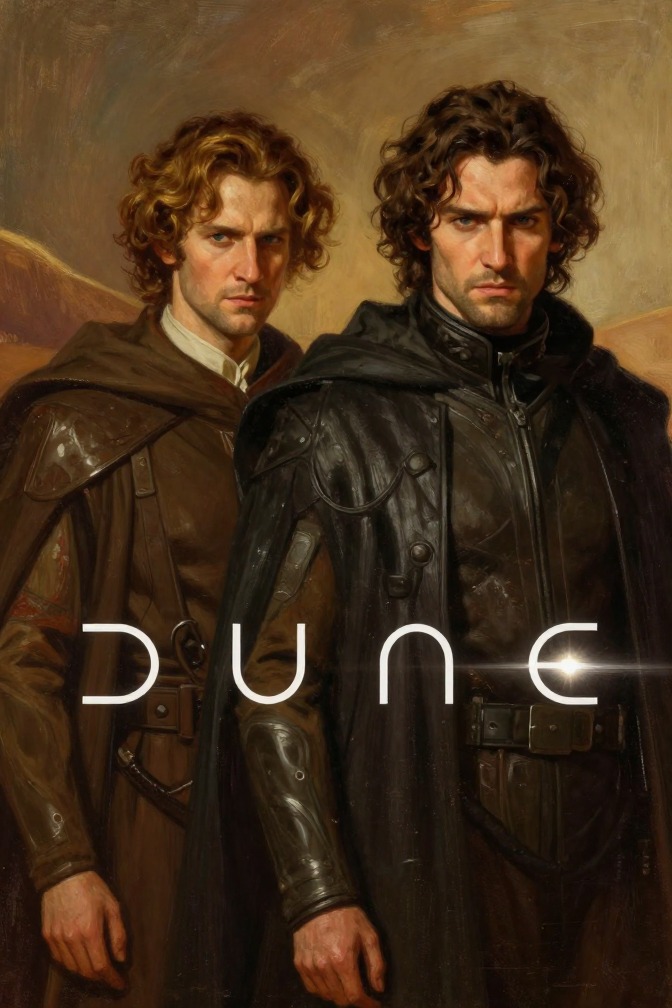
House Atreides is the noble family at the center of Frank Herbert's Dune, a ducal house of Caladan that rises to become the ruling power of Arrakis and, ultimately, the Imperium itself. Its story is one of political maneuvering, betrayal, and survival, culminating in the transformation of its heir, Paul Atreides, into the messianic figure Muad'Dib.
The relationship between Baron Vladimir Harkonnen and his nephew Feyd-Rautha is a central axis of political intrigue in Frank Herbert's Dune, defined by mutual suspicion, calculated manipulation, and a fragile bargain for succession. The Baron sees Feyd-Rautha as a tool to be shaped for his own ambitions, while Feyd-Rautha, trained in the arts of treachery, views his uncle as an obstacle to be overcome. Their dynamic culminates in a tense confrontation where the Baron, having survived an assassination attempt, forces a pact that binds them in a precarious alliance of shared power and unspoken enmity.
Stilgar's fealty to Paul-Muad'Dib marks the pivotal moment when the Fremen leader, bound by the ancient Amtal Rule of challenge and combat, formally submits to the young Atreides duke, transforming a tribal chieftain into a devoted follower and securing the military and spiritual allegiance of the Fremen for Paul's campaign. This oath, sworn in the Cave of Birds before the assembled tribe, is not merely a personal surrender but a strategic and symbolic act that consolidates Paul's authority, averts a destructive leadership contest, and channels the Fremen's martial strength toward the coming war against the Harkonnens and the Padishah Emperor.
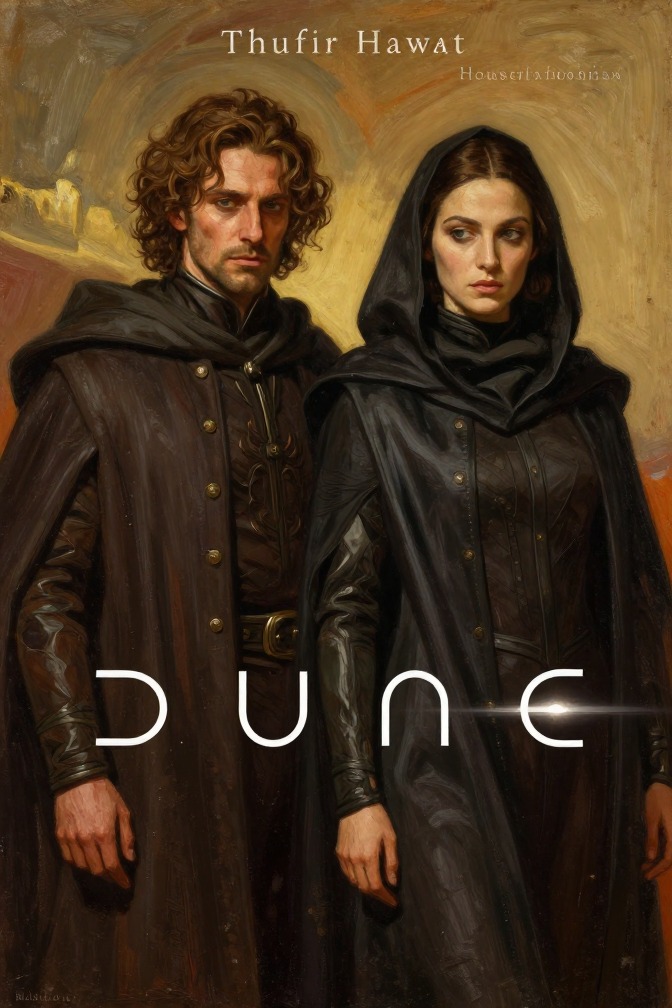
Thufir Hawat and House Harkonnen traces the coerced alliance between the Atreides Master of Assassins and the Baron Vladimir Harkonnen after the fall of House Atreides. Hawat, believing the Lady Jessica betrayed Duke Leto, is captured by Sardaukar and then manipulated by the Baron into serving his family's enemies. The Baron uses a latent poison, administered with a regular antidote, to ensure Hawat's loyalty, while feeding him false information to direct his formidable Mentat abilities against the Emperor. This relationship is a study in coercion, deception, and the calculated use of a brilliant but emotionally compromised mind.
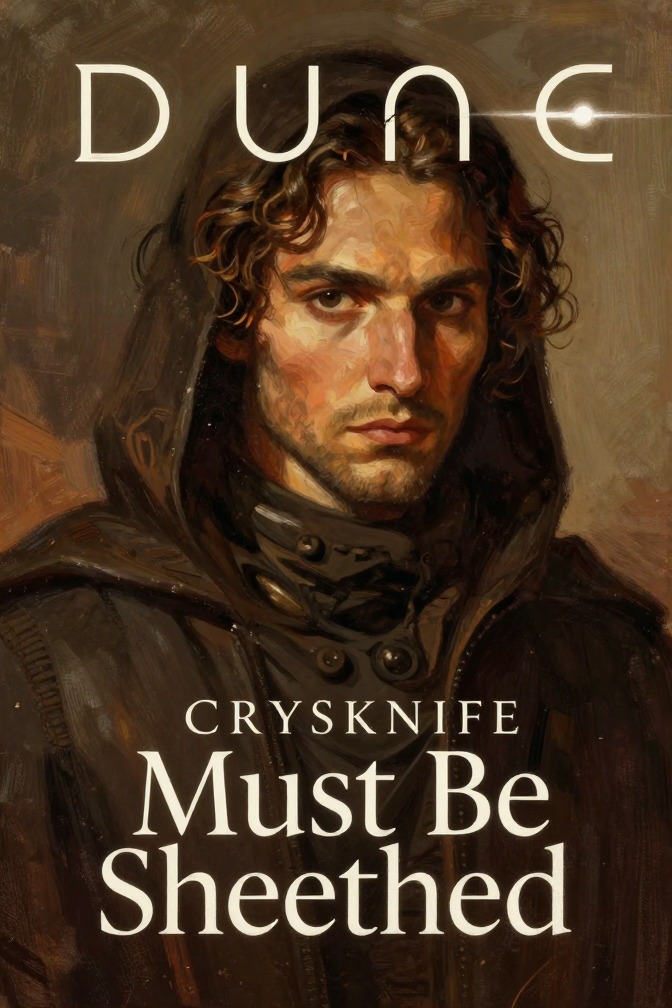
The rule that a crysknife must be sheathed is a sacred Fremen custom on Arrakis, rooted in the belief that the blade is a holy object made from the tooth of Shai-Hulud, the sandworm. This rule governs who may see the knife, how it is handled, and the consequences of defilement, reflecting the Fremen's deep reverence for the desert and their water discipline.
Harkonnen Must Be Ruthless is a core political doctrine of House Harkonnen, articulated by Baron Vladimir Harkonnen as the guiding principle for his nephew Glossu Rabban's rule over Arrakis. The rule demands that a ruler show no mercy, act as a carnivore, and drive the population into utter submission, treating them as slaves envious of their masters. This doctrine is central to the Baron's long-term strategy of squeezing Arrakis for wealth while preparing the planet for the eventual, more benevolent rule of Feyd-Rautha Harkonnen, who would appear as a savior after Rabban's brutal oppression.
Burseg is a high military rank in the Imperium of Frank Herbert's Dune, denoting a commanding general of the Sardaukar, the Padishah Emperor's elite and fanatical soldier-fanatics. The rank is part of the Sardaukar's distinct military hierarchy, which also includes the positions of Bashar, Colonel Bashar, and Caid. The term is first encountered in the novel when the Emperor Shaddam IV, who habitually wears a Sardaukar uniform, is described as wearing a Burseg's black helmet with the Imperial lion in gold upon its crest, a detail that underscores the inseparable link between the Imperial throne and its military might.
The Mentat is a class of highly trained human 'computers' in Frank Herbert's Dune, whose logical abilities are cultivated from infancy to replace the forbidden thinking machines of the Butlerian Jihad. Mentats serve as strategic advisors, assassins, and political operatives, embodying the tension between pure logic and human emotion. Key figures include Thufir Hawat, the Atreides Master of Assassins; Piter de Vries, the twisted Harkonnen Mentat; and Paul Atreides, who discovers his own latent Mentat capabilities.
The Reverend Mother is a central institution and state of being in Frank Herbert's Dune, representing the highest rank within the Bene Gesserit sisterhood. A Reverend Mother is a woman who has survived the ritual ingestion and internal transformation of a deadly poison—most commonly the Water of Life on Arrakis—gaining access to the genetic memories of her female ancestors and acquiring heightened awareness, physical control, and the ability to detect falsehood. The title is also adopted by the Fremen for their own religious leaders who undergo a similar ordeal, and it becomes a crucial element in the power dynamics of the novel, particularly through the characters of the Reverend Mother Gaius Helen Mohiam and Lady Jessica.
Siridar is the Imperial title for a planetary governor in the Imperium of Frank Herbert's Dune, a rank that designates the holder as the supreme military and civil authority over a single planet or fief. The title is central to the political structure of the novel, as it is the formal position through which the Padishah Emperor Shaddam IV grants control of Arrakis to House Atreides, and later, the position that Baron Vladimir Harkonnen holds over his homeworld of Giedi Prime. The term's significance lies in its role as a marker of Imperial power, a source of political maneuvering, and a key to understanding the ambitions and fates of the major noble houses.
Tau is the Fremen concept of communal oneness, a shared psychic and emotional unity within a sietch community, intensified by the spice diet and most fully realized in the tau orgy induced by drinking the Water of Life. It represents the collective identity and mutual awareness that bind the Fremen together, distinguishing them from isolated individuals and serving as a foundation for their society and, ultimately, for Muad'Dib's rise to power.
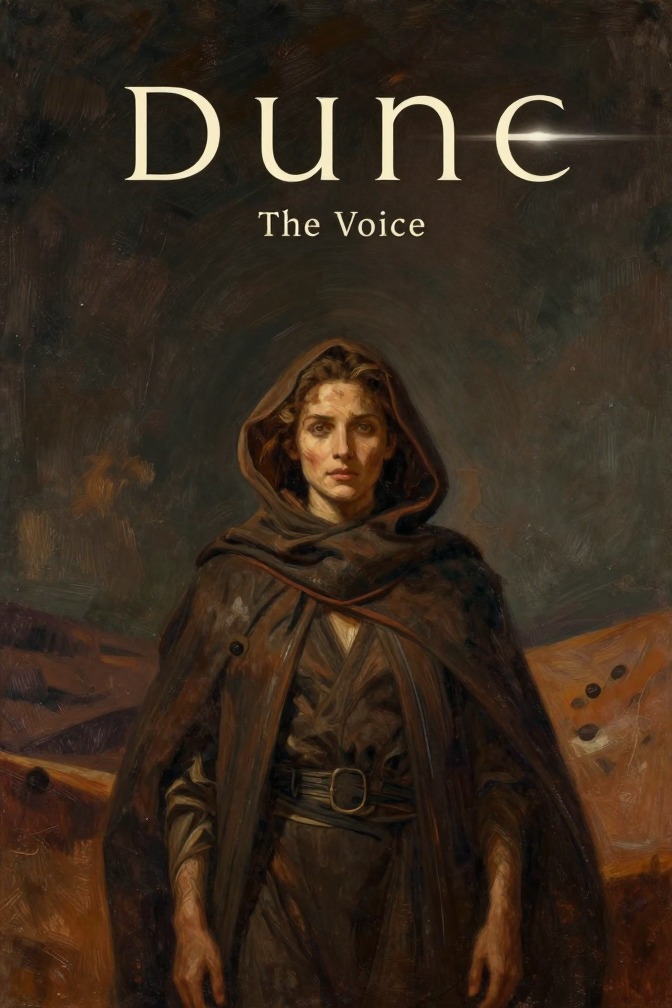
The Voice is a Bene Gesserit technique of vocal control that allows an adept to command others through selected tone shadings, making the spoken word itself an instrument of power. It is first demonstrated on Paul Atreides by the Reverend Mother Gaius Helen Mohiam, who uses it to compel his obedience during the gom jabbar test, and later becomes a crucial tool for Paul and his mother, Lady Jessica, as they navigate the dangers of Arrakis. The Voice represents the Bene Gesserit's ability to exert influence through subtle, almost supernatural means, and its use and limitations are central to the novel's exploration of power, control, and the nature of command.
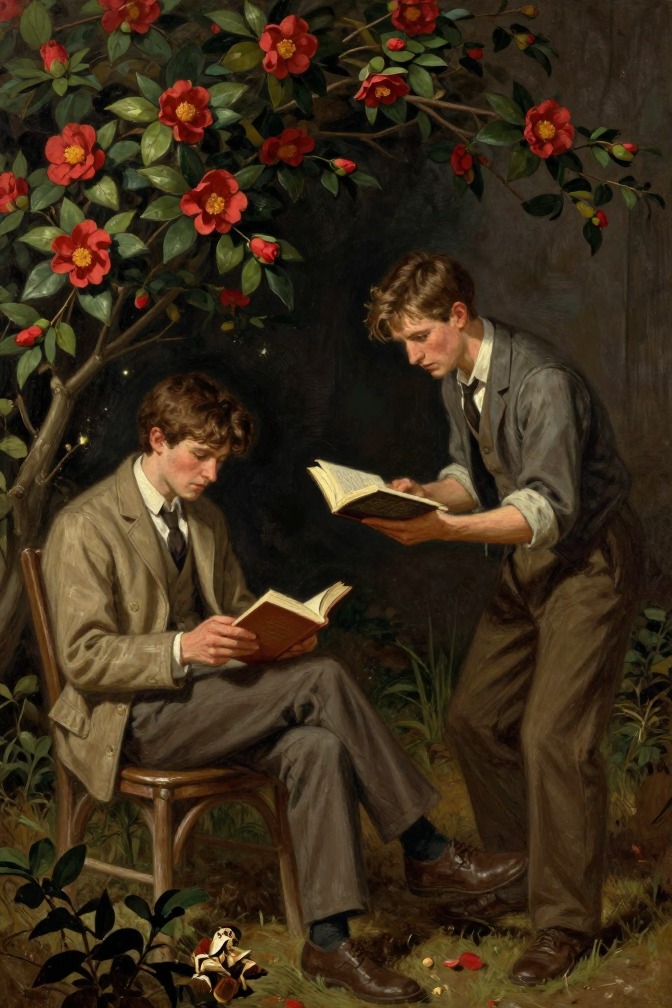
Jem Finch's destruction of Mrs. Henry Lafayette Dubose's camellias and his subsequent punishment of reading to her for a month is a pivotal event that forces him to confront the nature of real courage, as Mrs. Dubose battles her morphine addiction and dies free.
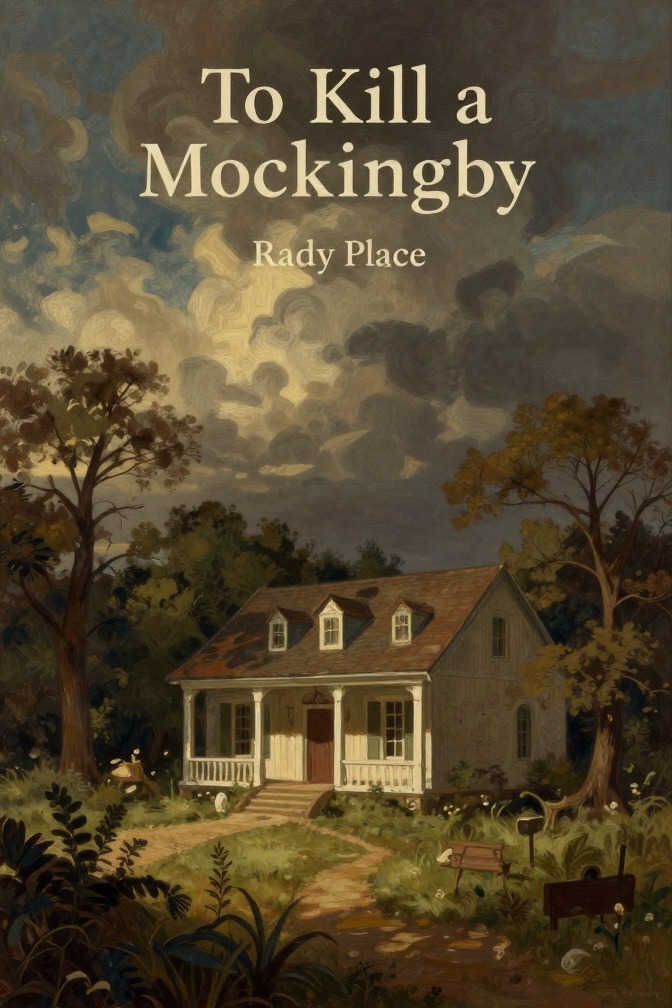
The Radley Place is the decaying, shuttered house on the corner of the Finch family's street in Maycomb, Alabama, whose reclusive occupant, Boo Radley, becomes the central object of the children's fascination and, ultimately, their secret protector. The house functions as the novel's primary Gothic space, a site of neighborhood legend, childhood terror, and hidden kindness that forces the Finch children to confront the gap between public rumor and private reality.
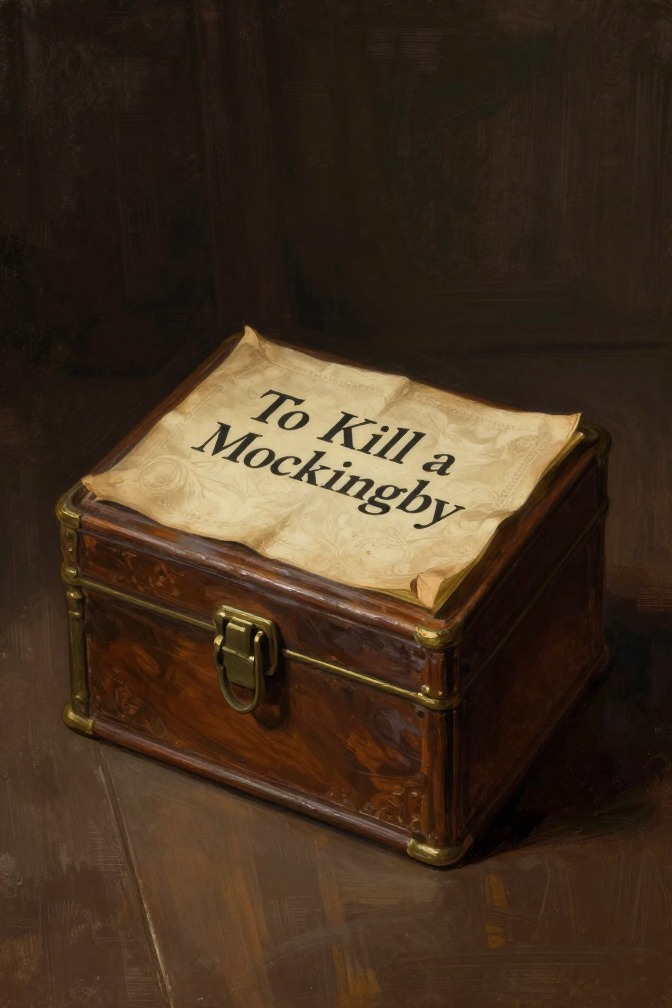
The candy box is a small, seemingly ordinary object that becomes the final, powerful symbol of Mrs. Henry Lafayette Dubose's moral victory and her complex, posthumous relationship with Jem Finch. Delivered by Atticus Finch on the night of her death, the box contains a perfect white Snow-on-the-Mountain camellia, a gift that transforms Jem's understanding of courage and redefines the legacy of a woman he had only known as a vicious neighbor.
Calpurnia and Zeebo are mother and son, a relationship that reveals Calpurnia's hidden life as a literate woman who taught her son to read using Blackstone's Commentaries, and that anchors the Finch children's first direct encounter with the segregated Black community of Maycomb.
Miss Rachel and Dill Harris (caretaker and child) is a relationship of informal, seasonal guardianship that provides Dill with a stable summer home in Maycomb while his own family passes him between relatives, and that gives Scout and Jem a crucial playmate and co-conspirator in their childhood adventures.
Miss Rachel and the Finch family are next-door neighbors in Maycomb, a relationship defined by proximity, routine, and the shared life of the street. Miss Rachel is the guardian of Dill Harris, Scout's childhood friend and fiancé, and her house serves as a familiar landmark and a boundary for the Finch children's adventures. The relationship is cordial but not intimate, marked by neighborly exchanges, mutual observation, and the quiet interdependence of a small Southern town.
Atticus Finch's old age appearance is a defining feature of his character in the eyes of his children, Scout and Jem, who initially perceive his advanced age and physical limitations as a source of embarrassment and a marker of his perceived feebleness, a perception that is gradually challenged and reshaped by his actions and the revelations of his hidden talents.
Scout's Tomboyhood is a defining trait of Jean Louise Finch in To Kill a Mockingbird, marking her resistance to the rigid gender expectations of 1930s Maycomb and serving as a central axis of conflict between her own nature and the social pressures, especially from Aunt Alexandra, to conform to ladylike behavior.
Tom Robinson's imprisonment is the central legal and moral crisis of the novel, a state that exposes the deep-seated racial injustice of Maycomb and sets the stage for Atticus Finch's defining act of conscience. The accusation, arrest, and jailing of Tom Robinson, a Black man falsely charged with raping a white woman, transforms the Finch family's summer and forces the town to confront its own prejudices.
The Eyes are the secret police of the Republic of Gilead, an omnipresent intelligence and enforcement apparatus that operates through surveillance, informants, and sudden, brutal abductions. They embody the regime's totalitarian reach, turning every citizen into a potential suspect and every interaction into a test of loyalty.
The Handmaids are the central female figures in the Republic of Gilead, a class of women reduced to their reproductive function and subjected to a regime of total control over their bodies, movements, and identities. They are defined by their red dress and white wings, which mark them as vessels for procreation and simultaneously render them anonymous and invisible. Their collective experience, from the indoctrination at the Rachel and Leah Re-education Center to the daily rituals of shopping, the Ceremony, and the Salvagings, forms the core of the novel's exploration of systemic oppression, survival, and the fragile persistence of individual will.
The Marthas are the class of domestic servants in Gilead, identified by their dull green dresses and assigned to the households of Commanders to perform cooking, cleaning, and other menial labor. They occupy a liminal position in the social hierarchy: neither as privileged as the Wives nor as sexually exploited as the Handmaids, yet subject to the same strictures of surveillance and deprivation. Through their gossip, their grudging cooperation, and their small acts of defiance, the Marthas form a vital but often invisible network of information and resistance within the regime's domestic spaces.
Offred is the narrator and protagonist of The Handmaid's Tale, a Handmaid in the Republic of Gilead whose real name is forbidden and whose identity has been reduced to her reproductive function. Her first-person account, recorded on cassette tapes after her escape, constitutes the entire novel and provides the reader with the only direct, sustained view of the inner workings of Gilead's regime from the perspective of a woman forced into sexual servitude. Through her memory, her observations, and her secret acts of resistance, Offred becomes the vessel through which the story of Gilead is told, and her fate remains deliberately unresolved.
The Salvaging is a public execution ceremony in Gilead, held for women only, in which condemned prisoners are hanged on a stage before an audience of Handmaids, Wives, Marthas, and Econowives. It functions as a tool of state terror and social control, forcing the female population to witness and participate in the regime's violence, and it culminates in a Particicution, a ritualized mob killing that channels collective rage into sanctioned brutality.