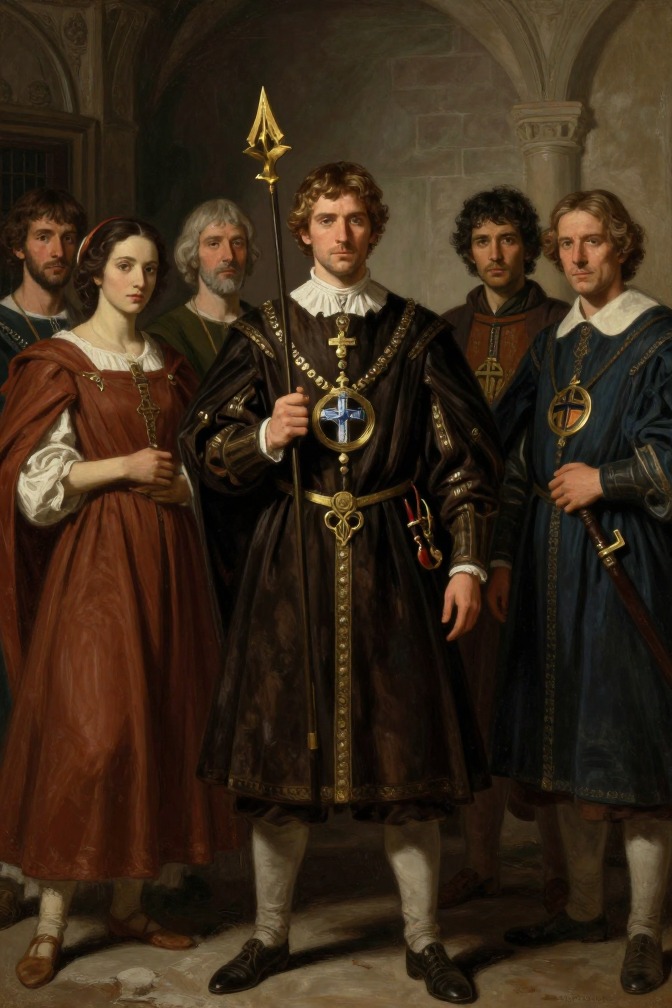
The Order of Malta, also known as the Knights of Malta or the Sovereign Military Order of Malta, is a chivalric and religious order that appears in Alexandre Dumas's The Count of Monte Cristo as a marker of aristocratic prestige and a symbol of the highest social honor. Its mention in the novel serves to underscore the Count of Monte Cristo's extraordinary social standing and the immense respect he commands, as well as to highlight the contrast between his own self-made, mysterious nobility and the more traditional, hereditary titles of the Parisian aristocracy.
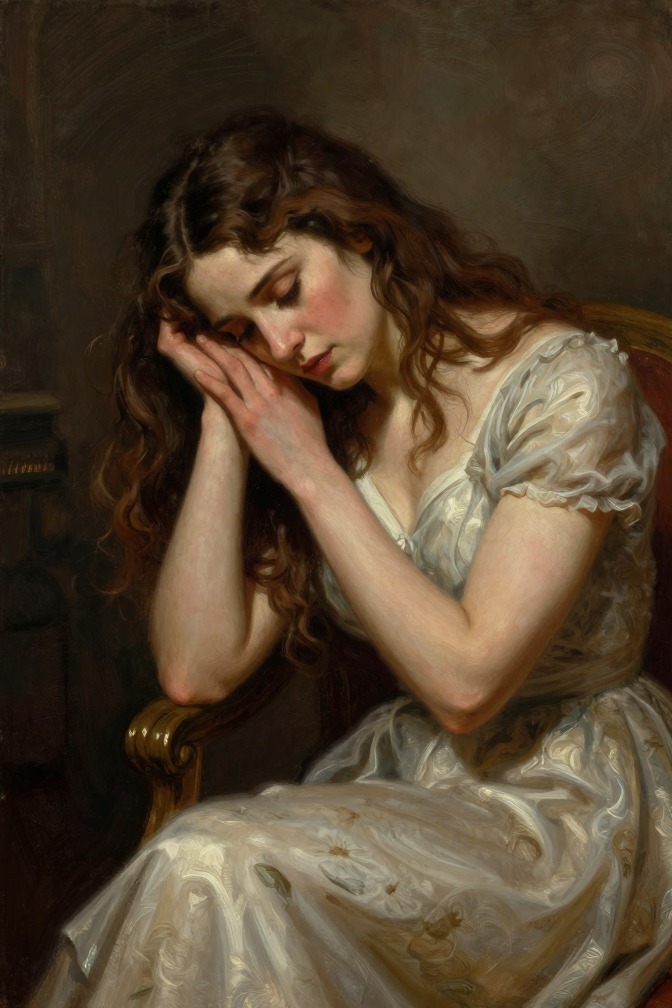
The Despair of Mercedes is a persistent emotional state of profound grief, guilt, and resignation experienced by Mercedes (the Countess of Morcerf) following the revelation of her husband Fernand Mondego's treachery, the collapse of her family's honor, and her son Albert's departure for Africa. This state is characterized by her self-blame for past cowardice, her recognition of the irreparable loss of her former love Edmond Dantes, and her final withdrawal into a life of solitary prayer in Marseilles, where she accepts her suffering as a deserved punishment.
The wealth of the Count of Monte Cristo is the immense fortune that Edmond Dantes acquires after escaping from the Chateau d'If, which he uses as the primary instrument of his elaborate revenge against those who wronged him. Originating from the legendary treasure of Cardinal Spada, hidden on the island of Monte Cristo, this virtually limitless wealth allows Dantes to reinvent himself as the mysterious and powerful count, manipulating Parisian society, rewarding his friends, and systematically ruining his enemies.
Catherine Bennet, called Kitty, is the fourth of the five Bennet sisters, a weak-willed and impressionable young woman who, throughout the novel, is dominated by her younger sister Lydia and gradually matures after Lydia's marriage removes her harmful influence.
Charles Bingley is a wealthy, good-natured young gentleman whose arrival at Netherfield Park sets the novel's marriage plot in motion; his easy temper, genuine affection for Jane Bennet, and susceptibility to the influence of his friend Fitzwilliam Darcy make him a pivotal figure in both the romance and the social dynamics of the story.
Georgiana Darcy, the younger sister of Fitzwilliam Darcy, is a shy, gentle, and accomplished young woman whose near-elopement with George Wickham forms a crucial secret in the novel, and whose eventual warm sisterly bond with Elizabeth Bennet symbolizes the full integration of Darcy's world with Elizabeth's.
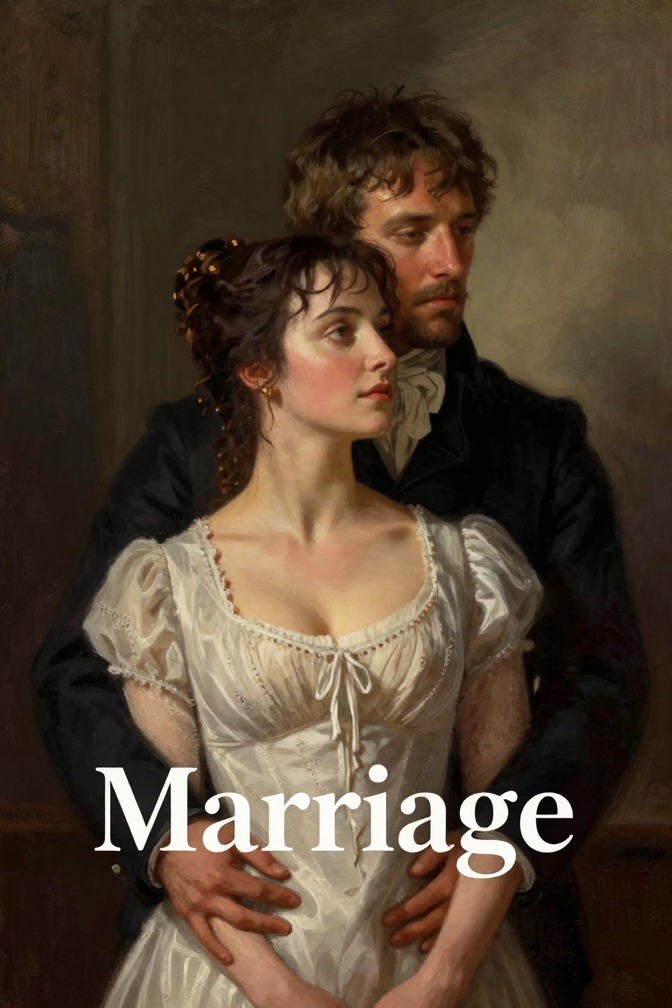
Marriage is the central social institution and narrative engine of Pride and Prejudice, functioning simultaneously as an economic necessity for women, a site of personal fulfillment, and a mechanism of class mobility. The novel systematically examines marriage through a spectrum of unions—from the prudent compromise of Charlotte Lucas and Mr. Collins to the passionate imprudence of Lydia Bennet and George Wickham, and finally to the ideal balance of affection and respect achieved by Elizabeth Bennet and Fitzwilliam Darcy—revealing the complex interplay of love, money, family, and social standing that governed matrimonial choice in Regency England.
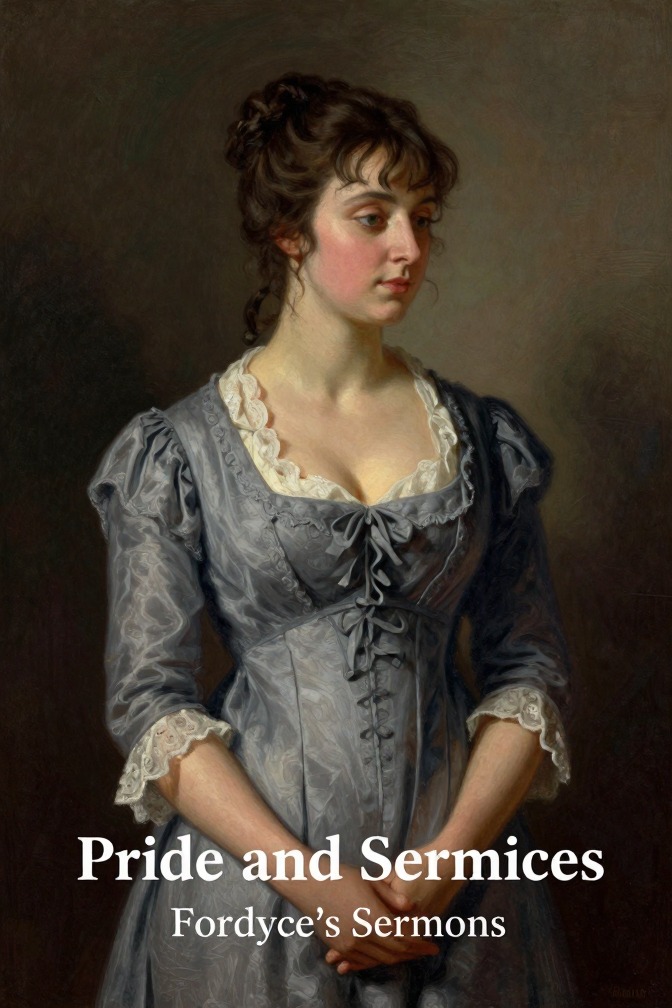
Fordyce's Sermons is a volume of moral and religious instruction that Mr. Collins attempts to read aloud to the Bennet family during his first visit to Longbourn, only to be interrupted by Lydia Bennet, an incident that exposes the absurdity of his character and the family's disregard for solemn didacticism.
Baron Vordenburg is the eccentric scholar whose arcane knowledge of vampirism leads directly to the discovery of Mircalla Countess Karnstein's long-concealed tomb and the final destruction of the vampire Carmilla. A descendant of the nobleman who originally hid the grave out of love, the Baron embodies the fusion of obsessive antiquarian research and personal ancestral guilt that resolves the novel's central mystery.
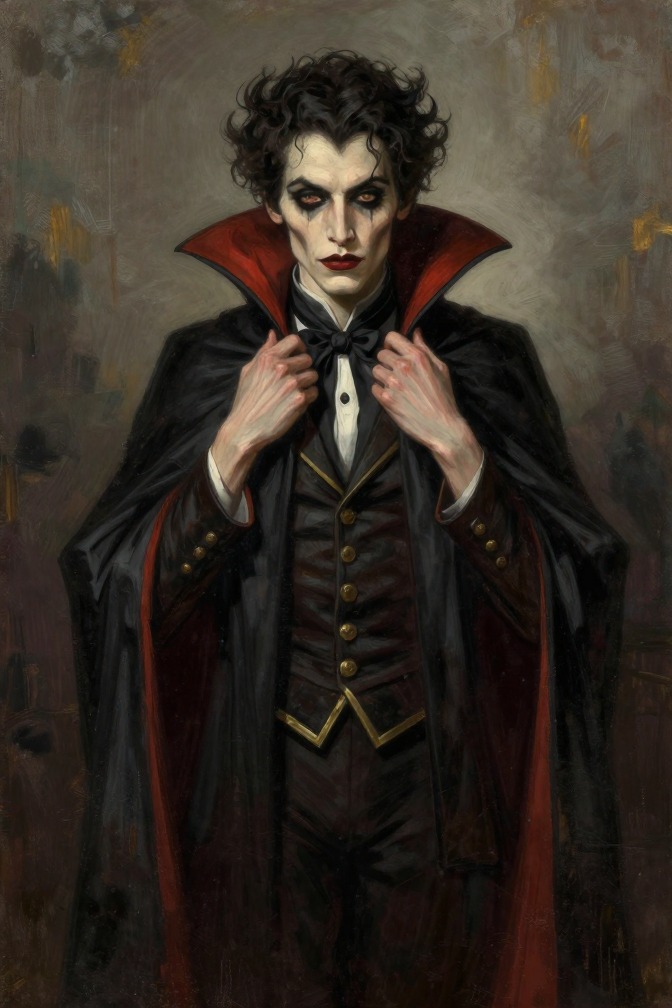
The vampire in Sheridan Le Fanu's *Carmilla* is a supernatural predator that sustains its existence by draining the blood of living victims, combining an alluring, passionate demeanor with a monstrous, parasitic nature. The narrative presents the vampire as a real, physically embodied entity, supported by legal testimony and scientific observation, while also exploring its seductive and psychological hold over its prey.
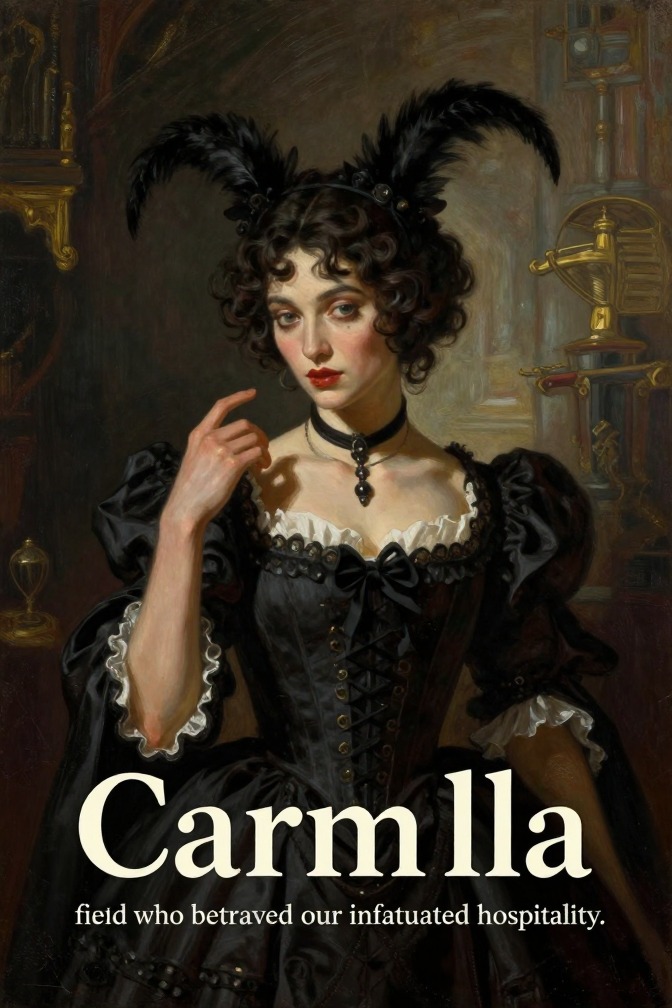
In Sheridan Le Fanu's Carmilla, the phrase 'the fiend who betrayed our infatuated hospitality' is General Spielsdorf's anguished accusation in his letter to Laura's father, condemning the vampire Carmilla (under the alias Millarca) for exploiting his trust and killing his ward Bertha Rheinfeldt. The expression crystallizes the story's central horror: a predatory monster who enters the home as a welcome guest and destroys the family from within, using the very bonds of hospitality as her weapon.
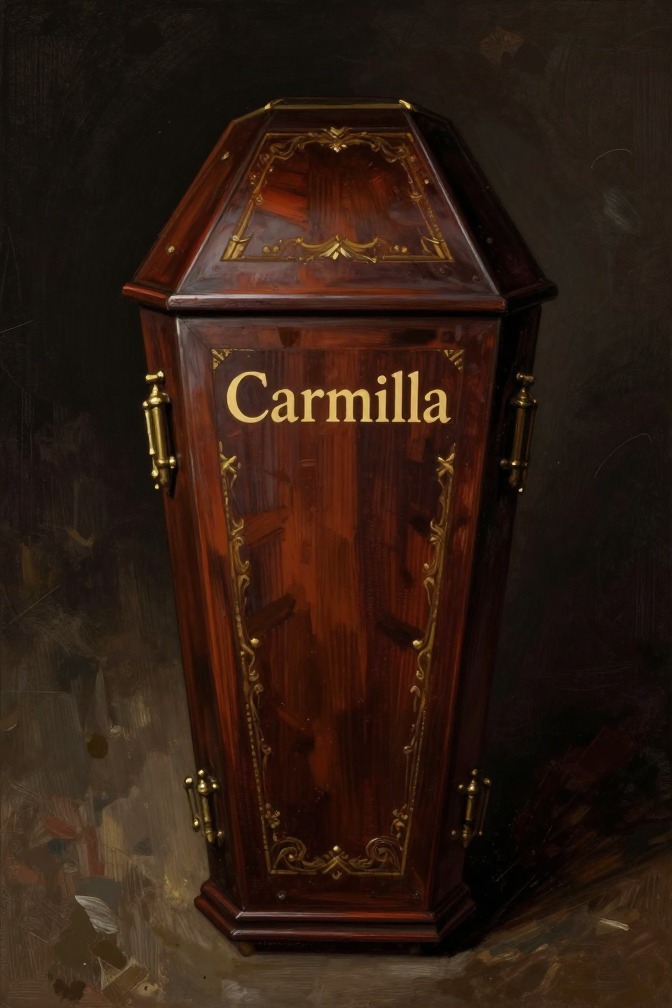
The leaden coffin of Mircalla, Countess Karnstein, is the physical container that, when opened during the formal exhumation, provides the definitive material proof of vampirism, revealing a body that appears unnaturally alive after a century and a half and containing a depth of blood that confirms the supernatural nature of the threat.
The former lover relationship between Baron Vordenburg's ancestor and Mircalla, Countess Karnstein, is a crucial backstory that explains how the vampire's tomb was concealed for over a century and ultimately rediscovered, revealing a tragic romance that shaped the novel's resolution.
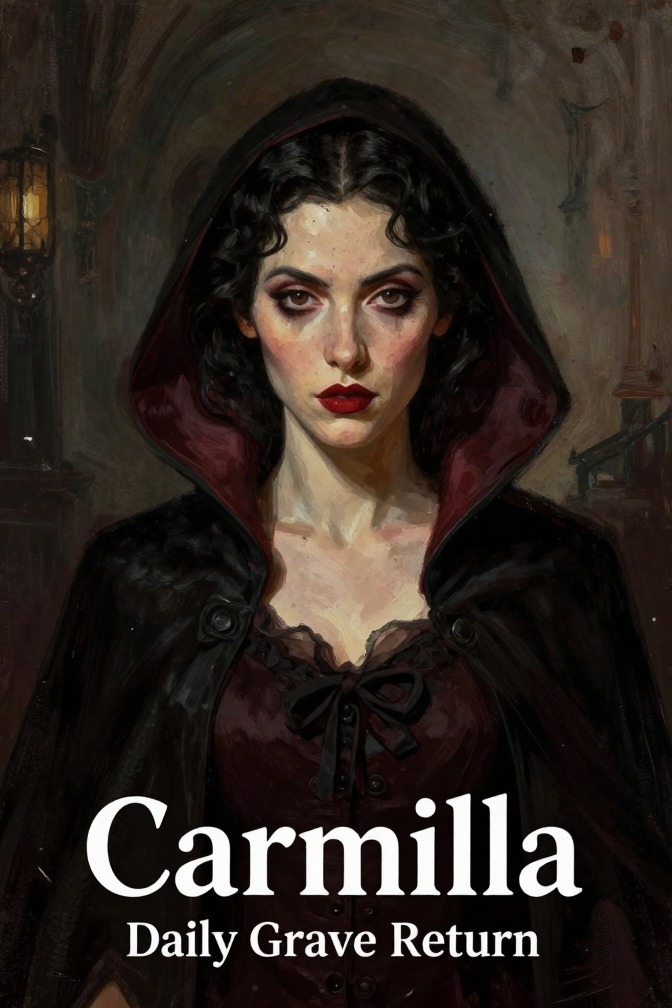
The Vampire Daily Grave Return is a defining rule of vampirism in Sheridan Le Fanu's Carmilla, describing the creature's amphibious existence: it must return to its grave each day to renew its slumber, sustaining its waking life through a nightly lust for blood.
The geese of Animal Farm are a minor but recurring presence, appearing in several key events: they participate in the Battle of the Cowshed as a skirmishing force, one goose confesses to theft during the Purge, and they are among the animals that work on the windmill and suffer hunger during the winter shortages.
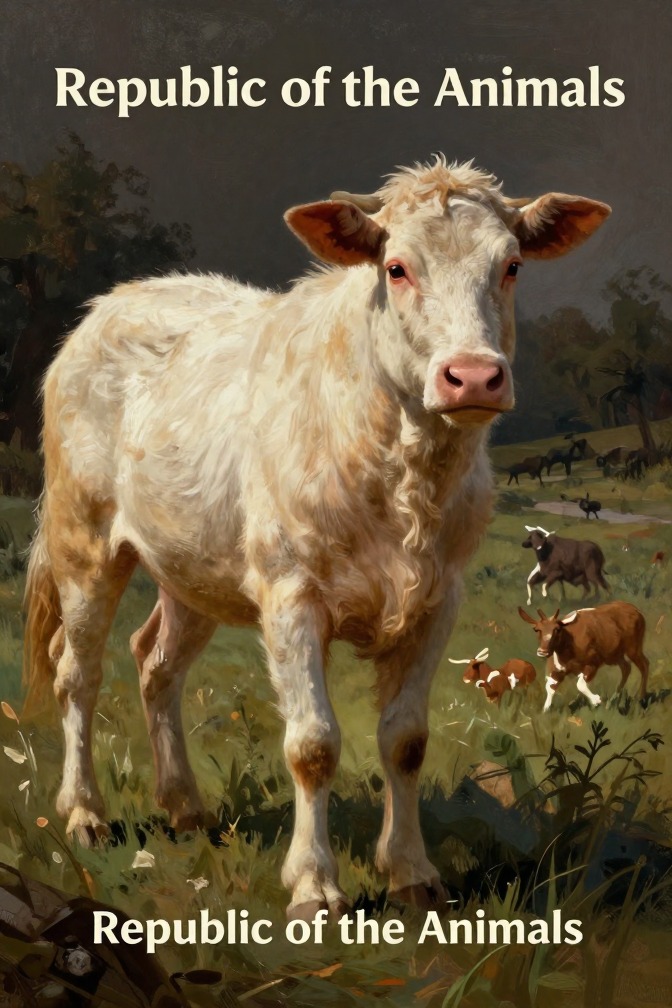
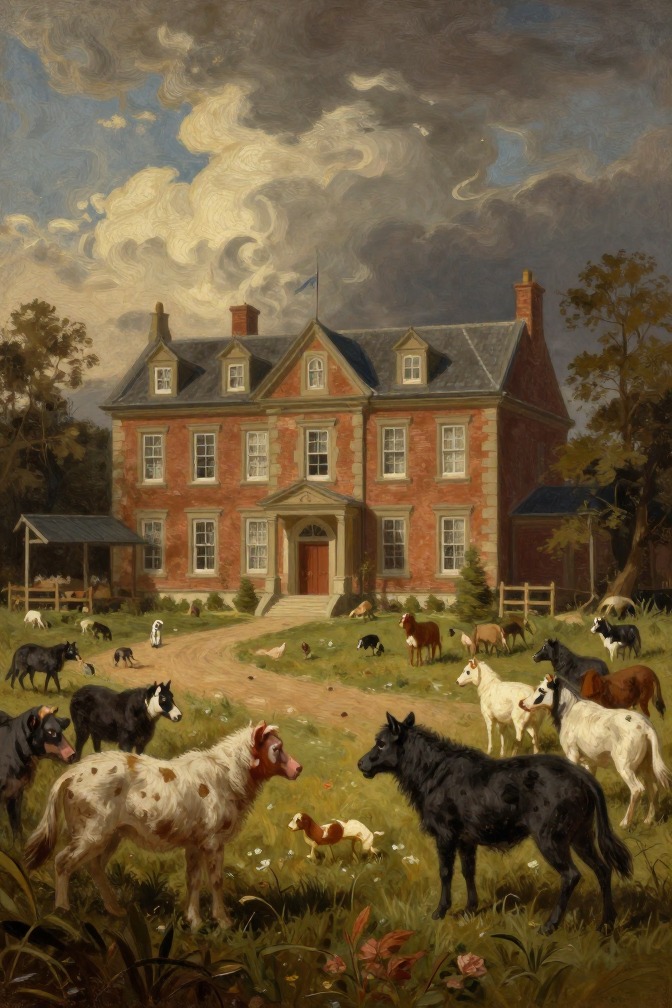
The Republic of the Animals is the utopian vision of a future society free from human tyranny, first articulated by Old Major in his speech and later symbolized by the green flag of Animal Farm. It represents the original ideal of animal self-governance, equality, and freedom that the Rebellion was meant to achieve, but which is progressively betrayed as the pigs consolidate power and ultimately erase the very name of the farm.
The Spontaneous Demonstration is a weekly ritual instituted by Napoleon on Animal Farm, designed to celebrate the struggles and triumphs of the farm through military-style processions, speeches, and the firing of the gun, serving as a tool for propaganda and the reinforcement of his authoritarian rule.
The Inebriates' Home is the institution where Mr. Jones, the expelled owner of Manor Farm, dies, marking the final end of the human antagonist and symbolizing the complete erasure of the old order.
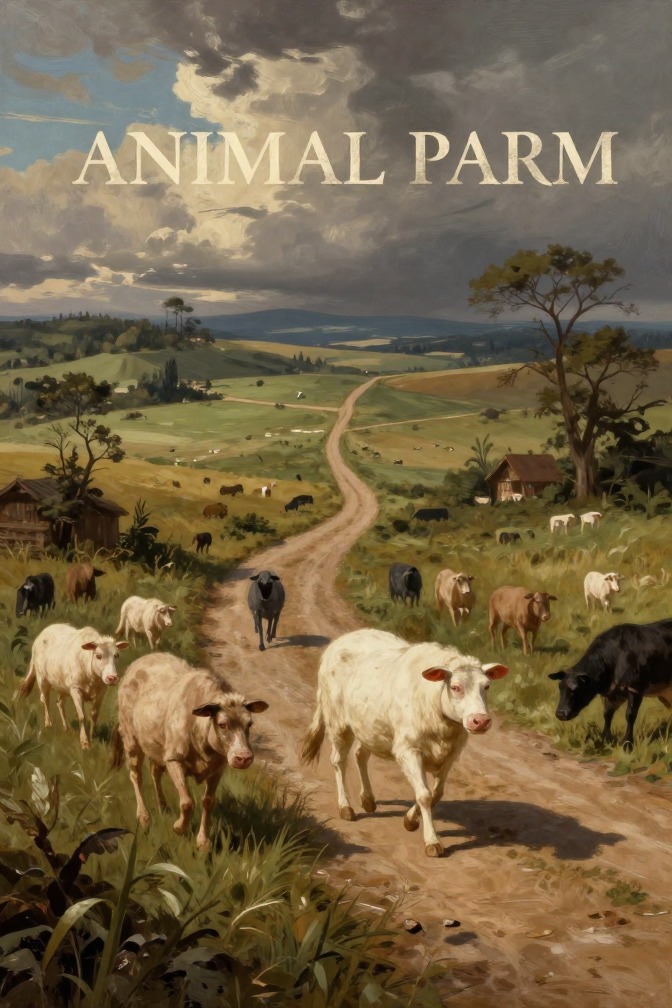
The Main Road is the physical and symbolic boundary that separates Animal Farm from the outside world, serving as the site of the farm's renaming, the route of human invasions and retreats, and the final threshold across which the pigs' transformation into the very humans they overthrew becomes complete.
The friendship between Boxer and Clover is the most steadfast and emotionally resonant relationship in Animal Farm, a bond of mutual care, shared labor, and silent devotion that endures from the first secret meeting to Boxer's tragic end. Clover, a stout motherly mare, and Boxer, an enormous and powerful cart-horse, are the most faithful disciples of Animalism, and their relationship embodies the ideals of solidarity and self-sacrifice that the Rebellion was meant to serve. Their friendship provides the story's moral anchor, a quiet counterpoint to the pigs' growing tyranny, and its dissolution through Boxer's death marks the final defeat of the animals' hopes.
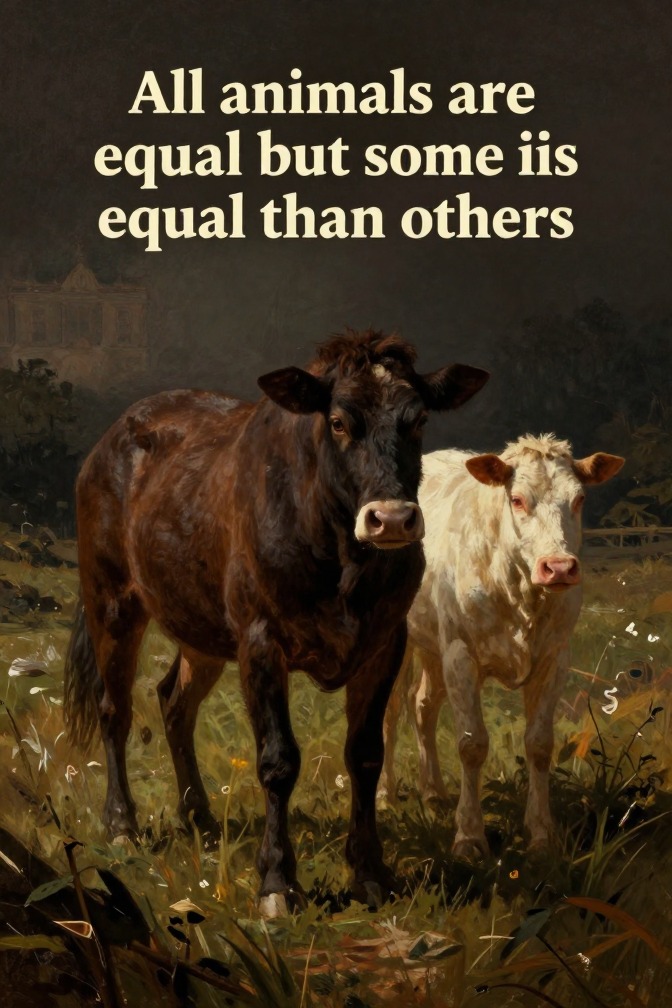
The final, transformed version of the Seventh Commandment, 'All animals are equal but some are more equal than others,' is the culminating ideological statement of Animal Farm, openly codifying the pigs' absolute privilege and the complete betrayal of the original revolutionary ideal of equality.
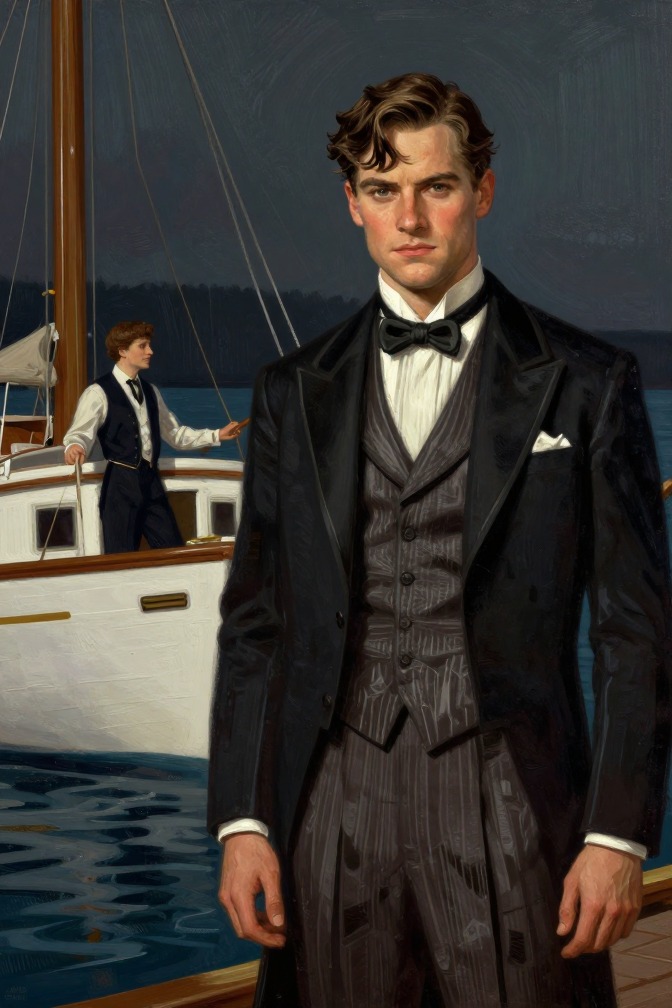
Gatsby rows out to Dan Cody's yacht, the moment that marks the birth of Jay Gatsby and the beginning of his career, as the seventeen-year-old James Gatz transforms himself into the figure who will pursue Daisy Buchanan.
After Daisy Buchanan fatally strikes Myrtle Wilson with Gatsby's car, Gatsby immediately decides to take the blame, telling Nick Carraway that he will say he was driving, a decision that seals his fate and reveals the depth of his devotion to Daisy.
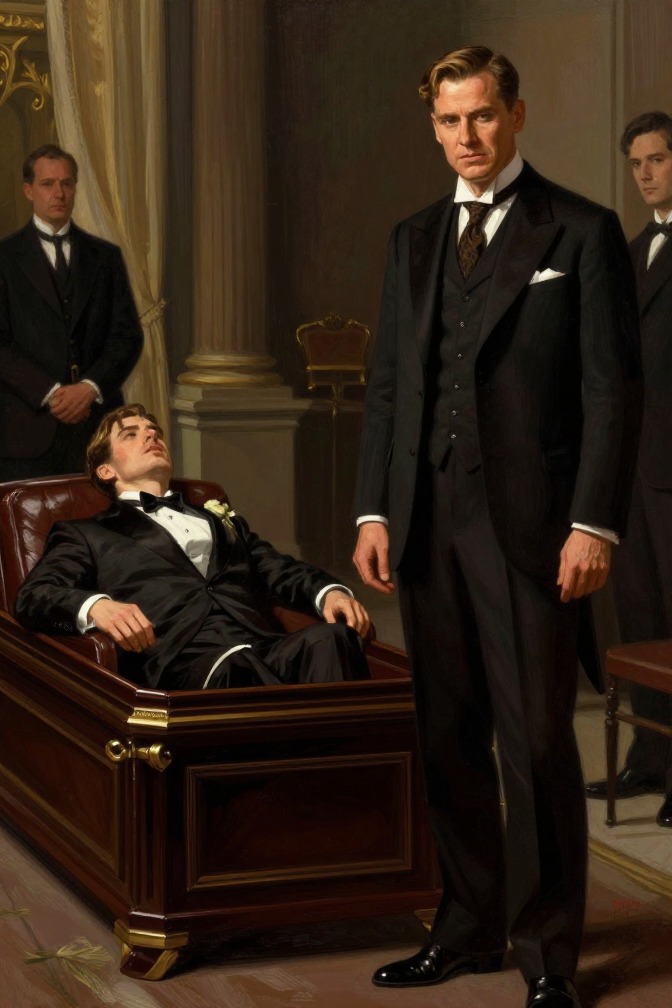
Meyer Wolfsheim, Gatsby's business partner and the man who fixed the 1919 World Series, refuses to attend Gatsby's funeral, a decision that exposes the hollowness of his professed friendship and the moral isolation of Gatsby in death.
Beale Street Blues is a jazz composition that serves as a recurring musical motif in The Great Gatsby, symbolizing the melancholy, longing, and the social atmosphere of the Jazz Age, particularly in the context of Daisy Buchanan's world and her relationship with Jay Gatsby.
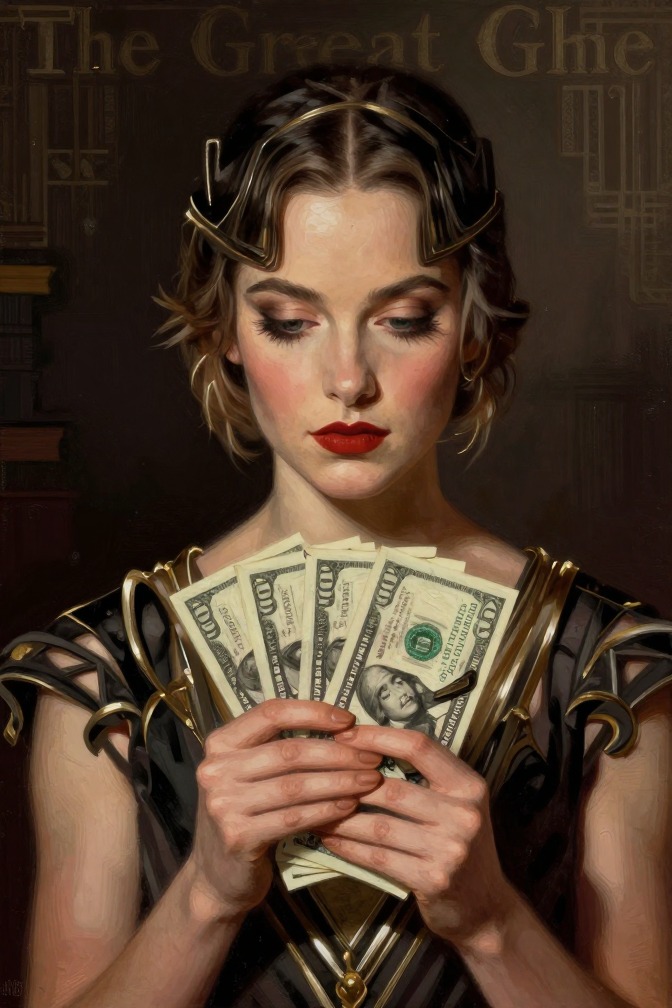
In F. Scott Fitzgerald's *The Great Gatsby*, the phrase "her voice is full of money" is Nick Carraway's sudden, revelatory insight into the nature of Daisy Buchanan's allure, crystallizing the novel's central theme of the inseparability of wealth, class, and desire. Uttered during the tense drive to New York City on the hottest day of the summer, the observation decodes Daisy's thrilling, musical voice not as a personal quality but as the very sound of material privilege—a jingling, cymbal-like song that marks her as an unattainable "golden girl" and exposes the economic foundation of Gatsby's romantic dream.
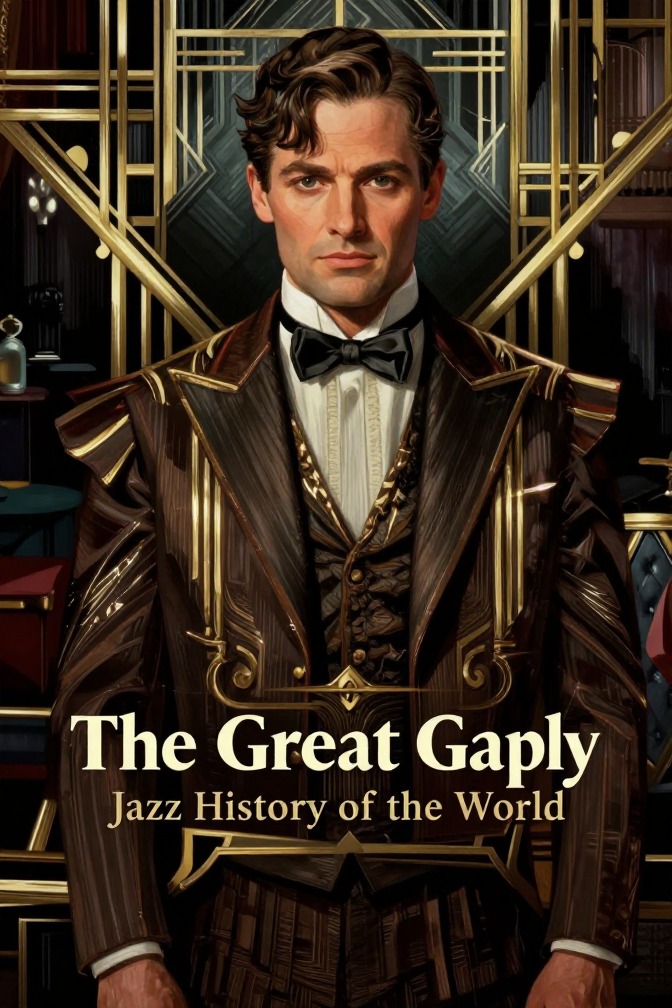
The Jazz History of the World is a fictional orchestral composition by Vladimir Tostoff that is performed at one of Jay Gatsby's parties, serving as a symbol of the era's cultural ferment and the artificial, mass-produced nature of Gatsby's world.
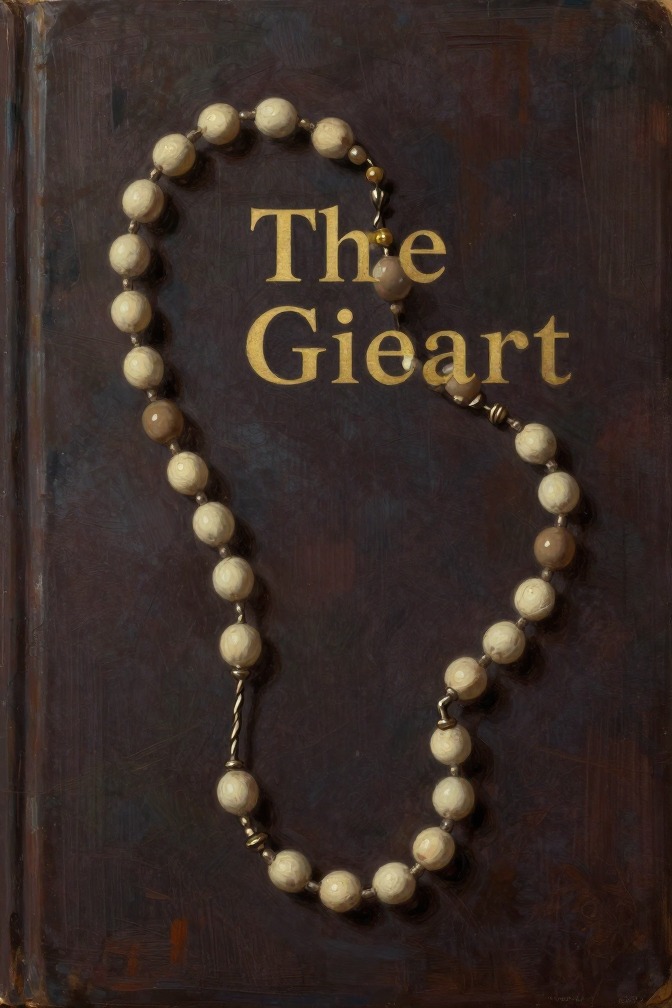
The Rosary is a Catholic devotional song that appears as a brief but telling detail in Meyer Wolfsheim's office, where someone whistles it tunelessly behind a partition while Nick Carraway is being denied entry. The song's presence in the Swastika Holding Company, a front for Wolfsheim's gambling operations, underscores the ironic juxtaposition of religious piety and criminal enterprise that characterizes the underworld of the novel.
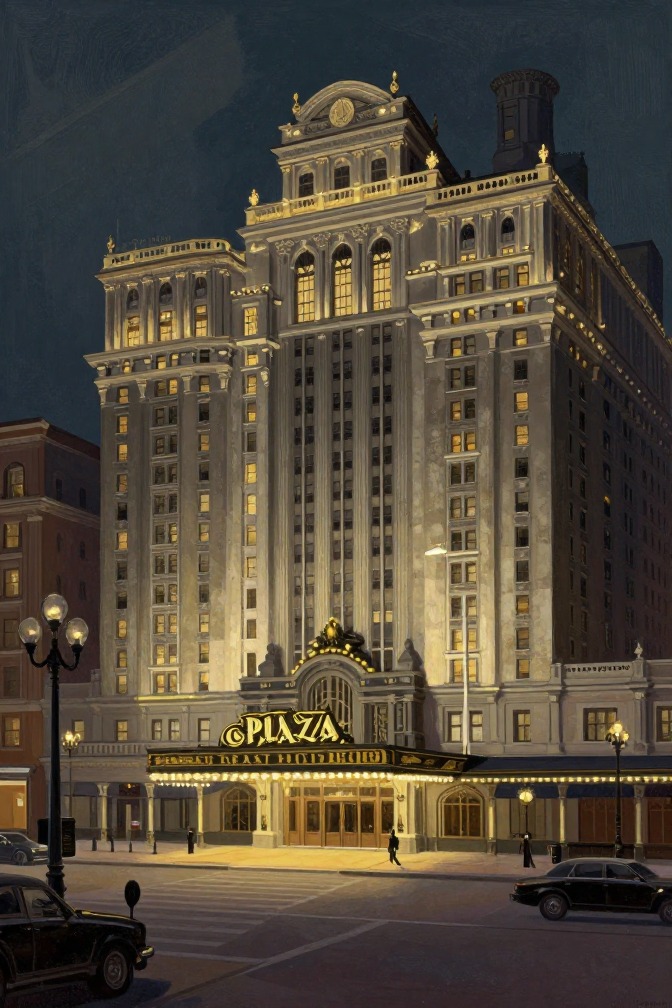
The Plaza Hotel in New York City serves as the setting for the climactic confrontation between Jay Gatsby and Tom Buchanan, where the novel's central romantic and class conflicts reach their breaking point.
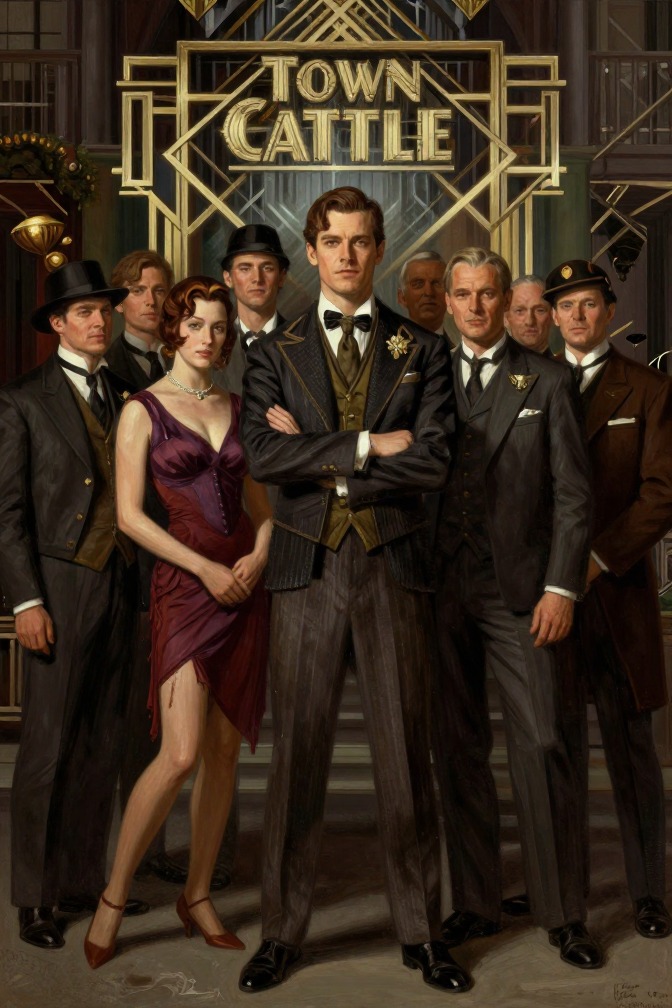
Town Tattle is a scandal magazine that appears in the novel as a marker of the shallow, gossip-driven culture of the Jazz Age, consumed by characters like Myrtle Wilson and associated with the sordid details of her affair with Tom Buchanan.