The Second Age of Middle-earth is a vast historical epoch spanning over three thousand years, defined by the rise and catastrophic downfall of the island kingdom of Númenor, the forging of the Rings of Power and the One Ring by Sauron, and the final war of the Last Alliance that ended with Sauron's temporary defeat and the loss of the One Ring. It is the foundational era for the conflicts and inheritances that drive the narrative of The Lord of the Rings.
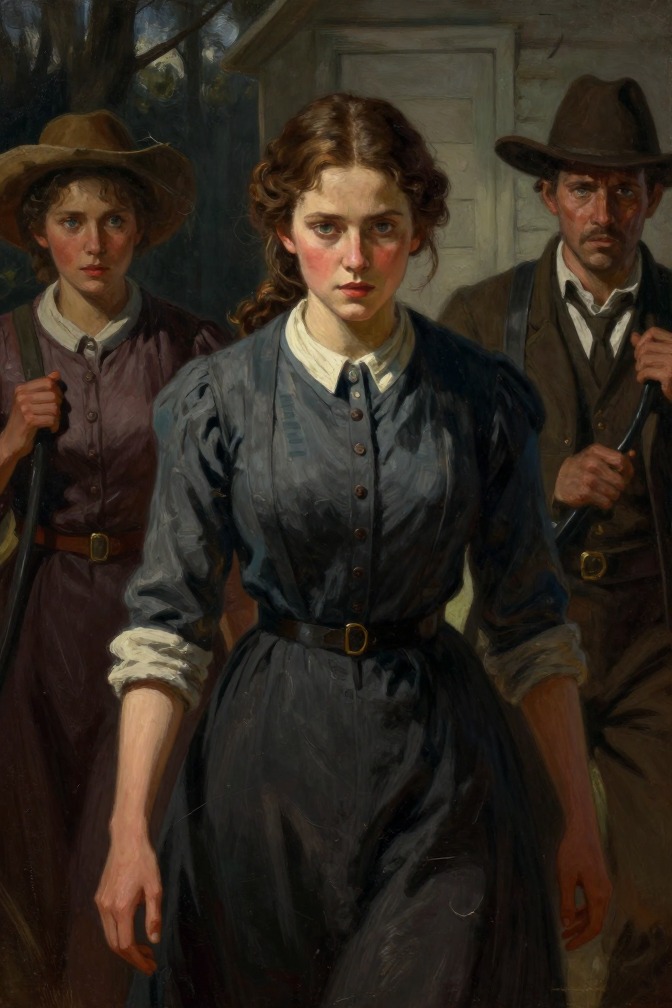
Sethe's escape from Sweet Home is the harrowing flight of a pregnant enslaved woman from a Kentucky plantation to freedom in Ohio, a journey that defines her character and the novel's central themes of motherhood, trauma, and the lengths a mother will go to protect her children.
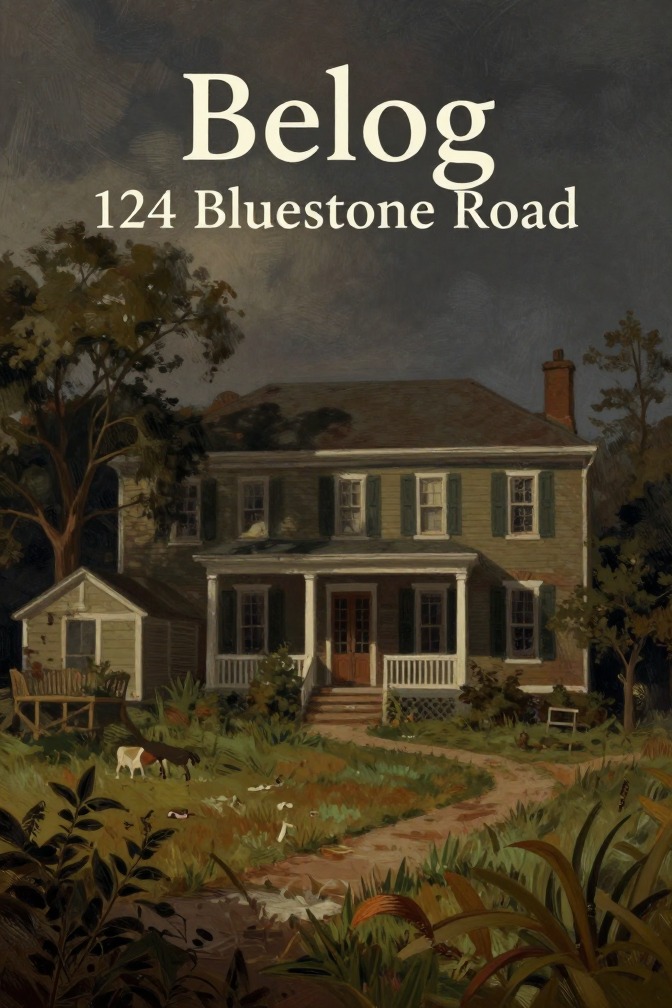
124 Bluestone Road is the haunted house in Cincinnati where Sethe, Denver, and the ghost of Sethe's murdered baby daughter live. It is the novel's central location, embodying the trauma of slavery and the struggle for freedom and healing.
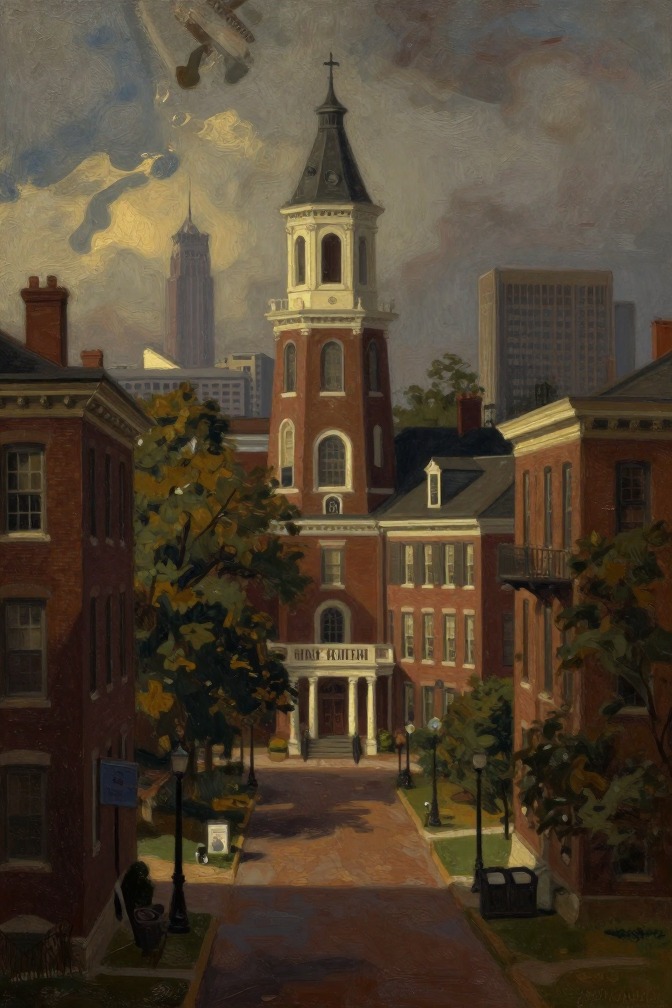
Boston is the distant northern city that Amy Denver dreams of reaching to buy velvet, and its name becomes the source of Denver's name, marking the intersection of freedom, aspiration, and the white girl's role in Sethe's escape.
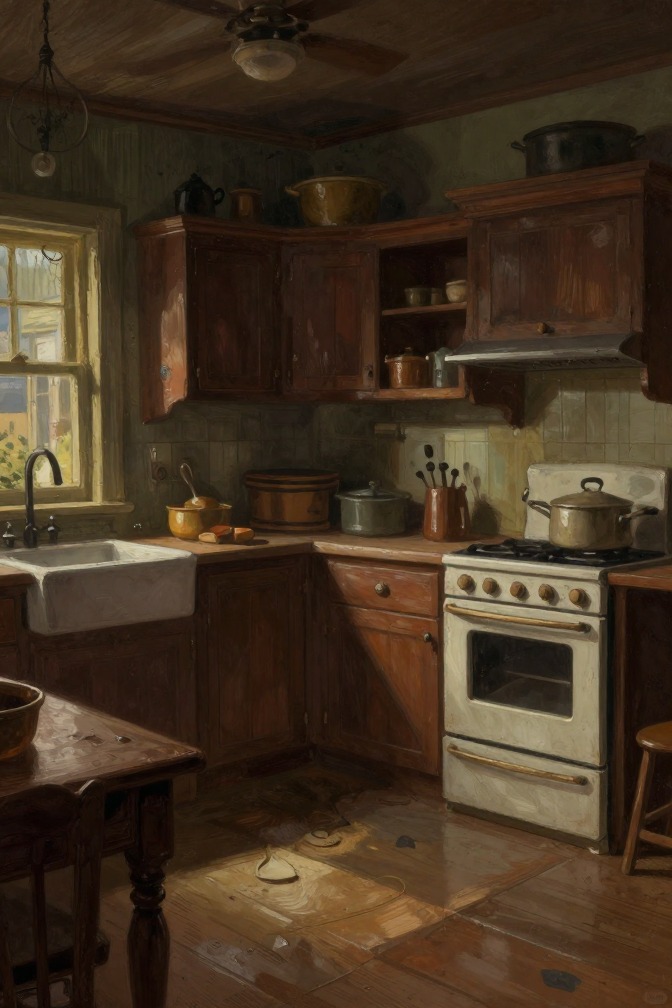
The kitchen at 124 Bluestone Road is the domestic heart of Toni Morrison's Beloved, where the novel's central acts of labor, memory, and love unfold. It is the site of Sethe's daily bread-making, the scene of Paul D's arrival and the exorcism of the baby ghost, the stage for Beloved's insatiable hunger and storytelling, and the place where Sethe's past is both confessed and confronted. More than a mere setting, the kitchen embodies the novel's themes of motherhood, trauma, and the struggle for self-possession.
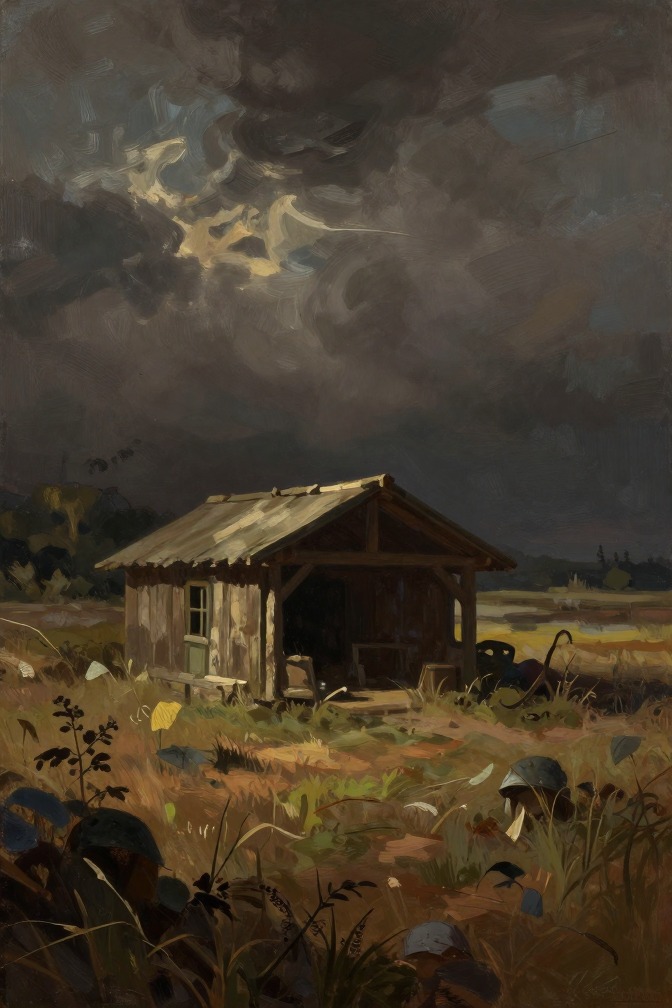
The lean-to is a makeshift shelter on the Kentucky side of the Ohio River where Sethe, exhausted and injured during her escape from Sweet Home, is taken by Amy Denver. It is the site of Amy's care for Sethe's swollen feet and whipped back, the place where Amy identifies the scar tissue as a "chokecherry tree," and the setting for Amy's lullaby and her departure, after which Sethe continues alone to the river. The lean-to thus functions as a transitional space of temporary refuge, bodily exposure, and the only moment of cross-racial care in Sethe's flight.
Dr. Anita Johnson is a minor character in Lolita, a nutritionist on the Arctic expedition that Humbert Humbert joins in the mid-1940s. She represents one of the few adult women with whom Humbert has a brief, unsatisfactory sexual encounter during his time in the Arctic, and her presence underscores the complete absence of nymphets in that polar environment, reinforcing Humbert's peculiar obsession.
Jerome Dunn is the father of Humbert Humbert's mother, an English alpinist whose daughter's death in a lightning accident when Humbert was three left the boy with only a pocket of warmth in the darkest past. Though he appears only as a genealogical trace in Humbert's opening self-account, Dunn's profession as a mountaineer and his clerical ancestry establish the English strand of Humbert's mixed European heritage and contribute to the narrator's self-fashioned identity as a man of refined, if fractured, lineage.
Mr. Potts is the elderly, pink-and-bald desk clerk at The Enchanted Hunters hotel in Briceland, who, along with his colleague Mr. Swine, handles Humbert Humbert's arrival with his daughter Lolita on the night of their first stay, a scene marked by comic confusion over the reservation and the room assignment that sets the stage for the novel's pivotal event.
Mrs. Holigan is the charwoman and cook whom Humbert Humbert inherits from the previous tenants of the house on Thayer Street in Beardsley, and her presence in the household represents a constant, low-grade threat of exposure to the secret life he leads with his stepdaughter Dolores Haze.
Tarifa is the southern Spanish port city where Santiago begins his journey, meeting the king Melchizedek and first glimpsing Africa, and it serves as the symbolic threshold between his old life as a shepherd and his quest for the treasure.
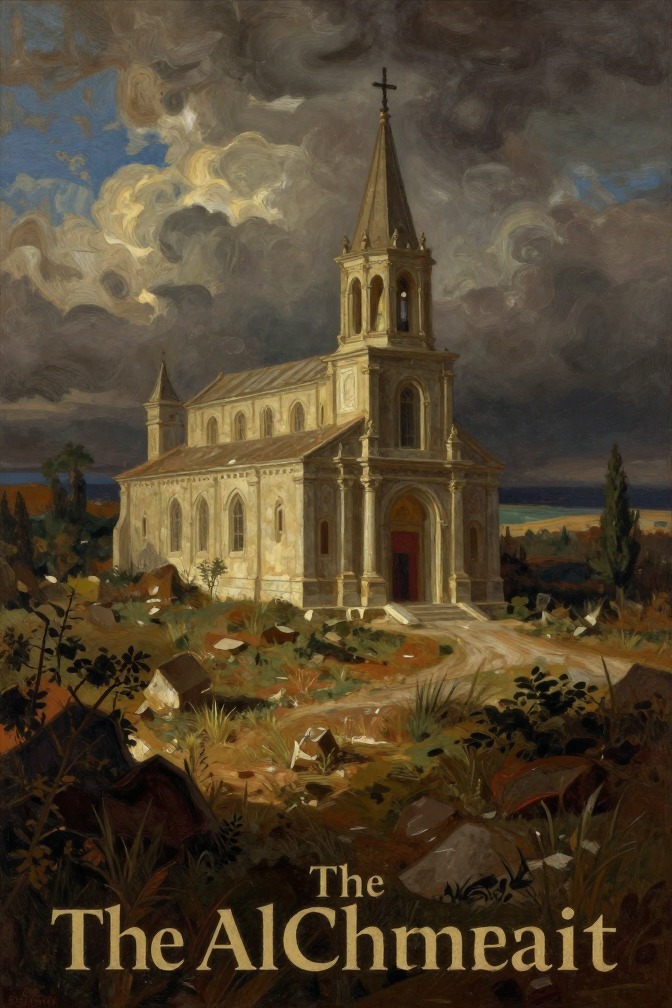
The Abandoned Church is the ruined Andalusian chapel where Santiago begins and ends his journey, serving as the physical location of his treasure and the symbolic frame for his entire quest.
Blore's crushing is the ninth death in the sequence of murders on Indian Island, in which ex-Inspector William Henry Blore is killed by a heavy marble block—the marble bear clock from Vera Claythorne's mantelpiece—dropped onto his head from her bedroom window. The murder follows the pattern of the nursery rhyme "Ten Little Indian Boys," specifically the eighth verse: "A big bear hugged one and then there were two." Blore's death marks the final elimination of the male guests before the confrontation between Vera Claythorne and Philip Lombard, and it is the last murder committed by the hidden killer before the final two victims die.
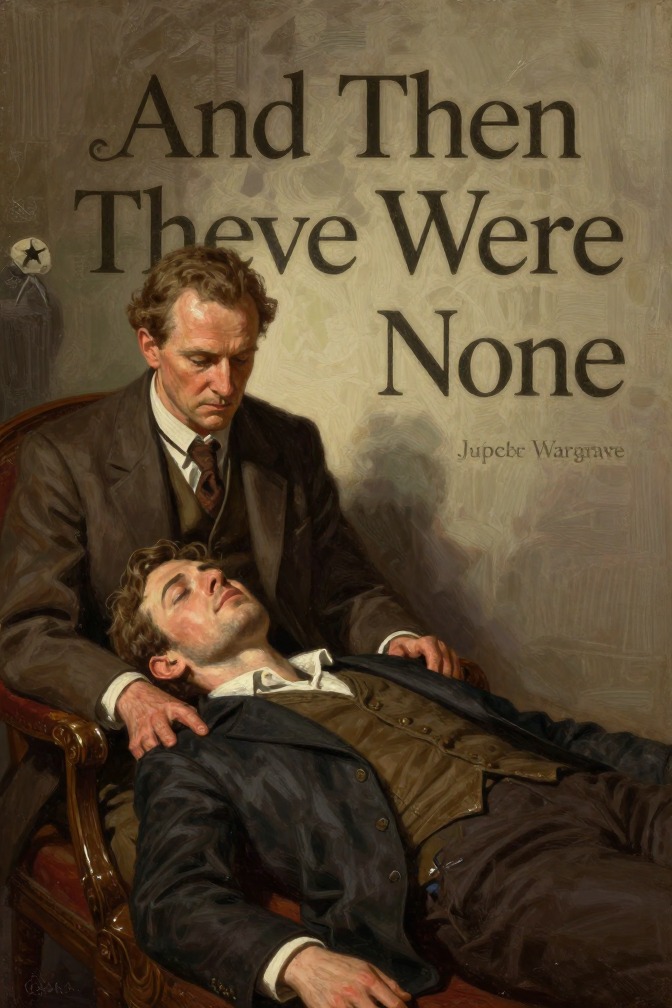
Judge Wargrave's fake death is the pivotal deception in the novel, a staged murder that allows him to become the hidden executioner, manipulating the remaining suspects and completing his grand design of extra-legal justice.
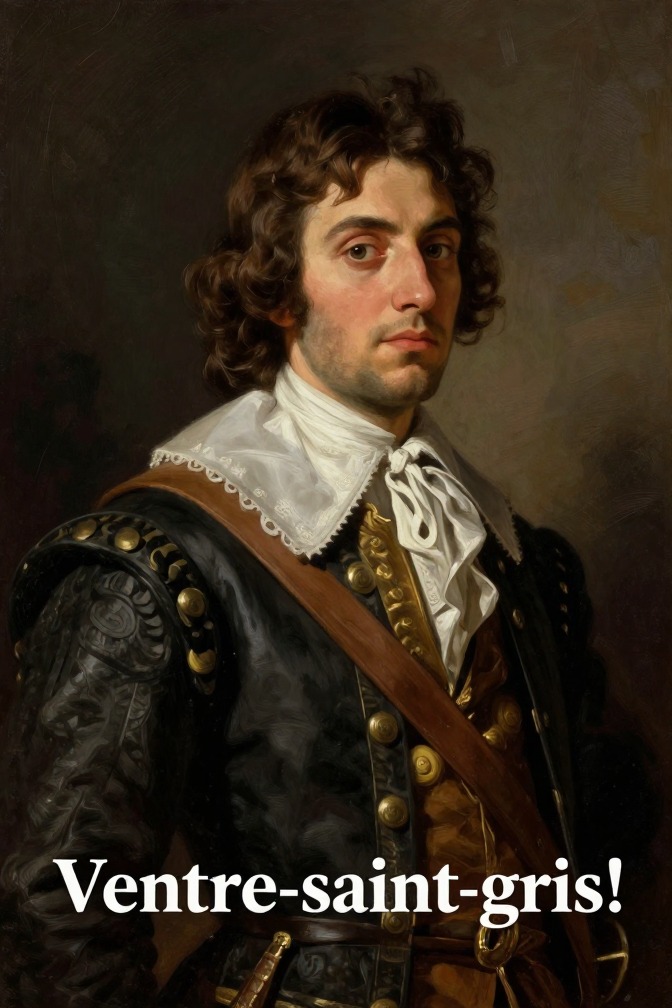
Ventre-saint-gris! is a characteristic exclamation of King Louis XIII, inherited from his father Henry IV, that serves as a verbal signature of the king's personality and a marker of his emotional state throughout the novel.
Brest is a port city in Brittany, France, that appears in the novel as a potential landing point for Milady during her return voyage from England, though she ultimately passes it by without disembarking.
The Hotel des Gardes, the Parisian barracks of the King's Guards, serves as a central hub for d'Artagnan's military life, a stable for the horses he acquires, and a key location where his friendships and ambitions are forged.
St. Cloud is a suburban town west of Paris that serves as the setting for a pivotal romantic rendezvous between d'Artagnan and Constance Bonacieux, which ends in her abduction by agents of Cardinal Richelieu, marking a decisive turn in the novel's plot.
Gascony, the rugged southwestern province of France, serves as the birthplace and formative landscape of d'Artagnan, the novel's protagonist, and is the source of the fierce pride, impetuous courage, and shrewd resourcefulness that define him and his fellow Gascon, Monsieur de Treville.
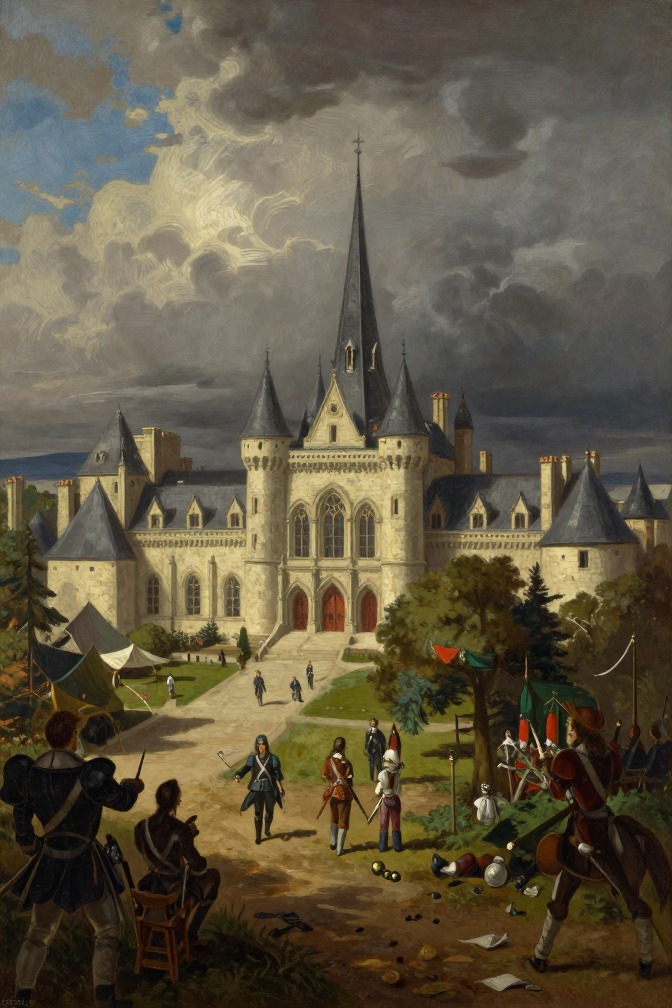
The Carmes-Deschaux, a convent of the Discalced Carmelites near the Pre-aux-Clercs in Paris, serves as the primary setting for the first major armed confrontation between the King's Musketeers and the Cardinal's Guards, a pivotal event that forges the bond between d'Artagnan and the three Inseparables and establishes the central conflict of the novel.
The Pre-aux-Clercs is a field on the left bank of the Seine in Paris, used in the 17th century as a customary dueling ground for gentlemen who needed a discreet and open space to settle affairs of honor. It appears in the novel as the site where d'Artagnan first meets Athos for their scheduled duel, and later as the location proposed by Bernajoux for his duel with d'Artagnan. Its function in the narrative is to provide a neutral, semi-public arena where the code of honor can be enacted outside the reach of the king's edicts against dueling, and where the bonds of friendship and enmity among the Musketeers and their adversaries are tested and solidified.
Picardy is a historical province in northern France that serves as the native region of several characters and a key setting for the journeys and adventures of d'Artagnan and his friends in Alexandre Dumas's *The Three Musketeers*.
Berry is the French province from which Athos, the Comte de la Fère, originates, and it serves as the setting for the tragic backstory that defines his character: his marriage to a beautiful young woman who was later revealed to be a branded criminal, whom he executed by hanging. This provincial identity anchors Athos's noble lineage, his deep-seated melancholy, and the secret that shapes his interactions with his fellow Musketeers.
Lille is a city in northern France that serves as the origin of the Executioner of Lille, a pivotal figure in the backstory of Milady de Winter. The executioner's account of branding Milady and his brother's tragic fate provides the crucial evidence that seals Milady's condemnation during the trial scene, making Lille a symbolic locus of past crime and eventual retribution.
Rue des Bons Enfants is a short street in Paris that serves as the final leg of the carriage journey carrying the terrified Monsieur Bonacieux from the Bastille to a secret meeting with Cardinal Richelieu, marking the transition from the mercer's imprisonment to his recruitment as a spy.
The Bastion Wager is a pivotal episode in which d'Artagnan, Athos, Porthos, and Aramis accept a public bet to breakfast inside the enemy-held Bastion St. Gervais and hold it for one hour, using the cover of this reckless exploit to secretly plan their countermeasures against Milady de Winter without the cardinal's spies overhearing them.
The Louvre Palace serves as the central seat of the French monarchy in the novel, the stage upon which the intertwined political intrigues, royal dramas, and personal ambitions of the king, queen, and Cardinal Richelieu unfold, and the ultimate prize and peril for the four Musketeers.
The love affair between Aramis and Madame de Chevreuse is a secret, politically charged romance that runs through the novel, revealing Aramis's divided nature between the Musketeer's life and his clerical ambitions, and linking him directly to the queen's inner circle and the cardinal's enmity.
The marriage between Monsieur Bonacieux and Constance Bonacieux is a socially mismatched union that places Constance, a young and attractive woman of twenty-three, under the authority of a much older, cowardly, avaricious, and politically malleable husband, a retired mercer of fifty-one. This relationship becomes a central mechanism of the plot, as Bonacieux's weakness and self-interest make him a tool of Cardinal Richelieu, while Constance's loyalty to Queen Anne of Austria and her love for d'Artagnan drive her into direct conflict with her husband and the cardinal's agents, ultimately leading to her tragic death.
The master-servant relationship between Aramis and Bazin is defined by Bazin's long-standing desire to serve a churchman, his pious and meticulous nature, and his deep disappointment whenever Aramis's worldly pursuits delay his entry into the clergy.