Boston
BelovedBoston is the distant northern city that Amy Denver dreams of reaching to buy velvet, and its name becomes the source of Denver's name, marking the intersection of freedom, aspiration, and the white girl's role in Sethe's escape.
The Dream of Boston
In the novel, Boston is first introduced through Amy Denver, the ragged white girl who helps Sethe during her desperate flight from Sweet Home. Amy is obsessed with reaching Boston, where she believes she can buy the finest velvet. She tells Sethe, "Boston. Get me some velvet. It's a store there called Wilson. I seen the pictures of it and they have the prettiest velvet. They don't believe I'm a get it, but I am." For Amy, Boston represents a place of opportunity and self-fulfillment, a stark contrast to her life of servitude under Mr. Buddy. She repeats her goal throughout their journey, using it as a mantra to keep herself going. When Sethe asks if Boston is far, Amy replies, "Ooooh, yeah. A hundred miles. Maybe more." Despite the distance, Amy is determined, insisting that "Boston got the best" velvet and that it will be "so pretty on me." Her dream of Boston is not just about fabric; it is about escaping her current life and achieving something beautiful and personal.
The Naming of Denver
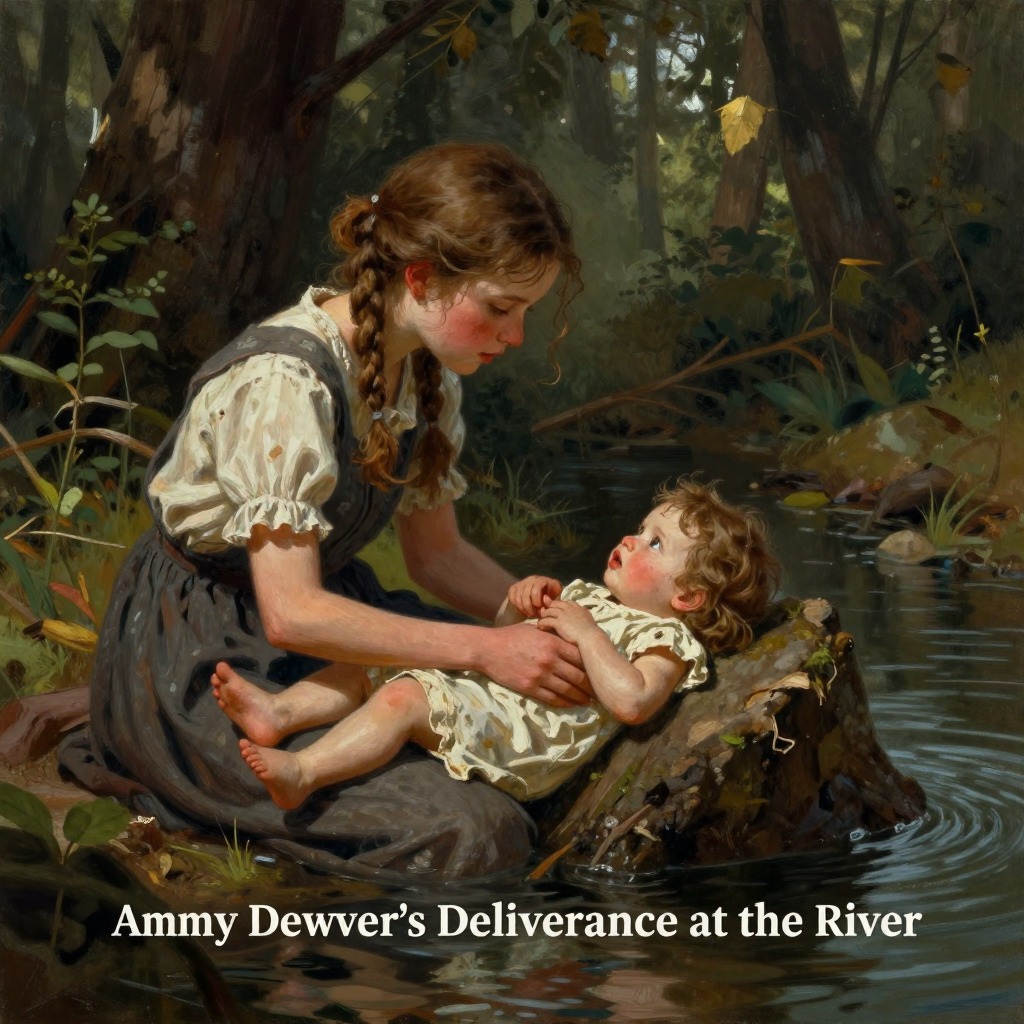
Boston's significance is cemented when Amy, after helping Sethe give birth on the riverbank, insists that Sethe name the baby after her. She says, "You better tell her. You hear? Say Miss Amy Denver. Of Boston." Sethe, half-asleep, thinks, "That's pretty. Denver. Real pretty." Thus, the child is named Denver, carrying the name of the city that symbolized Amy's hopes. This naming connects Boston to the central character Denver, making the city a permanent part of the family's story. Denver's name is a living reminder of the white girl's aid and the promise of a better place, even though Denver herself never goes there. The name also ties Denver to Amy's dream of velvet and freedom, a dream that contrasts with the harsh reality of Sethe's life after escaping slavery.
Boston as a Symbol of Freedom and Aspiration
Boston functions as a symbol of freedom and aspiration in the novel, particularly for Amy. It represents a place where one can start anew and obtain material goods that signify dignity and beauty. Amy's fixation on velvet—a fabric she describes as "like the world was just born. Clean and new and so smooth"—reflects her desire for a life untainted by hardship. Boston is also a place of racial possibility, as Amy, a poor white girl, believes she can achieve her dream there, unlike in Kentucky where she is trapped in servitude. For Sethe, Boston is less tangible; it is the destination of her helper, not her own. Yet, through Denver's name, Boston becomes a part of Sethe's world, a reminder of the kindness she received from an unexpected source. The city thus embodies the novel's themes of hope, escape, and the complex intersections of race and class in the antebellum North.
Boston's Absence and Presence
Although Boston is never visited in the novel, its presence is felt through Amy's stories and the naming of Denver. Amy's descriptions of Boston—its velvet stores, its distance, its promise—paint it as a mythical place, almost like a promised land. For Amy, Boston is the ultimate goal, the reason she endures her current hardships. For Sethe, Boston is a distant, almost abstract concept, but it becomes real through her daughter's name. The city's absence from the narrative underscores its symbolic nature: it is a place of aspiration that remains out of reach for most characters, yet its influence shapes their lives. Denver, who never leaves 124 until she is grown, carries the name of a city she has never seen, a constant link to the story of her birth and the white girl who helped her mother. Boston thus exists as both a real place and a powerful idea, representing the possibility of a better life that remains tantalizingly distant for the novel's characters.