
The Physical and Psychological Deterioration
And Then There Were NoneThe effect of the murders on the survivors' bodies and minds, as they lose sleep, become paranoid, and descend into a state of near madness.
increasing Bearing strength in each event
 decreasing
Bearing strength in each eventdecreasingLoss of Sleep and Food
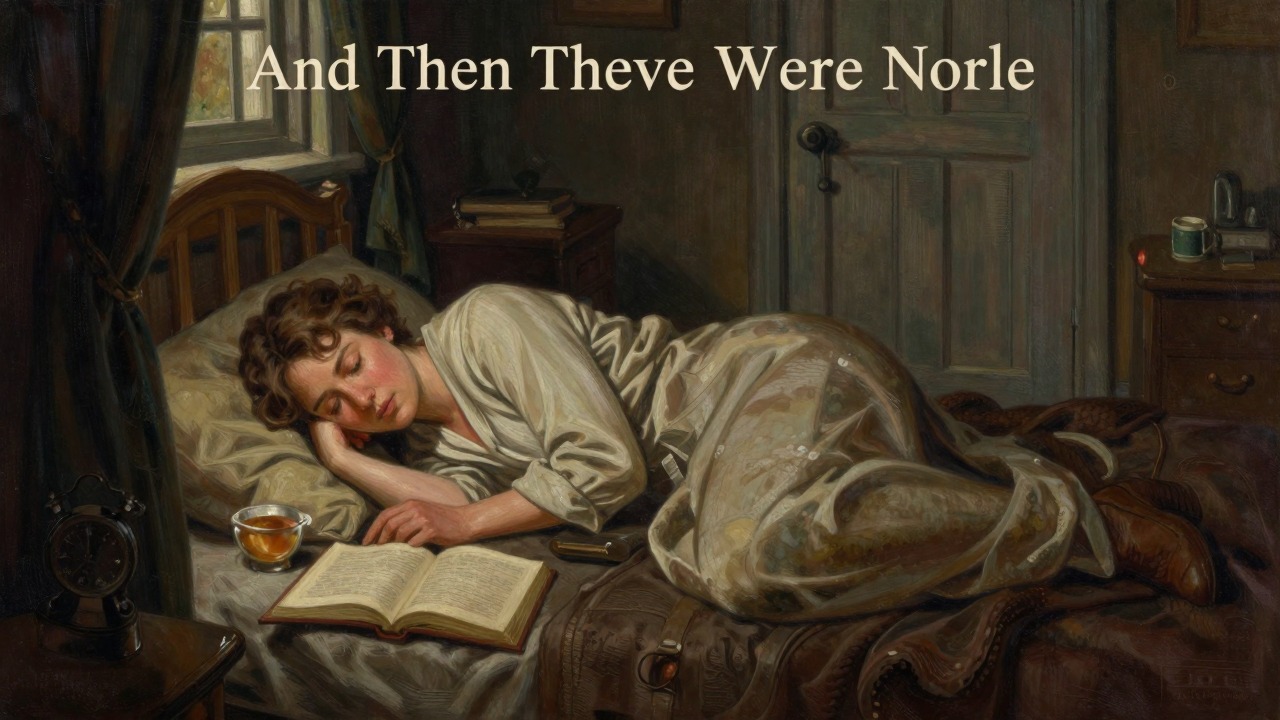
The Physical Toll
The Sleepless Nights
The guests could not sleep. They locked their doors, but they lay awake, listening. The fear of death prevented rest. They were exhausted, their nerves frayed. The lack of sleep affected their judgment. They became irritable, suspicious, irrational.
The Food Runs Out
After the death of Thomas Rogers, the servants were gone. The survivors had to cook for themselves. They ate tinned food, but they had no appetite. The physical deprivation added to the stress. They were already weak from fear, and the lack of proper food made them weaker.
The Descent into Madness
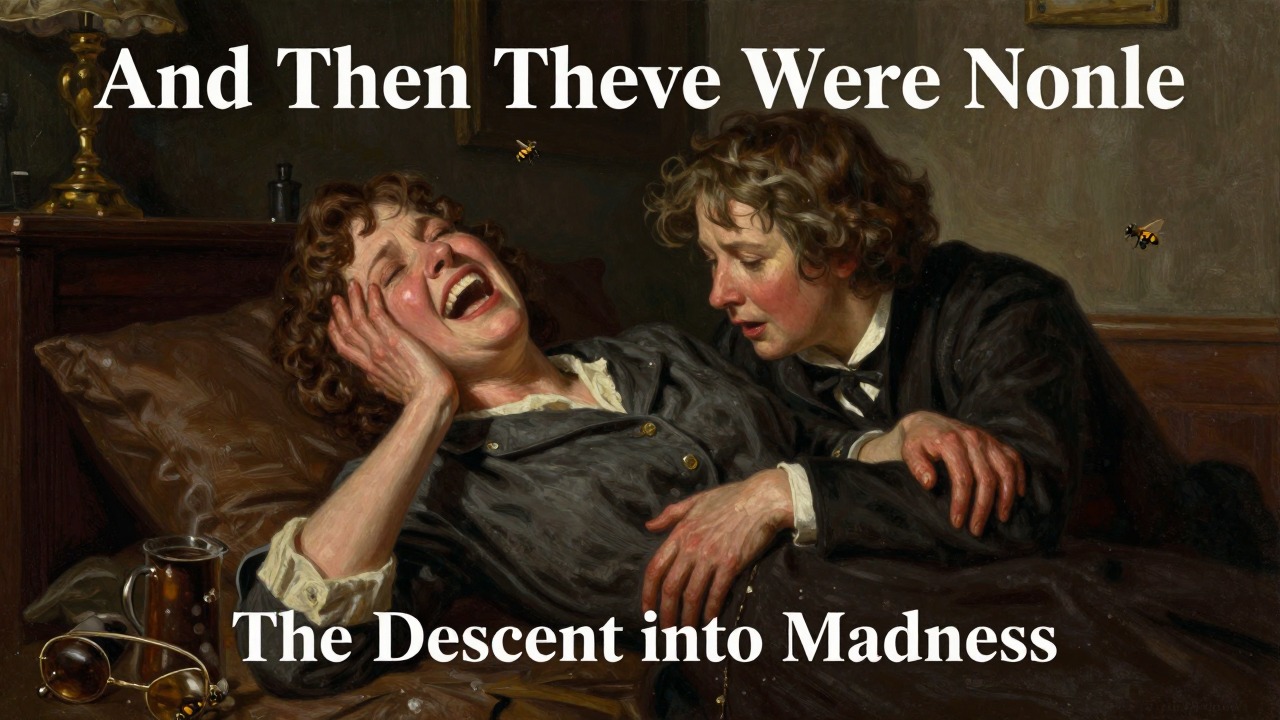
The Break with Reality
The Hysterical Outburst
Vera Elizabeth Claythorne, after the death of Thomas Rogers, had a hysterical fit. She laughed wildly, asking about bees. She had to be slapped by Dr. Edward George Armstrong to bring her back. The strain was too much. She was on the edge of a breakdown.
The Hollow Eyes
The remaining guests looked like animals. Lawrence John Wargrave noted that they were reverting to bestial types. They were no longer civilized people; they were creatures of fear. The psychological deterioration was complete. They were ready to kill each other, driven by the instinct to survive.
August 9th-11th
August 10th-11th
