StoryFlow
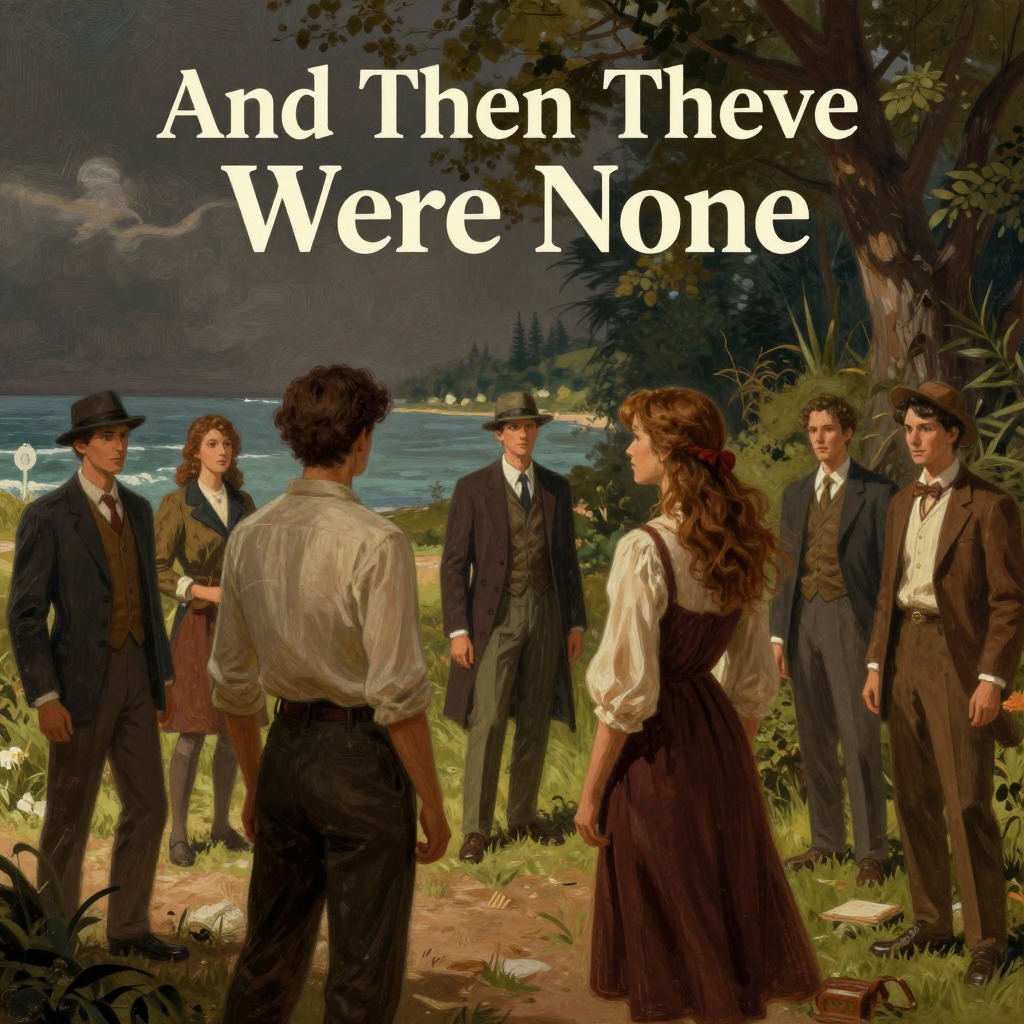
The Entrapment of the Ten Guests
Traces how each guest is lured to Indian Island under false pretenses, their arrival, and the shocking revelation that they are all prisoners of a mysterious host.
The Nursery Rhyme Murders Unfold
Follows the sequence of deaths as they mirror the Ten Little Indian Boys rhyme, from the first poisoning to the final hanging.
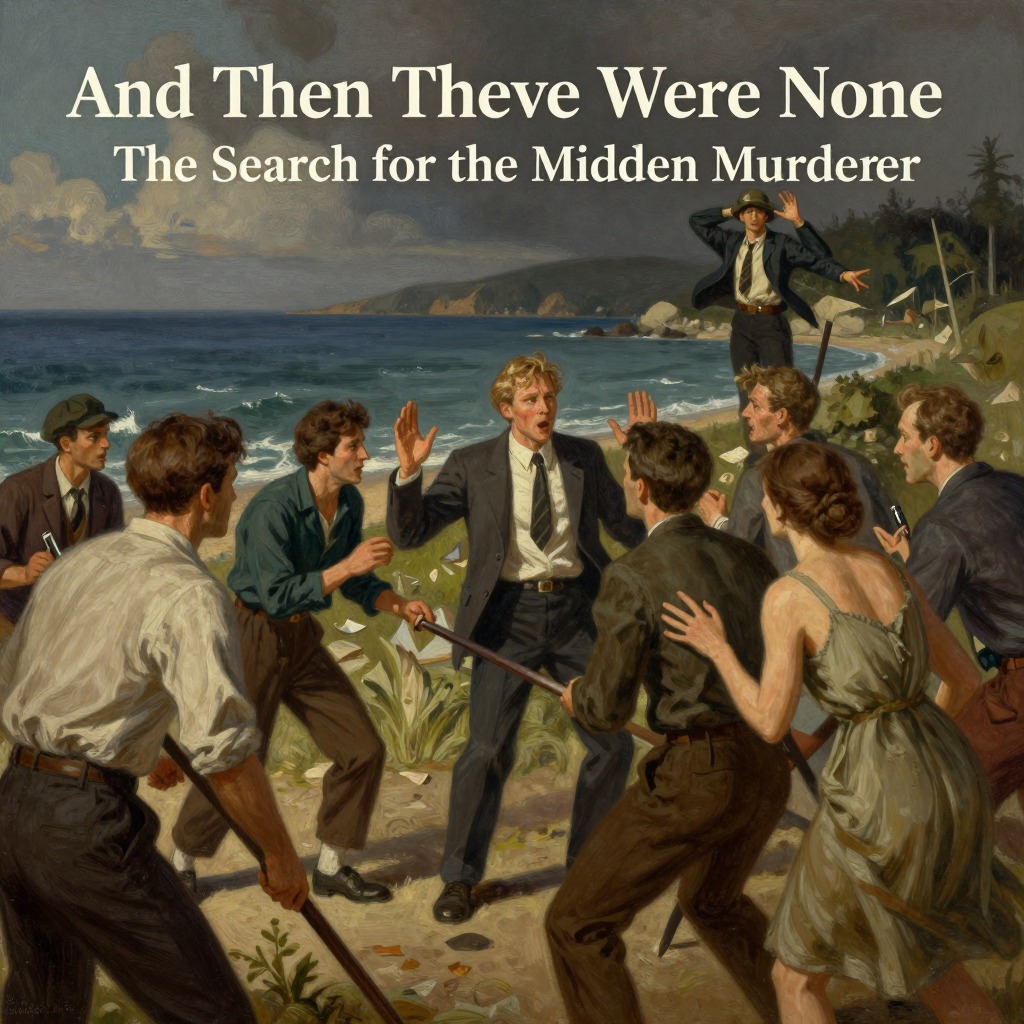
The Search for the Hidden Murderer
The guests' frantic attempts to find the mysterious U.N. Owen on the island, including searches and the growing realization that the killer is among them.
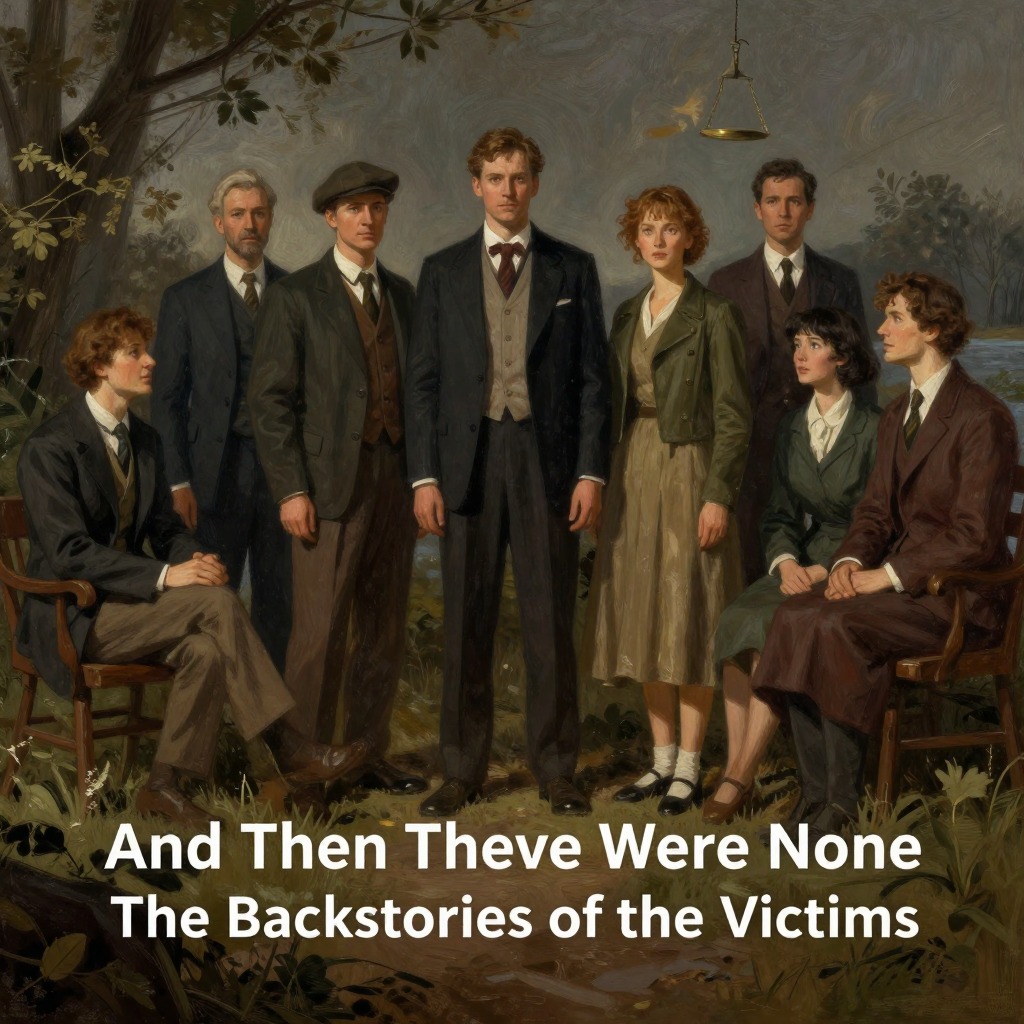
The Backstories of the Victims
Explores the past crimes that brought each of the ten characters to Indian Island, revealing the justice that U.N. Owen sought to deliver.
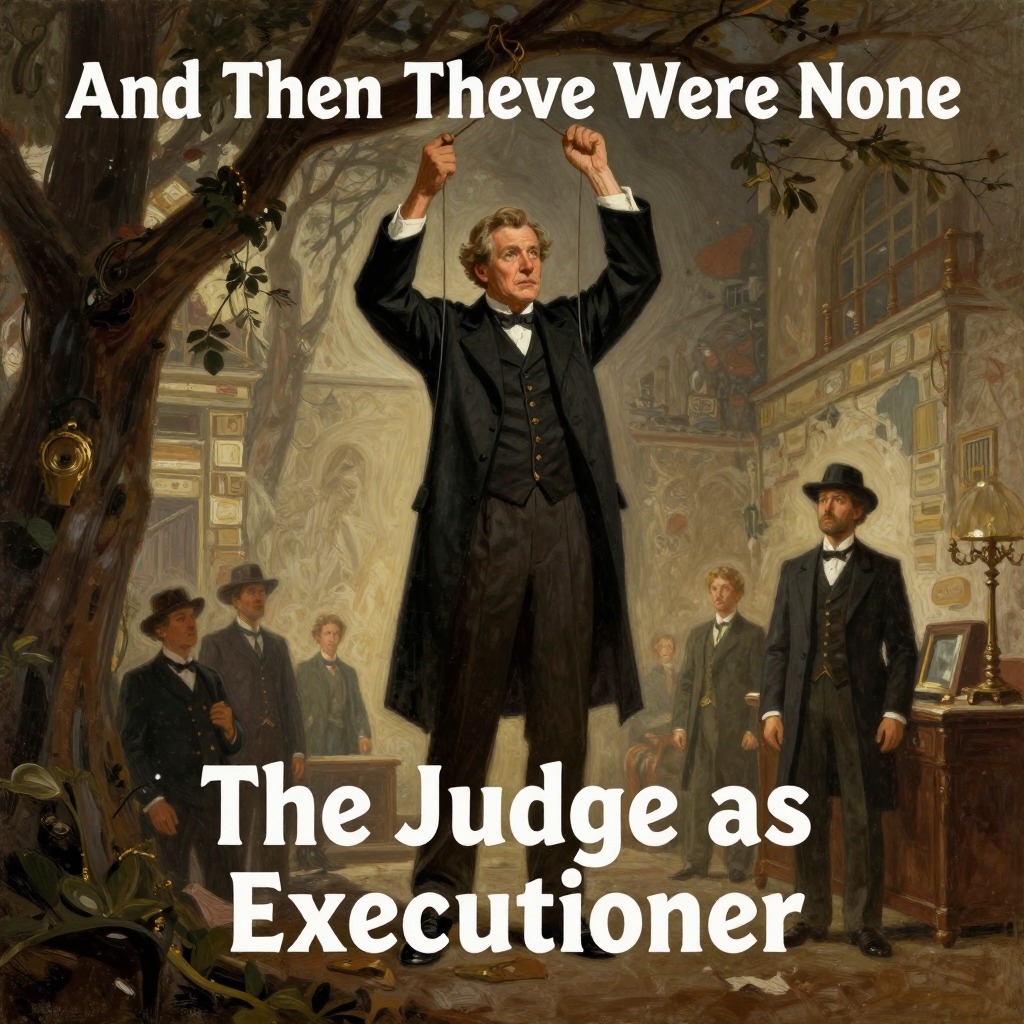
Lawrence Wargrave: The Judge as Executioner
The intricate arc of Justice Wargrave, from his career as a hanging judge to his ultimate role as the mastermind of Indian Island.
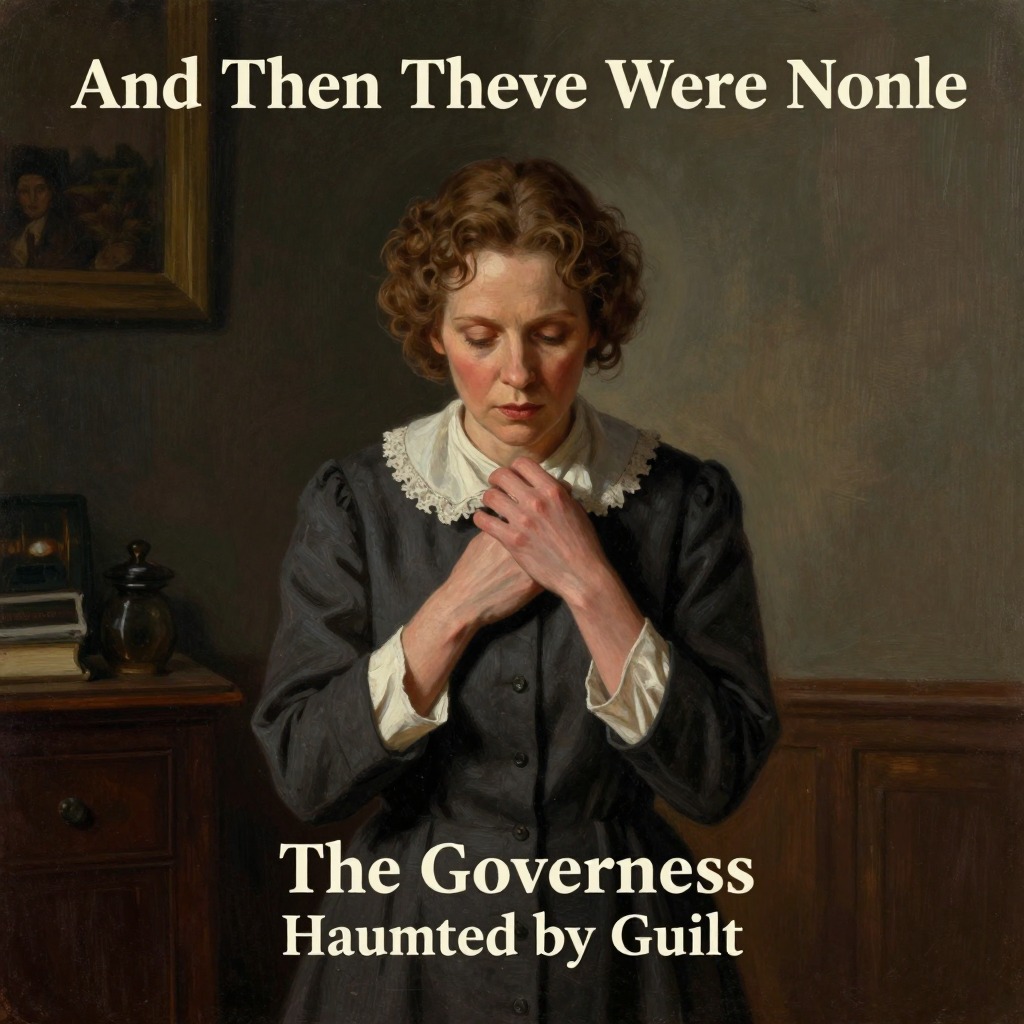
Vera Claythorne: The Governess Haunted by Guilt
Vera's journey from a seemingly innocent games mistress to a murderer who kills to survive, and finally a victim of her own conscience.

Philip Lombard: The Adventurer's Reckoning
The arc of the man who lived by his wits and survived many dangers, only to be outsmarted and killed by a woman he underestimated.
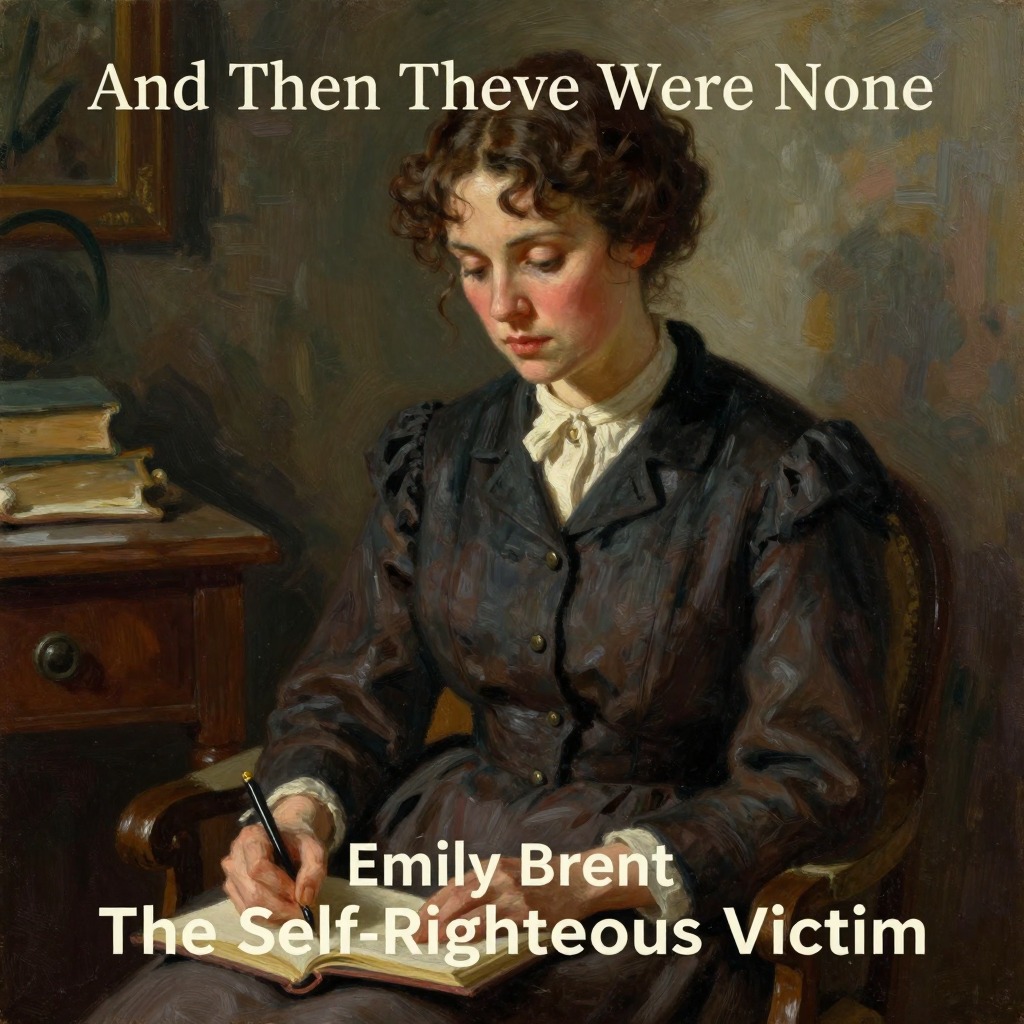
Emily Brent: The Self-Righteous Victim
The trajectory of the pious spinster who felt no remorse for her cruelty, and whose death came as a shock to her unshakable self-righteousness.
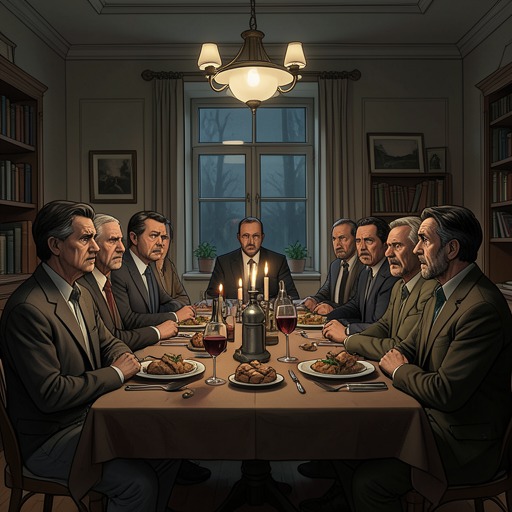
The Growing Suspicion and Paranoia
The escalating distrust among the guests as they realize the killer is among them, leading to accusations, fear, and the breakdown of civilized behavior.
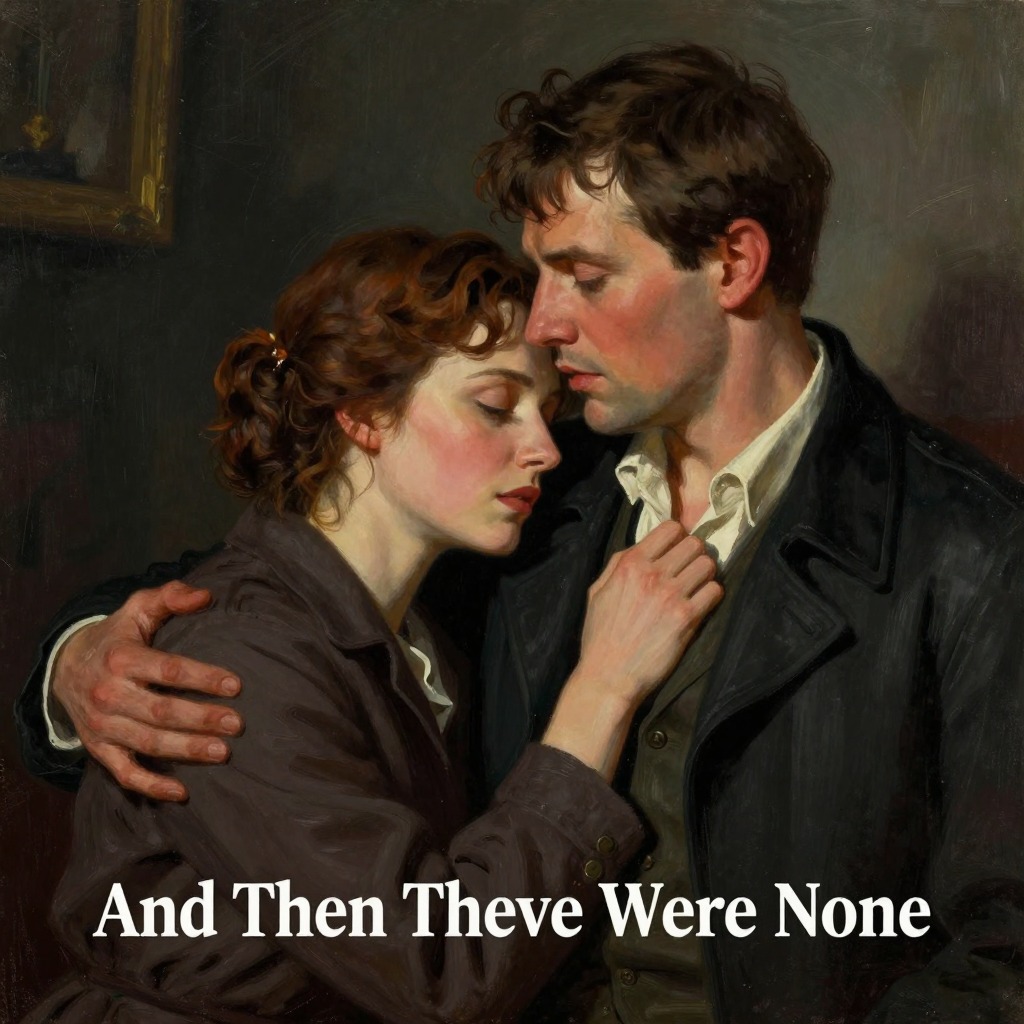
Vera's Love for Hugo Hamilton
The emotional thread of Vera's doomed love for Hugo, which motivated her past crime and haunted her until her final moments.
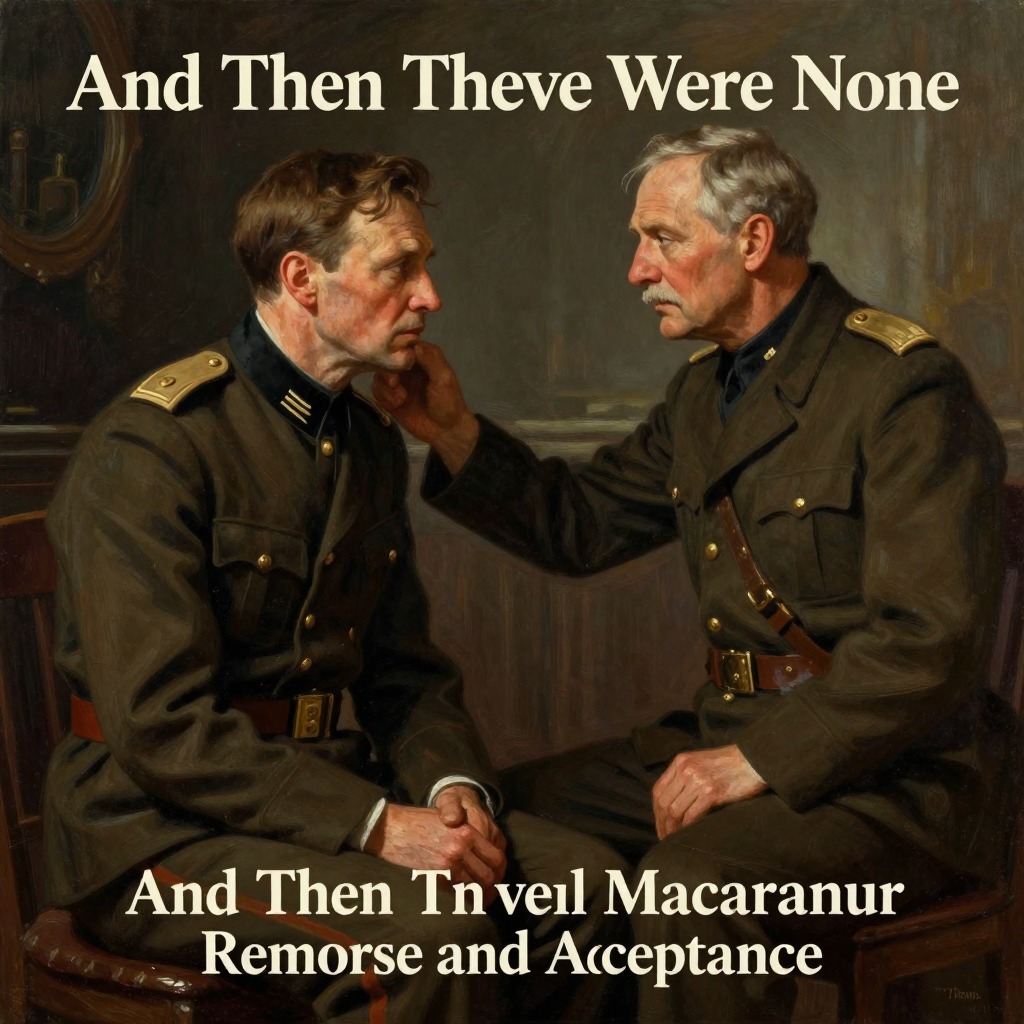
General Macarthur's Remorse and Acceptance
The emotional arc of the old soldier who, after confessing his crime, accepts his impending death with a sense of peace.
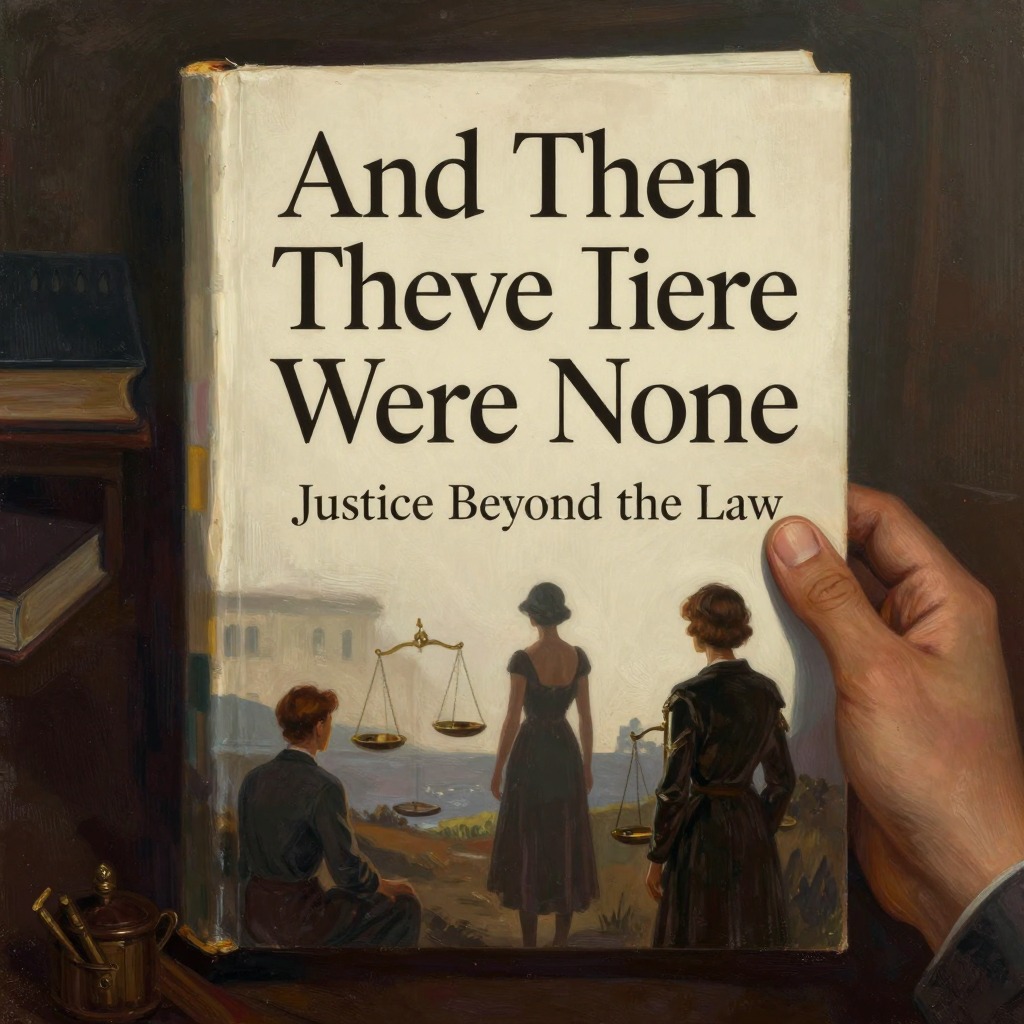
Justice Beyond the Law
The central theme of the novel: the idea that the law is insufficient to punish certain crimes, and that a higher, more personal form of justice is necessary.
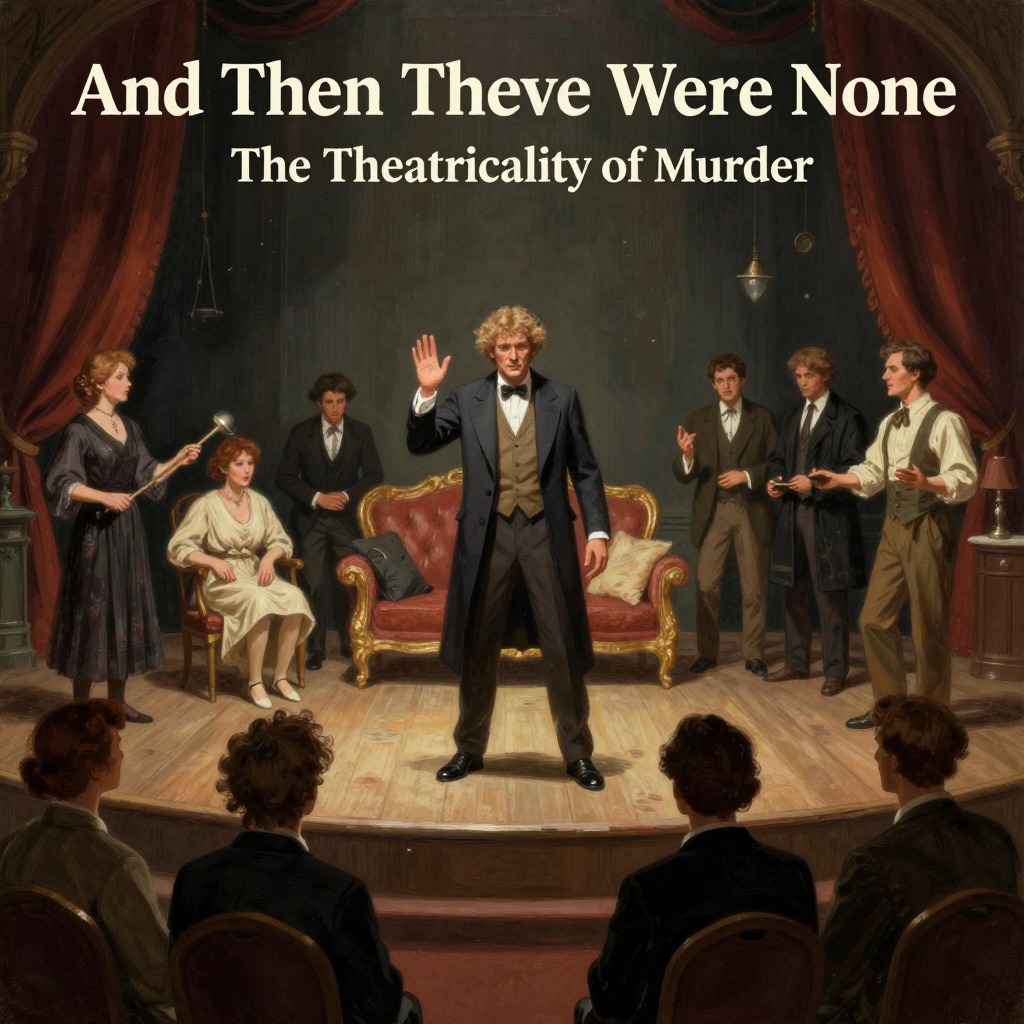
The Theatricality of Murder
Explores how the murders are staged as a performance, following the nursery rhyme and using props, costumes, and audience manipulation.
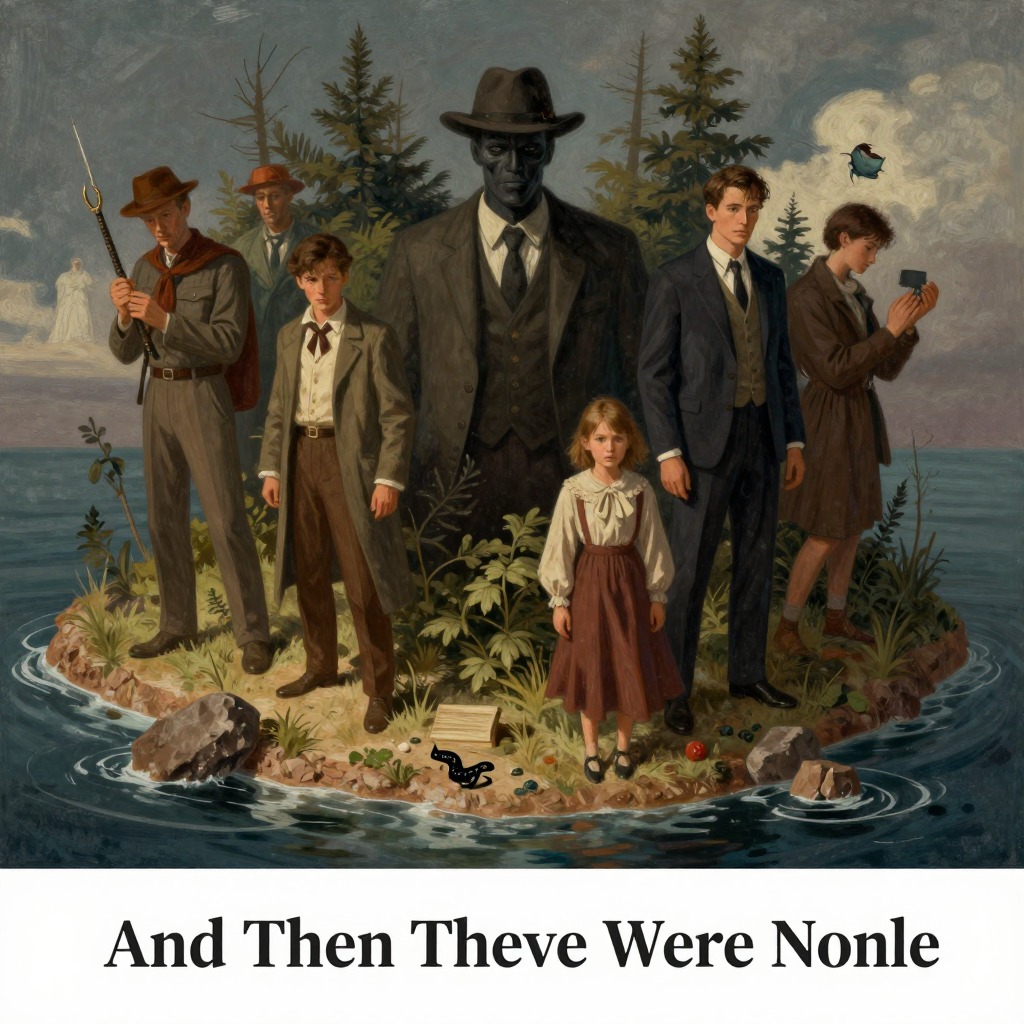
The Isolation and Fear of the Unknown
The physical and psychological isolation of the island amplifies the terror, as the characters are cut off from help and trapped with a killer.
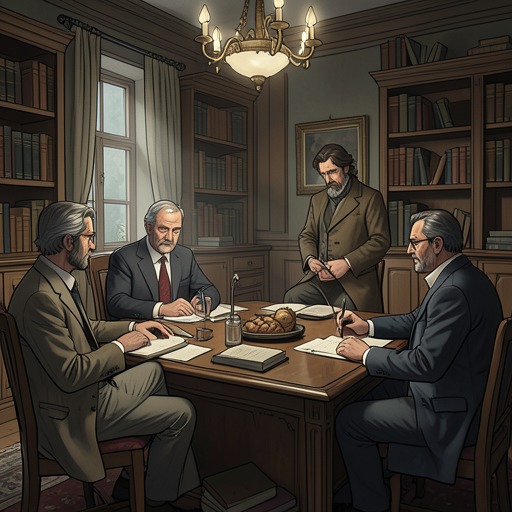
The Role of Conscience and Confession
How the characters' past crimes catch up with them, leading to confessions, acceptance, or denial, and how the island itself becomes a confessional.
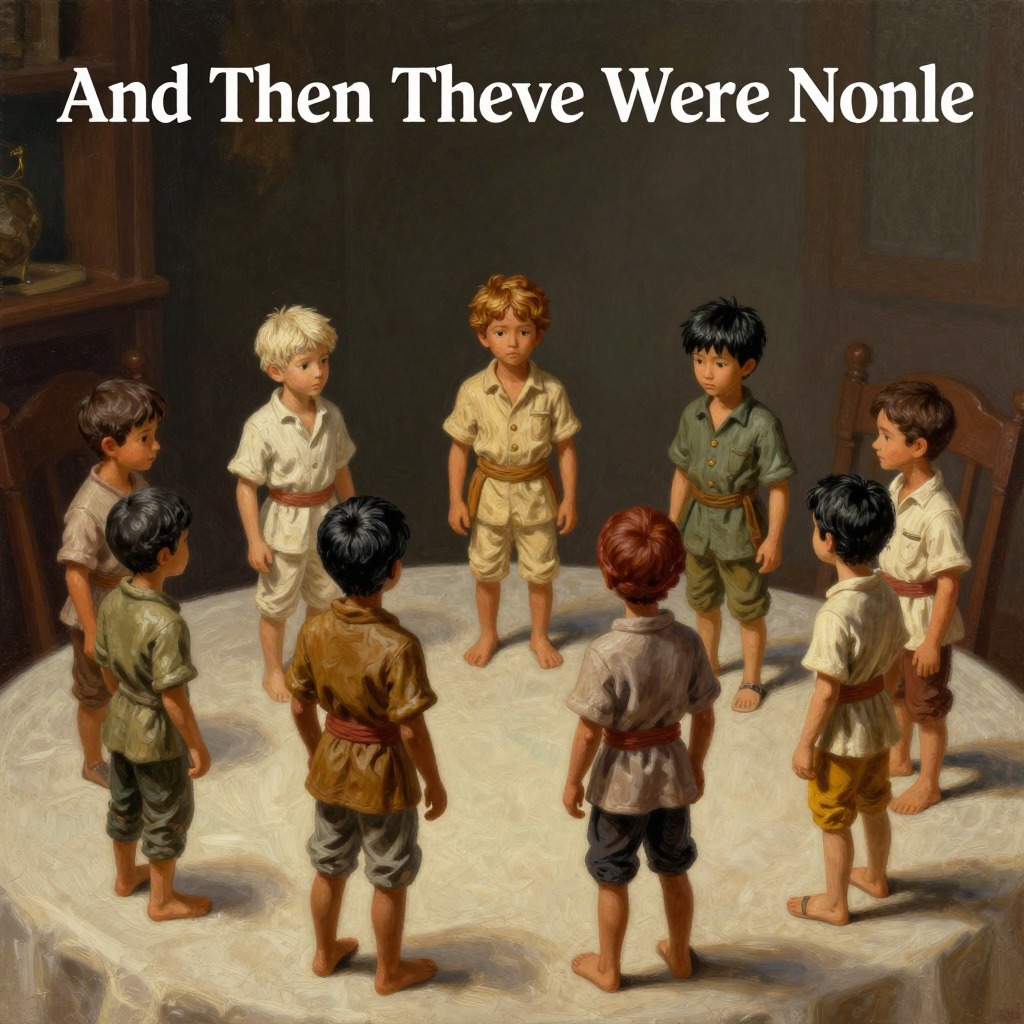
The Symbolism of the China Figures
The ten little Indian boys on the table are a visual representation of the diminishing number of guests, serving as a constant reminder of the murders.

The Letters and Invitations
The deceptive correspondence that lured each victim to the island, demonstrating the cunning of U.N. Owen.
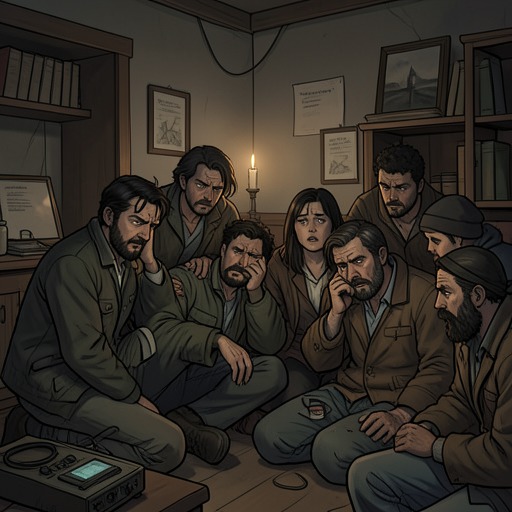
The Physical and Psychological Deterioration
The effect of the murders on the survivors' bodies and minds, as they lose sleep, become paranoid, and descend into a state of near madness.
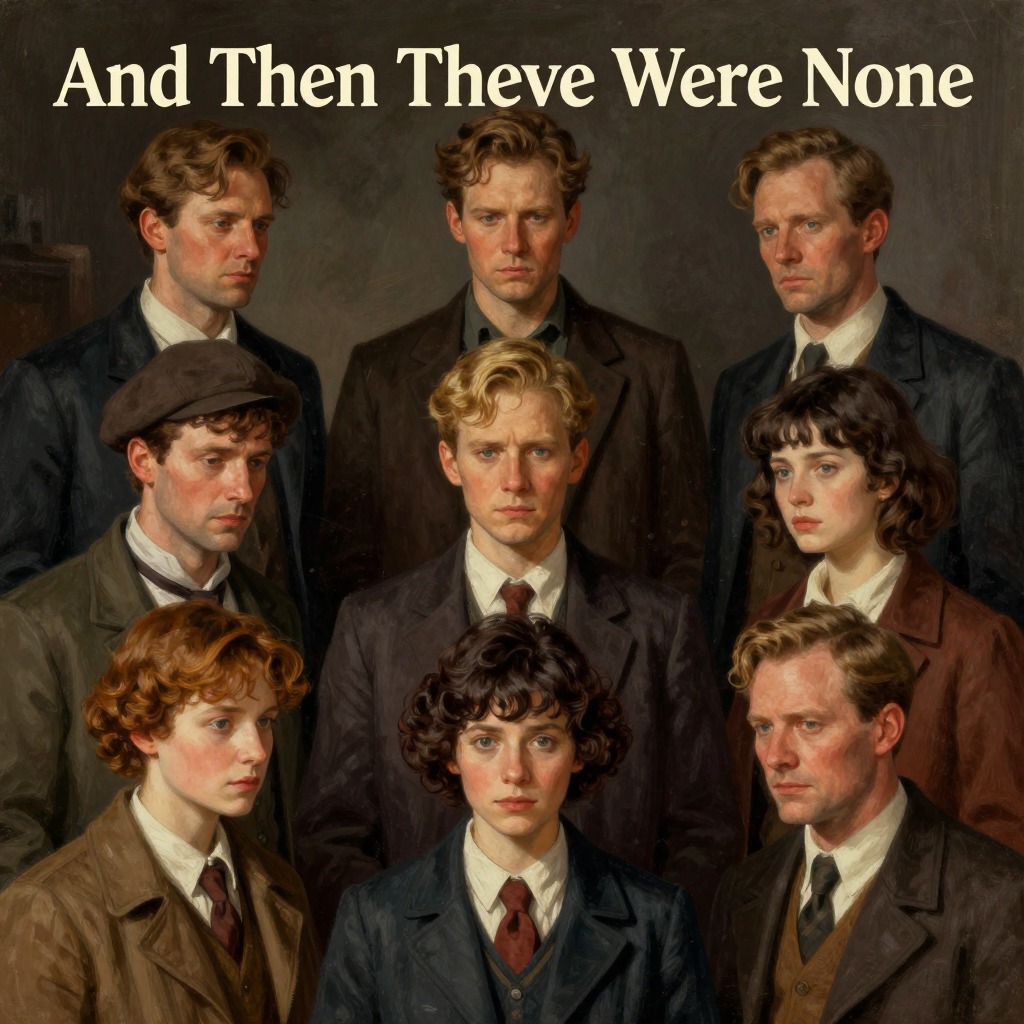
The Characters' Reactions to Guilt
How each of the ten characters responds to the accusation of murder, revealing their true nature.
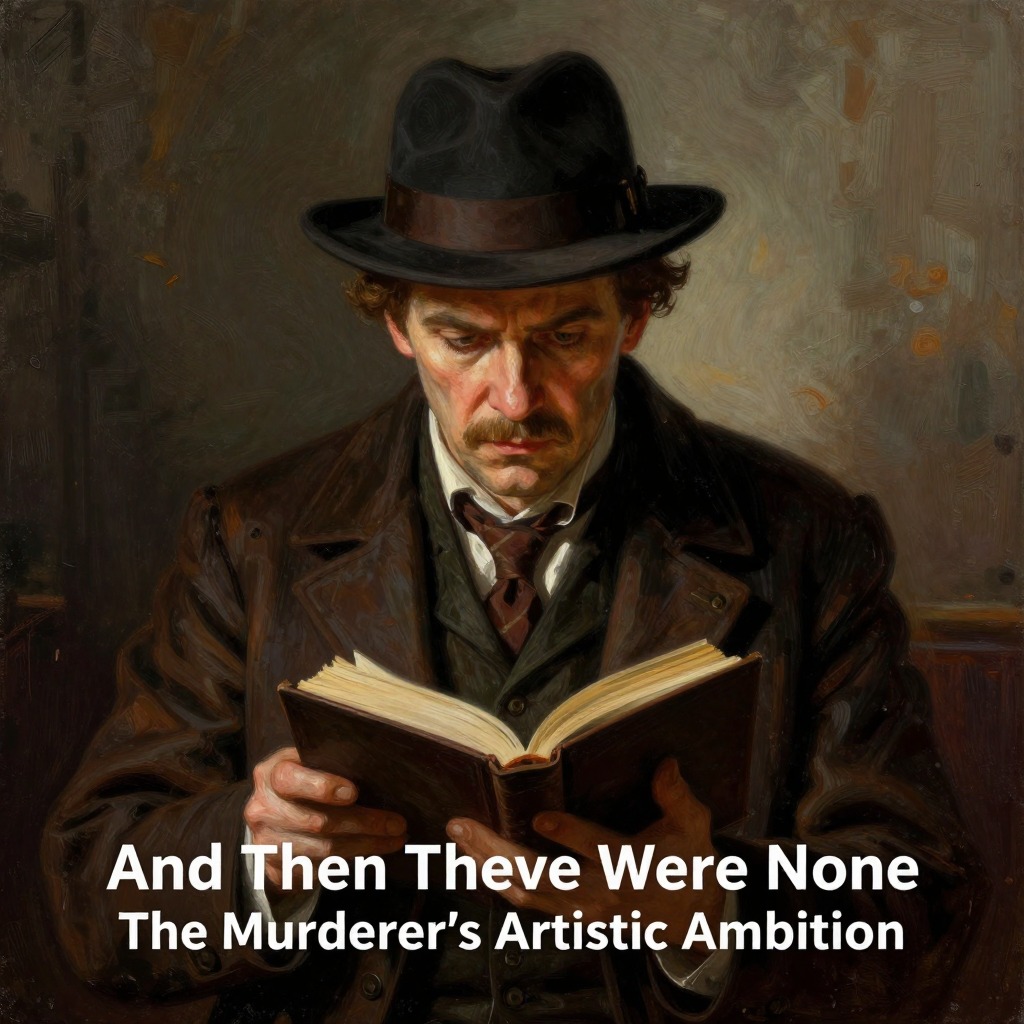
The Murderer's Artistic Ambition
Wargrave's desire to create a perfect crime, as an artist, not just a killer, and his need for recognition.
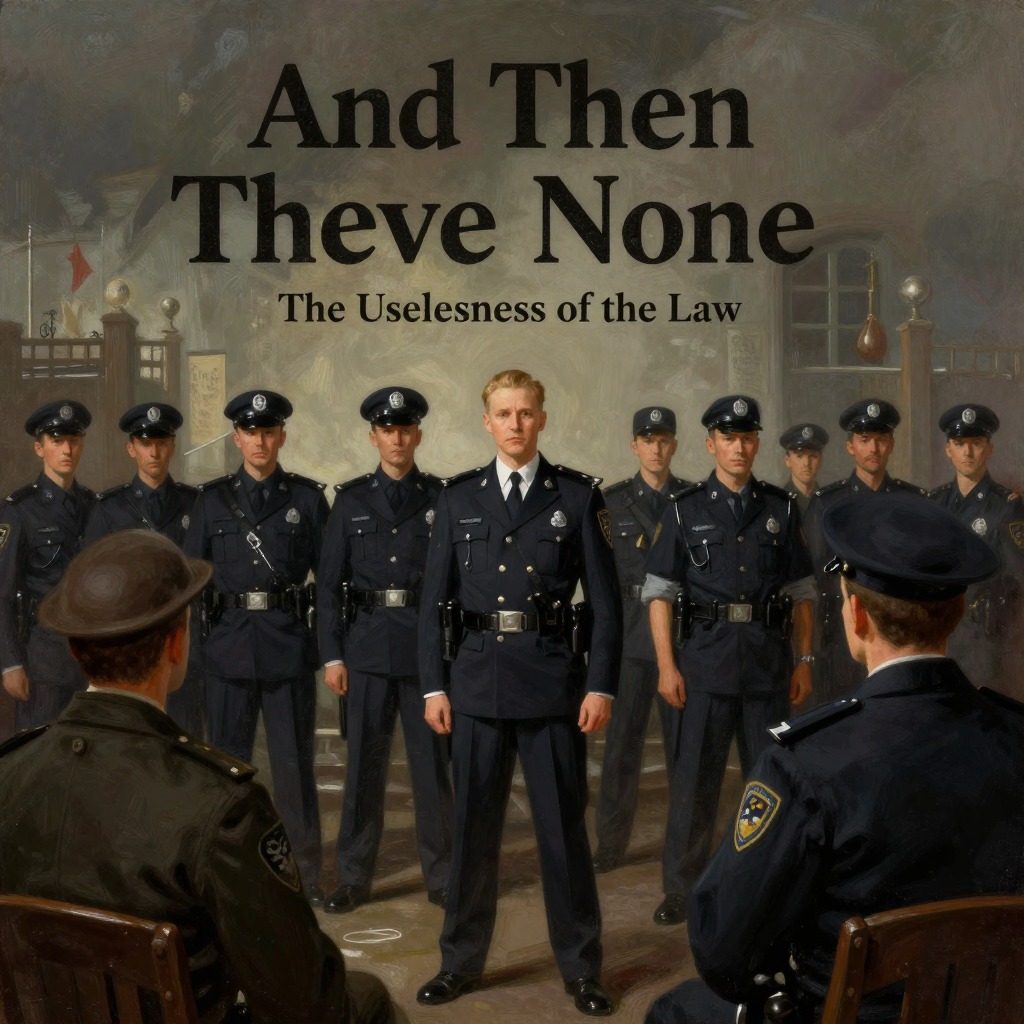
The Uselessness of the Law
The epilogue shows the police baffled, unable to solve the crime, highlighting the failure of official justice.
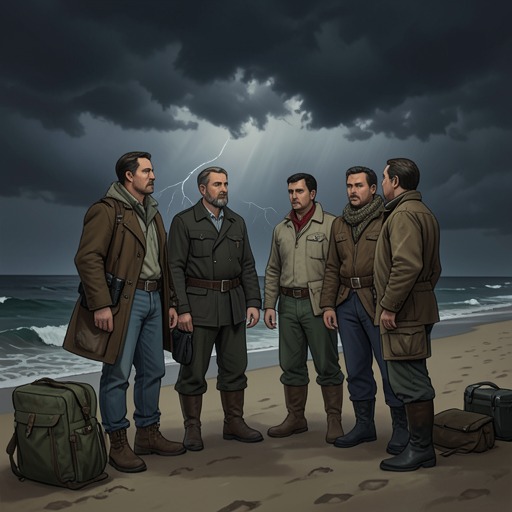
The Relationships Between the Victims
The fleeting connections, alliances, and suspicions that form among the guests as they are thrown together.
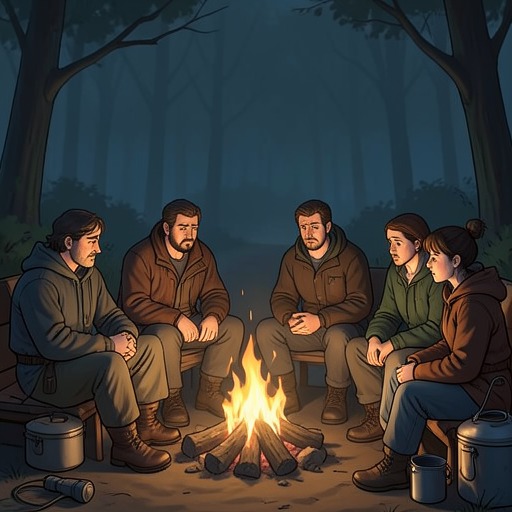
The Moral Ambiguity of the Victims
Examines whether the victims truly deserved to die, and whether Wargrave's judgment was fair.
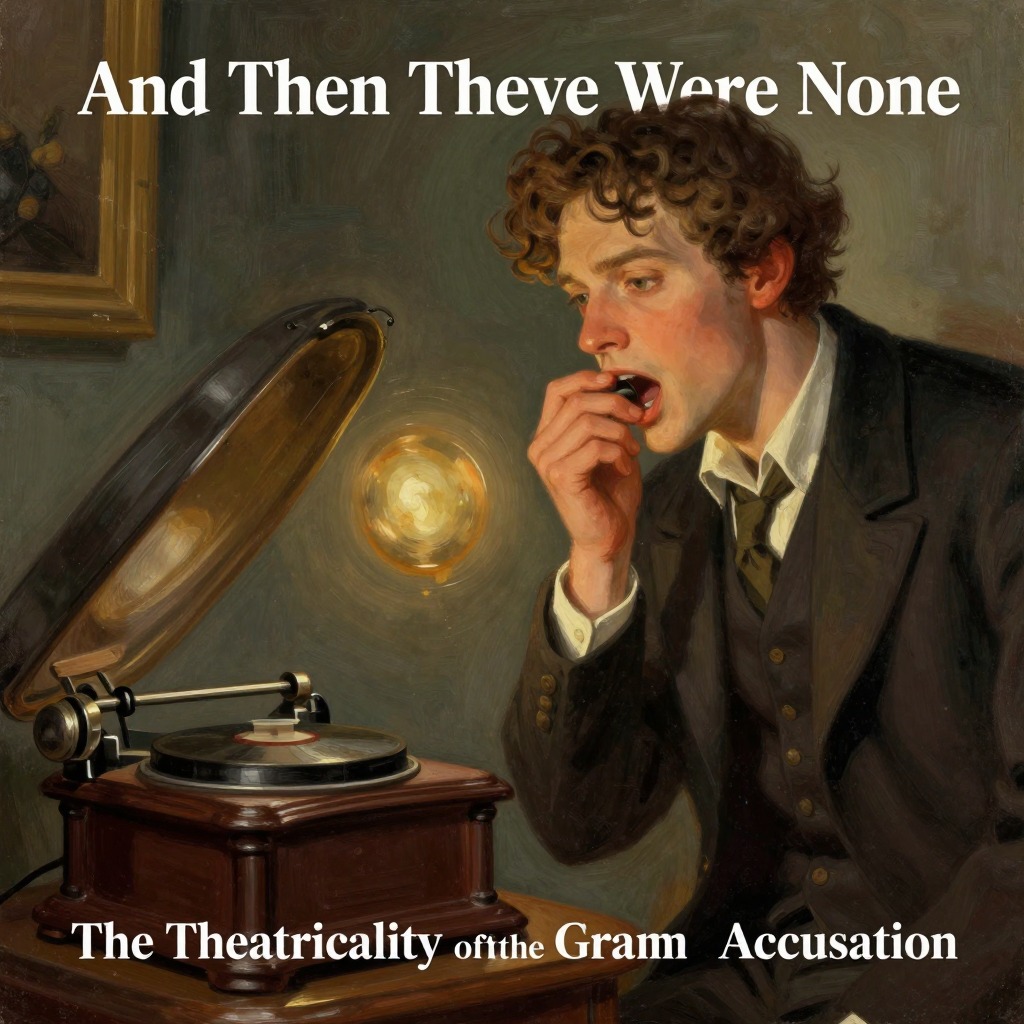
The Theatricality of the Gramophone Accusation
The dramatic revelation of the crimes through a recorded voice, setting the stage for the entire plot.

The Symbolism of the Sea
The sea surrounds the island, representing both isolation and the characters' past crimes, particularly for Vera.
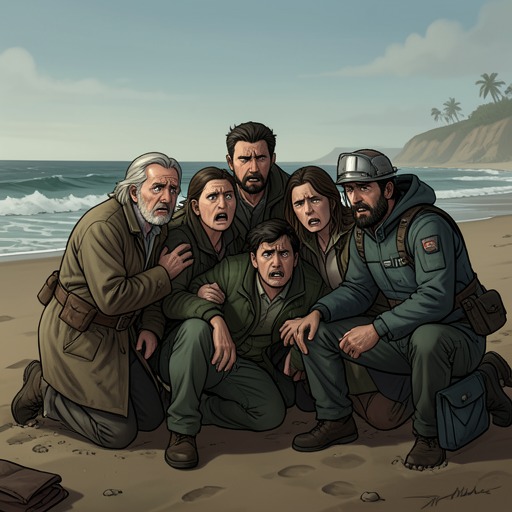
The Psychological Unraveling of the Survivors
The step-by-step mental breakdown of the remaining guests as the murders continue.
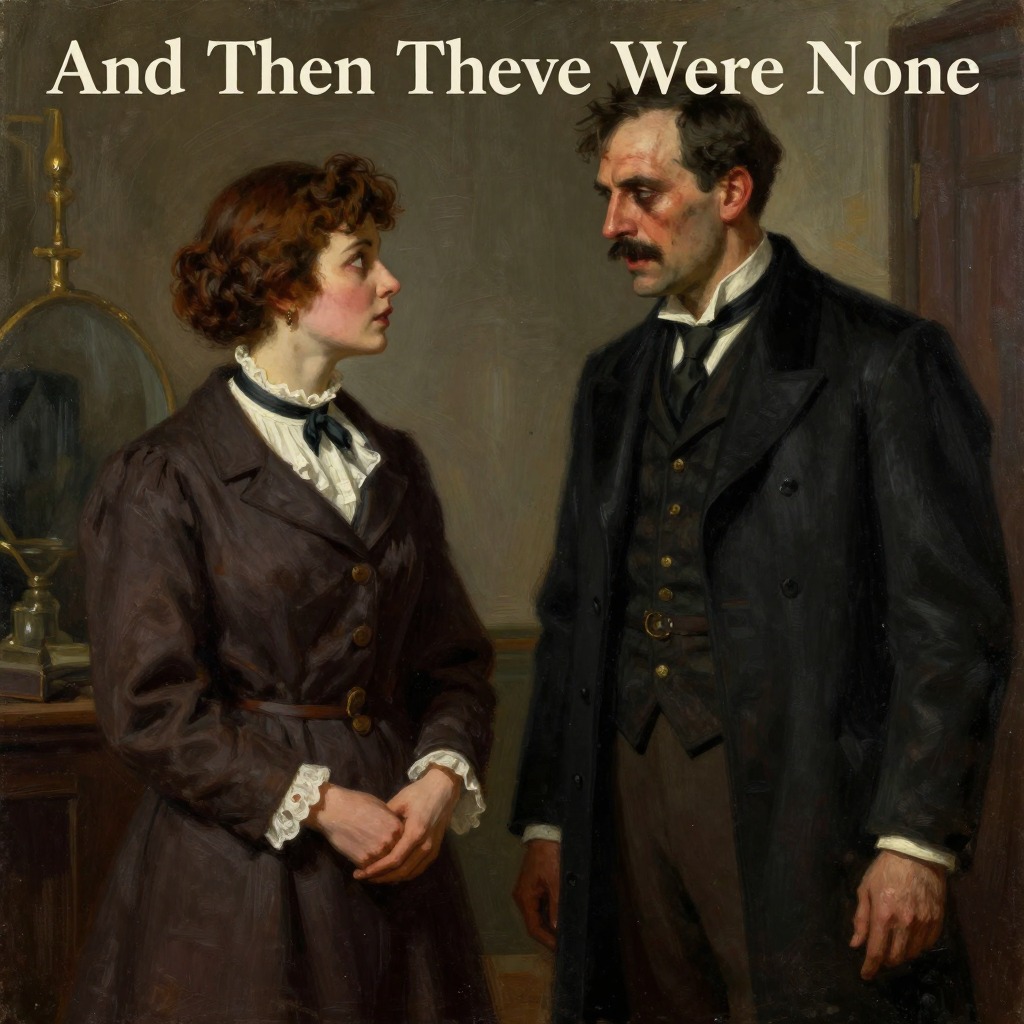
The Martyrdom of the Servants
The fate of Thomas and Ethel Rogers, who were guilty of a crime but also victims of a cruel master.
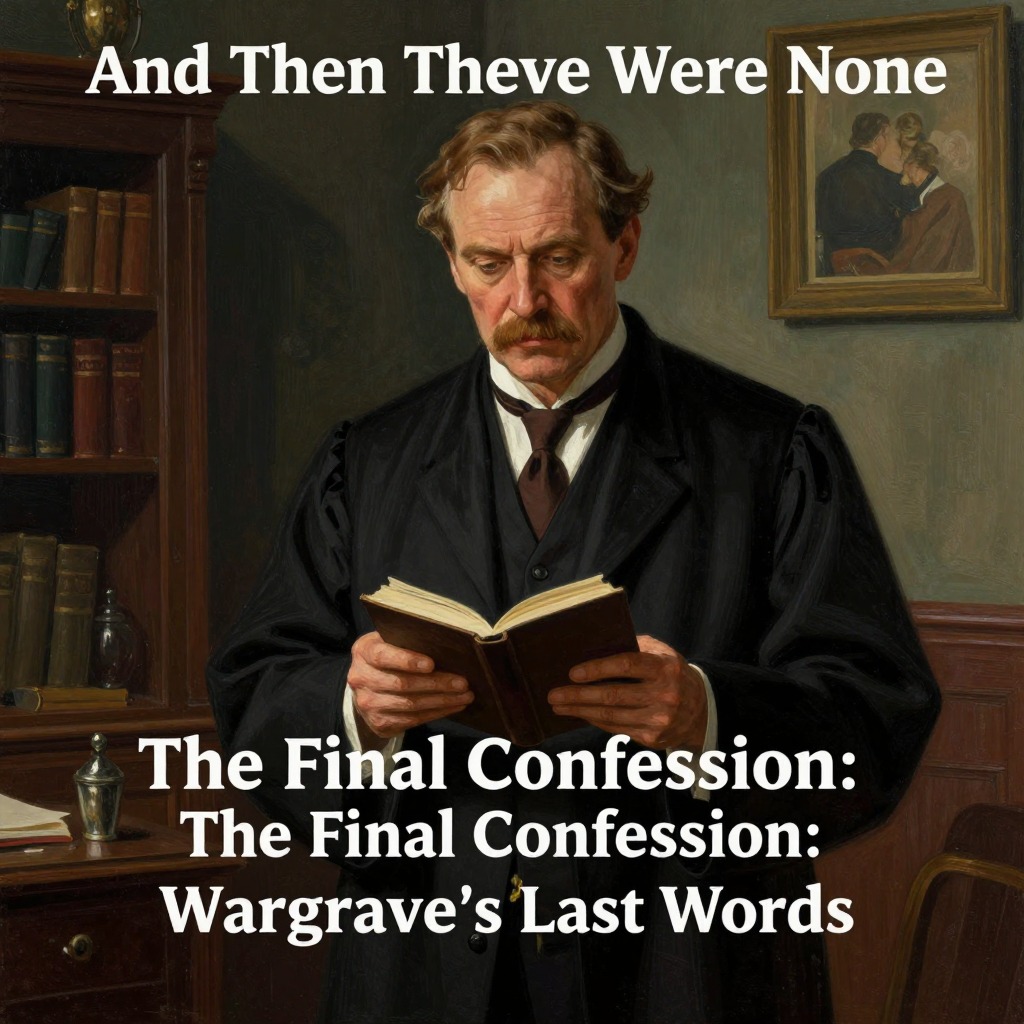
The Final Confession: Wargrave's Last Words
The revelation of the truth through the judge's confession, providing closure to the mystery.
The Pattern of the Nursery Rhyme
How the sequence of deaths strictly follows the verses of the Ten Little Indians, creating a sense of inevitability.

The Motivation of Revenge
The driving force behind the plot: Wargrave's desire to avenge the victims of the law's failures.