
The Moral Ambiguity of the Victims
And Then There Were NoneExamines whether the victims truly deserved to die, and whether Wargrave's judgment was fair.
increasing Bearing strength in each event
 decreasing
Bearing strength in each eventdecreasingThe Spectrum of Guilt
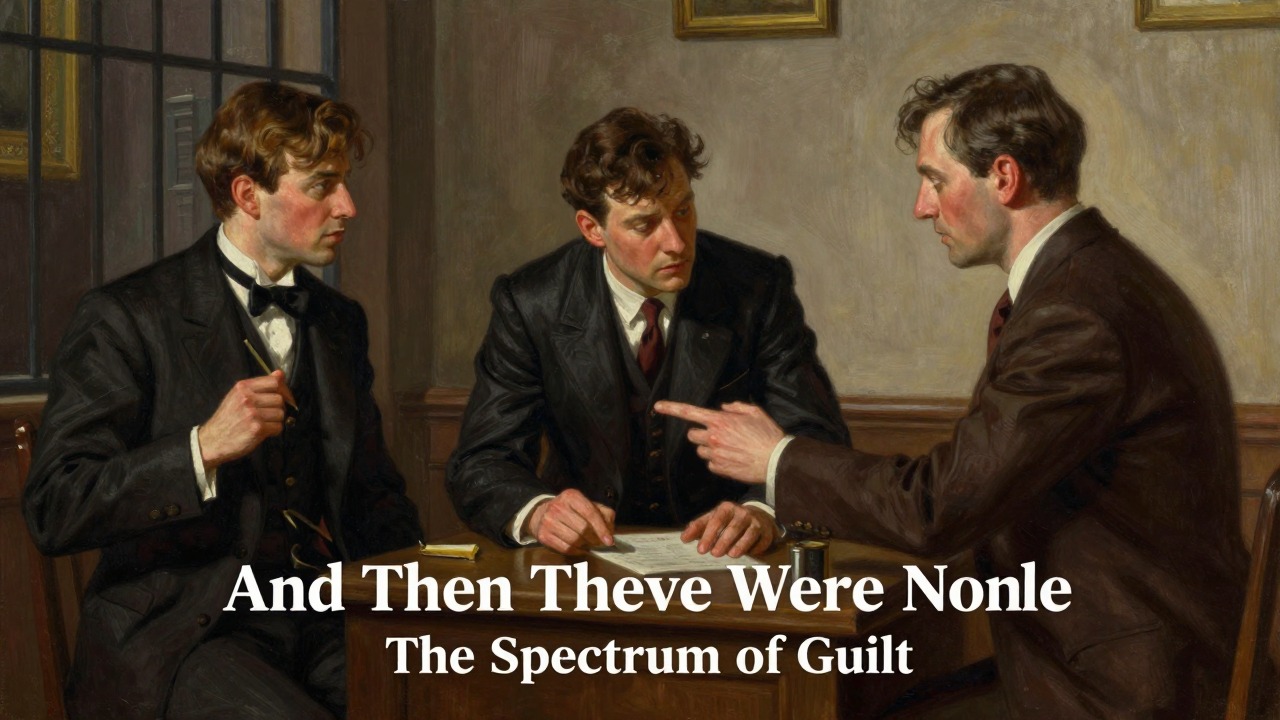
The Degrees of Culpability
The Hardened Criminals
William Henry Blore, Philip Lombard, and Lawrence John Wargrave were guilty of crimes that were clearly murder. Blore's perjury sent an innocent man to prison. Lombard abandoned his men to die. Wargrave manipulated a jury to convict an innocent man. They were the most culpable.
The Lesser Offenders
Ethel Rogers was under her husband's influence. Her crime was passive. Thomas Rogers was more active. Emily Caroline Brent's cruelty led to a suicide, but she did not kill directly. Vera Elizabeth Claythorne's murder was premeditated, but she was driven by love. The novel leaves the reader to decide who was truly guilty.
The Judge's Own Guilt
The Hypocrite
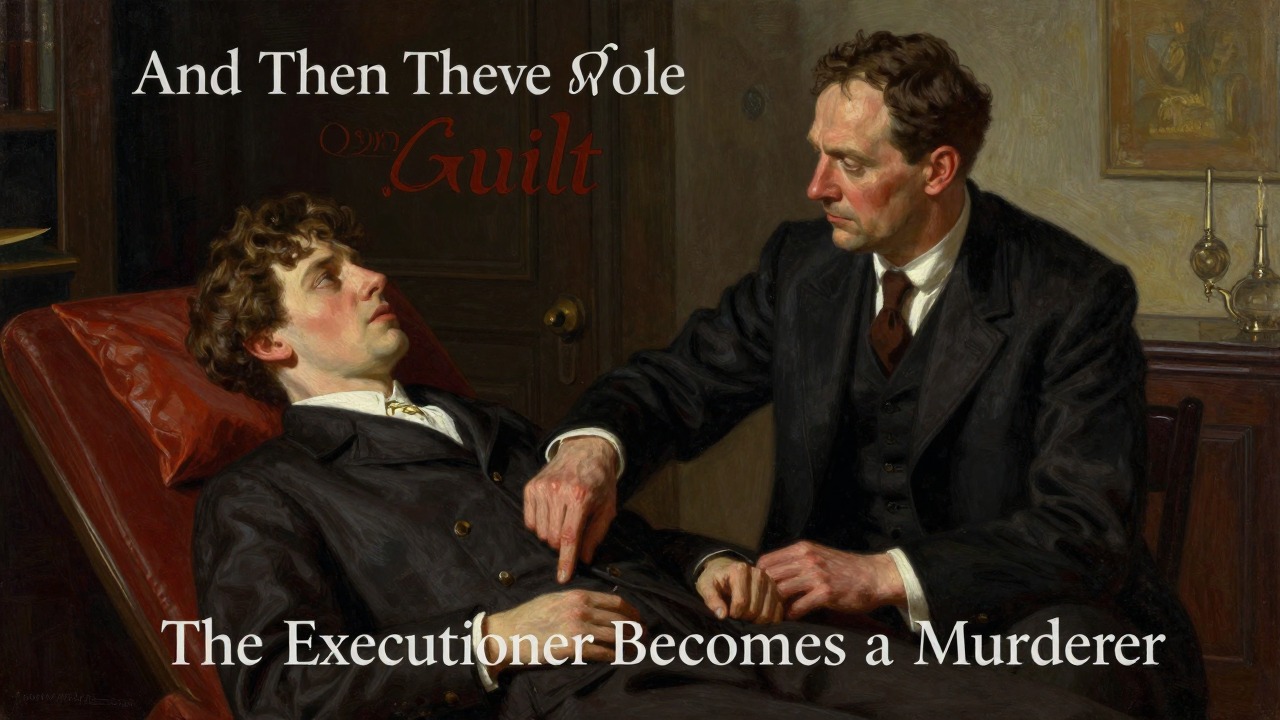
The Executioner Becomes a Murderer
Wargrave considered himself a judge, but he was also a murderer. He killed Isaac Morris, who was guilty, but he also killed Ethel Rogers, who was less culpable. He killed for pleasure as much as for justice. His own guilt was as great as any of his victims. The novel suggests that no one is pure enough to judge others.
the backstories
the entire novel
