
The Role of Conscience and Confession
And Then There Were NoneHow the characters' past crimes catch up with them, leading to confessions, acceptance, or denial, and how the island itself becomes a confessional.
increasing Bearing strength in each event
 decreasing
Bearing strength in each eventdecreasingThe Truth Comes Out
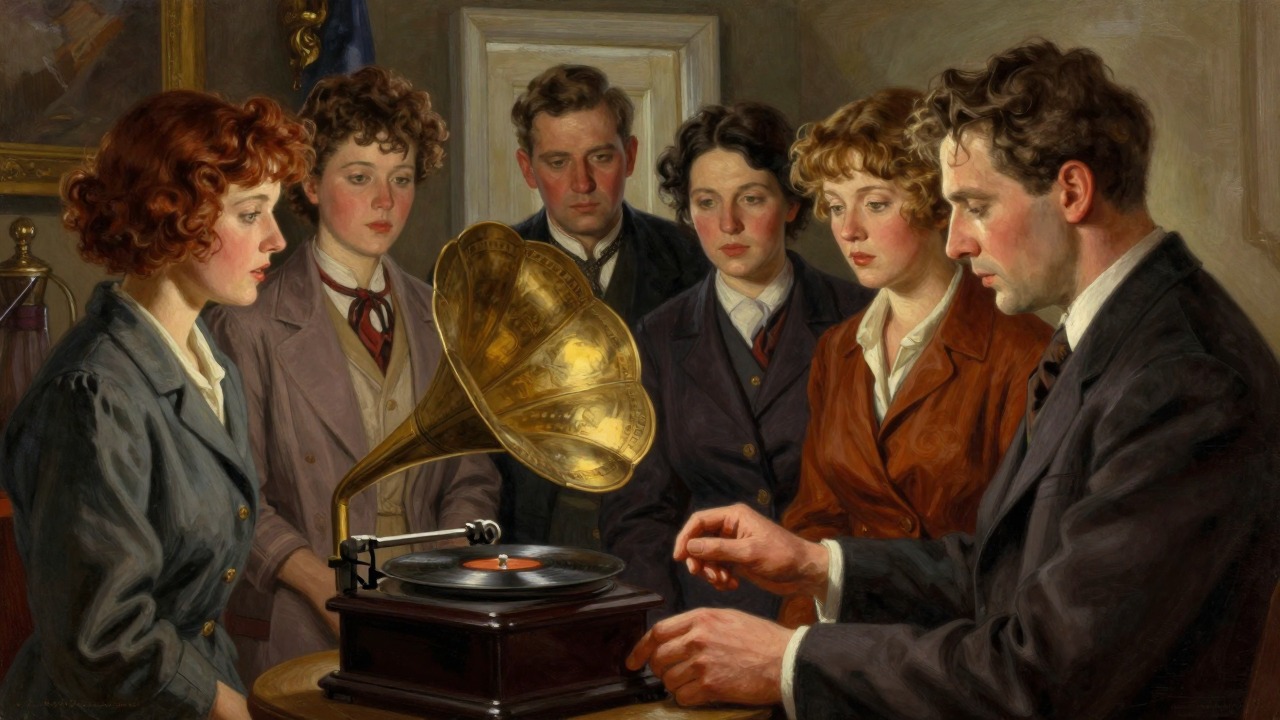
The Unburdening
The Gramophone as Confessor
The gramophone record forced the characters to confront their past. Some, like Philip Lombard, admitted their crimes openly. Others, like Emily Caroline Brent, refused to speak. The accusation was a kind of confession, whether they admitted it or not. The secret was out.
The Private Confessions
John Gordon Macarthur confessed to Vera Elizabeth Claythorne. Vera herself was haunted by her guilt. The characters began to reveal their secrets to each other, seeking absolution or simply release. The island became a place of truth, where the masks of civilization were stripped away.
The Final Confession
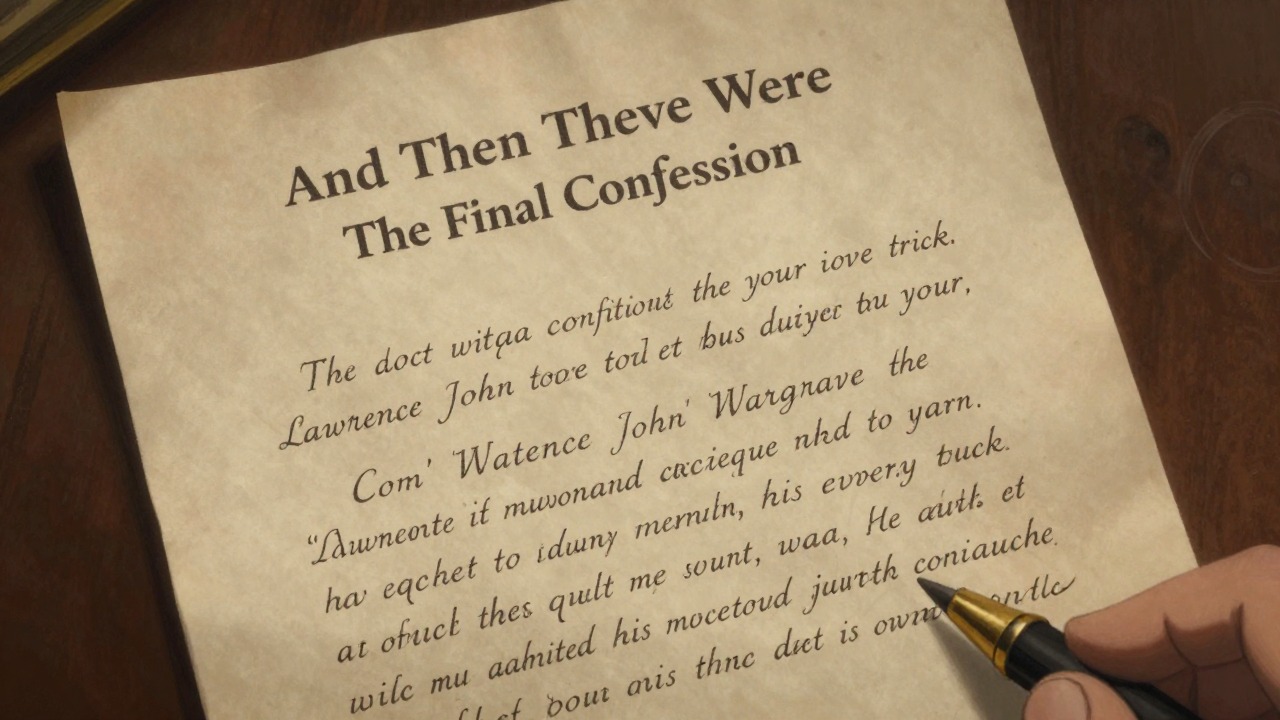
The Judge's Statement
The Written Confession
Lawrence John Wargrave's confession was the ultimate revelation. He explained every murder, every motive, every trick. He admitted his own guilt and his own death. The confession was a masterpiece of self-justification and self-indulgence. He wanted the world to know how clever he was.
The Unanswered Questions
The confession answered many questions, but it also raised new ones. Was Wargrave insane? Was he justified? The confession is a challenge to the reader: what is justice? The novel leaves the final judgment to the reader. The confession is a mirror, reflecting the reader's own moral compass.
August 8th-10th
after the deaths, in the bottle
