
The Motivation of Revenge
And Then There Were NoneThe driving force behind the plot: Wargrave's desire to avenge the victims of the law's failures.
increasing Bearing strength in each event
 decreasing
Bearing strength in each eventdecreasingThe Personal Vendetta
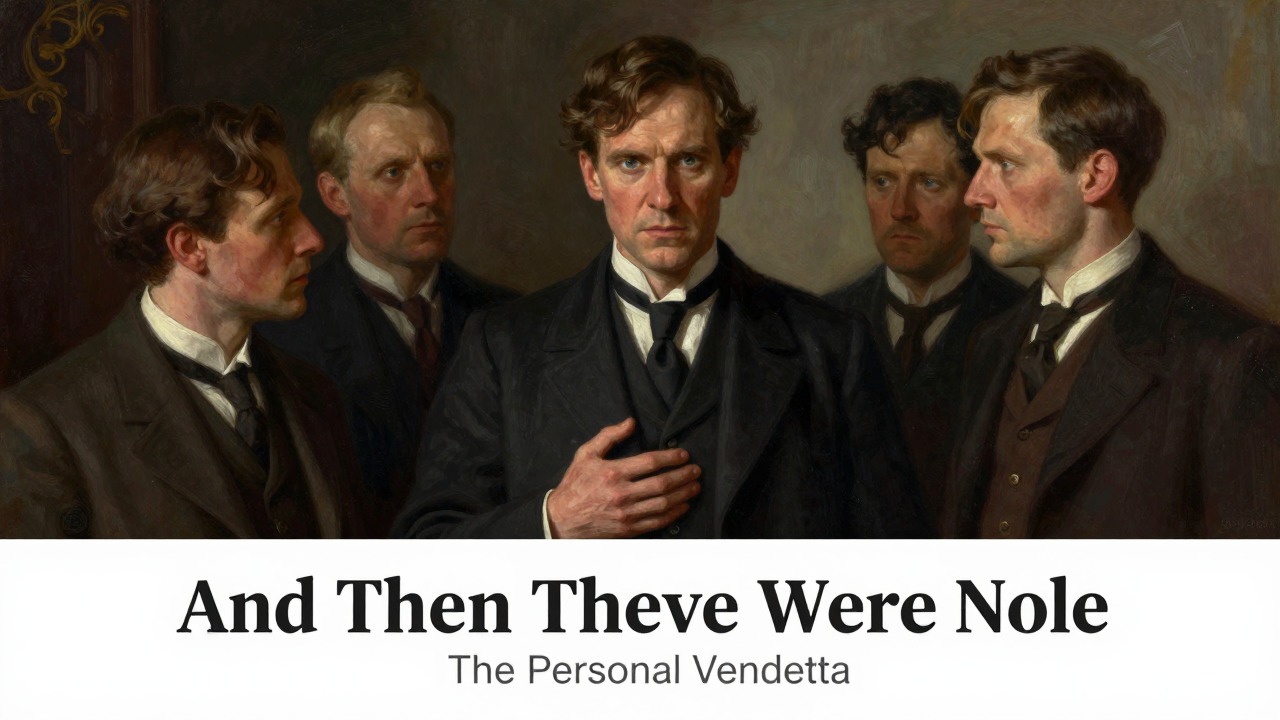
The Avenger
The Catalysts
Wargrave was motivated by a combination of factors: his own terminal illness, his sadistic pleasure in death, and his sense of justice. He saw himself as an avenger for those who had been wronged by the law. He took special pleasure in killing Edward Seton, who had been convicted by his own summing-up.
The Flawed Revenge
Wargrave's revenge was not pure. He killed some who were less guilty, and he enjoyed the killing itself. His revenge was tainted by his own darkness. The novel questions whether revenge can ever be just.
The Victims' Vengeance
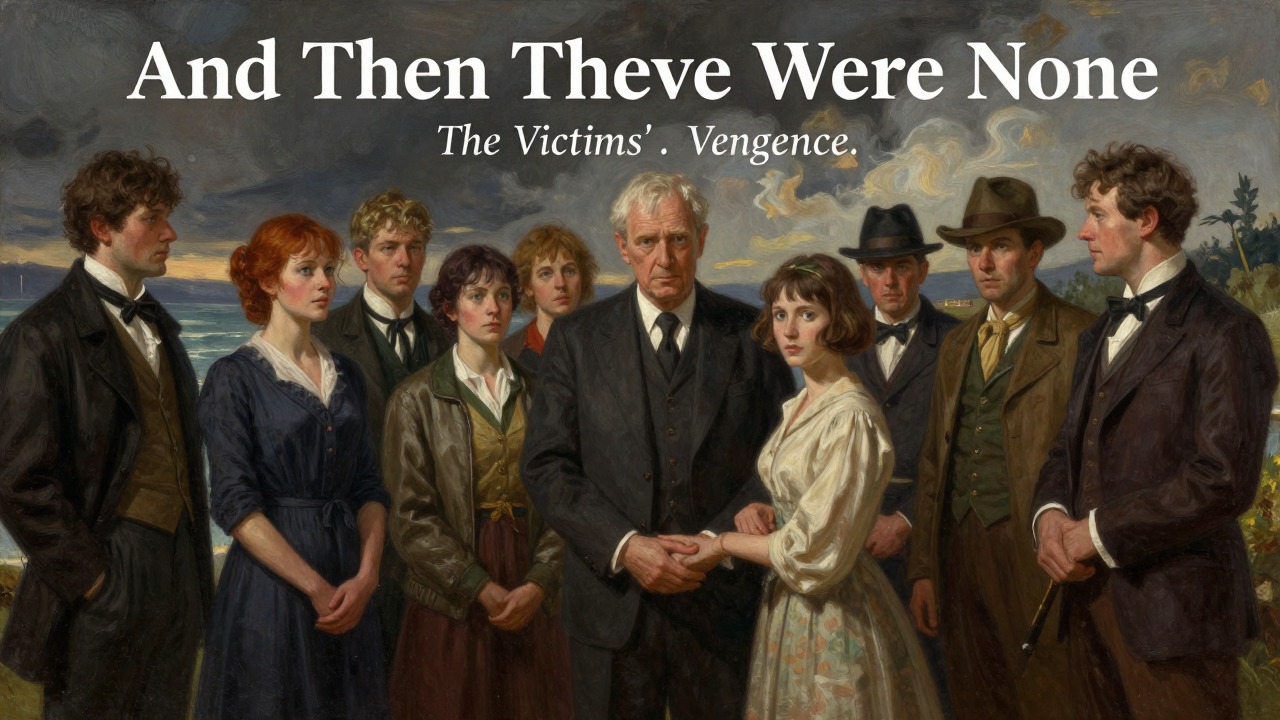
The Cycle of Violence
The Unpunished Killers
Each of the victims had caused a death, but they had escaped punishment. They were not innocent. The island was a place where they were held accountable. The revenge was not just Wargrave's; it was the revenge of the dead: Beatrice Taylor, James Stephen Landor, Arthur Richmond, and the others.
The Final Reckoning
In the end, all ten were dead. The cycle of revenge was complete. But was it justice? The novel leaves the question open. Revenge may satisfy a desire for retribution, but it does not restore the dead. The only true justice is the one that comes from within.
Wargrave's life and planning
the entire novel
