Laura and Jim’s Breakup
AnimalsLaura and Jim’s Breakup is the quiet unmaking of a relationship that had begun to assume the shape of marriage. At the Circus Tavern, the couple meet after more than a week apart, but there is no greeting kiss, handshake, or dramatic reconciliation. Jim asks where they stand; Laura says that the dream of the relationship itself had enchanted her, then answers that she loves him only sometimes. The careful understatement makes the separation decisive: commitment remains part of their history, but it can no longer be treated as a secure promise.
Background and Fracture
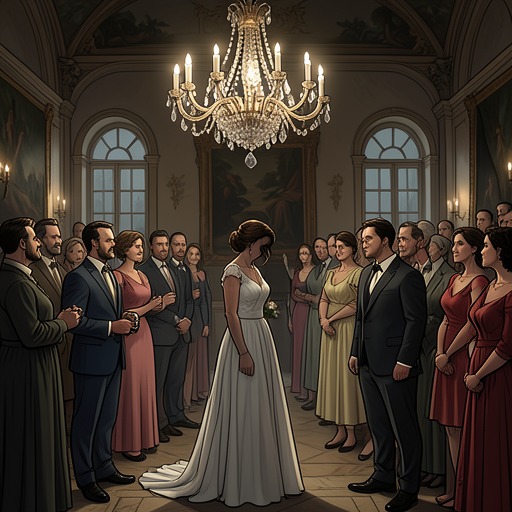
Before the breakup, Laura had understood her love for Jim partly through the steadiness she saw in him. His self-contained character reassured her, especially against her own sense of being a mess. Marriage, once a word she could use abstractly, had begun to feel like a material and costly reality. She pictured it as a huge, heavy, expensive presence suddenly at the foot of the bed, and admitted that she did not know what to do with it. The image registers both the seriousness of the commitment and her uncertainty about inhabiting it.
The relationship’s fracture is sharpened by Laura’s confrontation with Kirsten. When Kirsten speaks of how much she and Jim have been through together, Laura challenges her with a pointed reference to a window. Jim reaches for Laura’s arm and tries to lead her away; she shakes him off and objects to being pulled. The public scene makes the damage visible in their gestures: Jim attempts to manage the encounter, while Laura insists on control of her own movement. It supplies an immediate context for the strained reunion, although the later conversation does not spell out a single cause for the breakup.
The Meeting at the Circus Tavern
Jim contacts Laura after more than a week of silence. He says his parents are beside themselves, that the money and arrangements are on hold, and that she has every right to ignore him. He proposes that they sort things out and sets a meeting for three the following afternoon at the Circus Tavern. The practical language places the relationship’s emotional crisis beside its consequences for other people and for the planned wedding; it does not, however, make the meeting a straightforward attempt to restore the engagement.
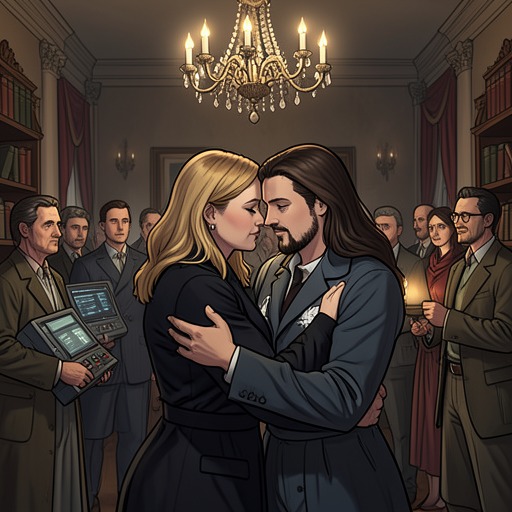
At the pub, Jim sits in a back corner with two glasses of white wine in front of him. He does not stand when Laura arrives, and neither of them moves to kiss or shake hands. She sits beside him, looks at the glasses, and waits. Jim takes a sip; Laura picks up the other glass. His exhausted appearance and the sight of him drinking again stir a complicated response in her: she cannot deny that she is glad to see him drink. The moment offers a small relief, but it is not a reunion. The wine marks a return to behavior associated with Jim before his sobriety, while their careful, unceremonious seating keeps them physically close and emotionally estranged.
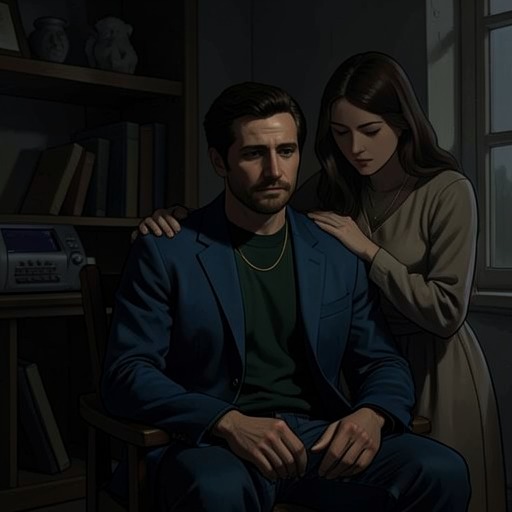
Laura asks Jim to apologize to her parents for the fuss. The request catches in her throat, and her feelings shift beyond anger toward pity for herself and tenderness for her own heart. The scene does not present either person as untouched by the separation: Jim looks exhausted, while Laura recognizes that her own hurt cannot be reduced to satisfaction at his pain. Their shared history remains emotionally active even as the relationship is failing.
The Answer and Its Consequences
When Jim asks how she feels about their relationship, Laura drinks before answering. She explains that the dream itself had enchanted her. Jim does not understand the reference, and Laura identifies it as Yeats; he then asks directly whether she loves him. Her answer is sometimes. The word neither denies the love that brought them together nor offers the certainty Jim is seeking. Its qualification makes the central change plain: Laura can still feel attachment, but she cannot promise that feeling as a continuous basis for marriage.
The exchange also reverses the promise of the earlier marriage-shaped future. What had once appeared to Laura as an imposing but increasingly concrete possibility is now reduced to a question neither of them can resolve through the wedding arrangements or the expectations of their families. Jim’s appeal to sort things out meets no firm declaration that the relationship can be repaired. The scene’s emotional turning point is therefore not a loud argument but the mismatch between his direct question and her limited, honest answer.
Six months later, at Mel and Julian’s wedding, Laura is on the terrace while the couple slow-dance inside. After several guests ask where Jim is, she says she has no idea and feels relieved by that state of affairs. The response shows the separation still shaping her social life: Jim’s absence has become something she must explain, but it is also a release she can acknowledge. Tyler does not ask about him, leaving Laura without either a renewed public performance of the couple or a demand to account for its end.
Narrative Significance
The breakup is conveyed through ordinary arrangements and restrained physical actions: a scheduled hour, two glasses, a seat taken without ceremony, and a question answered with a single qualification. These details carry the force that a dramatic declaration might otherwise supply. Wedding expenses remain on hold, but the decisive uncertainty is personal rather than logistical; Laura’s answer makes clear that the imagined marriage and the living relationship are no longer the same thing.
The novel also lets the consequences arrive by recurrence rather than by a final ceremonial scene. The meeting leaves the relationship unresolved in tone, but the later reception places Laura apart from Jim and registers her relief at his absence. In that contrast, the breakup becomes more than a moment of hurt: it is a change in what Laura can promise, and in the future she is willing to continue performing as shared.