Before 2 October 1872
The Enigmatic Clubman
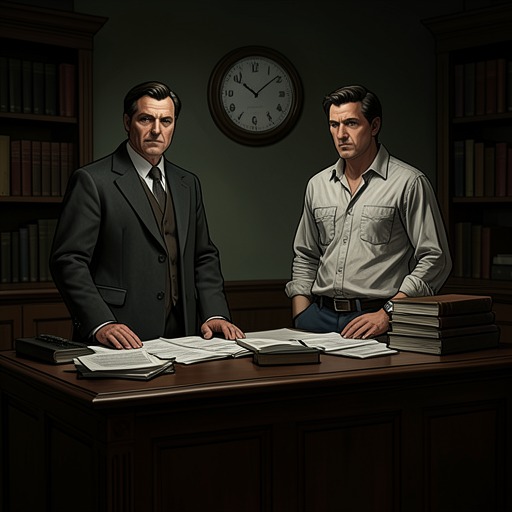
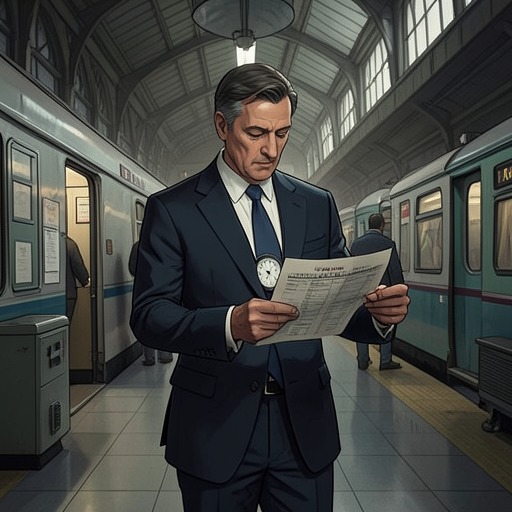
[Phileas Fogg](entity:character-recall-character-phileas-fogg-060b674137a2) lives alone at [Saville Row](entity:location-recall-location-saville-row-fe4672a4b978) and follows a life of almost mechanical routine. A wealthy but reticent member of the [Reform Club](entity:location-recall-location-reform-club-8eeb6a43abeb), he is known for punctuality, charity, reading newspapers, and playing whist, while his origins and fortune remain a mystery.
His household runs to a strict schedule, and a servant has just been dismissed for delivering shaving water at the wrong temperature. The house is waiting for a replacement, whose hopes for a quiet domestic post are about to be overturned.
2 October 1872
A New Valet
[Jean Passepartout](entity:character-recall-character-jean-passepartout-d1f2159239c3) arrives seeking employment after a varied career that has included singing, circus performance, gymnastics, and firefighting. He wants a settled life and believes that [Phileas Fogg](entity:character-recall-character-phileas-fogg-060b674137a2), whose habits are reputedly dependable, will provide one.
Fogg asks a few precise questions, notes that [Passepartout](entity:character-recall-character-passepartout-d8d72026cafa)’s watch is four minutes slow, and hires him at exactly twenty-nine minutes past eleven. Passepartout is left alone in the house, pleased by its order and unaware that his new master is about to abandon it.
2 October 1872
A Routine Explored
[Passepartout](entity:character-recall-character-passepartout-d8d72026cafa) inspects the house and studies the written programme governing the daily work. The precise timetable, numbered clothes, and carefully arranged rooms seem to him the ideal setting for a quiet life.
He concludes that Fogg is almost a machine, but a machine he can happily serve. The contrast between the valet’s lively temperament and his master’s rigorous habits will shape their journey together.
Evening of 2 October 1872
The Bank Robbery Discussed
At the [Reform Club](entity:location-recall-location-reform-club-8eeb6a43abeb), Fogg’s regular whist partners discuss the disappearance of £55,000 from [the Bank](entity:organization-recall-organization-2688f057c04d) of [England](entity:location-recall-location-edbf4fdebc64). Some believe the thief will be caught; others argue that modern travel has made the world small enough for a fugitive to escape quickly.
Fogg remarks that an eighty-day circumnavigation is now possible, citing the new railway connection across [India](entity:location-recall-location-600eec71fa3c) and published travel schedules. His calm assertion turns a newspaper discussion into a challenge that will alter his life.
Evening of 2 October 1872
The Eighty-Day Wager
When Andrew Stuart doubts that the journey can be completed in eighty days, Fogg offers to make the attempt immediately. He stakes £20,000 against the other club members, insisting that the timetable already accounts for the obstacles they raise.
The party signs a formal agreement: Fogg must return to the [Reform Club](entity:location-recall-location-reform-club-8eeb6a43abeb) by 8:45 p.m. on [21 December](entity:time-recall-time-21-december-1ab0cdda7928). He gives the club a cheque for the stake and declares that he will leave that very evening, turning an abstract argument about progress into a test of his own precision.
Evening of 2 October 1872
The Sudden Departure
Fogg returns home hours earlier than [Passepartout](entity:character-recall-character-passepartout-d8d72026cafa) expects and announces that they are going around the world. They will carry only a carpet-bag with a few changes of clothes, buying whatever else they need along the route.
Passepartout is stunned: he had accepted the position precisely because he thought his new master never travelled. Fogg packs banknotes into the bag, and the pair set out for the station with the wager’s fortune in their care.
Evening of 2 October 1872
A Charitable Parting
On the way to the station, Fogg gives the twenty guineas he has just won at whist to a poor woman carrying a child. [Passepartout](entity:character-recall-character-passepartout-d8d72026cafa) is moved by the quiet generosity of an employer whose reserve has made him seem almost inhuman.
At the station, Fogg tells his club friends that they may judge his success by his passport when he returns. He boards the train with Passepartout, who soon remembers that he left his gas burner alight; Fogg coolly tells him that the expense will be charged to him.
First week after 2 October 1872
London Bets on the Journey
News of Fogg’s departure spreads through the newspapers and clubs. Most commentators dismiss the attempt as impossible, and the [Royal Geographical Society](entity:organization-recall-organization-6f1648e27e29) argues that one missed connection or delay could ruin the schedule.
The public begins wagering on Fogg as if he were a racehorse. His supporters dwindle until Lord Albemarle is nearly alone in backing him, but the speculation soon changes sharply when a telegram accuses Fogg of stealing £55,000 from [the Bank](entity:organization-recall-organization-2688f057c04d) of [England](entity:location-recall-location-edbf4fdebc64).
Before 9 October 1872
Fix Takes the Trail
Detective [Fix](entity:character-recall-character-fix-33698f51f4ac) receives the description of the suspected bank robber and waits for the steamer [Mongolia](entity:object-recall-object-mongolia-80e5d3a0f812) at [Suez](entity:location-recall-location-c909234ea9ed). The resemblance between the description and Fogg is strong enough to convince him that his quarry may be travelling under the cover of the wager.
Fix sends a telegram to [London](entity:location-recall-location-london-420923d4a60a) asking for an arrest warrant to be sent to [Bombay](entity:location-recall-location-b98a733ce570). He does not yet have legal authority to arrest Fogg, so he must follow him and wait for the document to catch up.
9 October 1872
The Suez Passport
When the [Mongolia](entity:object-recall-object-mongolia-80e5d3a0f812) reaches [Suez](entity:location-recall-location-c909234ea9ed), [Fix](entity:character-recall-character-fix-33698f51f4ac) recognizes the description on Fogg’s passport. Fogg comes ashore to have it visaed, explaining that he wants proof of his passage through the port, not because the document is required for travel.
The consul finds Fogg’s manner entirely respectable, but Fix is increasingly convinced that appearances conceal a criminal. He decides to board the Mongolia and pursue Fogg to [Bombay](entity:location-recall-location-b98a733ce570), where he hopes the warrant will arrive.
9 October 1872
A Journey Logged
Aboard the [Mongolia](entity:object-recall-object-mongolia-80e5d3a0f812), Fogg records the completed stages of the trip in his itinerary, including the passage through [Paris](entity:location-recall-location-657453741ed3), [Turin](entity:location-recall-location-24620228c0cd), and [Brindisi](entity:location-recall-location-d6a5a920fdad). His notes show that he has neither gained nor lost time by reaching [Suez](entity:location-recall-location-c909234ea9ed).
While Fogg eats in his cabin and ignores the town, [Fix](entity:character-recall-character-fix-33698f51f4ac) finds [Passepartout](entity:character-recall-character-passepartout-d8d72026cafa) on the quay. The detective uses the talkative valet’s openness to confirm that Fogg has left [London](entity:location-recall-location-london-420923d4a60a) in haste, carries a large sum, and intends to continue through [India](entity:location-recall-location-600eec71fa3c).
9 October 1872
Passepartout’s Watch
[Passepartout](entity:character-recall-character-passepartout-d8d72026cafa) tells [Fix](entity:character-recall-character-fix-33698f51f4ac) that his family watch still keeps [London](entity:location-recall-location-london-420923d4a60a) time, even though they are now in [Suez](entity:location-recall-location-c909234ea9ed). Fix explains that local time changes with longitude, but Passepartout stubbornly insists that the sun must be wrong rather than his watch.
Their conversation also reveals Passepartout’s confusion about the true purpose of the journey. Fix interprets the valet’s answers as evidence that Fogg is using the wager as a disguise for flight and sends a further message requesting a warrant at [Bombay](entity:location-recall-location-b98a733ce570).
9–20 October 1872
Across the Red Sea
The [Mongolia](entity:object-recall-object-mongolia-80e5d3a0f812) makes good progress from [Suez](entity:location-recall-location-c909234ea9ed) through the [Red Sea](entity:location-recall-location-b230fac9e9bc) and onward across the [Indian Ocean](entity:location-recall-location-b151eb1b4acc). Fogg spends the voyage eating and playing whist, apparently unmoved by the weather or the unfamiliar coast.
[Passepartout](entity:character-recall-character-passepartout-d8d72026cafa) enjoys the sights and befriends [Fix](entity:character-recall-character-fix-33698f51f4ac), who conceals his real purpose behind a friendly manner. The detective listens for information while the valet assumes that the journey will soon end, perhaps in [Bombay](entity:location-recall-location-b98a733ce570).
20 October 1872
Two Days Gained
The [Mongolia](entity:object-recall-object-mongolia-80e5d3a0f812) reaches [Bombay](entity:location-recall-location-b98a733ce570) two days ahead of schedule. Fogg records the gain in his itinerary, then goes about the necessary formalities without taking time to see the city’s landmarks.
[Fix](entity:character-recall-character-fix-33698f51f4ac) discovers that no arrest warrant has arrived and that local police cannot issue one on [London](entity:location-recall-location-london-420923d4a60a)’s behalf. He nevertheless decides to keep Fogg under observation, assuming that the traveler will stay in Bombay long enough for the paperwork to catch up.
Evening of 20 October 1872
Passepartout Visits the Pagoda
While Fogg attends to his arrangements, [Passepartout](entity:character-recall-character-passepartout-d8d72026cafa) wanders through [Bombay](entity:location-recall-location-b98a733ce570) during a Parsee festival. His curiosity leads him into a pagoda on [Malabar Hill](entity:location-recall-location-1cf56c8e0540), unaware that visitors are required to remove their shoes and that Christians are barred from certain temple spaces.
The priests attack him for entering in his shoes. He fights his way free, loses his own shoes and newly purchased clothes, and reaches the station just before the train departs. Fogg rebukes him for the trouble, while [Fix](entity:character-recall-character-fix-33698f51f4ac) sees the incident as a possible legal means to detain his suspect.
22 October 1872
The Railway Ends at Kholby
Fogg, [Passepartout](entity:character-recall-character-passepartout-d8d72026cafa), and [Sir Francis Cromarty](entity:character-recall-character-sir-francis-cromart-9cba2b1de1fc) travel across [India](entity:location-recall-location-600eec71fa3c) on the [Great Indian Peninsula Railway](entity:organization-recall-organization-ab2a87075212). The train stops at [Kholby](entity:location-recall-location-1ca99d47136f), where the passengers discover that the railway is unfinished and that a fifty-mile gap remains before [Allahabad](entity:location-recall-location-cd1c86db30a0).
The newspapers had wrongly reported that the line was complete. Fogg treats the interruption as one of the obstacles he had anticipated and calmly searches for another means of transport rather than abandoning his schedule.
22 October 1872
The Elephant Bargain
Unable to find a carriage, Fogg agrees to buy an elephant named Kiouni from its owner. The price rises to £2,000, an enormous sum that leaves [Passepartout](entity:character-recall-character-passepartout-d8d72026cafa) appalled, but Fogg considers the animal essential to reaching [Allahabad](entity:location-recall-location-cd1c86db30a0) in time.
A young Parsee agrees to guide them through the forest. Fogg also offers Sir Francis a place on the elephant, and the party sets out across country, exchanging the railway’s unfinished track for a difficult overland journey.
22–23 October 1872
The Forest Crossing
The Parsee guide takes the travelers through forest and rough country, shortening the route toward [Allahabad](entity:location-recall-location-cd1c86db30a0). [Passepartout](entity:character-recall-character-passepartout-d8d72026cafa) bounces on the elephant’s back but keeps his spirits up by feeding Kiouni sugar, while Fogg and Sir Francis endure the uncomfortable howdahs.
The group camps overnight in a ruined bungalow and resumes the crossing the next morning. Passepartout, who had hoped the journey would end in [Bombay](entity:location-recall-location-b98a733ce570), now recognizes that Fogg is genuinely committed to circumnavigating the globe.
23 October 1872
The Procession in the Forest
Near [Allahabad](entity:location-recall-location-cd1c86db30a0), the travelers encounter a procession carrying a young widow and the corpse of her husband, a rajah. Sir Francis explains that the woman is to be burned with her husband in a suttee, and the guide confirms that the sacrifice is forced rather than voluntary.
The woman, [Aouda](entity:character-recall-character-aouda-15d6b7f76f22), is an orphan who was married against her will and is being drugged so she cannot resist. Though the rescue may endanger the schedule and their safety, Fogg decides to use the twelve hours he has available to save her.
Night of 23 October 1872
Planning Aouda’s Rescue
The Parsee guide pledges his help, explaining that [Aouda](entity:character-recall-character-aouda-15d6b7f76f22) belongs to his community and has been marked for death by the rajah’s relatives. Fogg and Sir Francis agree that the rescue must happen before dawn, when the ceremony will become impossible to interrupt.
They approach the temple at night but find it watched by guards. Their attempt to make an opening in the wall is interrupted when cries alert the watchers, forcing them to retreat and wait for another opportunity.
Dawn of 24 October 1872
Passepartout’s Disguise
As the ceremony begins, [Passepartout](entity:character-recall-character-passepartout-d8d72026cafa) climbs onto the funeral pyre under cover of smoke and darkness. He rises in the appearance of the supposedly resurrected rajah, lifts the unconscious [Aouda](entity:character-recall-character-aouda-15d6b7f76f22), and carries her away while the assembled crowd falls in terror.
The group escapes into the forest on Kiouni as the priests and soldiers realize that Aouda has been abducted. Passepartout’s daring intervention succeeds where the planned break-in failed, and Fogg recognizes his servant’s courage.
24 October 1872
Aouda Escapes the Pyre
The party reaches the railway at [Allahabad](entity:location-recall-location-cd1c86db30a0) with [Aouda](entity:character-recall-character-aouda-15d6b7f76f22) alive but still recovering from the drugs used to control her. Sir Francis warns that she would remain in danger if she stayed in [India](entity:location-recall-location-600eec71fa3c), and Fogg offers to take her to [Hong Kong](entity:location-recall-location-48649d37d412), where she has a relative.
Before leaving, Fogg gives the elephant to the Parsee guide in recognition of his devotion, rather than paying only the agreed fee. Aouda thanks her rescuers, and the group continues by train toward [Calcutta](entity:location-recall-location-cbd6ea8a2d10).
24–25 October 1872
The Journey to Calcutta
[Aouda](entity:character-recall-character-aouda-15d6b7f76f22) travels with Fogg and [Passepartout](entity:character-recall-character-passepartout-d8d72026cafa) through [Benares](entity:location-recall-location-5f6c093edcaf) and along the Ganges valley. She learns how Fogg risked his journey to rescue her, while Fogg offers to escort her safely to [Hong Kong](entity:location-recall-location-48649d37d412).
The train reaches [Calcutta](entity:location-recall-location-cbd6ea8a2d10) on 25 October, exactly when Fogg’s itinerary predicted. The two days gained on the voyage to [Bombay](entity:location-recall-location-b98a733ce570) have been lost during the railway interruption, but he has not yet fallen behind the overall schedule.
25 October 1872
Arrest in Calcutta
At the station, a policeman takes Fogg, [Passepartout](entity:character-recall-character-passepartout-d8d72026cafa), and [Aouda](entity:character-recall-character-aouda-15d6b7f76f22) into custody. The charge is temple desecration, stemming not from the rescue of Aouda but from Passepartout’s earlier entry into the pagoda on [Malabar Hill](entity:location-recall-location-1cf56c8e0540).
[Fix](entity:character-recall-character-fix-33698f51f4ac) has arranged for the [Bombay](entity:location-recall-location-b98a733ce570) priests to bring the complaint to [Calcutta](entity:location-recall-location-cbd6ea8a2d10), hoping a trial will keep Fogg in [India](entity:location-recall-location-600eec71fa3c) until the arrest warrant arrives. Passepartout realizes that his earlier escapade has put the journey in danger.
25 October 1872
The Temple Trial
Before Judge Obadiah, [Passepartout](entity:character-recall-character-passepartout-d8d72026cafa) blurts out that the priests had been about to burn [Aouda](entity:character-recall-character-aouda-15d6b7f76f22) at the [Pagoda of Pillaji](entity:location-recall-location-805c7251d244). The court is actually considering the earlier incident at [Malabar Hill](entity:location-recall-location-1cf56c8e0540), and the priests produce Passepartout’s shoes as evidence.
Fogg admits the charge rather than conceal what happened, and both men receive fines and prison sentences. He immediately pays bail for himself and Passepartout, refusing to let the case hold them, and the party makes for the steamer [Rangoon](entity:object-recall-object-rangoon-0d04d1b9b63a).
25 October 1872
The Rangoon Departs
Fogg, [Passepartout](entity:character-recall-character-passepartout-d8d72026cafa), and [Aouda](entity:character-recall-character-aouda-15d6b7f76f22) reach the [Rangoon](entity:object-recall-object-rangoon-0d04d1b9b63a) before its departure, while [Fix](entity:character-recall-character-fix-33698f51f4ac) watches from shore, frustrated that Fogg has avoided detention. The bail and other expenses have already cost Fogg thousands of pounds, but he continues to spend whatever the journey requires.
Fix boards the same steamer without being noticed. He hopes to secure Fogg’s arrest at [Hong Kong](entity:location-recall-location-48649d37d412), the last English territory on the route, before the suspect can move beyond the reach of a simple warrant.
Late October 1872
Aouda’s Story
During the voyage, [Aouda](entity:character-recall-character-aouda-15d6b7f76f22) confirms the account of her forced marriage and escape. She is a Parsee woman raised with an English education, and she had hoped to find refuge with a wealthy relative in [Hong Kong](entity:location-recall-location-48649d37d412).
Fogg assures her that her future can be arranged, while his attention to her comfort remains formal and measured. Aouda’s gratitude grows into a deeper attachment, though Fogg gives little indication that he recognizes it.
Late October 1872
Fix Follows the Party
[Fix](entity:character-recall-character-fix-33698f51f4ac) grows concerned that Fogg may leave [Hong Kong](entity:location-recall-location-48649d37d412) before the warrant arrives. He considers telling [Passepartout](entity:character-recall-character-passepartout-d8d72026cafa) that his master is suspected of robbery, hoping the loyal valet will help detain him.
The presence of [Aouda](entity:character-recall-character-aouda-15d6b7f76f22) adds another false possibility to Fix’s suspicions: he wonders whether she is part of an elopement. Meanwhile, Passepartout interprets Fix’s continued presence as proof that he is an agent of the [Reform Club](entity:location-recall-location-reform-club-8eeb6a43abeb) sent to check that Fogg honours the wager.
31 October 1872
Singapore Interlude
The [Rangoon](entity:object-recall-object-rangoon-0d04d1b9b63a) stops at [Singapore](entity:location-recall-location-22b100143ee9), having gained time on its schedule. Fogg and [Aouda](entity:character-recall-character-aouda-15d6b7f76f22) take a carriage ride through the island while [Fix](entity:character-recall-character-fix-33698f51f4ac) follows them discreetly, and [Passepartout](entity:character-recall-character-passepartout-d8d72026cafa) shops and waits aboard.
The stop offers a brief pause in the increasingly urgent journey. Passepartout continues to trust Fix as a companion, even as he privately suspects that the detective’s route is mysteriously bound to Fogg’s.
Early November 1872
The Storm Delays the Rangoon
Bad weather slows the [Rangoon](entity:object-recall-object-rangoon-0d04d1b9b63a) as it travels toward [Hong Kong](entity:location-recall-location-48649d37d412). [Fix](entity:character-recall-character-fix-33698f51f4ac) welcomes the delay because it may give the authorities time to send the warrant, while [Passepartout](entity:character-recall-character-passepartout-d8d72026cafa) grows furious at the storm’s threat to Fogg’s connections.
The vessel eventually reaches Hong Kong on 6 November, about a day behind schedule. The delay would have caused a serious problem, but the connecting steamer [Carnatic](entity:object-recall-object-carnatic-0a54a81b3767) has itself postponed departure for repairs.
6 November 1872
A Relative in Europe
Fogg takes [Aouda](entity:character-recall-character-aouda-15d6b7f76f22) to a hotel and searches for her cousin Jeejeeh, only to learn that he has left [Hong Kong](entity:location-recall-location-48649d37d412) and retired to Europe. Aouda has no secure family refuge in the city.
Fogg proposes that she continue with the party to Europe, where she can seek safety. She worries about burdening his project, but he insists that she does not interfere with his plans and instructs [Passepartout](entity:character-recall-character-passepartout-d8d72026cafa) to secure cabins on the [Carnatic](entity:object-recall-object-carnatic-0a54a81b3767).
6 November 1872
Fix Reveals the Accusation
[Fix](entity:character-recall-character-fix-33698f51f4ac) takes [Passepartout](entity:character-recall-character-passepartout-d8d72026cafa) to an opium-smoking house and finally reveals that he is a police detective tracking a bank robber. He claims that Fogg’s sudden departure, large supply of banknotes, and resemblance to the suspect prove his guilt.
Passepartout refuses to help Fix delay his master, insisting that Fogg is honest and that he will not betray him. Fix gets the valet drunk and gives him opium, intending to prevent him from warning Fogg that the [Carnatic](entity:object-recall-object-carnatic-0a54a81b3767) will sail earlier than expected.
Evening of 6 November 1872
Passepartout Misses the Steamer
While Fogg shops with [Aouda](entity:character-recall-character-aouda-15d6b7f76f22), [Passepartout](entity:character-recall-character-passepartout-d8d72026cafa) wakes from the effects of alcohol and opium and hurries to the quay. He reaches the [Carnatic](entity:object-recall-object-carnatic-0a54a81b3767) just as it is leaving and collapses aboard, unaware that Fogg and Aouda remain behind.
The drugged valet has failed to pass on the change in sailing time. His absence forces Fogg to find another route, while [Fix](entity:character-recall-character-fix-33698f51f4ac) believes his plan has bought him several days to secure an arrest.
7 November 1872
The Tankadere Bargain
At the quay, Fogg learns that the [Carnatic](entity:object-recall-object-carnatic-0a54a81b3767) has already sailed. Rather than wait a week, he searches the harbour for a vessel and meets the pilot [John Bunsby](entity:character-recall-character-john-bunsby-eebe54df9ee6), who is willing to take him toward [Shanghai](entity:location-recall-location-cfb85ff27bb7) in the [Tankadere](entity:object-recall-object-tankadere-afc47b1bca22).
Fogg offers generous payment for the voyage, and [Fix](entity:character-recall-character-fix-33698f51f4ac) accepts a place aboard, still intending to arrest him when possible. Fogg also reports [Passepartout](entity:character-recall-character-passepartout-d8d72026cafa) missing to the authorities and leaves money for a search before he and [Aouda](entity:character-recall-character-aouda-15d6b7f76f22) sail with Fix.
7–10 November 1872
Northward Through the Storm
The [Tankadere](entity:object-recall-object-tankadere-afc47b1bca22) makes rapid progress at first, carrying Fogg, [Aouda](entity:character-recall-character-aouda-15d6b7f76f22), and [Fix](entity:character-recall-character-fix-33698f51f4ac) through difficult seas. [John Bunsby](entity:character-recall-character-john-bunsby-eebe54df9ee6) manages the small vessel carefully, while Fogg remains confident that they can still reach the connection for [Yokohama](entity:location-recall-location-04ec9eddd516).
A typhoon later drives the boat into severe danger and forces it to alter course. The storm threatens to erase the advantage of the improvised voyage, but a favourable wind eventually helps the Tankadere continue toward [Shanghai](entity:location-recall-location-cfb85ff27bb7).
11 November 1872
A Signal to the Steamer
The [Tankadere](entity:object-recall-object-tankadere-afc47b1bca22) reaches the approaches to [Shanghai](entity:location-recall-location-cfb85ff27bb7) just as the American steamer for [Yokohama](entity:location-recall-location-04ec9eddd516) is departing. With the pilot-boat too far away to catch it, Fogg orders a distress signal to be raised and the small cannon fired.
The signal brings the steamer toward the Tankadere. Fogg, [Aouda](entity:character-recall-character-aouda-15d6b7f76f22), and [Fix](entity:character-recall-character-fix-33698f51f4ac) transfer aboard, and the unexpected assistance preserves the journey’s onward connection despite the delay caused by the typhoon.
13 November 1872
Passepartout Reaches Yokohama
Aboard the [Carnatic](entity:object-recall-object-carnatic-0a54a81b3767), [Passepartout](entity:character-recall-character-passepartout-d8d72026cafa) recovers from the opium and realizes that Fogg and [Aouda](entity:character-recall-character-aouda-15d6b7f76f22) did not board with him. He understands that [Fix](entity:character-recall-character-fix-33698f51f4ac) deliberately separated him from his master and that he failed to warn Fogg about the early departure.
The Carnatic reaches [Yokohama](entity:location-recall-location-04ec9eddd516), where Passepartout has no money and no idea how to continue. He searches the city alone, hungry and ashamed, while Fogg’s party remains on a different route across the sea.
13–14 November 1872
The Long Noses Engagement
Hungry and without funds, [Passepartout](entity:character-recall-character-passepartout-d8d72026cafa) exchanges his European clothes for a Japanese costume and looks for a way to earn passage to America. A poster for [William Batulcar’s Acrobatic Troupe](entity:organization-recall-organization-6359b9954edd) offers him a chance to join the performers bound for the [United States](entity:location-recall-location-5d55e9152db1).
Batulcar hires him as a clown, and Passepartout is assigned to help form a human pyramid built upon the troupe’s long artificial noses. The precarious job offers food and a possible route onward, even as he remains separated from his master.
14 November 1872
The Pyramid Collapses
During the troupe’s performance, [Passepartout](entity:character-recall-character-passepartout-d8d72026cafa) spots Fogg and [Aouda](entity:character-recall-character-aouda-15d6b7f76f22) in the audience. He abandons his place in the human pyramid and leaps toward his master, bringing the elaborate formation crashing down.
Fogg pays Batulcar for the damage, and the reunited party boards the [General Grant](entity:object-recall-object-general-grant-c1d7b8fed5e2). Passepartout has found his companions again, while Fogg can resume the planned crossing of the [Pacific Ocean](entity:location-recall-location-558bc6583337).
14 November 1872
Fix’s Arrest Warrant Arrives
At [Yokohama](entity:location-recall-location-04ec9eddd516), [Fix](entity:character-recall-character-fix-33698f51f4ac) finally receives the arrest warrant that has followed him from [Bombay](entity:location-recall-location-b98a733ce570). It is now useless on Japanese soil, since Fogg has left English territory and an extradition process would be required.
Fix boards the [General Grant](entity:object-recall-object-general-grant-c1d7b8fed5e2) and decides to continue to the [United States](entity:location-recall-location-5d55e9152db1), where he expects to arrest Fogg if he returns to [England](entity:location-recall-location-edbf4fdebc64). He is still convinced of Fogg’s guilt, though the detective’s methods have increasingly entangled him in the travelers’ fortunes.
14 November 1872
Passepartout Confronts Fix
[Passepartout](entity:character-recall-character-passepartout-d8d72026cafa) discovers [Fix](entity:character-recall-character-fix-33698f51f4ac) aboard the [General Grant](entity:object-recall-object-general-grant-c1d7b8fed5e2) and attacks him for drugging and abandoning him in [Hong Kong](entity:location-recall-location-48649d37d412). After the blows, Fix explains that he has changed tactics: now that Fogg is outside English jurisdiction, helping him reach [England](entity:location-recall-location-edbf4fdebc64) serves the detective’s purpose.
Passepartout agrees to act as Fix’s ally only provisionally and warns him against betrayal. The uneasy arrangement marks a shift in their relationship, though Passepartout still refuses to believe that Fogg is a criminal.
14 November–3 December 1872
Across the Pacific
The [General Grant](entity:object-recall-object-general-grant-c1d7b8fed5e2) crosses the [Pacific Ocean](entity:location-recall-location-558bc6583337) with Fogg, [Aouda](entity:character-recall-character-aouda-15d6b7f76f22), [Passepartout](entity:character-recall-character-passepartout-d8d72026cafa), and [Fix](entity:character-recall-character-fix-33698f51f4ac) aboard. Fogg remains absorbed in his schedule, while Aouda’s gratitude deepens into affection and Passepartout quietly observes her feelings.
On 23 November, the vessel passes the 180th meridian. Fogg has travelled more than half the globe’s circumference and has only twenty-eight days left, though the remaining route is comparatively direct.
23 November 1872
The Watch Keeps London Time
[Passepartout](entity:character-recall-character-passepartout-d8d72026cafa) notices that his family watch now agrees with the ship’s chronometers. He takes this as proof that his stubborn insistence on [London](entity:location-recall-location-london-420923d4a60a) time was right, not understanding the effect of crossing the 180th meridian.
His watch has measured hours but not the lost calendar day. The overlooked difference between local dates and the travelers’ eastward progress will eventually decide the wager.
3 December 1872
Arrival in San Francisco
The [General Grant](entity:object-recall-object-general-grant-c1d7b8fed5e2) reaches [San Francisco](entity:location-recall-location-d0db84fe8c04), and Fogg’s party steps onto the American continent. Fogg learns that the first train for [New York](entity:location-recall-location-75b9ea4bd176) will not leave until evening, leaving a day to spare in the city.
[Fix](entity:character-recall-character-fix-33698f51f4ac), who has remained aboard, presents himself as a fellow traveler bound for Europe and joins the party. [Passepartout](entity:character-recall-character-passepartout-d8d72026cafa) is wary of him, but Fogg accepts his company without suspicion.
3 December 1872
The Election Riot
While walking through [San Francisco](entity:location-recall-location-d0db84fe8c04), Fogg, [Aouda](entity:character-recall-character-aouda-15d6b7f76f22), and [Fix](entity:character-recall-character-fix-33698f51f4ac) are caught in a violent political gathering between rival supporters. The crowd surges into a brawl, and [Colonel Stamp Proctor](entity:character-recall-character-colonel-stamp-proct-f4338c6722c3) strikes Fogg before Fix takes the blow in his place.
Fogg thanks Fix, and the two men’s relationship shifts from pursuit toward uneasy cooperation. Fogg nevertheless declares that he will return to America to settle the insult after his urgent business is finished.
Evening of 3 December 1872
The Pacific Railroad
The party boards the [Pacific Railroad](entity:object-recall-object-16671ffa0b03) for the long journey east. Snow falls as the train crosses [California](entity:location-recall-location-c818359c594d), and the passengers settle into sleeping berths while the railway carries them toward the interior.
Fogg must reach [New York](entity:location-recall-location-75b9ea4bd176) in time for the [Liverpool](entity:location-recall-location-4add46a5f15a) steamer on 11 December. The American crossing is fast by earlier standards, but its weather, wildlife, and infrastructure will repeatedly test his remaining margin.
5 December 1872
The Bison Blockade
A huge herd of [American bison](entity:creature-recall-creature-american-bison-3d27ca2084db) blocks the train’s path across the plains. The locomotive cannot safely force its way through, so the passengers wait while the animals cross the tracks.
The delay lasts several hours and frustrates [Passepartout](entity:character-recall-character-passepartout-d8d72026cafa), who fears that every lost minute will cost Fogg the wager. Fogg himself waits calmly, treating the obstruction as one more element beyond his control.
5 December 1872
The Mormon Lecture
On the train, Elder William Hitch delivers a lecture about Mormon history and the treatment of his community by the [United States Government](entity:organization-recall-organization-6ef11274049c). One by one, listeners leave until [Passepartout](entity:character-recall-character-passepartout-d8d72026cafa) is the only passenger still hearing him.
The lecture ends with an invitation to join the Mormons, which Passepartout firmly refuses. The travelers then pass the [Great Salt Lake](entity:location-recall-location-0ffa15963f76) and briefly visit [Salt Lake City](entity:location-recall-location-b5ca804ad414) during a scheduled stop.
5 December 1872
The Escapee Boards
As the train leaves [Salt Lake City](entity:location-recall-location-b5ca804ad414), a breathless Mormon runs after it and jumps aboard. [Passepartout](entity:character-recall-character-passepartout-d8d72026cafa) learns that the man has fled an unpleasant domestic scene and asks how many wives he left behind.
The passenger says he had one and that it was enough. The encounter gives Passepartout a comic glimpse of the strain within the community’s practice of polygamy before the train continues east.
7 December 1872
The Medicine Bow Bridge
A warning signal stops the train before the damaged bridge at [Medicine Bow](entity:location-recall-location-6841abe8e683). The conductor says the structure cannot bear the train and that the passengers would have to make a long detour to find a crossing.
The engineer proposes charging across at extreme speed, and the passengers accept the dangerous plan despite [Passepartout](entity:character-recall-character-passepartout-d8d72026cafa)’s sensible suggestion that they cross on foot first. The train races over the bridge; moments after it reaches the far side, the structure collapses into the rapids.
7 December 1872
Proctor Reappears
[Aouda](entity:character-recall-character-aouda-15d6b7f76f22) recognizes [Colonel Stamp Proctor](entity:character-recall-character-colonel-stamp-proct-f4338c6722c3) at a station and fears that he will provoke Fogg into a duel. She tells [Fix](entity:character-recall-character-fix-33698f51f4ac) and [Passepartout](entity:character-recall-character-passepartout-d8d72026cafa), who agree that any confrontation could delay the journey and ruin the wager.
To keep Fogg occupied, Fix proposes a game of whist, and Aouda joins them. The plan works until the train is stopped by another warning signal, bringing Proctor and Fogg face to face again.
7 December 1872
The Sioux Attack
As the train approaches [Fort Kearney](entity:location-recall-location-88a52fba87bf), [Sioux raiders](entity:character-recall-character-016907fffd83) board the moving cars, overpower the crew, and attack the passengers. Proctor and Fogg set aside their quarrel to fight, while [Aouda](entity:character-recall-character-aouda-15d6b7f76f22) defends herself with a revolver.
[Passepartout](entity:character-recall-character-passepartout-d8d72026cafa) crawls beneath the cars and uncouples the train from its runaway locomotive. The cars stop near the fort, but when the passengers gather, Passepartout and two others are missing, apparently taken by the attackers.
7 December 1872
Fogg Chooses the Rescue
With the train ready to continue, Fogg decides not to leave without searching for the missing passengers. He knows that the delay may cost him the wager, but says that rescuing the man to whom the passengers owe their lives is his duty.
The fort commander initially refuses to risk his men. Fogg offers to go alone, and the officer is moved to organize a volunteer party. [Fix](entity:character-recall-character-fix-33698f51f4ac) stays behind with [Aouda](entity:character-recall-character-aouda-15d6b7f76f22) at Fogg’s request, while Fogg leads the search into the snow.
Afternoon of 7 December 1872
The Locomotive Returns
The locomotive, which had run away after being detached, finally returns to [Fort Kearney](entity:location-recall-location-88a52fba87bf) under its own power. The conductor insists that the waiting train must leave, and the wounded passengers depart without Fogg or the rescue party.
[Aouda](entity:character-recall-character-aouda-15d6b7f76f22) refuses to leave, and [Fix](entity:character-recall-character-fix-33698f51f4ac) chooses to remain beside her rather than continue after Fogg. They wait through a cold night as the search party fails to return before dawn.
Morning of 8 December 1872
The Rescue Party Returns
Fogg returns with the volunteers, bringing [Passepartout](entity:character-recall-character-passepartout-d8d72026cafa) and the other missing passengers back from the Sioux. Passepartout had begun fighting his captors before Fogg’s party reached them and completed the rescue.
The train has already gone, leaving the travelers far behind schedule. Fogg asks when the next train will come and learns that it will not arrive until evening, placing the [New York](entity:location-recall-location-75b9ea4bd176) connection in serious danger.
8 December 1872
The Sail Sledge Offer
[Fix](entity:character-recall-character-fix-33698f51f4ac) tells Fogg about an American named [Mudge](entity:character-recall-character-mudge-54cf7982ffb1), who has offered to carry travelers across the snow on a sail-powered sledge. Fogg inspects the unusual vehicle and sees that it may recover some of the lost time.
Fogg, [Aouda](entity:character-recall-character-aouda-15d6b7f76f22), [Passepartout](entity:character-recall-character-passepartout-d8d72026cafa), and Fix agree to travel with Mudge toward [Omaha](entity:location-recall-location-c9fdb41bb73f). The detective, once committed to obstructing Fogg, now helps him because he wants the suspect returned to [England](entity:location-recall-location-edbf4fdebc64) as quickly as possible.
8 December 1872
Across the Snow by Sledge
The party sets out across the frozen plain aboard [Mudge](entity:character-recall-character-mudge-54cf7982ffb1)’s sail sledge. A strong west wind drives the vehicle rapidly over the snow, while the travelers huddle together against the cold and the risk of wolves.
By noon, they are close to [Omaha](entity:location-recall-location-c9fdb41bb73f), and the sledge reaches the railway station in time for a train east. Fogg rewards Mudge, and the group boards without stopping to see the city.
8–11 December 1872
The Final Rail Dash
From [Omaha](entity:location-recall-location-c9fdb41bb73f), the travelers cross Iowa and Illinois, changing trains at [Chicago](entity:location-recall-location-73935e623d95) for the fast route toward [New York](entity:location-recall-location-75b9ea4bd176). The train presses east through the night and arrives at the [Hudson River](entity:location-recall-location-483774e22008) station late on 11 December.
The [Liverpool](entity:location-recall-location-4add46a5f15a) steamer [China](entity:location-recall-location-134e6ca3a450) has left only forty-five minutes earlier. Fogg has missed the last vessel that could reliably deliver him within the wager’s deadline, and [Passepartout](entity:character-recall-character-passepartout-d8d72026cafa) blames himself for the setbacks that have accumulated along the way.
12 December 1872
The Henrietta Charter
Fogg searches the harbour for a vessel and finds the [Henrietta](entity:object-recall-object-1670ef292051), bound for Bordeaux under Captain [Andrew Speedy](entity:character-recall-character-andrew-speedy-bab649ec8884). Speedy refuses to change course for [Liverpool](entity:location-recall-location-4add46a5f15a), but agrees to carry Fogg and his companions to Bordeaux for a high price.
Fogg accepts the terms and returns to the hotel for [Aouda](entity:character-recall-character-aouda-15d6b7f76f22), [Passepartout](entity:character-recall-character-passepartout-d8d72026cafa), and [Fix](entity:character-recall-character-fix-33698f51f4ac). The party boards the vessel, with Fix increasingly bewildered by the suspect’s expensive determination to reach [England](entity:location-recall-location-edbf4fdebc64).
13 December 1872
Fogg Takes Command
During the crossing, Fogg uses his banknotes to win the loyalty of the [Henrietta](entity:object-recall-object-1670ef292051)’s crew, who are already discontented with Captain Speedy. He takes control of the vessel, locks Speedy in his cabin, and redirects the voyage toward [Liverpool](entity:location-recall-location-4add46a5f15a).
[Passepartout](entity:character-recall-character-passepartout-d8d72026cafa) admires the bold manoeuvre, while [Fix](entity:character-recall-character-fix-33698f51f4ac) suspects that Fogg may be turning from bank robber into pirate. The crossing is now possible, but the ship does not have enough coal to maintain full steam all the way to [England](entity:location-recall-location-edbf4fdebc64).
16–18 December 1872
The Coal Runs Low
The [Henrietta](entity:object-recall-object-1670ef292051) encounters difficult weather, and its course and speed are threatened by a stubborn wind. The engineer warns Fogg that the ship’s coal supply will not last to [Liverpool](entity:location-recall-location-4add46a5f15a) at full steam.
Fogg orders the fires kept at maximum until the coal is exhausted. When only 707 miles remain, he offers Captain Speedy money for the vessel and its fuel, then directs the crew to burn the wooden fittings, cabins, and other parts of the ship to keep the engine running.
18–20 December 1872
The Ship Becomes Fuel
Speedy accepts Fogg’s offer and sells the [Henrietta](entity:object-recall-object-1670ef292051) for £60,000, retaining the iron hull and engine. The crew dismantles the vessel piece by piece, burning its wooden fittings, spars, and much of its structure to sustain the steam.
The sacrifice brings the party to the Irish coast. With the vessel almost reduced to a hulk, Fogg looks for another way to gain time before the deadline expires.
Early 21 December 1872
The Queenstown Transfer
The [Henrietta](entity:object-recall-object-1670ef292051) reaches [Queenstown](entity:location-recall-location-f694e49b3e5b), where transatlantic mail is transferred to a fast train and then to a steamer bound for [Liverpool](entity:location-recall-location-4add46a5f15a). Fogg recognizes that this route can save the hours he needs and takes it with his companions.
They reach Liverpool before noon on [21 December](entity:time-recall-time-21-december-1ab0cdda7928). With only six hours left to get to [London](entity:location-recall-location-london-420923d4a60a), Fogg seems finally within reach of the [Reform Club](entity:location-recall-location-reform-club-8eeb6a43abeb), but [Fix](entity:character-recall-character-fix-33698f51f4ac) produces the long-delayed arrest warrant and takes him into custody.
21 December 1872
Arrest at Liverpool
[Fix](entity:character-recall-character-fix-33698f51f4ac) arrests Fogg at [Liverpool](entity:location-recall-location-4add46a5f15a) on suspicion of [the Bank](entity:organization-recall-organization-2688f057c04d) of [England](entity:location-recall-location-edbf4fdebc64) robbery. [Passepartout](entity:character-recall-character-passepartout-d8d72026cafa) is furious, while [Aouda](entity:character-recall-character-aouda-15d6b7f76f22) is horrified that the man who saved her is being treated as a criminal.
Fogg is held at the Custom House, and the remaining time to reach [London](entity:location-recall-location-london-420923d4a60a) begins to disappear. Passepartout believes that his failure to reveal Fix’s identity earlier has helped bring about the arrest.
21 December 1872
The Real Robber Found
[Fix](entity:character-recall-character-fix-33698f51f4ac) learns that the actual thief, James Strand, was arrested in Edinburgh three days earlier. He rushes to the Custom House to admit that Fogg’s resemblance to the suspect caused the mistake and to secure his release.
The arrest has cost Fogg the chance to catch the express train, and the next one has already left. Though the charge is gone, the deadline is near, and Fogg must still find a way to reach [London](entity:location-recall-location-london-420923d4a60a) in time.
Afternoon and evening of 21 December 1872
The Special Train
Fogg orders a special train from [Liverpool](entity:location-recall-location-4add46a5f15a) after learning that the regular express has departed. He offers the engineer a generous reward, and the train begins the journey with [Aouda](entity:character-recall-character-aouda-15d6b7f76f22) and [Passepartout](entity:character-recall-character-passepartout-d8d72026cafa) beside him.
Forced delays prevent them from reaching [London](entity:location-recall-location-london-420923d4a60a) before the clocks show 8:50 p.m., five minutes after the wager’s stated deadline. Fogg believes he has lost, despite completing the journey around the world, and returns home with his fortune apparently gone.
Night of 21 December 1872
The Silent Return
Fogg goes back to [Saville Row](entity:location-recall-location-saville-row-fe4672a4b978) without visiting the [Reform Club](entity:location-recall-location-reform-club-8eeb6a43abeb). He believes that his cheque will be claimed and that the great expense of the journey has ruined him, though he neither reproaches [Passepartout](entity:character-recall-character-passepartout-d8d72026cafa) nor displays anger.
[Aouda](entity:character-recall-character-aouda-15d6b7f76f22) is grief-stricken, and Passepartout keeps watch, fearing that Fogg may take desperate action. In the morning, Fogg asks for food to be prepared and withdraws to put his affairs in order.
Evening of 21 December 1872
Aouda’s Offer
Fogg tells [Aouda](entity:character-recall-character-aouda-15d6b7f76f22) that he brought her to [England](entity:location-recall-location-edbf4fdebc64) hoping to provide her with security, but that he is now ruined. He offers her what little remains of his fortune and insists that he needs nothing for himself.
Aouda answers that she would rather share his misfortune than be protected at a distance. She asks him to marry her, and Fogg, moved by her sincerity, declares that he loves her and is entirely hers.
Evening of 21 December 1872
The Day Reconsidered
Fogg sends [Passepartout](entity:character-recall-character-passepartout-d8d72026cafa) to arrange a marriage ceremony with Reverend Samuel Wilson for the following day. At the clergyman’s home, Passepartout discovers that the date is Saturday, not Sunday, and realizes that the travelers have arrived in [London](entity:location-recall-location-london-420923d4a60a) a day earlier than Fogg believes.
He rushes back and drags Fogg from the house toward the [Reform Club](entity:location-recall-location-reform-club-8eeb6a43abeb). Fogg’s eastward journey has carried him around the world and, without his noticing, given him an extra calendar day.
21 December 1872 at 8:45 p.m.
Fogg Wins the Wager
Fogg reaches the [Reform Club](entity:location-recall-location-reform-club-8eeb6a43abeb) moments before the agreed deadline and announces that he has returned. The five members who wagered against him can no longer claim his cheque: he has completed the journey within eighty days by the date that counts in [London](entity:location-recall-location-london-420923d4a60a).
The explanation lies in the 360 degrees crossed eastward. The travelers’ days shortened by four minutes for each degree, adding up to twenty-four hours; their calendars had therefore advanced one day farther than Fogg’s reckoning allowed.
After the wager is settled
A Modest Winnings Share
Fogg has won £20,000 but has spent nearly £19,000 on the journey. He divides the remainder between [Passepartout](entity:character-recall-character-passepartout-d8d72026cafa) and [Fix](entity:character-recall-character-fix-33698f51f4ac), keeping no grudge against the detective who had pursued him around the world.
He deducts from Passepartout’s share the cost of the gas left burning for the eighty-day absence. The calculation preserves Fogg’s exacting habits even as his priorities have changed through the journey.
Two days after 21 December 1872
The Marriage
Fogg asks [Aouda](entity:character-recall-character-aouda-15d6b7f76f22) whether she still wishes to marry him now that his fortune has been restored. She answers that the question is his to ask, and he tells her that whatever he has is hers.
They marry forty-eight hours later, with [Passepartout](entity:character-recall-character-passepartout-d8d72026cafa) giving the bride away. The journey has brought Fogg little financial gain, but it has transformed his solitary life and made him happy.
After the marriage
The Journey’s True Gain
The next morning, [Passepartout](entity:character-recall-character-passepartout-d8d72026cafa) observes that the party could have completed the trip in fewer days if they had not crossed [India](entity:location-recall-location-600eec71fa3c). Fogg answers that without the Indian detour he would not have saved [Aouda](entity:character-recall-character-aouda-15d6b7f76f22), and she would not have become his wife.
His wager was a contest of exactitude, but the journey’s lasting consequence is not the money or the record. Fogg returns from his circuit of the world with a companion and a new life, a gain he values above speed or profit.