“Ohana”: Family Means No One Is Left Behind
Beautiful“Ohana”: Family Means No One Is Left Behind is the expression Lincoln offers Ava Spirini when she asks why he is approaching her differently. Borrowed from Lilo and Stitch, it turns an apparently ordinary film into a personal explanation: family means no one gets left behind. Ava recognizes the gesture as distinctly Lincoln’s, and its effect is not an instant repair but a loosening of the tension between them.
The Phrase and Its Source
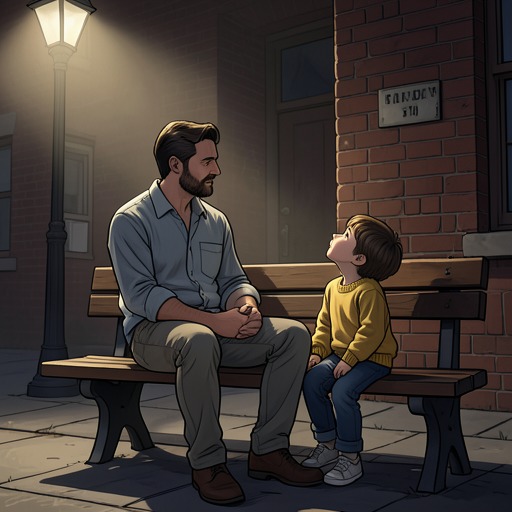
At their conversation, Lincoln tells Ava that his parents want to see her. He squeezes her shoulder and starts toward his car, prompting her to call after him and ask why he has come around now. His answer is that he watched Lilo and Stitch; when Ava responds with surprise, he says, “Ohana, Aves.” He then nods, gets into his car, and beeps the horn twice as he drives away.
The phrase’s meaning is made explicit in Ava’s reflection: Ohana means family, and family means no one gets left behind. The film reference is therefore more than an explanation of what prompted Lincoln’s change of approach. It gives him a compact way to express a connection he has not managed to communicate through other advice or attempts to help.
Context of the Reconnection
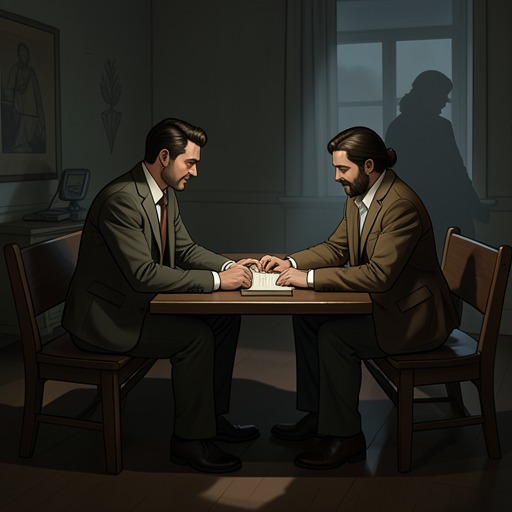
The exchange comes after a period of grief and strain around Kelly’s death. Ava had once been close to Tina, whom she regarded as almost a mother, but later felt that Tina could not bear to have her around because Ava reminded her of Kelly. Ava avoided visiting when Tina was home, even as the familiar house remained a place where she felt less unsettled. Her bond with Lincoln, too, was complicated by their shared loss and by the things they did not discuss.
Earlier, Ava’s father warned her to be careful with Lincoln, observing that he was dealing with significant difficulties and might not be himself. After an emotionally painful encounter, Lincoln acknowledged that he missed Kelly and that she would hate the conflict between them. Their grief had surfaced directly, but that moment did not by itself settle what their relationship should become. Against this background, Ohana frames family as continued connection rather than a claim that everything has already been resolved.
Effect and Significance
Ava sees the reference as characteristically Lincoln’s: he makes meaning out of something unexpected, where advice and other people’s efforts had not reached him. The phrase brings a change in his behaviour into view without requiring him to offer a long explanation. His parents’ wish to see Ava also makes the idea of family concrete in the scene, extending beyond the immediate exchange between the two teenagers.
For Ava, the effect is physical but restrained: happiness and relief come in pulses, and the knot of worry she has carried about herself and Lincoln finally relaxes. The phrase does not erase their grief or establish that every conflict is repaired. Instead, it offers a small, legible opening toward renewed connection, grounded in the possibility that no one has to be left outside the family circle.