Travemünde
BuddenbrooksTravemünde is a Baltic seaside resort whose recurring appearances in Buddenbrooks give the coast more than a scenic function: it offers Tony Buddenbrook and Morten Schwarzkopf a temporary space for intimacy and choice, becomes Hanno Buddenbrook’s cherished refuge from school and family demands, and finally serves as the place where Thomas Buddenbrook reflects on the weariness within him. The resort’s bright summer freedoms and its autumnal sea frame sharply different moments in the family’s decline.
Setting and First Arrival
When pressure at home over Bendix Grünlich’s courtship leaves Tony distressed, her father arranges for her to stay with the Schwarzkopf family in Travemünde. The harbour pilot Diederich Schwarzkopf has agreed to take her in, and Tony welcomes the plan because she fears Grünlich may appear at any moment to plead his case. On the last day of July, she leaves Lübeck with her brother Tom as escort, riding in the Kröger carriage through Burg Gate. The journey leads past a beech-lined avenue beside the sea, a round yellow lighthouse, the bay and breakwater, the small harbour, and the town’s red roofs, before reaching the Schwarzkopfs’ vine-covered house on Front Row.
The setting initially promises a clean break from the domestic crisis. In her tidy guest room, Tony wakes with the happy sense that a new chapter has begun. Her parents’ reprimands and the scene surrounding Grünlich recede; she can imagine waking each morning without care. The Schwarzkopfs’ welcome, including orange punch and sea stories, helps make the house feel like a hospitable alternative to the negotiations under way at home. Tony is especially curious about the family’s university-student son, whose name she has not yet learned.
Tony’s Summer with Morten
Tony’s stay develops into a long holiday of swimming, sunbathing, meals, walks, and outings with Morten Schwarzkopf. They walk along the beach road toward the next town, visit the Temple of the Sea for its coastal panorama, climb to the woods behind the spa hotel, and row across the Trave to Priwall to search for amber. The variety of these excursions belongs to a broader holiday rhythm: the sea and open air let Tony recover her appetite, colour, and carefree manner after the strain at home.
Morten is an engaging companion but not an uncritical one. He speaks heatedly against the nobility, calling its members idiots, a view that grieves Tony and prompts her to scold him. At the same time, she values his readiness to confide thoughts he keeps from his parents. His playful disclosure that he has dressed a human skeleton in an old police uniform in his room at Göttingen, and his insistence that she not tell his father, mark the intimacy and secrecy of their friendship. Their conversations and walks give Tony an experience of closeness not organized around the marriage her family is considering.
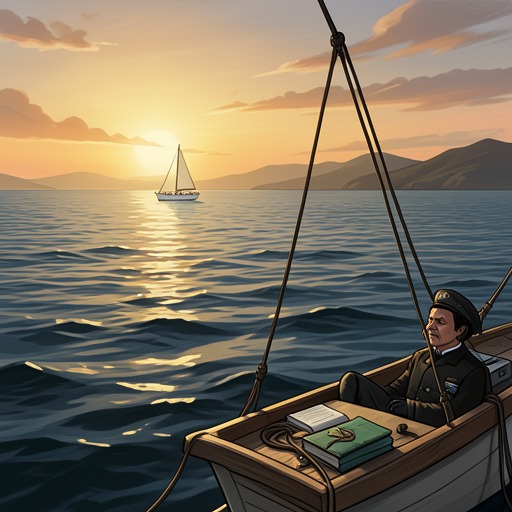
Summer does not last. As autumn approaches, strong winds drive ragged clouds over a dark, foaming sea. The resort is emptied of bathers; pavilions are dismantled, and only a few wicker chairs remain on the beach. Tony and Morten continue meeting at a remote stretch by the yellow clay cliffs and Seagull Rock. Morten builds a high sand fortress for her while they watch waves break against the rocks, their roar swallowing speech and the sense of time. The changed weather lends their last afternoons a beauty that is also a sign of an ending.
When Tony is to return to Lübeck, Tom arrives with the Krögers’ carriage. Morten is away in Göttingen, and Tony and he have not been able to say a proper goodbye. She leaves pale and shivering, carrying both physical exhaustion and a sadness that rises painfully within her. Her departure makes the holiday’s emotional cost visible: Travemünde has given her a reprieve and a relationship, but it cannot remove her from the family decision waiting back home.
Hanno’s Holiday and the Passing of Time
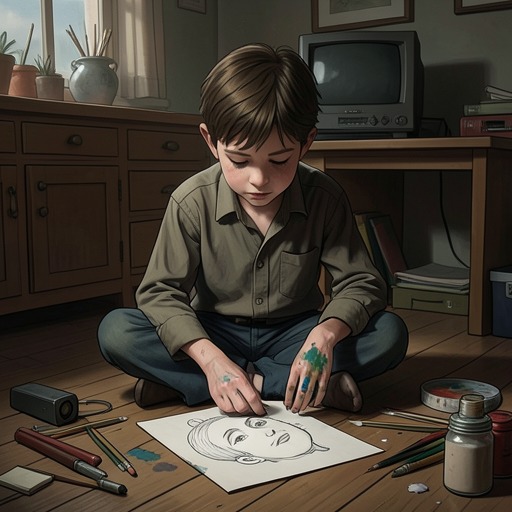
Travemünde later offers Hanno a different kind of escape. During his four-week summer holiday, he delights in a schedule without real demands: mornings on the beach, quiet games in the sand, clear water, walks to Seagull Rock or the Temple of the Sea, naps, and elaborate hotel dinners. The resort’s pleasures are made vivid through small differences from home, from unfamiliar bread and metal eggcups to the music heard beneath the pastry-shop awnings. Hanno can sit near the band shell listening for as long as he likes, absorbed in sounds that meet his inward needs more readily than the ordinary expectations of family life.
The holiday’s freedom is inseparable from its limited duration. After fourteen days, Hanno tries to reassure himself that there is still plenty of time; later, with only three days left, he repeats the same comfort, though he no longer believes it. The shifting weather registers time’s movement as well as the sea’s independent force. Northeast winds bring dark tides that cover the beach with seaweed, mussels, and jellyfish; west winds draw the water back and expose sandbanks under sheets of rain. On such wet days Hanno plays the battered upright piano in the hotel lobby, finding a muted, gurgling tone that allows him effects he cannot make on it as on his grand piano at home. The resort is not a frozen idyll: its weather changes, and its pleasures run down toward departure.
At the end of the stay, Hanno says goodbye to the sea and beach in the morning, then to the waiters, band shell, and rose beds as the luggage-filled carriage leaves the hotel. He watches Front Row and the little drops of rain on the window before looking back at the lighthouse for a final time. Ida Jungmann tells him they will return next year; the reassurance is enough to make his chin quiver and tears rise beneath his eyelashes. The holiday’s end thus concentrates the tenderness of the place: its promise of return consoles him, but cannot prevent the immediate loss.
Thomas and the Autumn Sea
Travemünde becomes a place of attempted rest for Thomas after Dr. Langhals attributes his troubles to his nerves and circulation and recommends a few weeks at the shore. Thomas agrees to go, though he accepts Christian’s company despite having many objections. Their arrival contrasts with the ease of the summer holidays. They travel through rain along a road flooded with puddles; Thomas sits wrapped in his coat, shivering, his eyes red-rimmed, while Christian’s gaze wanders. At the hotel garden they join Siegismund Gosch, who is drinking rum grog under the glass veranda. The rain and the almost empty resort make this visit feel less like a holiday than a pause taken amid fatigue and decline.
Walking at dusk to the Temple of the Sea, Thomas considers what the sea means to him. Its repeated, apparently monotonous waves seem bleak and sorrowful, yet he also finds them calming, like things that are simple and necessary. He contrasts the sea with mountains: their variety and irregular forms might once have appealed to him, but now he imagines feeling overwhelmed by them. In his account, those drawn to mountains possess the strength and confidence to test themselves against variety; those who seek the sea’s steady simplicity have looked too deeply into inner complexity and need relief from it. His reflection turns the coastline into a measure of his own exhaustion, not a cure that can simply erase it.
A Recurring Refuge
Across these visits, Travemünde changes with its visitors and with the season. For Tony, the resort means shelter from a marriage negotiation and a summer of companionship with Morten; for Hanno, it is an intensely loved interval whose end is measured day by day; for Thomas, the autumn shore offers a quiet setting in which to articulate the weariness that family and public life cannot resolve. The sea is at once a physical landscape of walks, swimming, storms, and changing tides and a recurring counterpoint to the Buddenbrooks’ domestic and commercial pressures. Its refuge is real, but temporary: each departure returns a family member to the obligations or losses that the holiday has suspended.