Woodman's hatchet
CarmillaThe woodman's hatchet is a humble, everyday tool that becomes the focal point of the story's climactic confrontation between the avenger General Spielsdorf and the vampire Carmilla. It is the weapon the General seizes in the ruined Chapel of Karnstein to carry out his declared purpose of decapitating the monster who murdered his ward, and its failure in his hands marks the moment when the narrative's accumulated horror and suspense reach their peak, only to be deferred to a later, more formal execution.
Identity and Appearance
The hatchet is introduced not as a weapon but as the working tool of a woodman employed in the forest surrounding the ruined Karnstein chapel. When the General, Laura, and Laura's father arrive at the chapel, the woodman is already present, "axe in hand" , having been clearing boughs that leaned against the old walls. The General, in his mounting rage, calls the woodman over and uses the squared block of wood on which the woodman had been working as a seat for the exhausted Laura. The hatchet itself is never described in detail; it is simply a woodman's axe, a practical implement of the forest, and its ordinariness contrasts sharply with the supernatural horror it is meant to combat.
The Attempted Strike
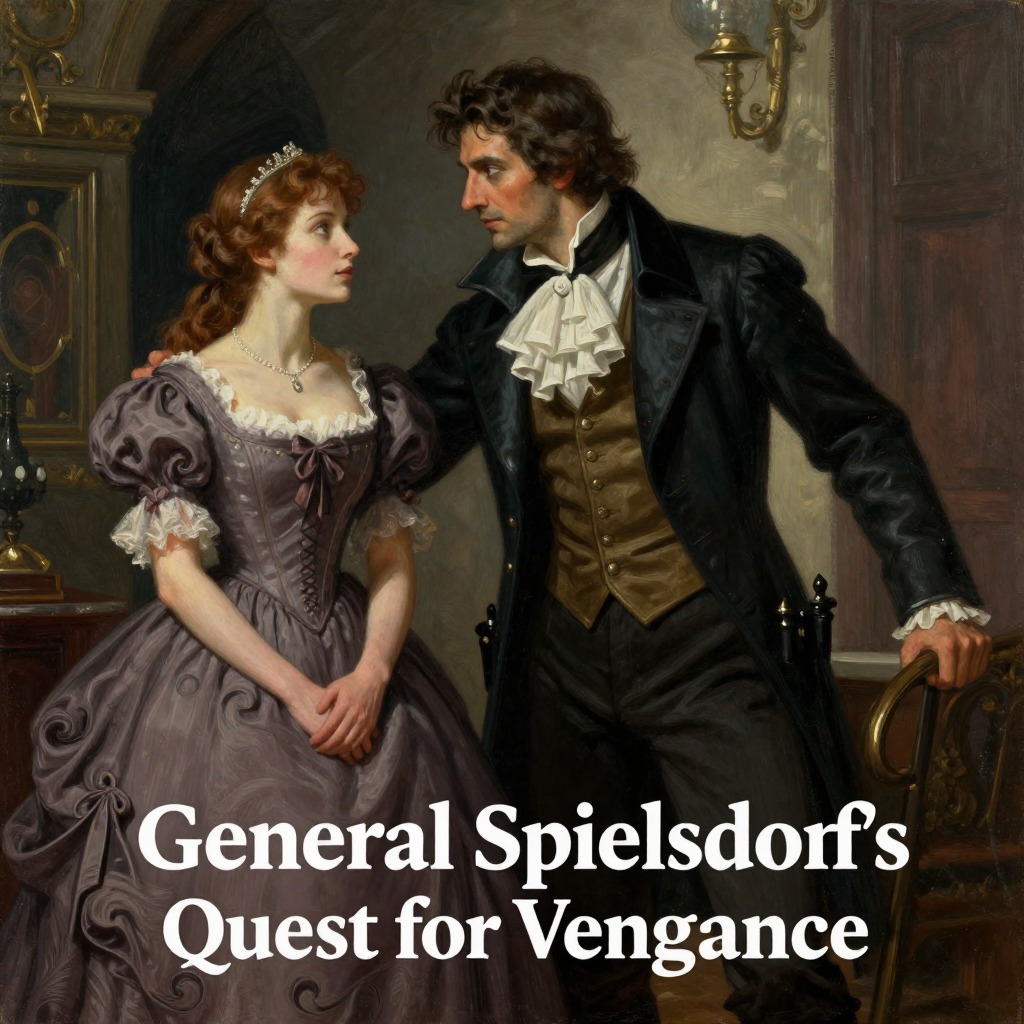
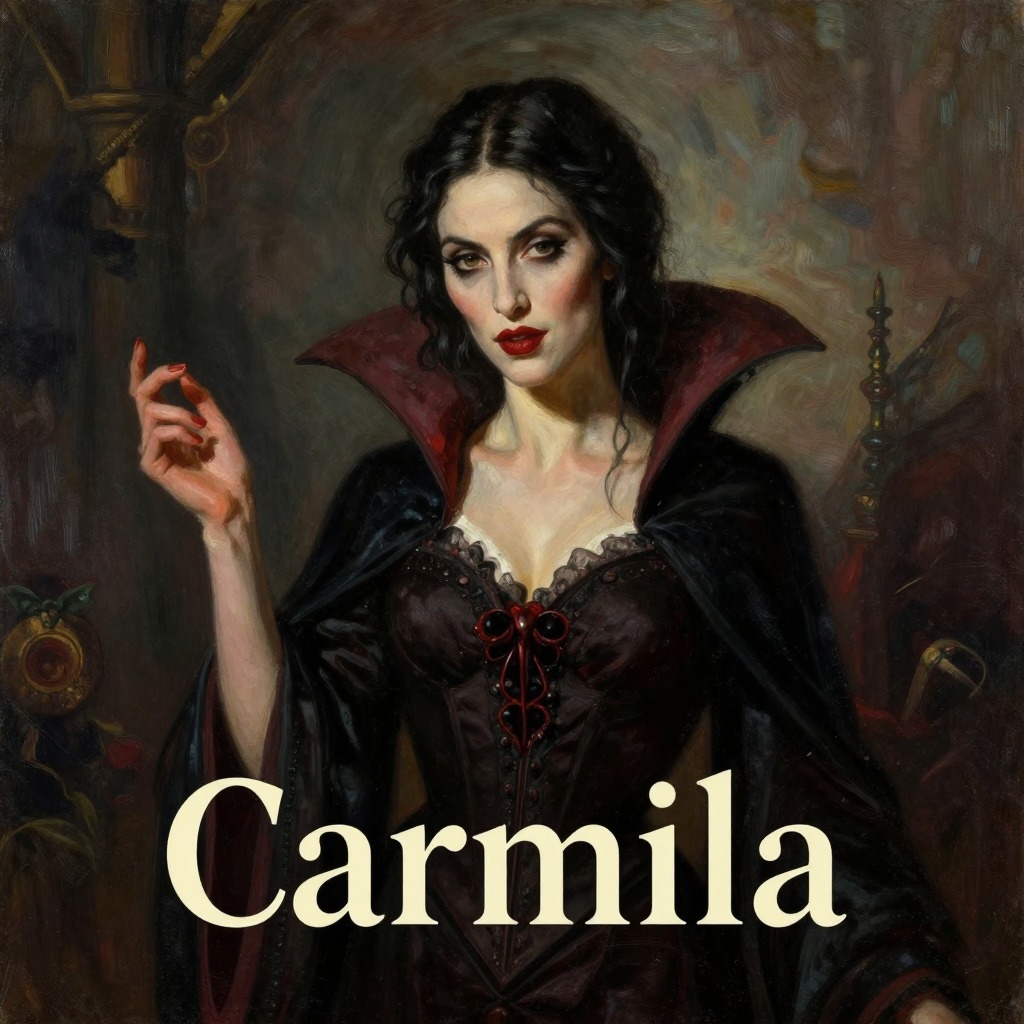
The hatchet's decisive moment comes when Carmilla enters the shadowy chapel. Laura, relieved to see her friend, nods and smiles in greeting. But the General, who has just finished relating the story of his ward Bertha's death at the hands of the vampire Millarca—whom he now recognizes as Carmilla—reacts instantly. "With a cry, the old man by my side caught up the woodman's hatchet, and started forward" . The transformation in Carmilla's features is instantaneous and horrible as she crouches backward. The General strikes at her with all his force, but she dives under his blow and, unscathed, catches him in her tiny grasp by the wrist. He struggles to free his arm, but his hand opens, the axe falls to the ground, and Carmilla vanishes . The hatchet, meant to deliver the vengeance the General had sworn—"to strike her head off" with "a hatchet, with a spade, or with anything that can cleave through her murderous throat" —fails utterly in the face of the vampire's preternatural speed and strength.
Consequences and Aftermath
The failure of the hatchet attack has immediate and lasting consequences. Carmilla escapes, and the General is left staggering against the wall, his grey hair standing on end, his face shining with moisture as if at the point of death . The scene passes in a moment, and Laura is left bewildered, pointing to the door through which Carmilla has vanished. The hatchet itself is abandoned on the chapel floor, its purpose unfulfilled. Yet the attempt is not wasted: it confirms the General's identification of Carmilla as the vampire Millarca, and it sets the stage for the formal legal proceedings that follow. The next day, the grave of the Countess Mircalla is opened, and the vampire is finally destroyed by the official method—a sharp stake driven through the heart, decapitation, and burning—not by the woodman's hatchet but by the instruments of the Imperial Commission. The hatchet thus remains a symbol of the personal, impulsive vengeance that fails, contrasting with the methodical, institutional destruction that ultimately succeeds.
Thematic Significance
The woodman's hatchet embodies the collision between the mundane and the supernatural that defines the story's horror. It is a tool of the forest, of daily labor, yet it is seized for a purpose that belongs to legend and nightmare. Its failure underscores the vampire's invulnerability to ordinary violence and the need for specialized knowledge—the lore of Baron Vordenburg, the legal procedures of the Inquisition—to defeat her. The hatchet also marks the moment when the narrative's two parallel threads—Laura's mysterious illness and General Spielsdorf's quest for vengeance—converge in a single, violent, and inconclusive act. The tool that could not kill the vampire becomes the proof that she must be killed by other means, and its fall from the General's hand signals the end of his personal crusade and the beginning of the official exorcism.