The well
FosterThe well is a working farm water source that becomes a charged site of safety, belonging, memory, and danger. The Unnamed girl’s first visit with Edna Kinsella joins the practical act of drawing water to a brief sense of being cared for; her return alone, shortly before leaving the farm, turns the familiar descent into a fall.
Setting and First Visit
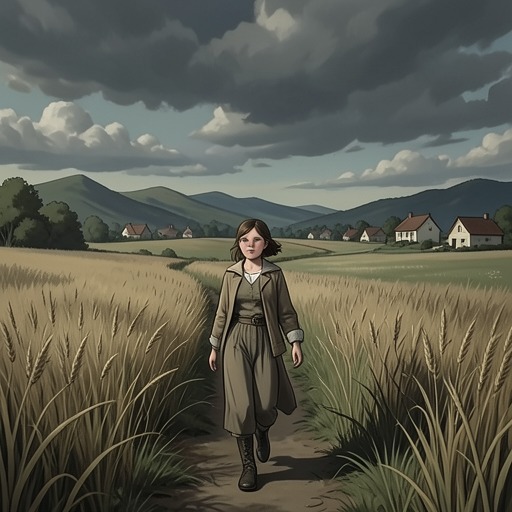
The first visit begins with an ordinary task. Edna Kinsella takes The zinc bucket from the scullery and leads the girl across broad, level fields, past electric fences and grazing Friesian cows. They cross a stile and follow a dry track through long grass and white butterflies to a small iron gate; stone steps descend from it to the well. The route carries the girl away from the house and into a landscape she initially finds unfamiliar, then makes the water a destination reached in company.
At the well, Edna draws attention to the water’s presence despite the long spell without rain. The girl descends the steps and hears her own breathing return from the still opening. Edna remains behind her, apparently accepting the repeated sound without impatience. When she invites the girl to taste the water, the girl takes the large ladle hanging from a nail. Edna holds the girl’s trouser belt to prevent her falling, warning her of the depth. The well is introduced through both its physical danger and a precise act of protection: the girl is allowed to approach the water because someone is holding her steady.
Water, Reflection, and Belonging
The first drink is also a moment of changed self-perception. In the slanting sunlight, the water reflects the girl and Edna. The girl waits until she sees herself not as the unkempt child who arrived, but as she is now: clean, dressed differently, and accompanied by Edna. The reflection makes the contrast between arrival and present visible without erasing the girl’s earlier circumstances. At the same time, her response to the water draws the scene back toward her family history: its taste recalls Dan leaving and the emptiness she associates with his absence.
The girl drinks six measures. Her wish that this place, free of shame and secrets, could be home gives the well an emotional meaning beyond refreshment. That hope is not presented as settled or permanent; it belongs to this particular encounter, in which clean water, a changed appearance, and Edna’s physical care briefly converge. Afterward, Edna pulls the girl back onto the grass, out of danger. She then goes down alone to retrieve the bucket. The girl hears it float on its side, sink with a gulp, and rise again. This sound gives the water a force of its own, even in a scene that ends safely.
Walking back, the girl holds Edna’s hand and imagines that Edna would tip over without her. The thought reverses the care just shown at the well: although Edna has physically kept the girl safe, the girl feels responsible for keeping Edna balanced. Her uncertainty about how Edna manages when she is absent, and her conclusion that Edna must usually fetch two buckets, connect the girl’s sense of closeness to the practical routine of drawing water. She cannot recall having felt this way before, a gap that makes the new feeling both sad and welcome.
Return and Fall
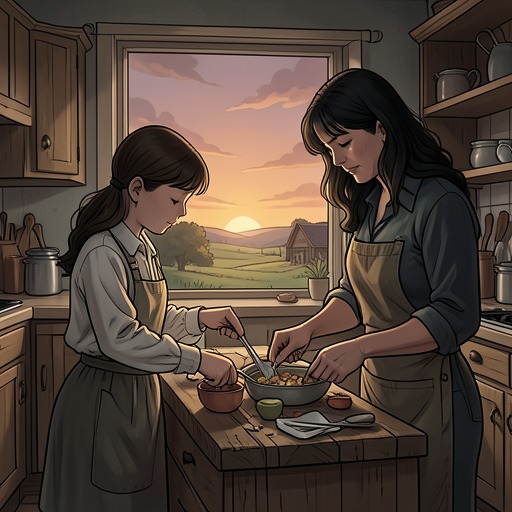
The well returns near the end of the girl’s stay, when Edna leaves for the milking parlour. Watching watery light tremble across the scullery and shine from The zinc bucket, the girl considers fetching well water for Edna’s tea. She thinks this might be the last thing she does for her. The errand is a deliberate return to a place and task associated with their earlier closeness, not simply a repetition of the first visit.
This time the girl goes alone, wearing a jacket from The deceased Kinsella boy’s clothes and carrying The zinc bucket. She knows the track past the cows and electric fences well enough to imagine finding the well with her eyes closed. Yet the path has changed in the rain: it is muddy and slippery, unlike the dry way she remembers from her first evening. The water, too, has risen. Where she had stood on the fifth step before, she now stands on the first, with the water reaching toward the step below her. Familiar knowledge of the route cannot make this altered landscape safe.
The girl pauses to hear her breathing return from the well once more. She then lowers the bucket, letting it float, swallow, and sink as she has watched Edna do. When she reaches to lift it, another hand seems to emerge from the water and pull her in. She comes back soaked. Edna turns very still at the sight, then gathers her up, takes her inside, and makes up her bed again. The fall changes the well from a place where Edna’s hand prevents an accident into the site of an accident that occurs while the girl is alone.
Narrative Significance
The well’s appearances are linked by repeated actions: descending the steps, listening to breath return, lowering a bucket, and confronting water close at hand. Their meaning changes with circumstance. In the first visit, sunlight, reflection, and Edna’s steadying hold accompany the girl’s wish for a home without shame or secrets. On the return, the muddy track and higher water make remembered familiarity unreliable, and the girl’s attempt to perform Edna’s task ends in a fall.
The contrast makes care visible through ordinary objects and gestures rather than explanation. Edna holds the girl’s belt; the girl later carries the bucket for Edna’s tea. In the first scene the girl is pulled back to safety, while after the fall Edna gathers her indoors. The well consequently marks both the girl’s growing attachment and the limits of what that attachment can protect her from. Water that first seemed clean, sustaining, and bound up with the possibility of belonging becomes a physical danger when approached without Edna beside her.