Mizuko
HappeningMizuko is the Japanese term the narrative gives for aborted embryos, glossed as water babes. Introduced just after the narrator disposes of her three-month-old foetus, the word offers a name for the loss without resolving the scene’s silence or its unsettled mixture of life and death.
Naming the Loss
The term appears after the narrator and O have cut the umbilical cord, looked at the tiny body, and wept together. Unsure what to do, they wrap the foetus in an empty melba toast wrapper; the narrator carries it to the bathroom and flushes it. The account then notes that in Japan aborted embryos are called Mizuko, or water babes. This placement connects a specific, improvised act of disposal to a wider vocabulary, but the narrative does not claim that the narrator herself uses the Japanese term at the time.
Return as an Image
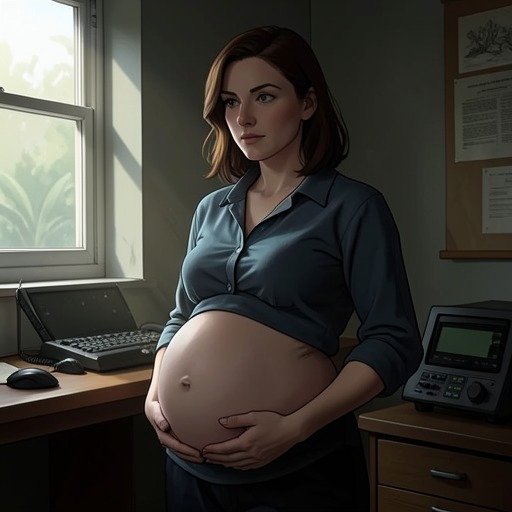
After returning to Rouen in February, the narrator describes a heightened, disorienting awareness that continues into the night. She sleeps lightly, convinced she is awake, while a milky water babe floats before her eyes. The image recalls a dog’s corpse, plunged into ether, that continues following astronauts in a Jules Verne novel. Mizuko thus returns not as a new explanation of the earlier event but as a persistent image within the narrator’s altered experience of it.
Narrative Significance
The movement from the concrete foetus and the wrapper to the floating water babe shifts the loss from a bodily scene into an image that recurs in memory. The word’s brief, matter-of-fact introduction contrasts with the narrator’s intense later vision: naming is possible, but the experience remains difficult to contain. The account leaves that tension intact, allowing Mizuko to connect the act of disposal with the continuing presence of what has been lost.