Sesemann Family Mansion
HeidiThe Sesemann Family Mansion in Frankfurt is the setting of Heidi’s separation from the mountain and of the companionship she forms with Clara Sesemann. Its ordered rooms and household rules contrast with Heidi’s freer life in the Alps, but the house also gives her a way to care for people at home: she saves White Bread Rolls from its meals for Peter’s Grandmother.
Setting and Household
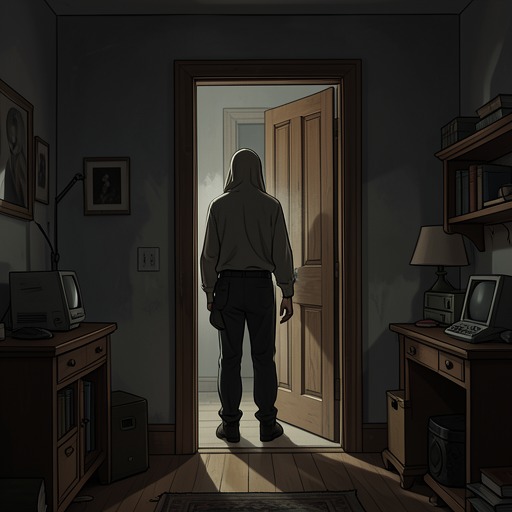
The mansion is Herr Sesemann’s Frankfurt home, where his daughter Clara spends her days on an invalid couch and is wheeled from room to room. The study serves as a lesson room as well as a family sitting room: a glass-fronted bookcase marks its purpose, while its furnishings give it a comfortable, lived-in appearance. When Heidi arrives with Dete, Clara is there, watching the clock and waiting impatiently for the day’s next event.
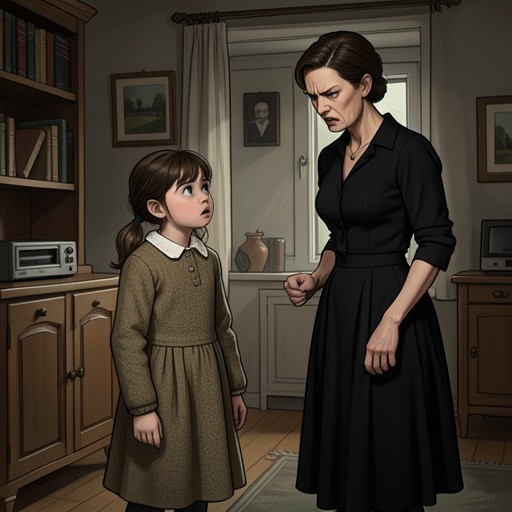
Since the death of the mistress of the house, Fraulein Rottenmeier has managed the housekeeping and supervised the servants. Herr Sesemann is often away, and he has left her in charge on the condition that Clara have a voice in household matters and that nothing be done against her wishes. The arrangement gives Fraulein Rottenmeier day-to-day authority, but not the final word: Clara can overrule her, and Herr Sesemann’s return is anticipated as another source of authority.
Dete brings Heidi to the mansion because she intends to accept an unusually good position in Frankfurt. She argues that, having cared for Heidi until then, she should not have to give up the opportunity; responsibility now belongs to Heidi’s grandfather, Alm-Uncle. The decision makes the mansion the destination of a journey that Heidi did not choose, and places her among unfamiliar adults and routines before she understands what her new life will require.
Arrival and Domestic Routines
At the front door, Dete asks whether Fraulein Rottenmeier can be seen. The coachman directs her to ring for Sebastian, who comes downstairs, surprised to find her. Later, Sebastian opens the folding doors to the dining room and prepares to wheel Clara there. Heidi stares at him and tells him that he looks like Peter. To Heidi, the resemblance makes the servant seem familiar; to Fraulein Rottenmeier, the child’s easy manner toward a servant is a breach of expected formality.
The dining room makes the mansion’s routines especially visible. At the first meal, Heidi sits opposite Clara and Fraulein Rottenmeier, while Sebastian serves them. A White Bread Roll beside Heidi’s plate catches her attention. She asks if she may have it and immediately pockets it rather than eating it. Sebastian understands the situation well enough to struggle to keep from laughing, but remains at his station until she asks him to serve her fish. This small exchange shows the distance between Heidi’s directness and the household’s formal service customs, while introducing the food she will later save for home.
The mansion also contains Heidi’s own room, where she has to spend time alone after dinner. She learns that she cannot run about outside as she did on the mountain, and conversation with Sebastian in the dining room is forbidden. Tinette, the maid, keeps away from her and speaks mockingly. The house is not merely a set of rooms: its rules limit Heidi’s movements and interactions, making her longing for the open mountain more acute.
Clara, the Servants, and the Rules of the House
Clara’s authority complicates the rigid order maintained by Fraulein Rottenmeier. When the housekeeper objects to a decision, Clara insists on having her way; Fraulein Rottenmeier leaves displeased but cannot countermand her. In the days after Heidi’s arrival, Clara grows more cheerful. Heidi’s company turns lesson hours into a diversion, even though Heidi herself cannot yet learn the alphabet: the tutor’s descriptions of letters bring goats and birds to her mind rather than helping her recognize their shapes.
Herr Sesemann’s return brings the household together around Clara. Sebastian and Tinette carry packages upstairs from his carriage, but Herr Sesemann goes first to see his daughter. He then approaches Heidi, who has withdrawn into a corner, and asks whether the girls are friends. Heidi answers that Clara is always kind to her. His question recognizes that Heidi’s place in the mansion depends not only on her formal arrangement but also on the friendship between the children.
A brief excursion shows how Heidi navigates the house and its unfamiliar surroundings. She describes a large grey house visible from a window to a boy who is trying to find his way. He recognizes the landmark and leads her to a door with a large dog’s head for a knocker. Sebastian opens it and hurriedly ushers Heidi inside because Clara and Fraulein Rottenmeier are already at table. The doorway is both a recognizable point in the city and a threshold back into the mansion’s strict domestic schedule.
Saved Bread and Departure
In the afternoons, Heidi describes the mountain to Clara and repeatedly declares that she must go home. Clara tells her to wait until Herr Sesemann returns so that they can discuss what should be done. Heidi’s longing is real, but each day at the mansion also adds two more White Bread Rolls to the supply she is collecting: she pockets the roll served at dinner and supper because she knows Peter’s Grandmother has no white bread and can hardly manage the hard black bread at home.
When Heidi finally tries to leave, she ties the accumulated rolls into her red shawl, puts on her straw hat, and reaches the hall door before Fraulein Rottenmeier stops her. The housekeeper has the rolls and hat removed from Heidi’s room, but Sebastian later saves the hat from being discarded and hides it for her. The attempt makes the mansion’s restrictions concrete: Heidi’s wish to return home is checked at the very door through which she once entered.
Before Heidi’s departure, Clara prepares a basket containing twelve White Bread Rolls for Peter’s Grandmother, along with dresses, aprons, handkerchiefs, and sewing materials for Heidi. Heidi also places her cherished book in the basket and wraps another possession in the old red shawl. Fraulein Rottenmeier considers the shawl unfit to take and throws it aside, while Heidi looks imploringly to Herr Sesemann. The departure thus gathers the house’s competing values into one scene: Clara’s generosity, the housekeeper’s standards, Herr Sesemann’s authority, and Heidi’s attachment to what she has carried through her time there.
After returning to the mountain, Heidi tells Clara that she can send more rolls if needed. When Peter’s Grandmother worries that the bread will grow stale and that she cannot afford fresh white rolls, Heidi offers to use her own money so Peter can bring them from Dorfli. The mansion’s food therefore matters beyond the period Heidi lives within its walls: the rolls she first saved there become part of an ongoing means of care for the grandmother she missed.