Elizabeth Sinskey
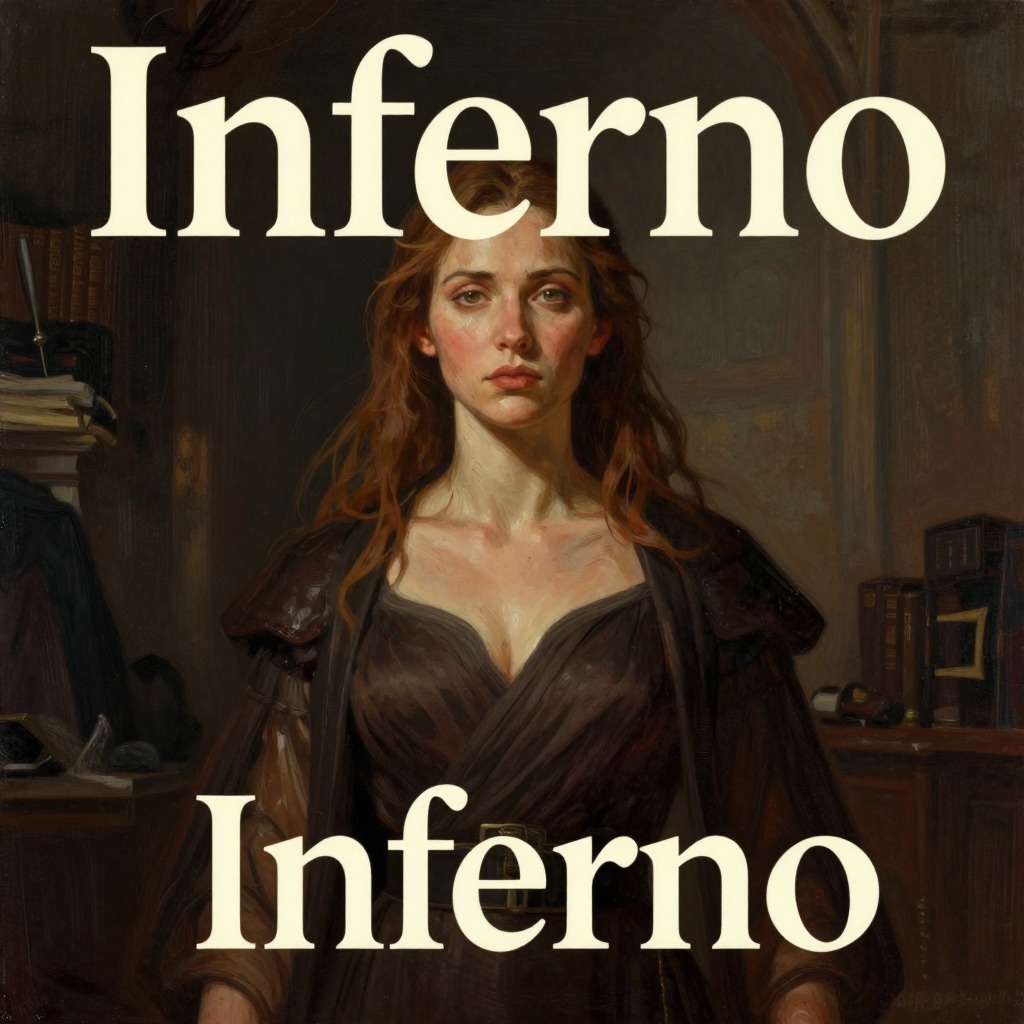
InfernoElizabeth Sinskey, the director of the World Health Organization, is a formidable and deeply conflicted figure whose personal history of loss and her professional war against a madman’s plague converge in the crisis over Bertrand Zobrist’s engineered virus. A specialist in communicable disease and the epidemiology of epidemics, she has led the WHO for nearly a decade, but her long tenure has been shadowed by a private wound: as a child, she was treated with glucocorticoids for severe asthma, and the drug’s unanticipated side effects left her permanently infertile. This inability to conceive children has haunted her for decades, and she still feels a pang of hollowness every time she sees a mother and infant. Yet she has channeled that pain into a relentless public career, earning a reputation as one of the twenty most influential people in the world, and she wears a lapis lazuli amulet—the Rod of Asclepius, the ancient symbol of medicine—as a daily reminder of her calling and her sacrifice.
Confrontation with Zobrist and the Hunt for the Plague
Two years before the novel’s events, Sinskey was summoned to the Council on Foreign Relations in New York by a tall, lanky man with piercing green eyes—Bertrand Zobrist. In a darkened room, he projected images of Dante’s Inferno and delivered a furious lecture on overpopulation, accusing the WHO of cowardice for not confronting the issue head-on. He argued that the only solution was a drastic culling of the human population, and he mocked her organization’s efforts to distribute condoms in Africa as “swinging a flyswatter at an incoming asteroid.” Sinskey, outraged, called him a madman and threatened to have him placed on bioterrorism watch lists. She snapped a photo of his face, and by the time she reached the airport, she had alerted the CIA, CDC, and ECDC. But Zobrist, undeterred, left her a note quoting Dante: “The darkest places in hell are reserved for those who maintain their neutrality in times of moral crisis.” That confrontation set the stage for a year-long cat-and-mouse game, during which Zobrist, hidden by the Consortium, created his virus, Inferno, while Sinskey’s team desperately tried to locate him.
The Florence Crisis and the Hunt for Langdon
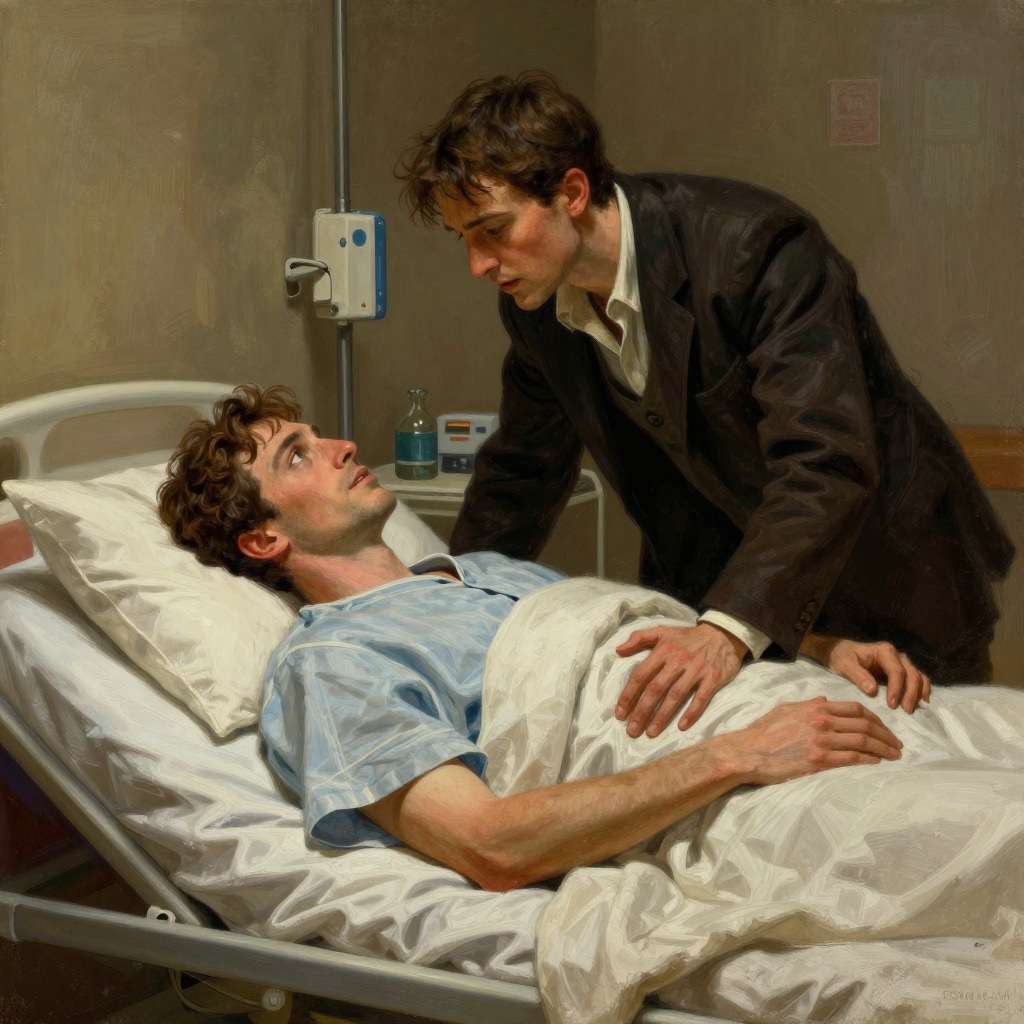
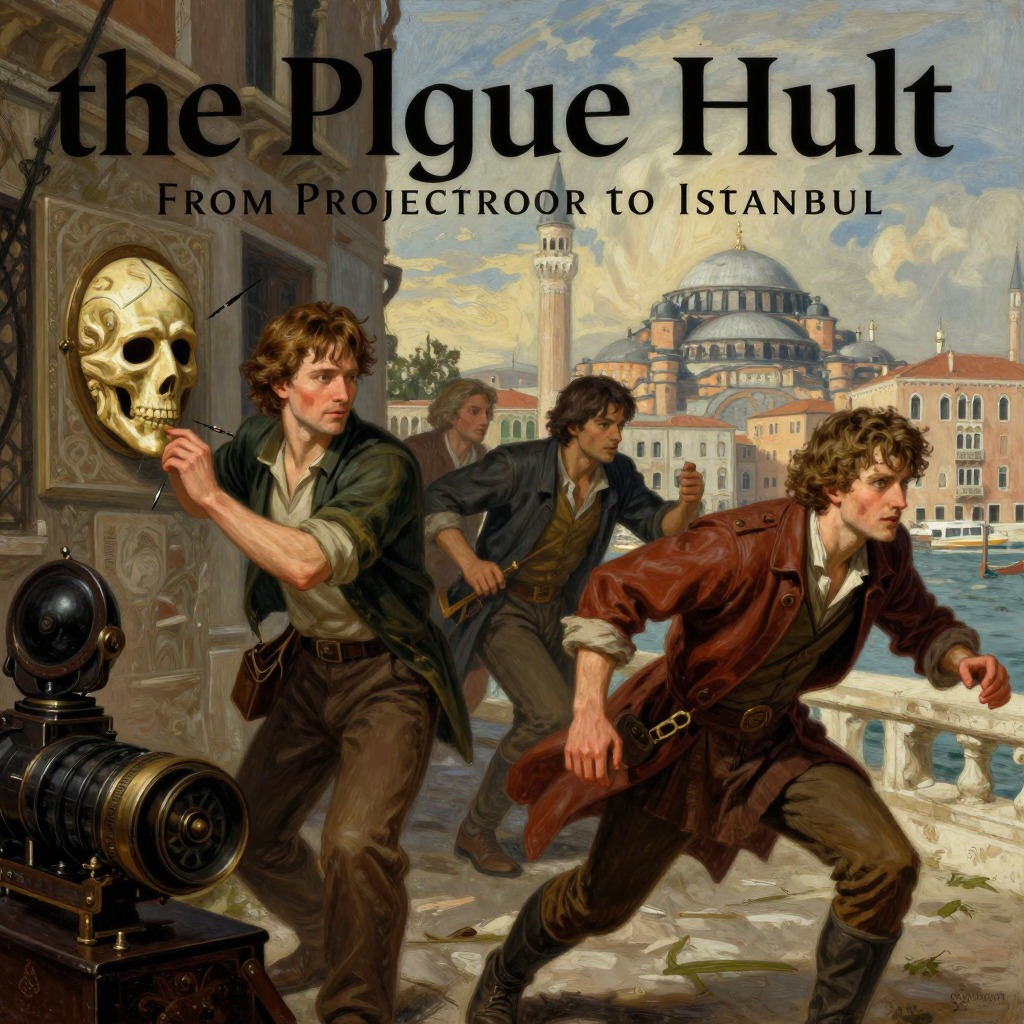
When Zobrist jumped to his death from the Badia tower in Florence, Sinskey and her team moved in. She confiscated a small projector from his safe-deposit box—a device that projected a modified version of Botticelli’s Map of Hell—and she recruited Harvard symbologist Robert Langdon to decipher its code. On a C-130 transport plane, she briefed him on Zobrist’s history, his Transhumanist beliefs, and the threat of a hidden plague. She sewed a hidden pocket into Langdon’s Harris Tweed jacket to conceal the projector, programming the biotube to open only to his thumbprint. But when Langdon disappeared after meeting with Ignazio Busoni, Sinskey’s trust in him wavered. She ordered the SRS team—a SWAT-like unit from the European Centre for Disease Prevention and Control—to track him down, and she authorized the use of force to reestablish contact. Throughout the day, she was incapacitated by a severe inner-ear condition, paroxysmal positional vertigo, and relied on hourly injections of metoclopramide, which left her drowsy and nauseated. She was seen by Langdon as a captive in a van, but she had in fact ordered the medication herself to keep functioning.
Alliance with the Provost and the Discovery of the Truth
After the SRS team failed to capture Langdon in Florence, Sinskey received a call from the provost, the head of the Consortium, who had just watched Zobrist’s video and realized the horror of what he had helped create. The provost arranged for Sinskey and her team to fly to Venice, and then to Istanbul, where they finally located the sunken palace—Yerebatan Sarayi, the ancient cistern beneath Hagia Sophia. There, Agent Brüder discovered that the Solublon bag containing Zobrist’s virus had already dissolved; the contagion had been released a week earlier, during a series of free concerts of Liszt’s Dante Symphony. Sinskey, standing in the cistern in a hazmat suit, watched as PCR machines across the cavern blinked red, confirming that the entire space was teeming with the virus. The radius of contamination was enormous, and she realized that containment had failed.
Change and Ending: From Adversary to Listener
In the aftermath, Sinskey set up a command post at the Swiss Consulate in Istanbul. When Langdon brought Sienna Brooks to her, Sinskey initially reacted with distrust, but she agreed to listen. Sienna revealed that Zobrist’s virus was not a killer but a sterility plague—an airborne viral vector that would render one-third of the human population infertile, a permanent genetic modification designed to curb overpopulation. Sinskey, who had herself been robbed of the ability to have children, absorbed this news with a personal horror that deepened her understanding of the stakes. She acknowledged that Zobrist’s assessment of the overpopulation crisis was accurate, even if his methods were monstrous. In a pivotal moment, she reached across the desk and grasped Sienna’s hands, saying, “I do believe you, Sienna. I believe every word you’ve told me.” She then invited Sienna to join the emergency meetings in Geneva, recognizing that the young woman’s unique intellect and knowledge of Zobrist’s work were essential to navigating the crisis. Sinskey’s arc from a rigid, adversarial figure to a leader willing to listen to a former enemy marks her as a character who, despite her own trauma, can adapt and collaborate for the greater good.
Thematic Significance
Sinskey embodies the tension between institutional authority and the need for radical, uncomfortable solutions. Her personal infertility mirrors the very crisis she is trying to solve—a world that cannot control its own reproduction—and her journey forces her to confront the limits of her own worldview. She represents the establishment that Zobrist railed against, but she also demonstrates that the establishment can learn, adapt, and ultimately choose to engage with the very ideas it once rejected. Her broken amulet, which she clutches at the end, symbolizes both her shattered certainties and her hope that they can be repaired.