
Lolita
Basic Facts
"Lolita" is a 1955 novel by Vladimir Nabokov, widely regarded as one of the most influential and controversial works of the twentieth century. It was first published in Paris by Olympia Press, after being rejected by several American publishers. The novel is written in English, and its narrator, Humbert Humbert, is a European literature professor who composes a confession from prison. The story revolves around his obsessive and predatory relationship with a twelve-year-old girl, Dolores Haze, whom he calls “Lolita.”
Plot Outline
The novel begins with Humbert’s childhood romance with Annabel Leigh, a girl of his own age who dies of typhus, leaving him with a lifelong fixation on “nymphets”—girls aged nine to fourteen. As an adult, Humbert moves to a small New England town and rents a room from Charlotte Haze, a widow. He becomes instantly infatuated with Charlotte’s twelve-year-old daughter, Dolores, and marries the mother solely to remain close to the girl. After Charlotte discovers Humbert’s secret diary and is killed in a car accident, Humbert picks Dolores up from summer camp and embarks on a cross-country road trip, posing as her father. He sexually abuses her throughout the journey, using gifts and threats to maintain control. Dolores eventually escapes with the help of playwright Clare Quilty. Years later, Humbert finds her married and pregnant, living in poverty. He then murders Quilty, is arrested, and dies in prison while writing the memoir that constitutes the novel.
Core Themes
The novel explores the psychology of obsession, the unreliability of memory, and the power of language to both reveal and conceal truth. Humbert’s eloquent, self-justifying narration constantly undermines itself, forcing the reader to question the morality of the story. Nabokov famously described the book as his “love affair with the English language,” using intricate wordplay, puns, and literary allusions. The work also critiques American consumer culture, the banality of roadside motels, and the suburban landscape of the 1950s. Beneath the surface, it is a harrowing account of a child’s stolen innocence, though the victim’s voice is largely silenced.
Writing Background
Nabokov began writing "Lolita" in the late 1940s while traveling across the American West on butterfly-collecting expeditions. He completed the manuscript in 1953 after what he called “five years of monstrous misgivings and diabolical labors.” The novel was rejected by five major U.S. publishers before being accepted by Olympia Press, a publisher specializing in erotic literature. It was banned in France for a year and in several other countries, but eventually gained a cult following among literary critics.
Lasting Influence and Status
"Lolita" is now considered a masterpiece of modernist literature, praised for its stylistic brilliance and its daring treatment of taboo subjects. It has been adapted into two major films (1962 by Stanley Kubrick and 1997 by Adrian Lyne) and has permeated popular culture, though often in ways that misrepresent the novel’s critique of pedophilia. The term “Lolita” entered the lexicon as a label for a sexually precocious girl, a usage Nabokov deplored. The novel remains a staple of academic study and a touchstone for debates on censorship, narrative ethics, and the relationship between art and morality.
In the postscript to his own Russian translation of the novel, published in 1967, Nabokov offered a deeply personal reflection on his relationship with his native language. He noted that only "scientific scrupulousness" led him to preserve the final paragraph of the English afterword in the Russian text. More strikingly, he described the translation process as a "story of a disappointment," confessing that the "wonderful Russian language" he had imagined still awaiting him behind a locked gate proved nonexistent; beyond that gate, he found only "burned out stumps and hopeless autumnal emptiness," and the key in his hand felt more like a lock pick. This poignant admission reveals the linguistic and emotional dislocation Nabokov experienced as an émigré writer, and it adds a layer of autobiographical complexity to the novel's own themes of exile and loss.
About the Author
Origin and Education
Vladimir Vladimirovich Nabokov was born on April 22, 1899, in Saint Petersburg, Russia, into an aristocratic and cultured family. His father, Vladimir Dmitrievich Nabokov, was a prominent liberal politician and jurist. Nabokov grew up trilingual, mastering English, French, and Russian from childhood. After the Bolshevik Revolution, the family fled Russia in 1919. Nabokov studied at Trinity College, Cambridge, where he specialized in Slavic and Romance languages, graduating in 1922. The assassination of his father in Berlin in 1922 deeply affected him.
Formative Experiences and European Works
In the 1920s, Nabokov began his literary career in Berlin and Paris under the pseudonym Vladimir Sirin, writing for the Russian émigré community. He published his first novel, "Mary" (1926), followed by "The Defense" (1930), "Invitation to a Beheading" (1935), and "The Gift" (1937). These works, written in Russian, established him as a master of intricate prose, wordplay, and metafictional techniques. In 1940, fleeing Nazi expansion, he emigrated to the United States with his wife Véra and son Dmitri.
Major Works in America
In the U.S., Nabokov taught literature at Wellesley College, Stanford, and Cornell, while also pursuing his passion for lepidoptery, making significant contributions to butterfly taxonomy. He switched to English as his primary literary language. His first English novels, "The Real Life of Sebastian Knight" (1941) and "Bend Sinister" (1947), were well received but not commercially successful. The publication of "Lolita" in 1955 brought him international fame and notoriety. The novel was initially banned in several countries but later recognized as a masterpiece. He followed it with "Pnin" (1957), a comedic campus novel, and "Pale Fire" (1962), a groundbreaking postmodern work structured as a poem and commentary. His later works include "Ada, or Ardor" (1969), a sprawling family chronicle, and "Transparent Things" (1972).
Death and Lasting Reputation
Nabokov retired to Montreux, Switzerland, in the 1960s, where he continued writing and translating. He also compiled his lectures on literature, which were published posthumously. He died on July 2, 1977, in Montreux. Nabokov is universally regarded as one of the most innovative stylists of the twentieth century, a master of linguistic play, narrative complexity, and ironic detachment. His influence extends far beyond literature, inspiring artists, filmmakers, and critics. His legacy is that of a fiercely independent intellect who elevated the craft of fiction to an art of dazzling virtuosity.
StoryFlow
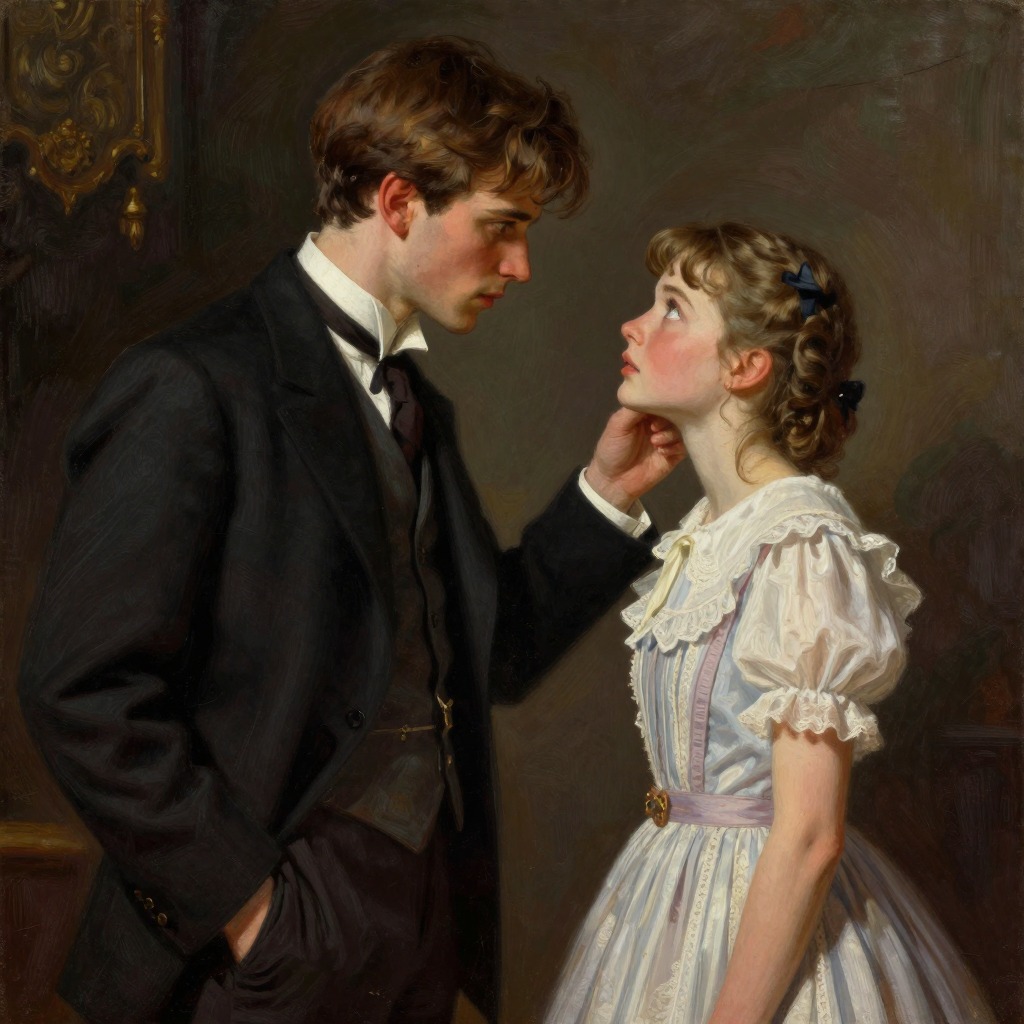
Humbert's Obsession and the Fall of Lolita
Traces Humbert's escalating obsession with Dolores Haze from first sight to her eventual escape and his loss.
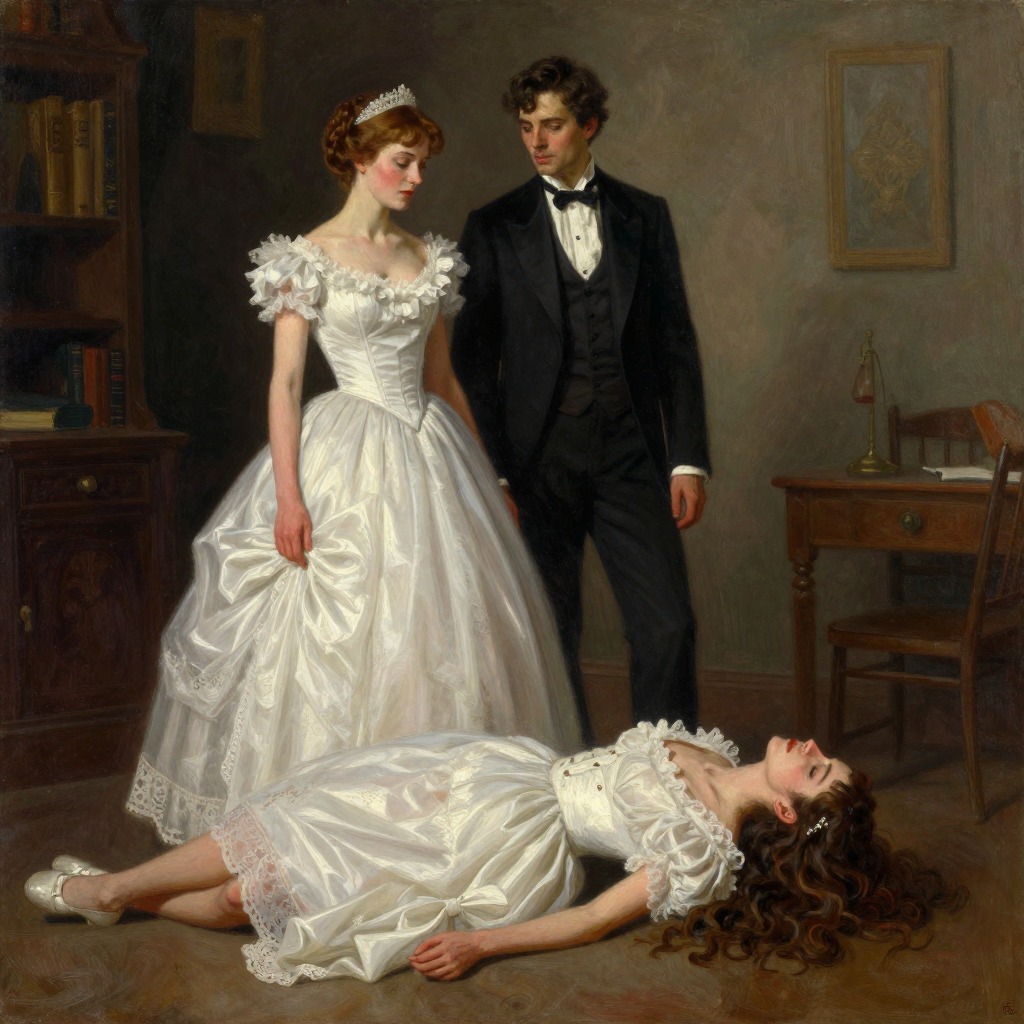
Charlotte's Pursuit and Tragic End
Follows Charlotte Haze's romantic pursuit of Humbert, her marriage, and her accidental death.
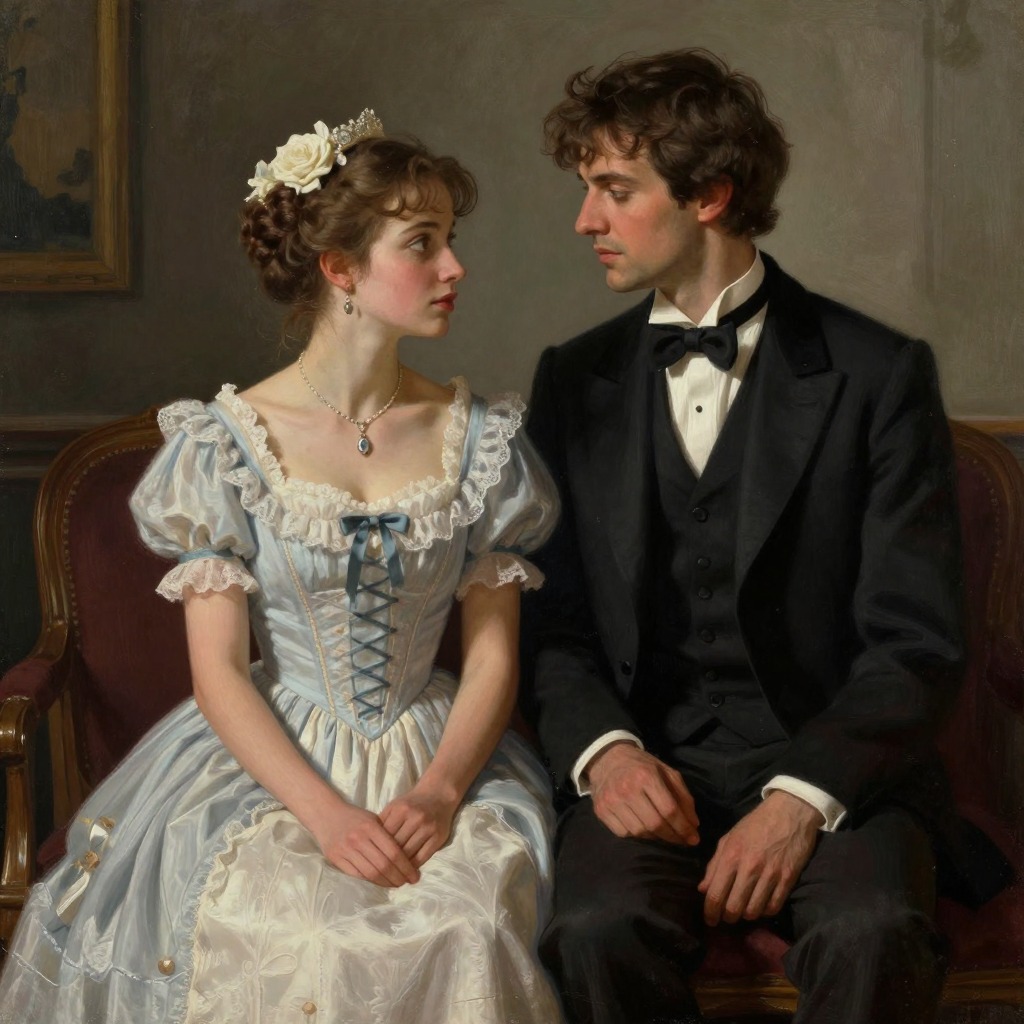
Valeria's Marriage and Betrayal
Chronicles Humbert's first marriage to Valeria, her affair, and their divorce.
