Clare Quilty
LolitaClare Quilty is the playwright and sexual predator who seduces Dolores Haze away from Humbert Humbert, becoming Humbert's elusive nemesis and the target of his murderous revenge. A figure of grotesque charm and theatrical cunning, Quilty orchestrates the destruction of Humbert's world from behind a series of pseudonyms and disguises, and his death at Humbert's hands forms the violent climax of the novel. He is the hidden author of the catastrophe that befalls Lolita, the man who completes the ruin Humbert began, and the only character who matches Humbert's verbal and intellectual agility, making their confrontation a duel of equals.
Identity and Background
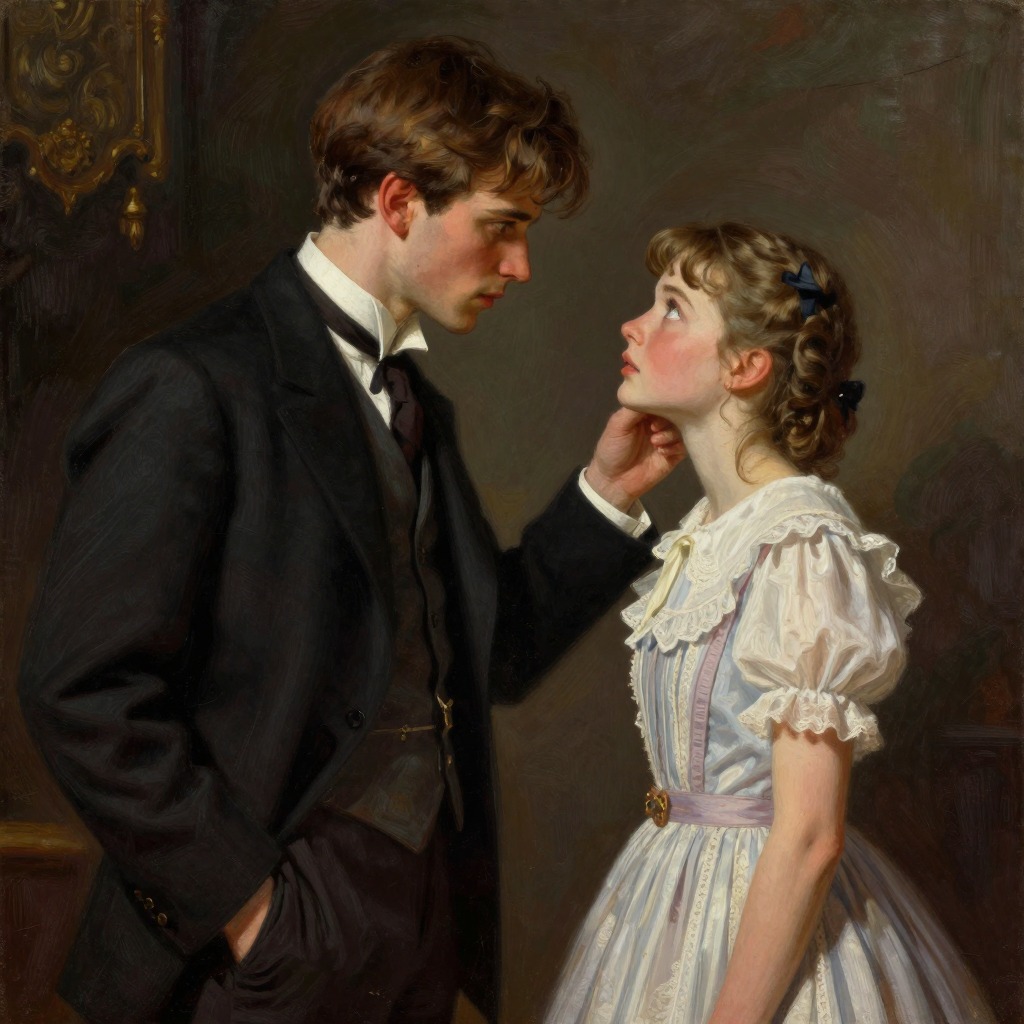
Clare Quilty is introduced in the novel's foreword as an American dramatist, born in Ocean City, New Jersey, in 1911, and educated at Columbia University. He is the author of numerous plays, including The Little Nymph, The Lady Who Loved Lightning (written in collaboration with Vivian Darkbloom), Dark Age, The Strange Mushroom, Fatherly Love, and others, many of them for children. The Little Nymph (1940) traveled 14,000 miles and played 280 performances on the road. His hobbies are listed as fast cars, photography, and pets. He is also the nephew of Dr. Ivor Quilty, the Ramsdale dentist who lives behind the Haze lawn. This family connection places Quilty in Ramsdale years before the main action: he visited with his uncle, spoke at Charlotte Haze's club, and when Dolores was ten, he pulled her onto his lap and kissed her in front of everyone, an incident she remembers with fury. He is thus a figure from Dolores's pre-Humbert childhood, a ghost who has always been present at the margins of her life.
Theatrical Presence and the Play
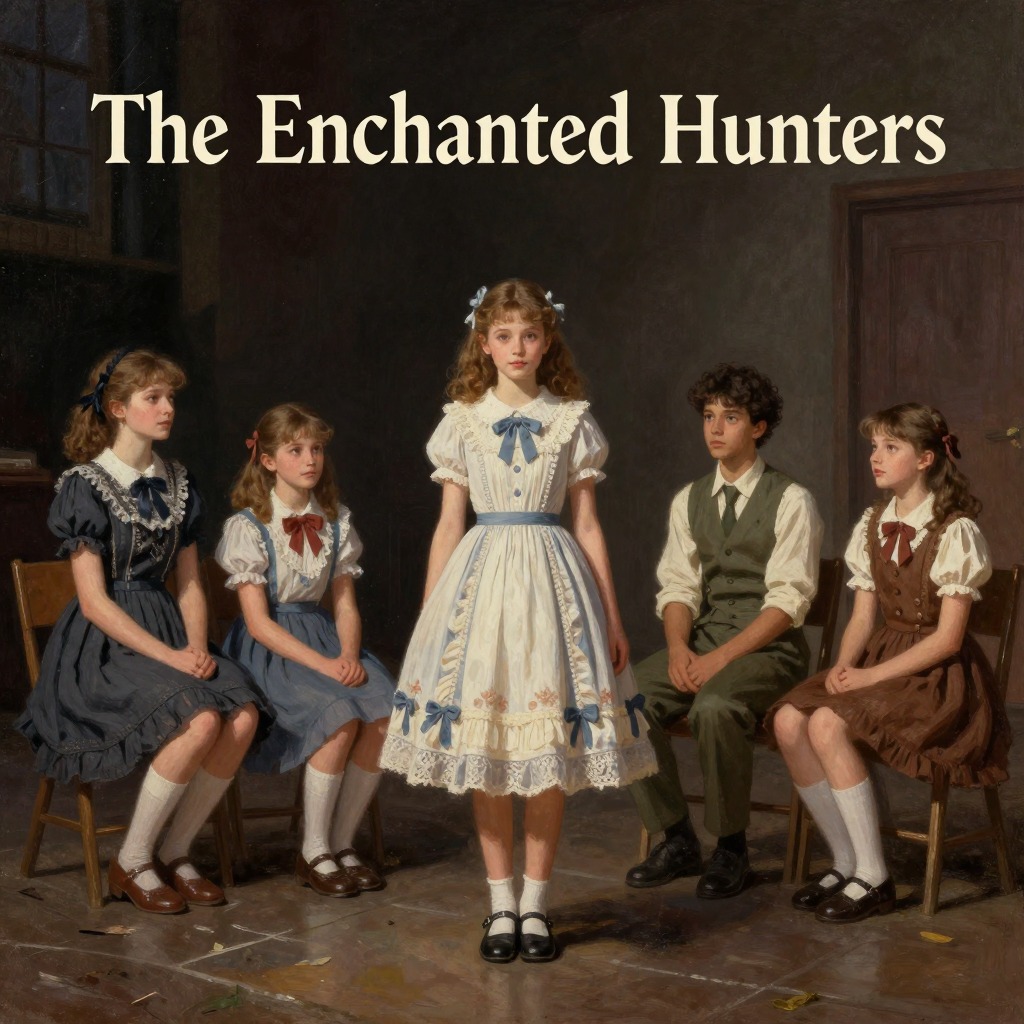
Quilty's profession as a playwright is central to his role in the novel. He is the author of The Enchanted Hunters, the play in which Dolores Haze is cast as a farmer's daughter who imagines herself a woodland witch. The play's title is identical to the name of the hotel where Humbert first has sex with Lolita, a coincidence that Humbert initially dismisses but that later reveals Quilty's long reach. The play is performed at Beardsley School, and Quilty himself attends a rehearsal, where he raves about Dolores's performance and kisses her on the brow. It is through the play that Quilty re-enters Dolores's life, using the theatrical production as a cover for their renewed contact. The play's plot—in which a poet insists that the nymphs and hunters are his own invention—mirrors Quilty's own manipulative authorship of the drama that engulfs Humbert and Lolita.
The Pursuit and the Pseudonyms
After Quilty kidnaps Dolores from the Elphinstone hospital, he leads Humbert on a year-long chase across the United States, leaving a trail of mocking pseudonyms in hotel registers. These names—Dr. Gratiano Forbeson, Arthur Rainbow, Morris Schmetterling, D. Orgon, Harry Bumper, Phineas Quimby, Dr. Kitzler, G. Trapp, Aubrey Beardsley, Lucas Picador, Will Brown, Harold Haze, Donald Quix, Ted Hunter, and others—form a coded literary game designed to taunt Humbert. They reveal Quilty's highbrow tastes, his knowledge of French, his familiarity with Italian comedy, and his cruel sense of humor. He signs one entry "Ted Hunter, Cane, NH," an anagram that Humbert finds particularly penetrating. Quilty also changes cars with bewildering ease, switching from the Aztec Red Convertible to a series of rented gray sedans, and he plants a fake telephone call to Humbert at the Champion hotel, pretending to be the Beardsley School headmistress. This elaborate campaign of psychological torture demonstrates Quilty's complete control over the narrative of pursuit, turning Humbert's search into a performance directed by Quilty himself.
Confrontation and Death
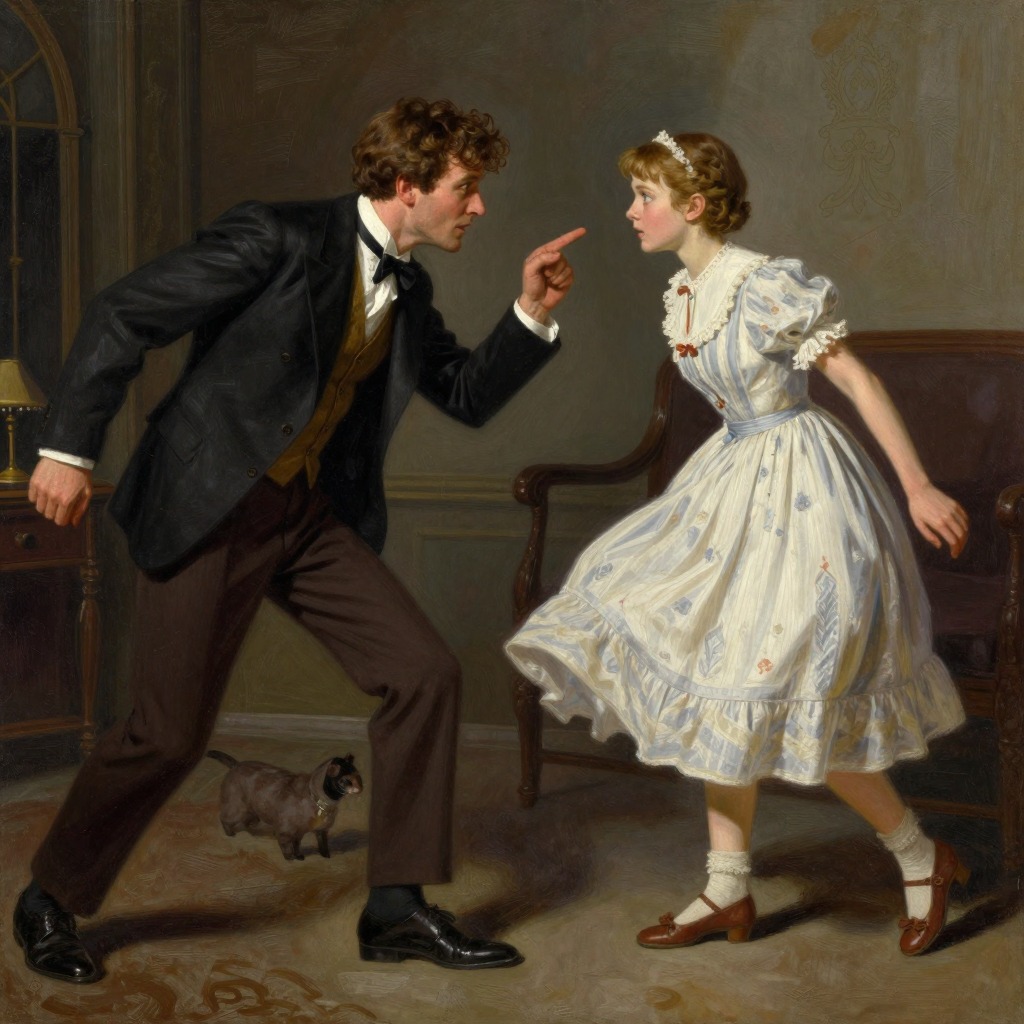
The final confrontation takes place at Quilty's ancestral home, Grimm Road / Pavor Manor, a ramshackle wooden house with a turret. Humbert finds Quilty in a purple bathrobe, drugged and disoriented, but still verbally agile. Quilty initially mistakes Humbert for someone named Brewster, then tries to bribe, cajole, and distract him. He claims he is practically impotent and that he gave Dolores a splendid vacation. He offers Humbert the house, a cellar, and a young woman with three breasts. The struggle is grotesque and farcical: the two men roll on the floor "like two large dummies, stuffed with dirty cotton and rags." Humbert recites a poem of accusation, and Quilty praises it as "a fine poem." The shooting itself is a prolonged, messy affair. Humbert fires multiple bullets into Quilty, who continues to walk, talk, and even play the piano, complaining in a phony British accent that the bullets hurt. Quilty finally retreats to his bed, wraps himself in the blankets, and dies after a pink bubble forms on his lips. Even in death, Quilty stages a final theatrical moment: he crawls out onto the landing, where a group of his friends, who have arrived for a game, mistake his dying convulsions for a joke. Quilty's death is not a clean execution but a chaotic, almost comic spectacle that underscores his refusal to play the role of a dignified victim.
Narrative Role and Significance
Quilty functions as Humbert's double and dark mirror. Both are writers, both are predators of children, and both use language as a weapon. Quilty's elaborate pseudonym game mirrors Humbert's own narrative unreliability, and his theatricality mirrors Humbert's self-dramatization. Quilty is the one who completes the destruction of Dolores Haze, taking her from the hospital and subjecting her to a life of drug-fueled orgies at the Duk Duk Ranch, from which she emerges pregnant and impoverished. He is the figure Humbert must kill to avenge his lost paradise, but the murder brings no catharsis. Instead, it leaves Humbert with a "burden even weightier" than before. Quilty's final words, spoken through the music room door, are a plea for reason: "Soyons raisonnables." But reason has no place in the world he and Humbert have created. He is the ultimate trickster, the playwright who scripts his own death scene, and the ghost who haunts the margins of Humbert's confession from the very beginning.