before Matilda's fifth birthday
The Wormwood Household
[Matilda Wormwood](entity:character-recall-character-matilda-wormwood-e08af54fbf2e) grows up in a comfortable house with [Mr. Wormwood](entity:character-recall-character-mr-wormwood-ce6f576cbdca), [Mrs. Wormwood](entity:character-recall-character-mrs-wormwood-29eac68de211), and her older brother, [Michiel Wurmhout](entity:character-recall-character-michiel-wurmhout-0fc7ea341d85). Her parents are absorbed in television, bingo, and their own concerns; they regard their daughter as an inconvenience rather than a child whose needs deserve attention.
The contrast between [Matilda](entity:character-recall-character-matilda-4bba2d801dc7)'s unusual abilities and her family's indifference establishes the story's central injustice. The gifted child has no encouragement at home, so she must find her own ways to learn and to endure the adults around her.
by eighteen months old
A Remarkable Toddler
By the age of eighteen months, [Matilda Wormwood](entity:character-recall-character-matilda-wormwood-e08af54fbf2e) can speak with striking fluency and knows more words than many adults. Her parents do not celebrate the achievement; instead, they complain that she talks too much and insist that little girls should keep quiet.
Their response makes clear that [Matilda](entity:character-recall-character-matilda-4bba2d801dc7)'s talents will not win her affection or respect at home. Her intelligence is already conspicuous, but her parents choose to treat it as a nuisance.
at age three
Learning to Read
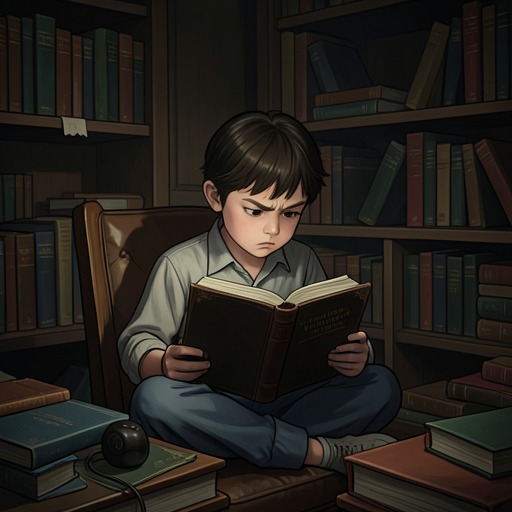
At three, [Matilda Wormwood](entity:character-recall-character-matilda-wormwood-e08af54fbf2e) teaches herself to read by studying newspapers and magazines left around the house. By four, she reads so well that she longs for books, but the only volume in the house is [Mrs. Wormwood](entity:character-recall-character-mrs-wormwood-29eac68de211)'s cookbook, which [Matilda](entity:character-recall-character-matilda-4bba2d801dc7) reads from cover to cover.
Having exhausted the reading material available at home, she asks [Mr. Wormwood](entity:character-recall-character-mr-wormwood-ce6f576cbdca) to buy her a book. Her self-directed learning has outgrown her surroundings, but her father sees no value in supporting it.
shortly before Matilda turns five
The Refused Book
When [Matilda Wormwood](entity:character-recall-character-matilda-wormwood-e08af54fbf2e) asks for a book, [Mr. Wormwood](entity:character-recall-character-mr-wormwood-ce6f576cbdca) dismisses the idea and tells her that the household's large television should be enough. He calls her spoiled for wanting to read rather than watch it.
The refusal does not extinguish [Matilda](entity:character-recall-character-matilda-4bba2d801dc7)'s curiosity. Instead, it prompts her to find a resource for herself, turning a moment of parental dismissal into the beginning of her independent life as a reader.
at age four
The Village Library
While [Mrs. Wormwood](entity:character-recall-character-mrs-wormwood-29eac68de211) goes out to play bingo and the rest of the family is away, [Matilda Wormwood](entity:character-recall-character-matilda-wormwood-e08af54fbf2e) walks alone to the village library. She introduces herself to [Mrs. Phelps](entity:character-recall-character-mrs-phelps-e8bdaf57dfc7) and asks to sit and read; the librarian is surprised by the small child's arrival but lets her choose a book.
[Matilda](entity:character-recall-character-matilda-4bba2d801dc7) quickly finishes the children's books and explains that she has read the words as well as looked at the pictures. Mrs. Phelps realizes that this quiet visitor is an extraordinary reader, and the library becomes Matilda's refuge from the empty house.
during Matilda's first weeks at the library
Great Expectations
After [Matilda Wormwood](entity:character-recall-character-matilda-wormwood-e08af54fbf2e) has read the children's shelves, [Mrs. Phelps](entity:character-recall-character-mrs-phelps-e8bdaf57dfc7) chooses [Great Expectations](entity:object-recall-object-b69eaabde585) by Charles Dickens for her. [Matilda](entity:character-recall-character-matilda-4bba2d801dc7) reads it in the library's large chair, bent over a volume too heavy for her to hold comfortably, absorbed in its story.
Within a week she has finished the book and asks whether Dickens wrote others. Mrs. Phelps begins lending her books, quietly giving Matilda access to a much wider world than her family can imagine.
over the following six months
A Reader's Education
[Matilda Wormwood](entity:character-recall-character-matilda-wormwood-e08af54fbf2e) reads widely, moving from Dickens to Charlotte Bronte, Jane Austen, Thomas Hardy, Rudyard Kipling, H. G. Wells, Ernest Hemingway, John Steinbeck, and other novelists. She sometimes finds adult books difficult, but she relishes the feeling of being carried into other lives and places.
[Mrs. Phelps](entity:character-recall-character-mrs-phelps-e8bdaf57dfc7) encourages her not to worry about every passage she cannot understand, advising her to let the words wash over her like music. [Matilda](entity:character-recall-character-matilda-4bba2d801dc7) begins borrowing books to take home, and her bedroom becomes a private reading room in which literature offers both company and escape.
before Matilda starts school
Mr. Wormwood's Tricks
[Mr. Wormwood](entity:character-recall-character-mr-wormwood-ce6f576cbdca) boasts to his family about his used-car business and explains how he cheats customers. He puts sawdust into damaged gearboxes to quiet them temporarily and uses an electric drill to turn back odometers, then sells the cars as nearly new.
[Matilda Wormwood](entity:character-recall-character-matilda-wormwood-e08af54fbf2e) recognizes that these are deliberate frauds and tells her father that he is deceiving people who trust him. Mr. Wormwood answers that customers exist to be cheated, exposing the moral world he intends to pass on to his son and the one [Matilda](entity:character-recall-character-matilda-4bba2d801dc7) rejects.
the evening after Mr. Wormwood boasts of his fraud
A Life Before Television
At dinner, [Matilda Wormwood](entity:character-recall-character-matilda-wormwood-e08af54fbf2e) asks to eat in the dining room so she can read. [Mr. Wormwood](entity:character-recall-character-mr-wormwood-ce6f576cbdca) refuses, insisting that dinner is a family event even though the family routinely eats from trays in front of the television.
The books [Matilda](entity:character-recall-character-matilda-4bba2d801dc7) has read have shown her that life can offer more than television and deception. She lies awake angry at the way her parents belittle her and resolves to retaliate whenever they treat her cruelly, using the intelligence that is her only real advantage against them.
the morning after Matilda's decision to retaliate
The Glued Hat
Before [Mr. Wormwood](entity:character-recall-character-mr-wormwood-ce6f576cbdca) leaves for work, [Matilda Wormwood](entity:character-recall-character-matilda-wormwood-e08af54fbf2e) takes his favorite hat and applies superglue around its inner rim. He puts it on without noticing and discovers at the garage that it cannot be removed without tearing his skin.
He spends the day wearing it, then returns home still stuck inside it. [Mrs. Wormwood](entity:character-recall-character-mrs-wormwood-29eac68de211) eventually cuts the hat away, leaving a ring of shaved hair and patches of leather on his forehead. [Matilda](entity:character-recall-character-matilda-4bba2d801dc7) watches the humiliation from behind her book, pleased that her first carefully planned retaliation has worked.
some time after the hat prank
The Torn Book
After a difficult day, [Mr. Wormwood](entity:character-recall-character-mr-wormwood-ce6f576cbdca) finds [Matilda Wormwood](entity:character-recall-character-matilda-wormwood-e08af54fbf2e) reading [The Red Pony](entity:object-recall-object-777790ba4c53) and snatches it from her. When she recommends the novel, he dismisses it because it was written by an American and tears out its pages, despite learning that it is a library book.
[Matilda](entity:character-recall-character-matilda-4bba2d801dc7) does not cry. She quietly decides on another punishment and makes a plan that depends on whether her friend Fred's parrot really can talk as well as he claims. Her composure shows how reading and ingenuity help her resist the harm inflicted by her father.
the evening after Mr. Wormwood destroys The Red Pony
The Parrot in the Chimney
[Matilda Wormwood](entity:character-recall-character-matilda-wormwood-e08af54fbf2e) borrows Fred's talking parrot and hides its cage in the dining-room chimney. That evening, its calls of hello and its eerie cry of woe make the Wormwood family believe that an intruder or ghost is inside the house.
The family creeps into the dining room armed with household objects, but finds nobody. [Matilda](entity:character-recall-character-matilda-4bba2d801dc7) joins their search and performs surprise, then returns the sooty, grumpy parrot to Fred the next morning. The prank makes her parents unusually civil for a while, though their improved behavior does not last.
after the parrot prank
The Impossible Sum
[Mr. Wormwood](entity:character-recall-character-mr-wormwood-ce6f576cbdca) asks his son to calculate the profit from five cars he has sold, presenting the exercise as a lesson for the boy who is expected to join the business. [Matilda Wormwood](entity:character-recall-character-matilda-wormwood-e08af54fbf2e) works out the total immediately and quietly supplies the correct answer.
Her father accuses her of cheating rather than accepting her ability, and [Mrs. Wormwood](entity:character-recall-character-mrs-wormwood-29eac68de211) supports him. The episode confirms that [Matilda](entity:character-recall-character-matilda-4bba2d801dc7)'s family will not recognize her intelligence even when it is demonstrated in front of them, reinforcing her isolation at home.
the morning after the arithmetic dispute
The Platinum Hair
[Matilda Wormwood](entity:character-recall-character-matilda-wormwood-e08af54fbf2e) pours most of [Mr. Wormwood](entity:character-recall-character-mr-wormwood-ce6f576cbdca)'s violet hair lotion down the drain and replaces it with [Mrs. Wormwood](entity:character-recall-character-mrs-wormwood-29eac68de211)'s strong platinum hair dye. At breakfast, Mr. Wormwood massages the mixture into his hair, believing he is using his usual lotion.
His hair turns a dirty silver shade, and the family is horrified. He rushes to wash it and arrange a dye job at the hairdresser, while [Matilda](entity:character-recall-character-matilda-4bba2d801dc7)'s mother blames his carelessness. Matilda has again turned her parents' own habits into the means of a comic punishment.
at age five and a half
Matilda Starts School
[Matilda Wormwood](entity:character-recall-character-matilda-wormwood-e08af54fbf2e) starts school late because her parents have neglected to enroll her. At [Pletze Basisschool](entity:location-recall-location-pletze-basisschool-aba308a23ed1), she enters the youngest class, taught by the gentle [Juffrouw Engel](entity:character-recall-character-534b64e0c2fd), while the institution is ruled by the terrifying [Miss Trunchbull](entity:character-recall-character-miss-trunchbull-94a2d84e64dd).
On her first day, [Matilda](entity:character-recall-character-matilda-4bba2d801dc7) reveals that she knows multiplication tables far beyond the class's level and can calculate difficult products in her head. Juffrouw Engel recognizes that the new pupil is exceptionally gifted, though Matilda herself treats her abilities modestly.
during Matilda's first school day
A Limerick for Juffrouw Engel
[Juffrouw Engel](entity:character-recall-character-534b64e0c2fd) tests what [Matilda Wormwood](entity:character-recall-character-matilda-wormwood-e08af54fbf2e) can read and gives her a book of humorous verse. [Matilda](entity:character-recall-character-matilda-4bba2d801dc7) reads a limerick fluently, understands its wordplay, and then admits she has tried composing one herself.
At Juffrouw Engel's gentle insistence, Matilda recites a flattering limerick about her teacher. The class responds warmly, and Juffrouw Engel begins to see not only a brilliant pupil but also a thoughtful child who can connect with others through humor and affection.
the break on Matilda's first school day
The First Attempt to Advance Matilda
Excited by [Matilda Wormwood](entity:character-recall-character-matilda-wormwood-e08af54fbf2e)'s abilities, [Juffrouw Engel](entity:character-recall-character-534b64e0c2fd) goes to [Miss Trunchbull](entity:character-recall-character-miss-trunchbull-94a2d84e64dd) to explain that the child is far beyond the work in the youngest class. She asks that [Matilda](entity:character-recall-character-matilda-4bba2d801dc7) be moved to a class of much older pupils.
Miss Trunchbull refuses, dismisses Matilda as a troublemaker, and insists that children remain with their age group. Juffrouw Engel leaves without securing a transfer, but resolves to help Matilda through more advanced books and individual attention.
in the days after Matilda's first school day
Lessons Beyond the Class
Unable to move [Matilda Wormwood](entity:character-recall-character-matilda-wormwood-e08af54fbf2e) into an older class, [Juffrouw Engel](entity:character-recall-character-534b64e0c2fd) borrows advanced textbooks in subjects including algebra, geometry, French, and literature. She gives [Matilda](entity:character-recall-character-matilda-4bba2d801dc7) material to study while the rest of the class works on basic reading and arithmetic.
Matilda accepts the arrangement without boasting and immerses herself in the books. Juffrouw Engel admires her calm manner and begins to wonder whether the child's parents know how remarkable she is.
the evening after Matilda's first school day
The Home Visit
[Juffrouw Engel](entity:character-recall-character-534b64e0c2fd) visits the Wormwood home to tell [Mr. Wormwood](entity:character-recall-character-mr-wormwood-ce6f576cbdca) and [Mrs. Wormwood](entity:character-recall-character-mrs-wormwood-29eac68de211) that [Matilda Wormwood](entity:character-recall-character-matilda-wormwood-e08af54fbf2e) is a mathematical prodigy and a remarkably advanced reader. She expects proud parents to be eager for guidance about their daughter's education.
Instead, the parents show little interest. Mr. Wormwood values money and television over books, while Mrs. Wormwood insists that appearance matters more than learning. Juffrouw Engel leaves understanding that [Matilda](entity:character-recall-character-matilda-4bba2d801dc7) cannot rely on her family to recognize or nurture her talents.
during Matilda's first week at school
Friendship with Lavender
[Matilda Wormwood](entity:character-recall-character-matilda-wormwood-e08af54fbf2e) makes friends with [Lavender](entity:character-recall-character-lavender-65e0f6190a36), a small, adventurous classmate. The girls enjoy one another's courage and curiosity, and their companionship gives [Matilda](entity:character-recall-character-matilda-4bba2d801dc7) an ally among the children at school.
As stories about [Miss Trunchbull](entity:character-recall-character-miss-trunchbull-94a2d84e64dd) spread, their friendship develops in the shadow of the school's frightening authority. The children learn to observe danger closely and to share what they know about surviving it.
later in Matilda's first week at school
Hortensia's Warnings
[Hortensia](entity:character-recall-character-hortensia-1f64ac152024) tells [Matilda Wormwood](entity:character-recall-character-matilda-wormwood-e08af54fbf2e) and [Lavender](entity:character-recall-character-lavender-65e0f6190a36) about [Miss Trunchbull](entity:character-recall-character-miss-trunchbull-94a2d84e64dd)'s punishment cupboard, the [Stikhok](entity:location-recall-location-stikhok-acdeb81b333a), describing its cramped space, sharp hazards, and darkness. She recounts her own punishments after pranks against the headmistress, including putting syrup on a chair and itching powder in the gym clothes.
Hortensia portrays the pupils as an embattled army facing a cruel ruler. Her stories give the younger girls a chilling account of the school's hidden violence and show how children use mischief and solidarity to push back.
during Matilda's first week at school
Amanda Over the Fence
[Miss Trunchbull](entity:character-recall-character-miss-trunchbull-94a2d84e64dd) sees Amanda Thripp's long plaits and orders her to cut them off. When Amanda explains that her mother likes them, the headmistress grabs the plaits and whirls the girl around like a hammer thrower.
Miss Trunchbull releases Amanda over the school fence. The girl lands on the playing field and eventually returns, shaken but alive. The spectacle confirms [Hortensia](entity:character-recall-character-hortensia-1f64ac152024)'s warning that the headmistress's violence is real, public, and treated as ordinary by the adults in charge.
after Matilda's first week begins
The Cake Accusation
[Miss Trunchbull](entity:character-recall-character-miss-trunchbull-94a2d84e64dd) summons [Bruce Bogtrotter](entity:character-recall-character-bruce-bogtrotter-b63dee117abe) before the assembled school and accuses him of stealing a slice of her private chocolate cake. She calls him a criminal and makes the school's attention part of the punishment.
Rather than simply discipline Bruce, she orders the cook to bring out an enormous cake and demands that he eat it all in public. Her staged generosity is another form of cruelty: she intends to make the boy sick and humiliate him before his peers.
immediately after the cake accusation
Bruce Finishes the Cake
[Bruce Bogtrotter](entity:character-recall-character-bruce-bogtrotter-b63dee117abe) begins cautiously, but keeps eating as [Miss Trunchbull](entity:character-recall-character-miss-trunchbull-94a2d84e64dd) orders him to continue. As he passes the halfway point, the watching children begin to understand that he may actually finish the enormous cake.
The school's fear turns into a silent, collective hope, and then into cheering when Bruce eats the last piece. Miss Trunchbull smashes the empty platter against his head, but Bruce remains triumphant. His endurance gives the pupils a rare public victory against their oppressor.
the night before Miss Trunchbull's first lesson with Matilda's class
Lavender's Salamander Plan
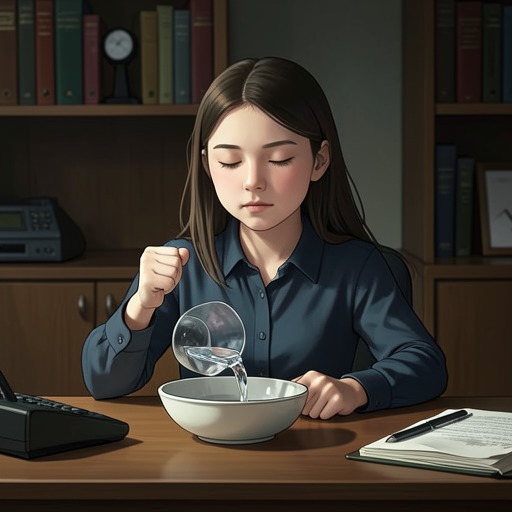
After [Juffrouw Engel](entity:character-recall-character-534b64e0c2fd) assigns [Lavender](entity:character-recall-character-lavender-65e0f6190a36) the task of preparing [Miss Trunchbull](entity:character-recall-character-miss-trunchbull-94a2d84e64dd)'s water jug, Lavender decides that the responsibility could become a chance to perform a daring prank. She catches a salamander in a garden pond and carries it to school in a pencil box.
At lunchtime, Lavender slips the animal into the water jug and adds water plants, then returns the box to her desk. She keeps the plan secret, both to avoid discovery and to claim the courage of acting on her own.
the next day at two o'clock
The First Weekly Lesson
[Miss Trunchbull](entity:character-recall-character-miss-trunchbull-94a2d84e64dd) takes over [Matilda Wormwood](entity:character-recall-character-matilda-wormwood-e08af54fbf2e)'s class for its weekly lesson, insulting the pupils and demanding that they answer questions under threat. [Nico](entity:character-recall-character-nico-3567b259badf) is sent to stand facing the wall, but he spells a difficult word correctly and explains [Juffrouw Engel](entity:character-recall-character-534b64e0c2fd)'s memorable spelling song.
Miss Trunchbull mocks the teaching method and turns to arithmetic, using the lesson to establish her control rather than to teach. The children and their teacher must watch every move, knowing that a correct answer offers no protection from her temper.
during Miss Trunchbull's first weekly lesson
Robert and Erik Punished
When Robert answers a multiplication question incorrectly, [Miss Trunchbull](entity:character-recall-character-miss-trunchbull-94a2d84e64dd) grabs him by his curls, lifts him into the air, and forces him to repeat the correct answer before dropping him. She then seizes Erik by the ears and holds him aloft until he spells a word properly.
[Juffrouw Engel](entity:character-recall-character-534b64e0c2fd) protests that the children are being hurt, but Miss Trunchbull treats the violence as an instructional technique. The class witnesses how completely the headmistress uses fear to dominate both pupils and teacher.
later in Miss Trunchbull's first weekly lesson
Matilda Challenges the Headmistress
[Miss Trunchbull](entity:character-recall-character-miss-trunchbull-94a2d84e64dd) boasts about Nicholas Nickleby and calls the pupils unlikely to read it. [Matilda Wormwood](entity:character-recall-character-matilda-wormwood-e08af54fbf2e) quietly says that she has read the novel, but the headmistress calls her a liar and demands that she stand.
Miss Trunchbull also attacks [Matilda](entity:character-recall-character-matilda-4bba2d801dc7)'s father for having sold her a defective car, then warns that she will watch Matilda closely. Matilda does not back down, but the exchange makes clear that the headmistress's personal hostility toward the Wormwood family will intensify her treatment of the child.
the following Thursday afternoon
The Salamander in the Jug
[Lavender](entity:character-recall-character-lavender-65e0f6190a36)'s salamander slips from [Miss Trunchbull](entity:character-recall-character-miss-trunchbull-94a2d84e64dd)'s water jug into her glass as she pours. The animal startles the headmistress and the class, and Miss Trunchbull immediately blames [Matilda Wormwood](entity:character-recall-character-matilda-wormwood-e08af54fbf2e), threatening her with expulsion and severe punishment.
[Matilda](entity:character-recall-character-matilda-4bba2d801dc7) protests that she has not moved from her seat. Miss Trunchbull refuses to listen, turning an innocent child into a convenient culprit and pushing Matilda's anger beyond what she has previously felt.
moments after Miss Trunchbull accuses Matilda
The Glass Tips Over
Burning with anger at being blamed for something she did not do, [Matilda Wormwood](entity:character-recall-character-matilda-wormwood-e08af54fbf2e) fixes her attention on the glass and wills it to topple. She feels a strange heat and force in her eyes, as if invisible hands are reaching from them toward the table.
The glass slowly tips and spills its water and salamander over [Miss Trunchbull](entity:character-recall-character-miss-trunchbull-94a2d84e64dd). The headmistress shrieks and throws the animal away, while the class insists [Matilda](entity:character-recall-character-matilda-4bba2d801dc7) never left her seat. Matilda realizes that an extraordinary power has answered her anger.
immediately after the salamander incident
Matilda Repeats the Feat
After the other children leave, [Matilda Wormwood](entity:character-recall-character-matilda-wormwood-e08af54fbf2e) tells [Juffrouw Engel](entity:character-recall-character-534b64e0c2fd) that she caused the glass to fall using her eyes. Juffrouw Engel listens cautiously, unsure whether the child is describing a real power or an unusually vivid imagination.
At her teacher's invitation, [Matilda](entity:character-recall-character-matilda-4bba2d801dc7) concentrates on an empty glass and tips it over again. Juffrouw Engel sees the event for herself and understands that Matilda's ability is real, while Matilda is left exhausted and briefly seems to have traveled beyond herself.
after school on the day Matilda repeats the feat
The Walk to the Cottage
[Juffrouw Engel](entity:character-recall-character-534b64e0c2fd) invites [Matilda Wormwood](entity:character-recall-character-matilda-wormwood-e08af54fbf2e) to her home, and the two walk out of the village along quiet country lanes. [Matilda](entity:character-recall-character-matilda-4bba2d801dc7) speaks excitedly about how much she might be able to move, while Juffrouw Engel urges her to treat the unexplained power with care.
The walk brings Matilda into a more intimate relationship with her teacher. It also shifts the story from the immediate mystery of Matilda's ability toward the hidden hardship in Juffrouw Engel's own life.
Juffrouw Engel's childhood, beginning when she was two
A Childhood of Loss
At tea in her cottage, [Juffrouw Engel](entity:character-recall-character-534b64e0c2fd) tells [Matilda Wormwood](entity:character-recall-character-matilda-wormwood-e08af54fbf2e) that her mother died when she was two. Her father, [Marcus](entity:character-recall-character-marcus-b3dea9e9568d), brought in his unmarried sister-in-law to keep house and care for the child.
When Juffrouw Engel was five, Marcus died in circumstances that were treated as suicide, though the circumstances remained mysterious. His death left the young girl under her aunt's guardianship and gave the aunt control over the family home.
from Juffrouw Engel's fifth year through her adolescence
The Aunt's Control
After [Marcus](entity:character-recall-character-marcus-b3dea9e9568d)'s death, [Agatha Bulstronk](entity:character-recall-character-e23d9c8b4846) becomes [Juffrouw Engel](entity:character-recall-character-534b64e0c2fd)'s guardian and treats her as a servant. Juffrouw Engel describes years of fear, domestic labor, and obedience, explaining that she was too intimidated to complain or leave.
She is capable at school and could have pursued university, but her aunt keeps her at home to manage the household. The account reveals that the school's terrifying headmistress has long exercised the same kind of cruelty in private that she inflicts on her pupils.
when Juffrouw Engel becomes a teacher at eighteen
A Salary Taken Away
[Juffrouw Engel](entity:character-recall-character-534b64e0c2fd) trains as a teacher in Reading while still expected to return home each day to cook, clean, wash, and iron for her aunt. When she obtains a teaching job, [Agatha Bulstronk](entity:character-recall-character-e23d9c8b4846) claims that years of food and clothing have left Juffrouw Engel deeply in debt.
The aunt arranges for the school salary to be paid into her own account and gives Juffrouw Engel only a small weekly allowance. Juffrouw Engel is still too frightened to refuse, and the exploitation continues into her adult life.
two years before Matilda's visit
The Cottage Escape
While taking early walks, [Juffrouw Engel](entity:character-recall-character-534b64e0c2fd) discovers a tiny cottage and persuades its farmer-owner to rent it to her. She saves enough to pay the small rent and, despite her aunt's rage, packs her belongings and leaves the family home.
The cottage has no running water, bath, or proper furniture, and Juffrouw Engel lives on a meager budget. Yet the move is her first real act of freedom, giving her a home of her own even as [Agatha Bulstronk](entity:character-recall-character-e23d9c8b4846) continues to occupy the larger house.
at the end of Matilda's visit to the cottage
The Aunt Is Miss Trunchbull
[Matilda Wormwood](entity:character-recall-character-matilda-wormwood-e08af54fbf2e) realizes that [Juffrouw Engel](entity:character-recall-character-534b64e0c2fd)'s aunt, the woman who controlled her childhood and took her salary, is [Miss Trunchbull](entity:character-recall-character-miss-trunchbull-94a2d84e64dd). Juffrouw Engel confirms the connection and explains that her aunt still lives in the old family home.
She also says that the supposed document giving [Agatha Bulstronk](entity:character-recall-character-e23d9c8b4846) the house may have been forged and that [Marcus's will](entity:object-recall-object-dc27729dde99) has disappeared. [Matilda](entity:character-recall-character-matilda-4bba2d801dc7) recognizes that her teacher's poverty and the headmistress's power are tied to the same unresolved theft.
on the walk back from the cottage
The Plan for Juffrouw Engel
On the way home, [Matilda Wormwood](entity:character-recall-character-matilda-wormwood-e08af54fbf2e) asks how [Juffrouw Engel](entity:character-recall-character-534b64e0c2fd)'s father and aunt addressed one another and what name they used for the girl at home. She repeats the names [Marcus](entity:character-recall-character-marcus-b3dea9e9568d), Agatha, and Marijke, carefully fixing them in her mind.
Juffrouw Engel asks [Matilda](entity:character-recall-character-matilda-4bba2d801dc7) not to do anything foolish, but Matilda has already formed the beginning of a plan. The names give her a way to invoke the dead father's authority and confront [Miss Trunchbull](entity:character-recall-character-miss-trunchbull-94a2d84e64dd) without exposing the real source of the message.
the days after the visit to Juffrouw Engel's cottage
Practice with the Cigar
Alone at home, [Matilda Wormwood](entity:character-recall-character-matilda-wormwood-e08af54fbf2e) takes a cigar from [Mr. Wormwood](entity:character-recall-character-mr-wormwood-ce6f576cbdca)'s supply and uses it to practice the power in her eyes. She first makes the cigar roll off a table, then learns to lift it and hold it in the air.
She practices every day after school until she can guide the cigar wherever she wishes. The training costs her effort, but it gives her the precision needed for the plan she has formed to free [Juffrouw Engel](entity:character-recall-character-534b64e0c2fd) from her aunt.
the following Thursday afternoon
The Chalk Writes
When [Miss Trunchbull](entity:character-recall-character-miss-trunchbull-94a2d84e64dd) returns to [Matilda Wormwood](entity:character-recall-character-matilda-wormwood-e08af54fbf2e)'s class, she questions the pupils and humiliates Wilfred over multiplication. As the headmistress terrorizes the class, [Matilda](entity:character-recall-character-matilda-4bba2d801dc7) directs her practiced power toward a piece of chalk on the board.
The chalk rises and writes Agatha's name, then a message claiming to come from [Marcus](entity:character-recall-character-marcus-b3dea9e9568d). It demands that Agatha return Marijke's home and salary and warns that Marcus will pursue her if she refuses. The writing turns Matilda's private plan into a public supernatural event.
immediately after the chalk message
The Headmistress Falls
[Miss Trunchbull](entity:character-recall-character-miss-trunchbull-94a2d84e64dd) recognizes the names on the board and is visibly shaken, insisting that [Marcus](entity:character-recall-character-marcus-b3dea9e9568d) cannot be writing to her. As the final warning appears, her composure collapses and she falls unconscious in front of the class.
[Nico](entity:character-recall-character-nico-3567b259badf) pours the jug's water over her to revive her, and other staff hurry into the room. [Matilda](entity:character-recall-character-matilda-4bba2d801dc7) remains seated, exhilarated by how easily her power moved the chalk; [Juffrouw Engel](entity:character-recall-character-534b64e0c2fd) understands that Matilda has used it to confront the woman who has controlled her life.
the day after the chalk incident
Miss Trunchbull Disappears
[Miss Trunchbull](entity:character-recall-character-miss-trunchbull-94a2d84e64dd) returns to consciousness and leaves the school pale and tight-lipped. She does not come back the following day, and the acting head, Mr. Dophoed, goes to the Red House to check on her.
The house is deserted, though its furniture remains. Miss Trunchbull's clothes, shoes, and other belongings are gone, and Mr. Dophoed reports that the headmistress has disappeared. Her departure ends her immediate rule over the school and leaves the mystery of the chalk message unresolved for everyone but [Matilda](entity:character-recall-character-matilda-4bba2d801dc7) and [Juffrouw Engel](entity:character-recall-character-534b64e0c2fd).
two days after Miss Trunchbull disappears
The Will Is Found
A solicitor sends [Juffrouw Engel](entity:character-recall-character-534b64e0c2fd) a registered letter saying that [Marcus's will](entity:object-recall-object-dc27729dde99) has suddenly been found. It establishes that she has been the rightful owner of the Red House since her father's death and is also entitled to his savings.
The solicitor asks her to come in so the property and money can be transferred into her name. The discovery reverses the dispossession that shaped Juffrouw Engel's adult life and confirms that [Agatha Bulstronk](entity:character-recall-character-e23d9c8b4846) had no legitimate claim to the home.
within three weeks of the will's discovery
Juffrouw Engel Reclaims Her Home
[Juffrouw Engel](entity:character-recall-character-534b64e0c2fd) completes the legal arrangements and moves into the Red House, the home where she grew up. The furniture and paintings from her earlier life are still there, and she no longer has to live in the poor cottage.
[Matilda Wormwood](entity:character-recall-character-matilda-wormwood-e08af54fbf2e) visits after school, and the teacher and child become close friends. With the return of her home and inheritance, Juffrouw Engel can offer [Matilda](entity:character-recall-character-matilda-4bba2d801dc7) something her own parents never have: attention, affection, and a secure place in which to belong.
not long after Juffrouw Engel moves to the Red House
Matilda Moves Up
With [Miss Trunchbull](entity:character-recall-character-miss-trunchbull-94a2d84e64dd) gone, Mr. Dophoed becomes head of [Pletze Basisschool](entity:location-recall-location-pletze-basisschool-aba308a23ed1). The school is no longer governed by the woman who terrorized its pupils, and its teachers can begin to work without her constant threats.
[Matilda Wormwood](entity:character-recall-character-matilda-wormwood-e08af54fbf2e) is transferred to the highest class, where Juffrouw Gympjes quickly recognizes the extent of her abilities. [Matilda](entity:character-recall-character-matilda-4bba2d801dc7) finally receives work demanding enough to engage her mind, rather than spending lessons far ahead of the youngest pupils.
several weeks after Miss Trunchbull disappears
The Power Fades
During tea at the Red House, [Matilda Wormwood](entity:character-recall-character-matilda-wormwood-e08af54fbf2e) tells [Juffrouw Engel](entity:character-recall-character-534b64e0c2fd) that she has tried to move something with her eyes and felt no heat or force. The telekinetic ability that once seemed so powerful appears to have vanished.
Juffrouw Engel suggests that [Matilda](entity:character-recall-character-matilda-4bba2d801dc7)'s mind had been frustrated in the youngest class and that its unused energy found an outlet through her eyes. Now that Matilda is challenged in the older class, her mental energy may be occupied by learning. Matilda is relieved not to have to live as a wonder-worker.
one afternoon several weeks later
The Wormwoods Prepare to Flee
After spending the afternoon with [Juffrouw Engel](entity:character-recall-character-534b64e0c2fd), [Matilda Wormwood](entity:character-recall-character-matilda-wormwood-e08af54fbf2e) returns home to find [Mr. Wormwood](entity:character-recall-character-mr-wormwood-ce6f576cbdca), [Mrs. Wormwood](entity:character-recall-character-mrs-wormwood-29eac68de211), and her brother packing for a hurried departure. Her father says they are leaving for Spain within half an hour and insists that [Matilda](entity:character-recall-character-matilda-4bba2d801dc7) come with them.
Matilda protests that she wants to stay, but Mr. Wormwood refuses to discuss it. She runs back to the Red House, desperate to ask Juffrouw Engel to let her live there instead of being taken away from the only school and home in which she has felt valued.
as Matilda reaches the Red House
The Flight to Spain
[Juffrouw Engel](entity:character-recall-character-534b64e0c2fd) explains that [Mr. Wormwood](entity:character-recall-character-mr-wormwood-ce6f576cbdca) is widely believed to be involved in a criminal network dealing in stolen cars. She suspects that the police are closing in and that he has prepared to flee to Spain, where he expects to escape arrest.
The explanation clarifies why the family is leaving so abruptly, but it does not change [Matilda](entity:character-recall-character-matilda-4bba2d801dc7)'s immediate fear of being taken away. Juffrouw Engel warns that parents have the right to decide where a child lives, leaving Matilda to ask whether her parents might consent to her staying behind.
minutes before the family's departure
Matilda Asks to Stay
[Matilda Wormwood](entity:character-recall-character-matilda-wormwood-e08af54fbf2e) begs [Juffrouw Engel](entity:character-recall-character-534b64e0c2fd) to let her live at the Red House. Juffrouw Engel agrees that she would welcome the child but says she can only take her in with her parents' permission.
The two hurry to the Wormwood home, where the Mercedes is being loaded. Juffrouw Engel offers to care for [Matilda](entity:character-recall-character-matilda-4bba2d801dc7) and pay her expenses, while Matilda pleads with her parents to let her remain.
at the end of the story
A New Home
[Mrs. Wormwood](entity:character-recall-character-mrs-wormwood-29eac68de211) agrees that [Matilda Wormwood](entity:character-recall-character-matilda-wormwood-e08af54fbf2e) may stay, treating the arrangement as one less responsibility. [Mr. Wormwood](entity:character-recall-character-mr-wormwood-ce6f576cbdca), impatient to catch the plane, also gives permission without hesitation.
The family drives away, and [Matilda](entity:character-recall-character-matilda-4bba2d801dc7) remains in [Juffrouw Engel](entity:character-recall-character-534b64e0c2fd)'s arms as the car disappears. The child who was neglected by her parents finds a home with the teacher who recognized her gifts, while Juffrouw Engel gains a beloved companion and the chance to make a life beyond her aunt's control.