Mrs. Wormwood
MatildaMrs. Wormwood is Matilda’s mother, a habitual bingo player who prizes appearance, domestic comfort, and television over books or intellectual achievement. Her treatment of Matilda is marked less by active interest in her daughter than by indifference to what Matilda reads and can do; when Miss Honey tries to explain the child’s gifts, Mrs. Wormwood treats them as unimportant and defends a sharply different measure of success.
Identity and Household Routine
Mrs. Wormwood spends five afternoons a week playing bingo in a town twelve kilometres away. She is described as addicted to the game, and its place in her routine has a direct effect on the household: while she is away, Matilda is usually left at home alone. Matilda’s brother, five years older, is at school, and Mr. Wormwood is at work. The account establishes a pattern of parental absence without suggesting that Mrs. Wormwood regards it as a problem.
Her absences are accompanied by a limited investment in the evening meal. After bingo, she is described as so physically and emotionally exhausted that she lacks the energy to cook. The family therefore eats either a ready-made frozen dinner or takeaway fish and chips. On the latter occasion, Mrs. Wormwood brings the food into the living room on a large tray, and the family eats from plates balanced on their knees in front of the television. In another meal scene, the frozen dinner is divided into separate compartments for stewed meat, boiled potatoes, and peas. These practical details give her routine a material shape: meals are arranged around convenience and the television rather than a shared table or conversation.
Appearance and Everyday Priorities
The narration presents Mrs. Wormwood as a large woman with platinum-blond hair dye growing out at the brown roots. She wears heavy makeup, and the description emphasizes a figure tightly constrained by clothing. This pointedly physical portrait accompanies a character who later makes appearance her explicit measure of personal success. Her self-presentation is not merely a detail of the household scenes: it anticipates the argument she makes to Miss Honey, in which looks are set against books as competing life choices.
Television occupies the same central place in the family’s routine. During dinner, Mrs. Wormwood chews while keeping her eyes on the programme. Matilda asks to eat in the dining room so she can read, but Mr. Wormwood refuses, insisting that dinner is a family occasion and that nobody may leave before it is over. Mrs. Wormwood does not intervene on Matilda’s behalf in the exchange. The scene shows how the household’s idea of togetherness can require Matilda’s presence while leaving her interest in reading unacknowledged.
Response to Matilda’s Reading and Ability
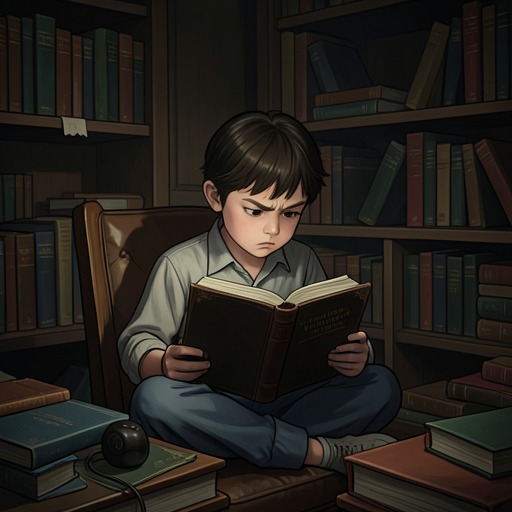
Mrs. Wormwood knows that Matilda reads, but she describes the habit dismissively, as though her daughter spends the day absorbed in foolish books. When Miss Honey points out that Matilda, at five, reads substantial books intended for adults, including works by Dickens and Hemingway, Mrs. Wormwood does not express surprise or excitement. She rejects the value of book learning for girls and argues that a girl should concentrate on her appearance so that she can marry well. The contrast is stark: Miss Honey treats Matilda’s reading as evidence of extraordinary ability, while her mother recognizes the activity but refuses its significance.
That refusal forms part of a wider pattern in the family scenes. When Matilda asks for a book, Mr. Wormwood objects that the family has an excellent large-screen television and calls her spoiled for wanting to read. Mrs. Wormwood’s position is most fully stated later, but the household’s priorities are already visible: books are not treated as a shared resource, and Matilda’s wish to read is framed as an inconvenience beside television and routine. The available scenes do not show Mrs. Wormwood encouraging her daughter’s intellectual interests; instead, her response to Miss Honey confirms that she sees little reason to value them.
Confrontation with Miss Honey
When Miss Honey visits the family to explain Matilda’s abilities, Mrs. Wormwood’s remarks turn a discussion of the child into a defence of her own choices. She compares herself with the teacher: Mrs. Wormwood says she chose appearance, whereas Miss Honey chose books. She then presents her comfortable home and Mr. Wormwood’s success in business as evidence that her choice has left her better off, in contrast with Miss Honey’s work teaching children. Mr. Wormwood supports her with an indulgent response, reinforcing the couple’s alignment against the teacher’s account of Matilda’s talent.
Miss Honey remains patient rather than escalating the exchange. She continues with further evidence, explaining that Matilda can multiply difficult numbers rapidly in her head. Mrs. Wormwood’s dismissal is therefore placed beside a specific, remarkable ability that the child’s teacher has come to recognize. The scene makes the divide between the adults plain: Miss Honey sees Matilda’s learning as a reason to act, while Mrs. Wormwood treats educational achievement as inferior to appearance and financial comfort.
Character and Narrative Significance
Mrs. Wormwood’s role is defined by the contrast between what Matilda needs and what her mother values. Her bingo schedule helps explain Matilda’s afternoons alone; the prepared or takeaway meals and television-centred dinners show the household’s routines; and her encounter with Miss Honey exposes her priorities directly. These details do not establish a single dramatic change in Mrs. Wormwood. Instead, they show a consistent outlook, from indifference to Matilda’s reading at home to the explicit claim that appearance matters more than learning.
Her confident comparison with Miss Honey also sharpens the story’s distinction between material success and intellectual or educational achievement. Mrs. Wormwood regards her house and husband’s business success as proof that she has chosen well, while the novel places her claim against Matilda’s exceptional abilities and Miss Honey’s recognition of them. In this conflict, Mrs. Wormwood is not simply unaware that Matilda reads: she knows, but does not consider that fact a source of excitement or pride. That gap between knowledge and appreciation is central to her place in Matilda’s family life.