Provost Court of Grasse
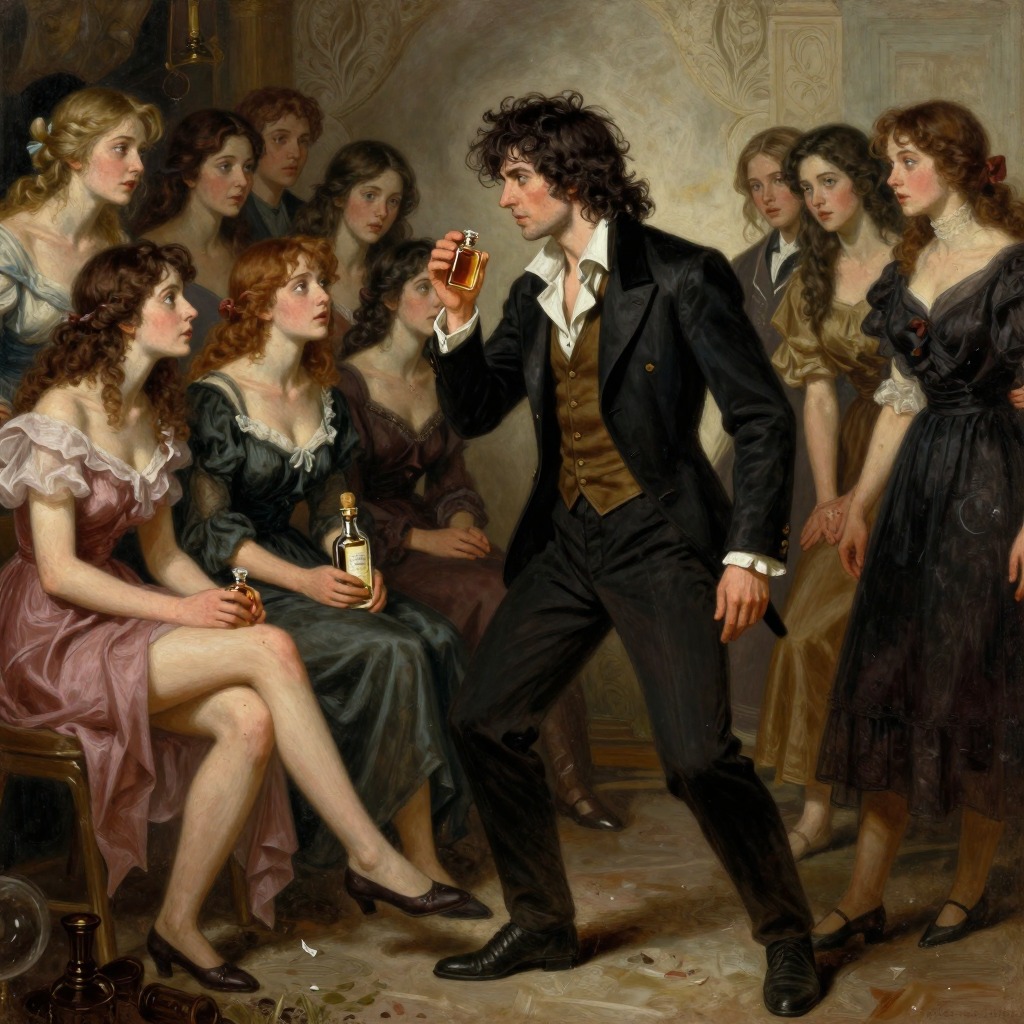
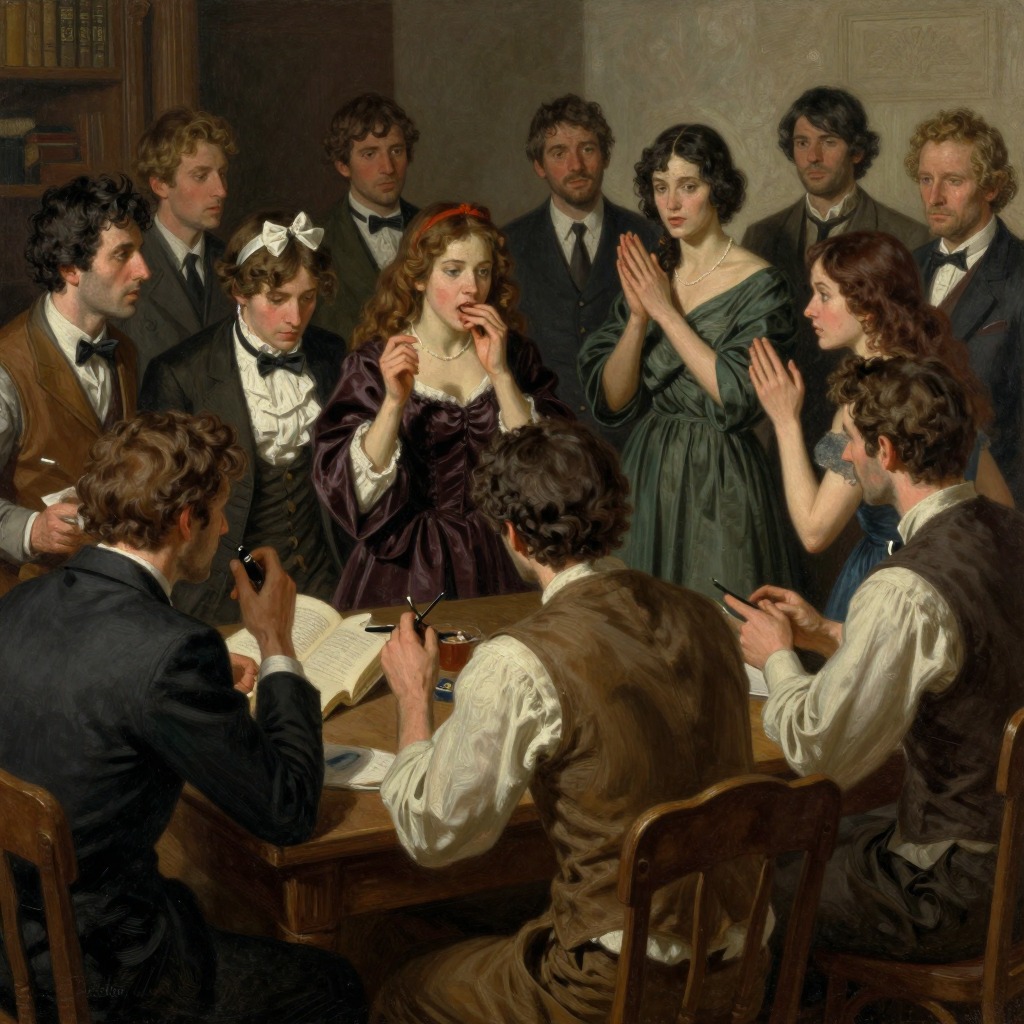
PerfumeThe Provost Court of Grasse was the judicial authority that handled the case of Jean-Baptiste Grenouille, the serial murderer of twenty-five young women. Its actions, from the display of evidence to the sentencing and the eventual collapse of the prosecution, illustrate the intersection of formal legal procedure, public panic, and the extraordinary power of Grenouille's perfume.
Display of Evidence and Public Identification
After Grenouille's arrest, the court sought to convince a skeptical populace of his guilt. The evidence was displayed on the church square in front of the provost court: a ghastly gallery of twenty-five garments and twenty-five crops of hair, mounted like scarecrows on poles. Hundreds of people filed by; victims' relatives recognized the clothes and collapsed screaming. The crowd, partly sensation seekers and partly those needing total conviction, demanded to see the murderer. The presiding judge decided to have Grenouille brought up from his cell and exhibited at a window on the second floor of the provost court. When Grenouille appeared, the roar turned to silence; the crowd could not comprehend how this short, paltry, stoop-shouldered man could have committed over two dozen murders. Yet the physical reality of the man at the window was paradoxically persuasive: they all thought it simply could not be true, yet knew it had to be true. Only after the guards led him back into the shadows did the crowd's bewilderment subside, replaced by a thundering cry of rage and revenge, and they attempted to storm the provost court.
Trial, Confession, and Torture
The proceedings against Grenouille moved at an extraordinarily rapid pace, not only because the evidence was overwhelming, but also because the accused freely confessed to all the murders charged against him. When asked about his motives, he gave no convincing answer, repeatedly replying only that he had "needed" the girls. The judges subjected him to torture—hanging him by his feet for hours, pumping him full of seven pints of water, putting clamps on his feet—without success. Grenouille seemed immune to physical pain, uttered no sound, and when questioned again replied only with "I needed them." The judges considered him insane, discontinued the torture, and decided to bring the case to an end without further interrogation. A legal squabble arose with the magistrate of Draguignan and the parliament in Aix, both wanting to take over the trial, but the judges of Grasse would not let the matter be wrested from them, fearing the pent-up anger of the citizenry if the murderer were handed over.
Verdict and Sentencing
On 15 April 1766, a verdict was rendered and read to the accused in his cell. The sentence stated that Grenouille should be led to the parade ground before the city gates, bound to a wooden cross with his face towards heaven, and while still alive dealt twelve blows with an iron rod, breaking the joints of his arms, legs, hips, and shoulders, then left to hang until death. The customary act of mercy—strangling the offender with a cord once his body had been crushed—was expressly forbidden the executioner, even if the agonies of death should take days. The body was to be buried by night in an unmarked grave in the knacker's yard. Grenouille received the verdict without emotion; when the bailiff asked if he had a last wish, he said he had everything he needed. A priest entered the cell to hear his confession but came out after fifteen minutes with nothing accomplished; when the priest mentioned the name of God, Grenouille looked at him with total incomprehension, then stretched out on his plank-bed and sank into a deep sleep.
Collapse of the Prosecution
At the execution itself, Grenouille's perfume exerted its power over the crowd, including the judges and officials. The presiding judge and the magistrates were among those overcome by the scent. After the orgy that followed, the judges met at the provost court and agreed without debate to regard the case of Grenouille as settled, to close the files, to place them in the archives without registry, and to open new proceedings against the thus-far unidentified murderer of twenty-five maidens in the region around Grasse. The order was passed to the police lieutenant to begin his investigation immediately. The next day, on the basis of incontrovertible evidence, he arrested Dominique Druot, in whose cabin the clothes and hair of all the victims had been found. After fourteen hours of torture, Druot confessed everything and begged to be executed as soon as possible, which was granted the following day. The provost court thus completed its function by providing a scapegoat and allowing the town to forget the true events.