Kawashima plans an ice-pick attack
PiercingKawashima plans an ice-pick attack by turning a fear of harming his infant daughter into a carefully organized murder scheme. Its disturbing significance lies not only in the violence he imagines, but in the change of purpose that occurs as he plans: what begins as an effort to relieve fear becomes a mission that seems to him to gather up the meaning of his life. The precision of his preparations cannot erase that transformation, and the plan eventually meets an interruption he did not anticipate.
Origin and Escalation
A magazine article about a murdered sex worker provides Kawashima with an idea for the attack. He considers buying both a knife and an ice pick, and imagines incorporating a detail from the report into his own intended crime. He anticipates the victim’s fear and wants to witness her response. The account presents these thoughts not as a sudden loss of control but as deliberate planning: he describes a calm, creative concentration, comparable to the attention he gives to choosing a photograph for a poster.
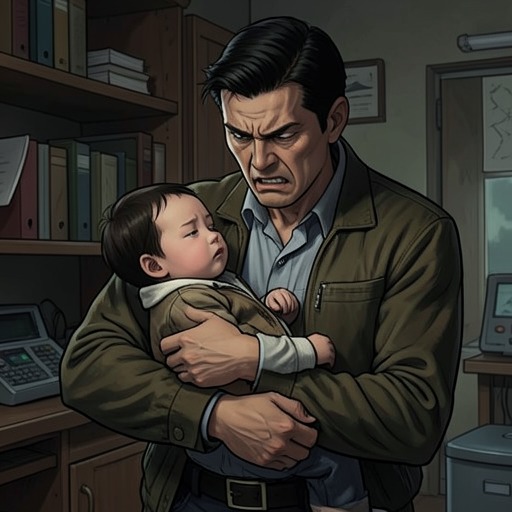
That calm marks a contrast with the ten days when Kawashima had lived in fear that he would stab the baby. His heartbeat had troubled him during that period, but it no longer did after the night at the convenience store. The plan’s original purpose was to relieve his fear of harming the child. As he becomes absorbed in the practical work, however, he begins to lose sight of that purpose. He even wonders whether his experiences have all prepared him for this mission, as if the plan were the destination toward which his life had been moving. The shift is central to the episode: the intended remedy has taken on a life of its own.
Designing the Crime
Kawashima reasons through the identity of his intended victim and the setting, treating both as problems to be solved. He settles on a prostitute, particularly someone working independently, because he imagines that fewer people would notice her absence or connect her to him. He also considers whether he would be able to communicate with her and observe her expressions. His requirements reduce a prospective victim to features of a scene he wants to control, a calculation that exposes the dehumanizing logic of the plan.
He rejects an outdoor location because he believes it would prevent him from controlling the situation and seeing what he has imagined. Instead, he considers businesses that could send a woman to a hotel room and concludes that he needs a private room and a means of restraining her. He weighs the perceived risks of different kinds of hotels: a love hotel might conceal a guest’s identity at reception, but staff or a worried agency could check on a visitor, while its quieter surroundings might make a departure conspicuous. A larger ordinary hotel seems to offer a better balance, despite requiring him to register and risk being recognized.
The hotel itself becomes part of the scheme. At the Akasaka Prince Hotel, Kawashima tests whether he can reserve a room using a false name and telephone number without being asked for identification. He considers how a desk clerk might remember a guest, what personal papers could betray him, and whether a disguise would attract more attention than it concealed. His proposed changes are meant to look ordinary: different hair, glasses, unfamiliar clothes, and a bag that would not stand out. He sets a strict condition for himself as well: if he sees someone who knows him, he will abandon the operation.
Concealment and the Notebook
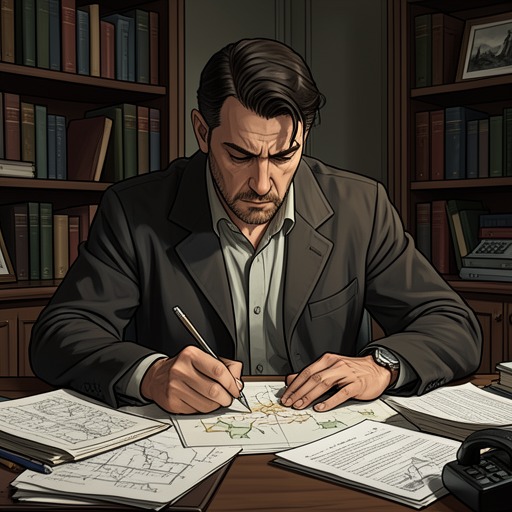
Kawashima records his thoughts in a notebook, using a stack of reading material and the hotel desk as the setting for sustained, methodical work. He considers what to wear, how to avoid leaving identifying traces, and how to separate the preparations from his everyday appearance. These details show how extensively he tries to anticipate attention from hotel staff and police. Yet the notes also reveal the limits of his control: he cannot be certain how a clerk will behave, whether anyone will recognize him, or what circumstances might arise once he is in the room.
At one point he writes beyond the practical preparations, considering what the victim might think his violence means. He then stops, erases that passage, and writes a forceful rule that thoughts unrelated to planning and preparation do not belong in the notebook. The gesture is more than editing. Kawashima tries to discipline his own thinking as tightly as he intends to discipline the circumstances around him, separating operational decisions from the disturbing implications of the act. The erased reflection nevertheless makes clear that those implications have occurred to him.
He also considers ways to misdirect investigators, including leaving an incoherent note and arranging for misleading regional clues to appear connected to the crime. His reasoning is double-edged: he wants the scene to suggest an irrational perpetrator, but recognizes that a deception sophisticated enough to be detected could instead make the police look for someone calculating. He weighs each possibility in the notebook rather than treating concealment as assured. By the end of the day he has filled seven pages, read them over, added to them, and locked the notebook away in his briefcase.
The Plan in Practice
The preparations move from the Akasaka Prince Hotel to the Keio Plaza Hotel in West Shinjuku. On a Friday afternoon, Kawashima arrives by hotel bus from the west exit of Shinjuku Station. The crowded lobby, busy with wedding guests and visitors attending other gatherings, gives him the low level of attention he had sought. He checks in without a lengthy exchange, carrying a plain overnight bag containing the items he has selected. He has changed into an inexpensive suit and glasses, and has found a discarded sports newspaper from the Kansai region as a possible part of his misdirection. He has not yet decided whether to use it.
In the room, on the twenty-ninth floor with a view of the Municipal Government Office complex, he reviews his notes while waiting for a woman he has arranged to meet. He repeatedly checks his wristwatch against the room’s digital clock. Although he tells himself that a delay is unsurprising, his hands perspire and the gloves he has brought feel conspicuous. Revisiting the notebook calms him. The scene places the abstract plan in an actual hotel room, but it also makes visible the tension that the written scheme cannot settle: Kawashima is anxious about timing and small contingencies even as he imagines the undertaking as orderly.
His preparation is also exposed to risks unrelated to his own calculations. In the hotel corridor, an elderly couple approaches him and asks about nearby restaurants. Kawashima worries that sharing an elevator could draw their attention to the floor he is going to. He waits for them to pass, then turns back toward his room. The encounter is brief, but it illustrates how easily ordinary hotel life can intrude on a plan built around avoiding notice.
Interruption and Significance
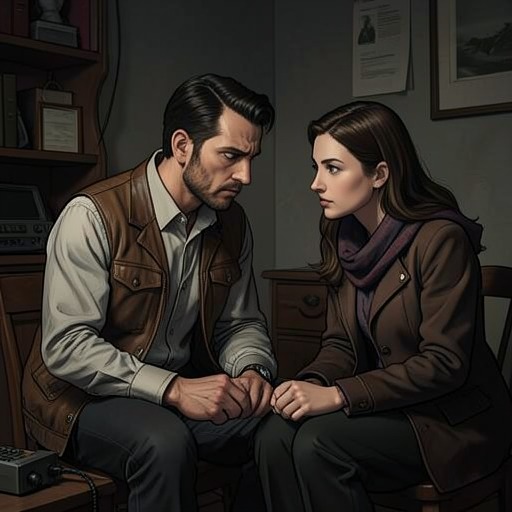
As Kawashima turns, the door of room 2902 opens and Sanada Chiaki staggers into the corridor, naked and visibly hurt. He freezes, holding a vinyl bag, while the elderly couple remains nearby and has not yet noticed her. He waits until they disappear around the corner, then runs toward Chiaki. The account ends with him moving to her rather than continuing his immediate movement back to the room; it does not establish here what ultimately happens to the planned attack.
The interruption brings the plan’s imagined control into contact with an unpredictable person and circumstance. Kawashima has devoted pages to anticipating hotel workers, police, recognition, and escape, yet this encounter is not one of the contingencies he has prepared for. It also changes the immediate focus from an abstract intended victim to Chiaki, a particular person who needs help. The contrast gives the planning episode its narrative force: the more Kawashima treats violence as a coherent mission, the more sharply the story exposes the human reality that his calculations cannot contain.