Keio Plaza Hotel
PiercingKeio Plaza Hotel is both a deliberately chosen setting and a point where Kawashima Masayuki’s plans meet events he cannot control. He selects it for the anonymity he expects from a crowded hotel; in room 2902 and the corridors outside, Sanada Chiaki’s distress disrupts the encounter he had planned.
Selection and Setting
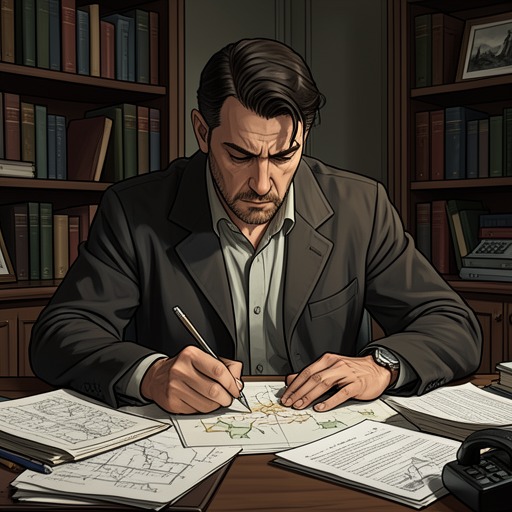
While planning an attack, Kawashima compares hotel types and considers how their entrances, staff, and surroundings might affect his ability to avoid notice. He rejects love hotels as too restrictive and too alert to possible trouble, and favors a regular hotel in West Shinjuku. He considers several hotels in the district, intending to choose one with a busy front desk and inattentive service because he expects that staff under pressure will pay less attention to guests.
The hotel’s setting seems to confirm his calculation. He arrives by hotel bus from Shinjuku Station at 2:55 on a Friday afternoon. Weddings and other events have filled the lobby, including a gathering of local accountants and a conference for computer manufacturers. The front desk is overwhelmed, and the bellboys do not approach him. He reaches a room on the twenty-ninth floor, overlooking the Municipal Government Office complex, with the equipment and change of clothes he has brought concealed in an overnight bag.
Room 2902 and the Appointment
The hotel’s room becomes the destination of an appointment arranged through Chiaki’s work. A message from her office identifies a six o’clock booking at Keio Plaza Hotel, room 2902, for a new client using the name Mr Yokoyama. Chiaki, who is in Shin-Okubo, takes a taxi and arrives five minutes early. The crowded hotel lobby is filled with guests leaving a wedding reception; she heads toward the public telephones to contact her office without making that call in front of the client.
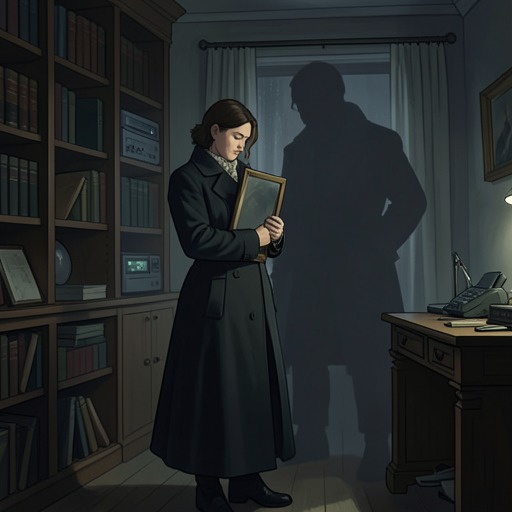
Kawashima has prepared for the meeting as part of his plan, but the encounter does not proceed as he expects. After Chiaki has been in the bathroom for an extended time without answering him, he opens the unlocked door and finds her in distress and harming herself. Her scream makes him fear that other hotel guests may investigate. The room’s separation from the lobby offers privacy, but it cannot guarantee isolation from the people elsewhere in the building.
Corridors, Witnesses, and Failed Control
The hotel’s public spaces continue to constrain Kawashima after the bathroom crisis. In the corridor, an elderly couple are walking nearby, and he is wary of drawing their attention to himself or his belongings. When Chiaki comes out of room 2902, visibly injured and disoriented, he waits until the couple has turned the corner before moving toward her. The scene makes the hotel’s crowdedness, initially useful to his plan, a source of risk: other guests may witness what happens, even when they have not yet understood it.
Narrative Significance
Keio Plaza Hotel is defined by the contrast between its ordinary public activity and the private emergency unfolding in one of its rooms. Weddings, business gatherings, tourists, hotel staff, and guests share the building with an encounter Kawashima has tried to arrange and control. His choice of venue rests on reading crowds and service as opportunities for anonymity; Chiaki’s crisis and the presence of other guests expose the limits of that reading. The hotel thus links his calculated preparations to an unpredictable encounter, while its rooms and corridors repeatedly shift the balance between concealment and exposure.