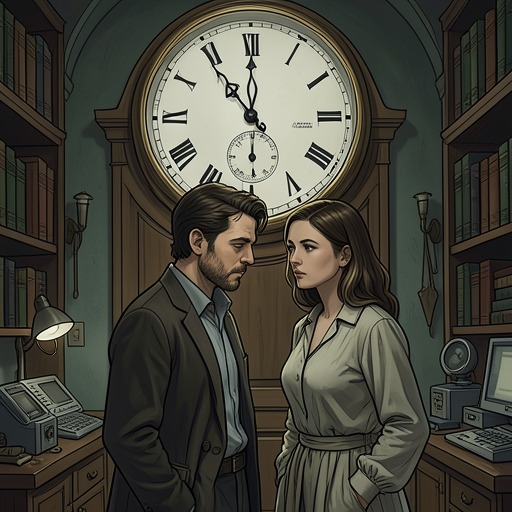
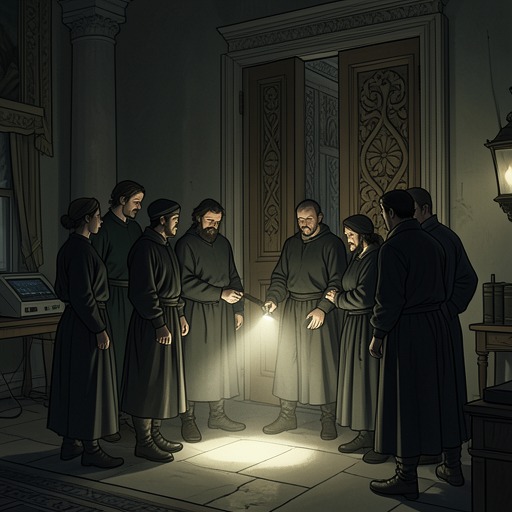
Shadowdweller–human hybrids
PleasureShadowdweller–human hybrids embody a conflict between kinship and the conditions required to survive: the human world’s light and technology can make it lethal to them, while safety depends on life in Shadowdweller darkness. The only surviving hybrid known to Sagan is described as fragile after a childhood of abuse in human society. The possibility of future hybrid children therefore shapes both intimate decisions and wider questions of family and succession.
Identity and Survival Conditions
A hybrid child is described as half Shadowdweller and unable to survive in human culture, where pervasive light and light-producing technology threaten the darkness needed for safety. Sagan imagines the danger beginning at birth: even a human hospital could expose a newborn to conditions it could not withstand once outside the dark protection of its mother’s womb. The issue is not simply a difference between two cultures; it is a physical limit on where a child can safely live.
The Known Survivor
Sagan knows of only one surviving human–Shadowdweller hybrid. Raised in the human world, she was treated as the child of a devil and became delicate and brittle in an abusive environment of light. She now lives in the underground city, among a second culture that may help strengthen her. Her circumstances make the prospect of hybrid children concrete: survival is possible, but the account links it to escape from the environment and mistreatment that marked her upbringing. The narrative’s repeated emphasis that she is the sole survivor known to Sagan underscores how exceptional and precarious that possibility remains.
Family Choices and a Safe Home
When Magnus reminds Sagan to consider children, he presents two alternatives. Sagan could continue drinking the tea that keeps Shadowdweller men infertile throughout a partner’s childbearing years; or he could choose a wholly Shadowdweller life, with the human world excluded. In that setting, a hybrid child could be safe and healthy in the darkness and raised as Shadowdwellers raise their children. The choice thus joins reproductive decisions to a practical question of where a family can live.
Magnus also argues that the community would have to accept a human woman and her hybrid children, especially if Sagan served the Chancellors as a trusted guard. His counsel connects private family life with public belonging: the proposed solution requires not only relocation but the willingness of Shadowdweller society to make room for a human mother and her children. He reminds Sagan that service to his gods need not depend on remaining a priest, leaving him a path that could accommodate both family and faith.
Succession and Political Stakes
The question of children also appears in the political debate over the royal marriage law. Its stated rationale is that a female ruler must take a mate to secure succession and strengthen her position against those who might consider her vulnerable to overthrow. During later Senate discussions, Senator Helene acknowledges that arranged marriages had helped preserve peace and advance Shadowdweller society. The senators press Malaya to provide an heir, while Malaya proposes changes that would make the requirement apply regardless of the monarch’s sex, delay its force until age sixty if the monarch had not chosen a partner, and leave the final decision with the royal household.
Against that institutional pressure, Malaya tells Guin that she would marry him and wants him to father children who could become her heirs. Guin’s question makes the consequences of her offer explicit: love, childbearing, and the throne are bound together in the choice she is making. The evidence does not establish that they marry or have children. It does show why hybrid survival is more than a private concern: where a child can be raised, who may choose a partner, and how an heir is secured all meet at the boundary between human and Shadowdweller life.