
The Adventures of Tom Sawyer
The Adventures of Tom Sawyer is a novel by Mark Twain, first published on June 9, 1876. It is a classic of American children's literature, blending elements of the bildungsroman, picaresque, satire, and folk tale. Set in the fictional town of St. Petersburg, Missouri—based on Twain's own childhood home of Hannibal—on the banks of the Mississippi River, the story takes place in the 1830s–1840s, before the Civil War.
The plot follows Tom Sawyer, a mischievous orphan boy living with his Aunt Polly. Tom is a clever, rebellious child who hates school and church, and seeks adventure at every turn. In one of the novel's most famous episodes, Tom is punished by whitewashing a fence, but he tricks other boys into doing the work for him by pretending it is a privilege. The main adventure begins when Tom and his friend Huckleberry Finn sneak to the graveyard at midnight to test a cure for warts, and witness the murder of Dr. Robinson by the villain Injun Joe, who then frames the drunkard Muff Potter. Terrified, Tom and Huck swear secrecy, but guilt weighs on them. They run away with another friend, Joe Harper, to Jackson Island, where they play pirates. The town believes them drowned, and their funeral is held. Tom appears at the last moment, relieving the mourners. Later, Tom testifies in court, clearing Muff Potter’s name and making a mortal enemy of Injun Joe.
During a school picnic, Tom and his sweetheart Becky Thatcher get lost in McDougal’s Cave for three days, facing starvation and terror. Tom finds an exit and also discovers Injun Joe’s hiding place. After escaping, he and Huck return to the cave and find the treasure Injun Joe had hidden—a chest of gold coins worth over $12,000. The novel ends with Tom and Huck becoming local heroes, and Huck being adopted by the Widow Douglas, though he longs for his old free life.
The core themes of the novel include the conflict between childhood freedom and adult conformity, moral growth through experience, and the hypocrisy of civilized society. Twain uses humor and satire to critique religious piety, educational rigidity, and social pretensions. The book is also a nostalgic portrait of antebellum small-town life along the Mississippi, reflecting Twain’s own memories.
Twain wrote the novel while living in Hartford, Connecticut, drawing heavily on his own boyhood in Hannibal. The manuscript was completed in 1875 and published the following year. It was one of the first American novels to present a realistic, unvarnished view of childhood, with a protagonist who is neither a saint nor a brute but a convincing, flawed boy.
The Adventures of Tom Sawyer was an immediate success and has never been out of print. It has been translated into dozens of languages and adapted into films, stage plays, and television series. Together with its sequel, Adventures of Huckleberry Finn, it transformed American literature, establishing a native voice free from European imitation. The novel is often credited with creating the archetype of the American boy—independent, resourceful, and defiant. Critics and readers alike have praised its enduring charm, vivid characters, and timeless themes, securing its place as a cornerstone of American literary heritage.
About the Author
Mark Twain was the pen name of Samuel Langhorne Clemens (November 30, 1835 – April 21, 1910), an American writer, humorist, entrepreneur, publisher, and lecturer. He is regarded as the father of American literature, known for his keen social commentary, witty satire, and masterful use of vernacular language.
Born in Florida, Missouri, Clemens moved with his family at age four to Hannibal, Missouri, a small port town on the Mississippi River. His father died when he was twelve, forcing him to leave school and become a printer’s apprentice. He worked as a typesetter in several cities, including St. Louis, New York, and Philadelphia. In 1857, he trained as a river pilot on the Mississippi, a profession he loved. The river gave him his pen name: “Mark Twain” means “two fathoms” (about 12 feet) of water, a safe depth for steamboats.
When the Civil War halted river traffic, Clemens spent a brief period as a Confederate volunteer before heading west to Nevada and California. After unsuccessful attempts at mining, he turned to journalism. In 1865, his short story “The Celebrated Jumping Frog of Calaveras County” made him a national celebrity. His first book, The Innocents Abroad (1869), a travelogue about a trip to Europe and the Holy Land, became a bestseller.
In 1870, he married Olivia Langdon, and they settled in Hartford, Connecticut. The 1870s and 1880s were his most productive years. He co-authored The Gilded Age (1873) with Charles Dudley Warner, a satire of post-Civil War corruption. The Adventures of Tom Sawyer (1876) was his first solo novel, followed by Life on the Mississippi (1880) and Adventures of Huckleberry Finn (1884), often called the “Great American Novel.” He also wrote The Prince and the Pauper (1881), A Connecticut Yankee in King Arthur’s Court (1889), and Pudd’nhead Wilson (1894), among many others.
Twain was a celebrated public speaker, known for his wit and social criticism. He was an outspoken opponent of imperialism, racism, and organized religion. He befriended notables such as William Dean Howells, Nikola Tesla, and Henry H. Rogers, and was admired by Helen Keller and many others.
His later years were marked by personal tragedy: his wife and two of his daughters died, and he suffered financial ruin due to bad investments. He embarked on a world lecture tour to pay off his debts, succeeding. He died of a heart attack on April 21, 1910, in Redding, Connecticut. His birth coincided with the appearance of Halley’s Comet, and he predicted he would depart with it—which he did.
Twain’s influence on American literature is immeasurable. Ernest Hemingway asserted that “all modern American literature comes from one book by Mark Twain called Huckleberry Finn.” William Faulkner called him “the first truly American writer.” His works continue to be widely read, adapted, and studied, and his legacy as a master of humor and truth-telling endures.
StoryFlow
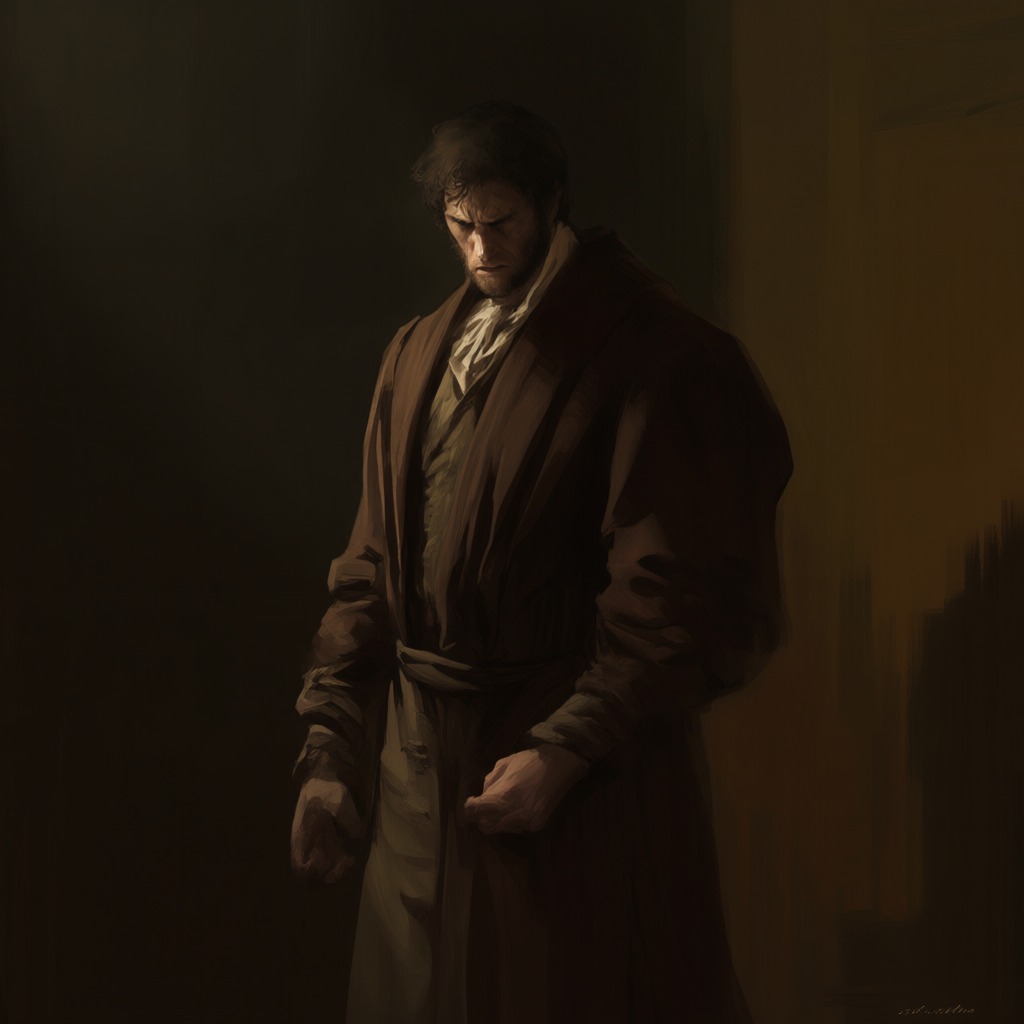
Tom Sawyer's Journey from Mischief to Heroism
Traces Tom's transformation from a mischievous boy into a celebrated hero through a series of adventures and moral choices.

The Whitewashing Scheme and Its Aftermath
Tom's clever manipulation of other boys to whitewash a fence, revealing his understanding of human psychology and setting a pattern for his future schemes.
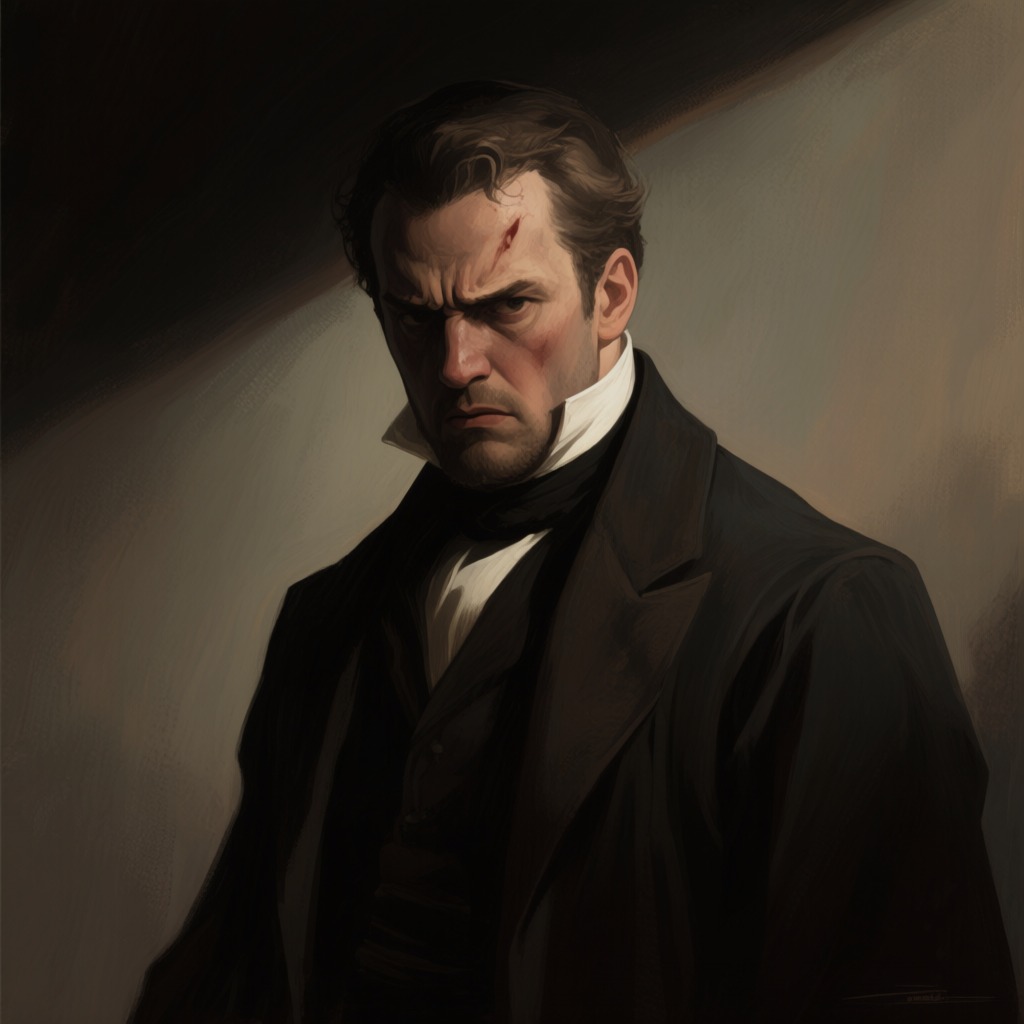
The Sunday-School Prize Scandal
Tom trades his whitewashing profits for Sunday-school tickets to win a Bible, exposing the hypocrisy of the system.
