Sycamore bark
The sycamore bark is a simple but pivotal object in Mark Twain's The Adventures of Tom Sawyer, serving as the medium through which Tom Sawyer communicates his survival to his family during his pirate adventure on Jackson's Island. Its creation, concealment, and eventual discovery form a crucial narrative arc that transforms a secret message into a symbol of guilt, love, and redemption, ultimately bridging the gap between Tom's reckless escapade and his aunt's forgiving heart.
Creation and Concealment
On the night of the pirate camp on Jackson's Island, as Joe Harper and Huckleberry Finn fell asleep, Tom lay awake, seized by a plan. He got up cautiously, searched among the grass and the flickering reflections of the campfire, and picked up several large semi-cylinders of the thin white bark of a sycamore. Choosing two that suited him, he knelt by the fire and painfully wrote something upon each with his "red keel"—a piece of red chalk. One bark he rolled up and put in his jacket pocket; the other he placed in Joe Harper's hat, along with certain schoolboy treasures of almost inestimable value: a lump of chalk, an India-rubber ball, three fishhooks, and a "sure 'nough crystal" marble. This act was the first step in a secret mission to return home and witness his own funeral.
The Secret Message and the Stolen Kiss
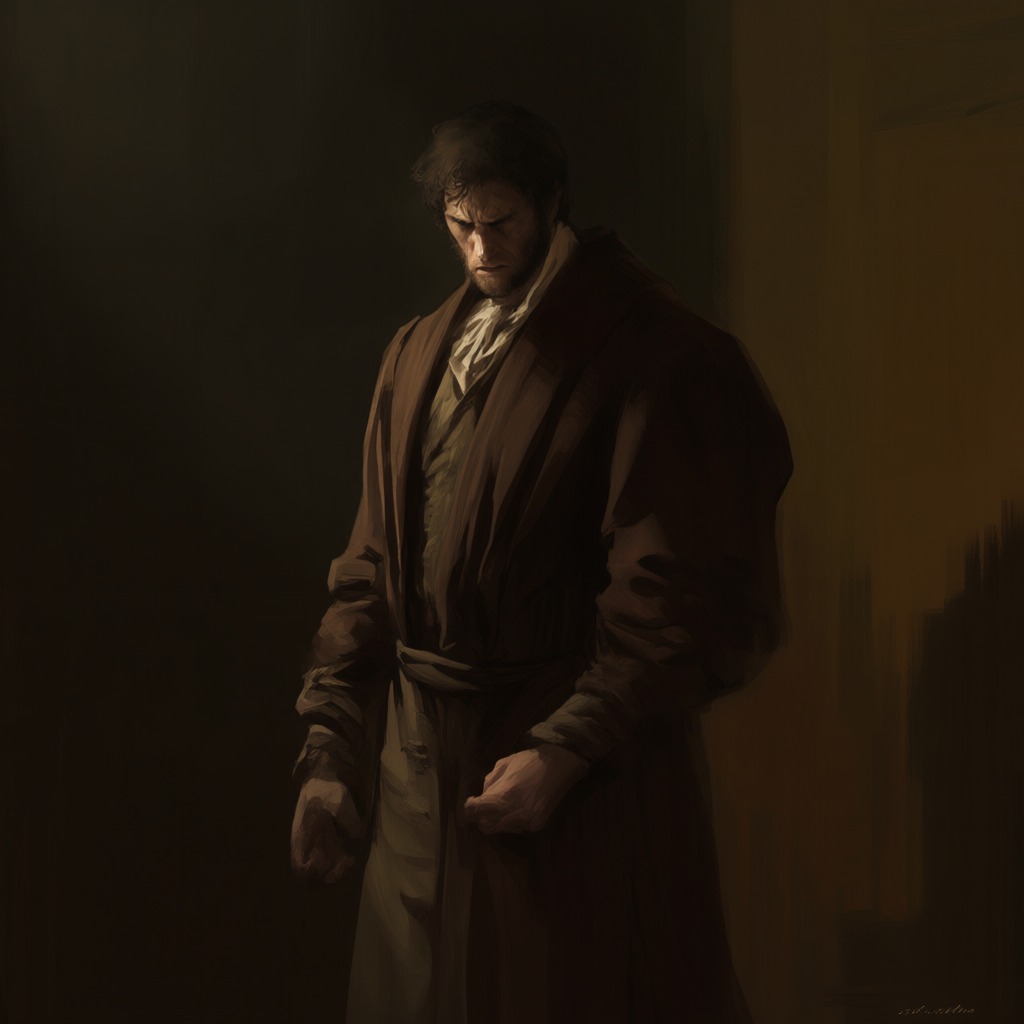
Later that same night, Tom swam to the Missouri shore, crept through back alleys, and arrived at his aunt's house. He hid under the bed as Aunt Polly, Sid, Mary, and Mrs. Harper mourned the lost boys. Overcome by his aunt's grief and her prayer for him, Tom resolved to leave the sycamore bark as a message. He took out the scroll and placed it by the candle on the table. But then a thought struck him, and he hesitated. His face lit with a happy solution; he put the bark hastily back in his pocket. Instead of leaving the note, he bent over and kissed his aunt's faded lips, then made his stealthy exit. The bark remained hidden, its message undelivered, because Tom could not bear to spoil the dramatic surprise of the funeral.
Discovery and Redemption
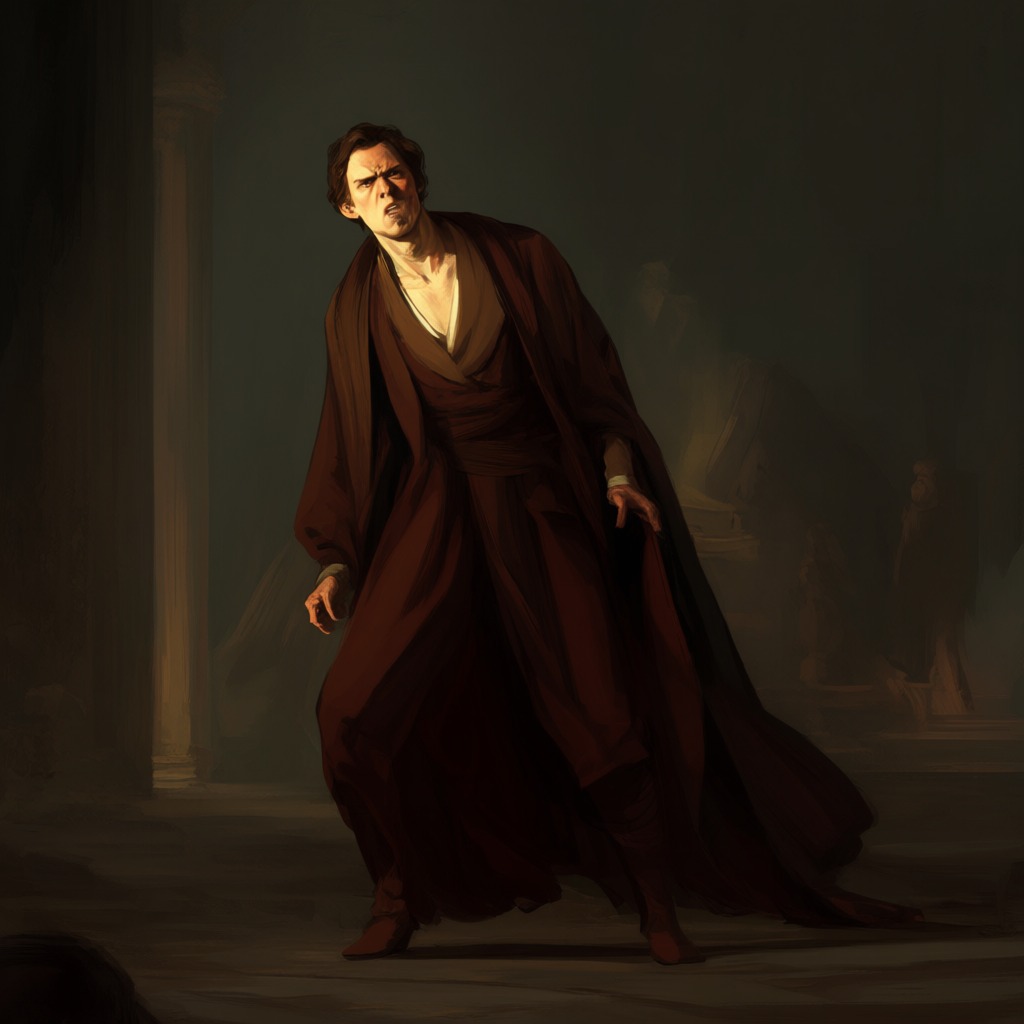
The next morning, after the funeral surprise, Aunt Polly confronted Tom about his deception. He confessed that he had come not to laugh but to tell her they were not drowned, and that he had written on a piece of sycamore bark to explain they had gone pirating. He admitted he had put the bark back in his pocket because he was full of the idea of hiding in the church. Aunt Polly, moved by his words, later retrieved the ruined jacket Tom had worn pirating. She hesitated, fearing the truth, but finally searched the pocket. There she found Tom's piece of bark, and through flowing tears she read his message. She declared, "I could forgive the boy, now, if he'd committed a million sins!" The sycamore bark, once a secret plan, became the tangible proof of Tom's good intentions and the key to his aunt's complete forgiveness.
Narrative and Thematic Significance
The sycamore bark functions as a powerful narrative device, embodying the tension between Tom's desire for adventure and his underlying love for his family. It is a material object that carries immense emotional weight, shifting from a tool of deception to a token of genuine affection. Its journey—from the island campfire, to Tom's pocket, to the bedside table, and finally back to the jacket—mirrors Tom's own moral trajectory. The bark's eventual discovery by Aunt Polly transforms a potential lie into a blessed truth, allowing her to reconcile her grief with her love. In the broader context of the novel, the sycamore bark stands as a testament to the power of a simple, handwritten message to bridge the gap between mischief and heartfelt connection.