Injun Joe
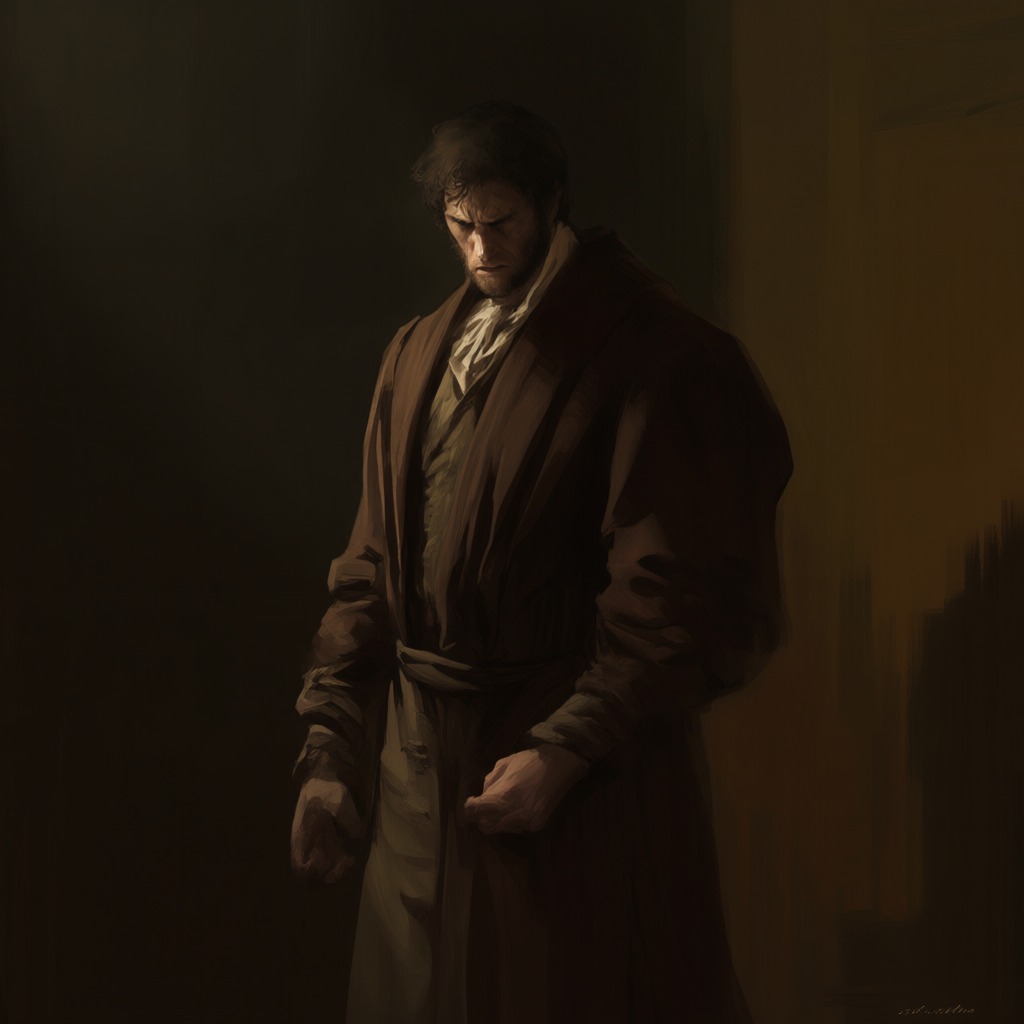
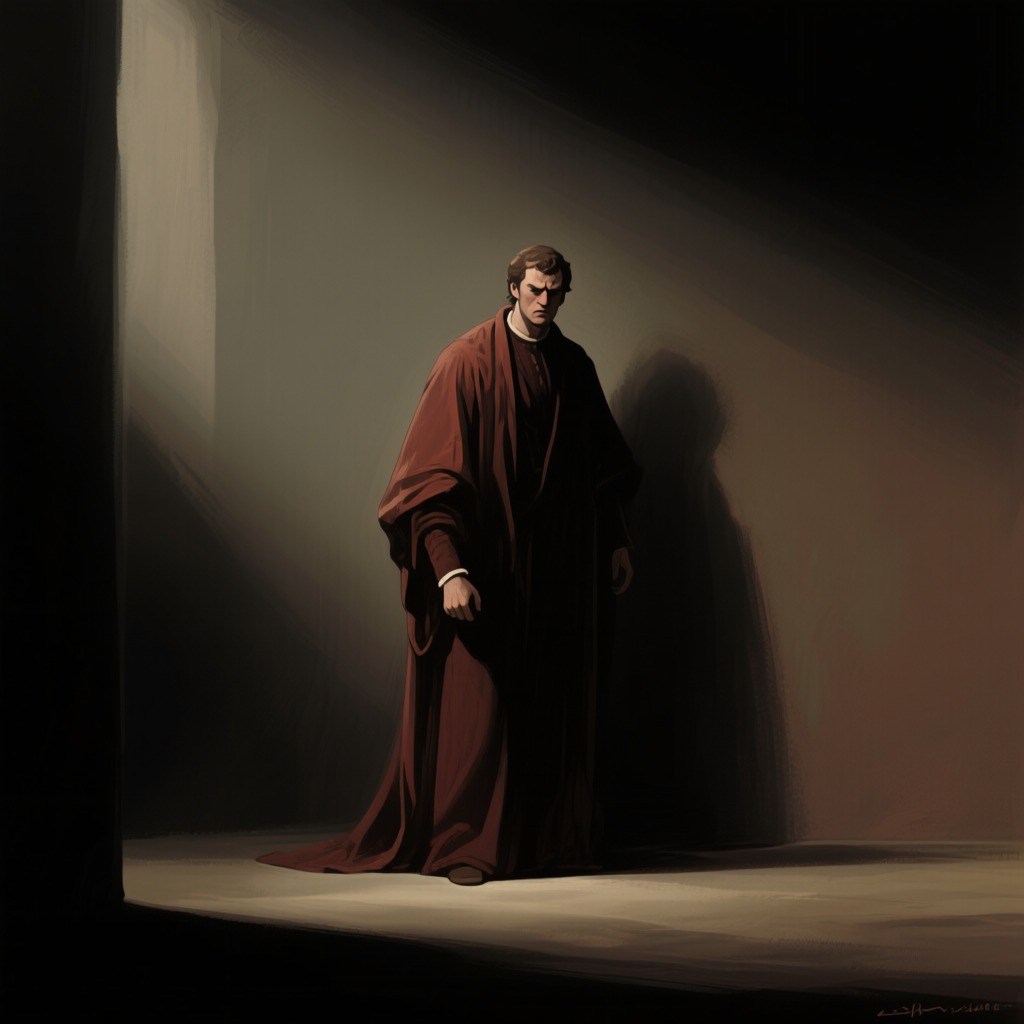
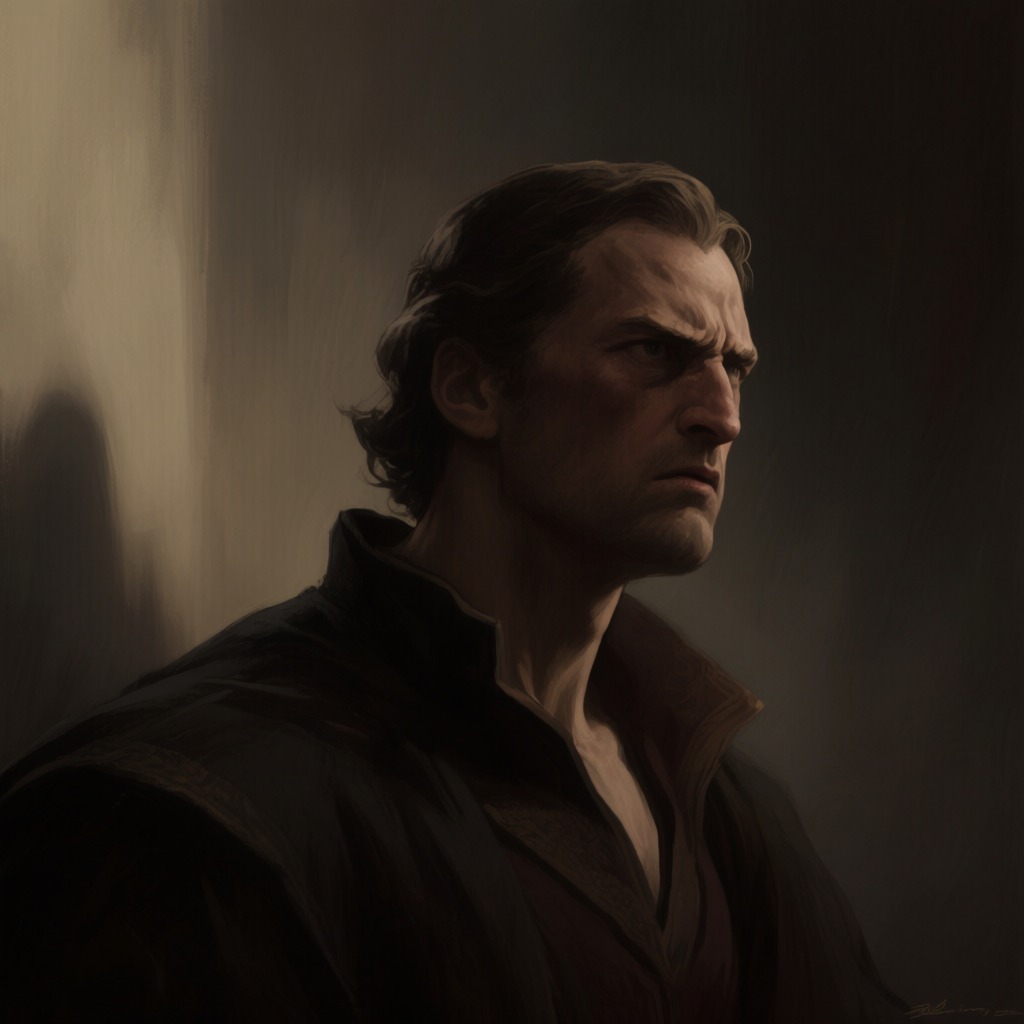
Injun Joe is the novel's most formidable antagonist, a half-breed whose capacity for cold-blooded murder, calculated revenge, and ruthless greed casts a long shadow over the otherwise idyllic world of St. Petersburg. He is the engine of the story's most harrowing episodes: the graveyard murder, the terror of the haunted house, the attempted mutilation of Widow Douglas, and the final, desperate ordeal in McDougal's Cave. More than a mere villain, he represents a force of pure, unassimilated evil that the community can neither understand nor contain, and his eventual death brings not only relief but a complex note of pity.
Identity and Background
Injun Joe is introduced as a "murderin' half-breed," a figure already marked by the town's fear and prejudice. Huckleberry Finn, who knows him by reputation, immediately wishes the boys were facing "devils a dern sight" rather than him. Joe's backstory, revealed during the graveyard scene, is one of grievance and humiliation. He reminds Doctor Robinson that five years earlier, the doctor drove him away from his father's kitchen when he came asking for food, and when Joe swore he would get even "if it took a hundred years," Robinson's father had him jailed as a vagrant. Joe declares, "The Injun blood ain't in me for nothing," framing his quest for vengeance as an inescapable part of his identity. This history of social exclusion and punishment fuels a deep, patient, and implacable hatred.
The Graveyard Murder and Its Aftermath
Injun Joe's pivotal act of violence occurs in the graveyard, where he, Muff Potter, and Doctor Robinson have come to exhume a body. When a dispute over payment erupts, Joe threatens the doctor, recalling the old insult. After Robinson knocks Potter down with a headboard, Joe seizes the moment, driving Potter's knife "to the hilt" into the young man's chest. He then coolly places the knife in the unconscious Potter's hand, ensuring his own escape from blame. At the subsequent inquest, Joe lies with "stony-hearted" serenity, repeating his false statement under oath. The boys, Tom Sawyer and Huckleberry Finn, who witnessed the murder, are so terrified by his composure that they believe he has "sold himself to Satan" and that it would be fatal to cross him. Joe's ability to manipulate the legal system and the town's perception of him establishes him as a figure of almost supernatural menace.
The Haunted House and the Treasure
Injun Joe's criminal enterprise extends beyond murder. Disguised as a "deaf and dumb Spaniard" with bushy white whiskers, a sombrero, and green goggles, he moves through the town undetected. In the haunted house, Tom and Huck, hiding in the loft, overhear him and his ragged accomplice plotting. Joe reveals a cache of six hundred and fifty dollars in silver, and when they discover a second, far larger box of gold coins, his greed is momentarily sated. Yet he refuses to abandon his plan for revenge, declaring, "'Tain't robbery altogether -- it's revenge!" His suspicion is aroused by the fresh earth on the boys' pick and shovel, forcing him to move the treasure to his den, "Number Two -- under the cross," in McDougal's Cave. This episode cements his role as a figure of both terrifying violence and cunning, strategic intelligence.
The Attempted Revenge on Widow Douglas
Injun Joe's most chilling plan is his attempt to mutilate Widow Douglas. He reveals to his accomplice that her husband, the justice of the peace, had him horsewhipped "like a nigger" in front of the whole town. Since the husband is dead, Joe intends to take his revenge on the widow, not by killing her, but by slitting her nostrils and notching her ears "like a sow." This plan, overheard by Huck, reveals a cruelty that is both personal and sadistic, rooted in a deep sense of racial and social humiliation. The intervention of the Welshman and his sons, alerted by Huck, foils the attack, but Joe escapes, leaving the town in a state of heightened fear.
Death in the Cave and Thematic Significance
Injun Joe meets his end trapped inside McDougal's Cave, which Judge Thatcher has sealed with a boiler-iron door. When the door is unlocked, Joe is found dead on the ground, his face pressed to the crack of the door, his longing eyes fixed on the light of the free world. His bowie-knife lies beside him, its blade broken from futile attempts to hack through the door's foundation beam. He has survived by eating candle stubs and bats, and has fashioned a stone cup to catch the slow drip of water. Tom Sawyer, who has lived in terror of Joe, is touched by the sight, knowing from his own experience how the wretch had suffered. Joe's death brings Tom an "abounding sense of relief and security," but the novel does not allow for simple triumph. The image of the starving half-breed, his pathetic stone cup, and the slow, eternal drip of water become the cave's most enduring marvel, outshining even "Aladdin's Palace." Injun Joe is buried near the mouth of the cave, and people flock from miles around to his funeral, confessing they had "almost as satisfactory a time at the funeral as they could have had at the hanging." His death closes the novel's central threat, but the pity it evokes complicates the moral landscape, suggesting that even the darkest villainy is not beyond a measure of human sympathy.