Death of Injun Joe
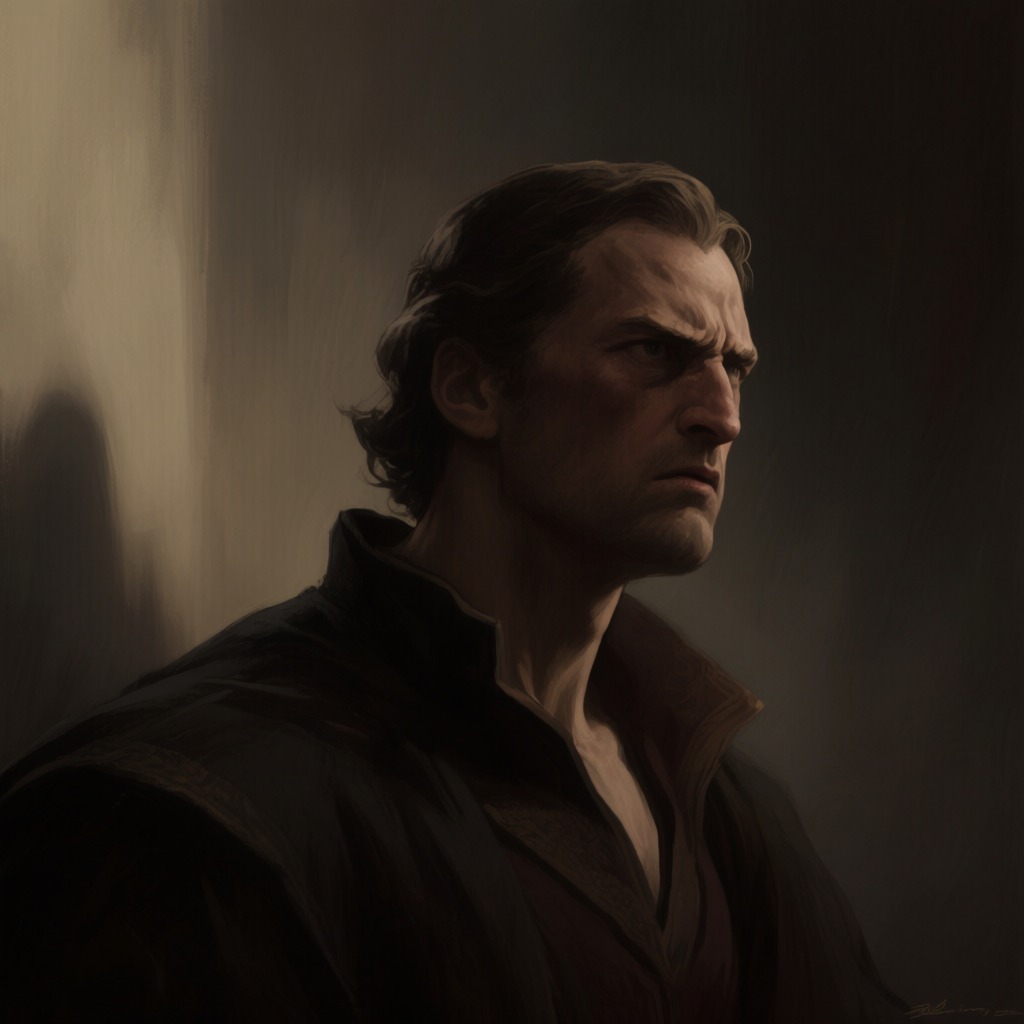
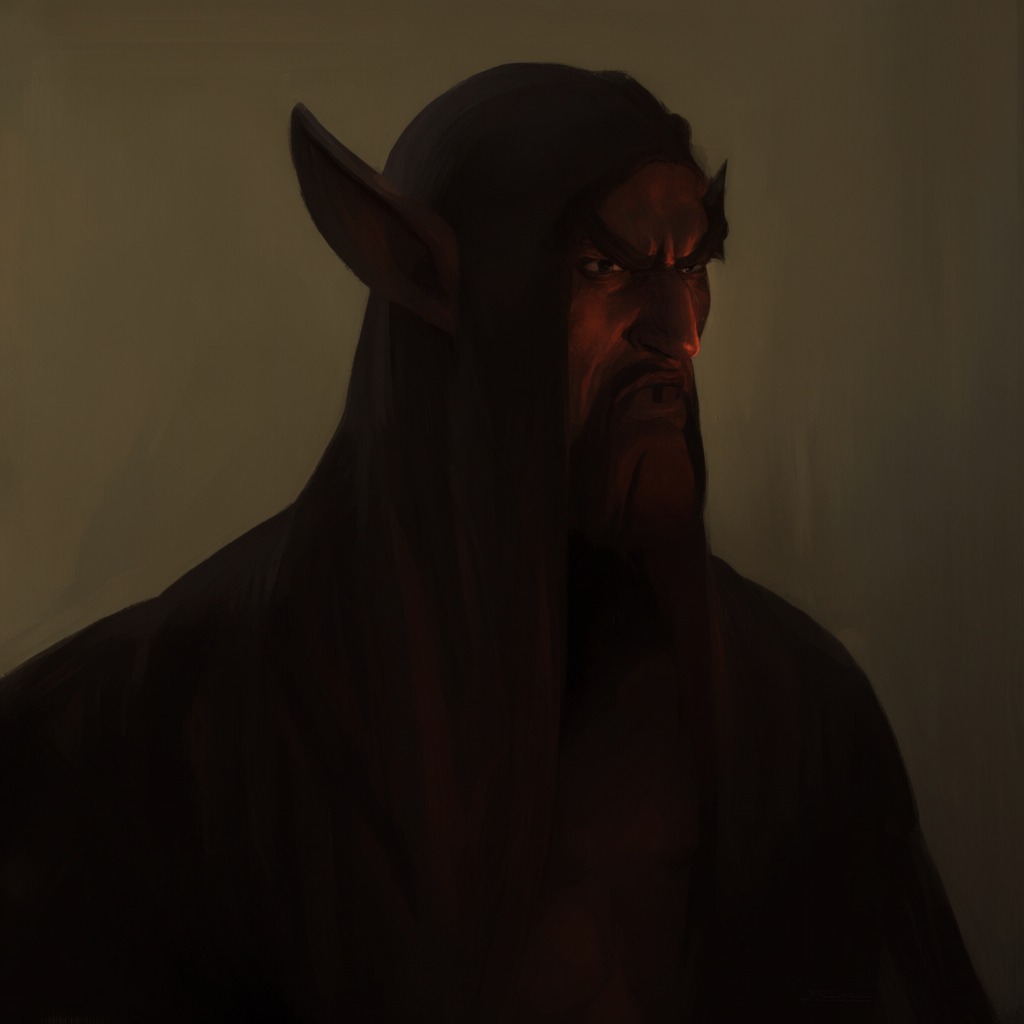
Injun Joe's death in McDougal's Cave is the grim, ironic culmination of the novel's central threat—a villain whose calculated cruelty and thirst for vengeance had haunted Tom Sawyer and Huckleberry Finn since the graveyard murder. The event resolves the long shadow of terror that Joe cast over the village, but it does so not through heroic confrontation but through the slow, indifferent mechanics of starvation and entrapment, transforming the feared outlaw into a pathetic object of pity and a cautionary monument to the cave's merciless geography.
Background and Character
Injun Joe is introduced as a "murderin' half-breed" whose very name chills the boys who witness him stab Doctor Robinson to death in the graveyard. He is a figure of pure menace: he frames Muff Potter for the murder, coolly lies under oath at the inquest, and later reveals a deep, personal code of revenge. He tells his accomplice that he has not forgotten how Doctor Robinson's father had him jailed for vagrancy, and he nurses a grudge against the late Judge Thatcher—the justice of the peace who had him horsewhipped in front of the jail "like a nigger." Joe's revenge is not merely robbery; it is a calculated, racialized fury that he intends to exact on the widow of the man who humiliated him. He plans to slit her nostrils and notch her ears "like a sow," a threat that reveals the depth of his savagery. His appearance is equally sinister: he disguises himself as a deaf-and-dumb Spaniard, wrapped in a serape with bushy white whiskers and green goggles, a costume that allows him to move through St. Petersburg undetected. He is a creature of the margins—the graveyard, the haunted house, the secret room at the Temperance Tavern—and his death in the cave is the final, fitting expulsion of that marginal menace from the community.
The Entrapment
After Tom Sawyer's courtroom testimony exposes Joe as the true murderer, Joe flees through a window and vanishes. He is hunted but not caught, and his continued freedom keeps Tom and Huck in a state of perpetual dread. The turning point comes when Judge Thatcher, determined to prevent any further tragedies in the cave, has its massive oaken door sheathed with boiler iron and triple-locked. He keeps the keys himself. Tom, visiting the Judge after his own harrowing ordeal in the cave, learns of this precaution and turns "as white as a sheet." He gasps out the truth: "Oh, Judge, Injun Joe's in the cave!" The news spreads within minutes, and a dozen skiff-loads of men, along with the ferryboat, race to McDougal's Cave. When the door is unlocked, the searchers find Joe lying dead on the ground, his face pressed close to the crack of the door, as if his longing eyes had been fixed, to the latest moment, upon the light and the cheer of the free world outside.
The Scene of Death
The interior of the cave reveals the full horror of Joe's slow demise. His bowie-knife lies nearby, its blade broken in two. He had spent his last strength hacking at the great foundation-beam of the door, but the labor was useless: a sill of native rock outside the door made it impossible to squeeze through even if the beam had been cut away. Joe knew this, but he hacked at the wood anyway—to pass the weary time, to employ his tortured faculties. The vestibule, ordinarily littered with bits of candle left by tourists, was bare; Joe had searched them out and eaten them. He had also caught and eaten a few bats, leaving only their claws. The poor unfortunate had starved to death. Near his body, a stalagmite had been broken off, and on its stump Joe had placed a stone with a shallow hollow scooped out to catch the precious drip of water that fell once every three minutes with the dreary regularity of a clock-tick—a dessertspoonful once in twenty-four hours. That drop had been falling when the Pyramids were new, when Troy fell, when the foundations of Rome were laid, when Christ was crucified; it was still falling when Joe died, and it continues to fall to this day. The narrator reflects that this drop patiently fell for five thousand years to be ready for this "flitting human insect's need."
Aftermath and Significance
Injun Joe is buried near the mouth of the cave, and people flock from towns and farms for seven miles around to attend the funeral. They bring their children and provisions, and confess that they have had almost as satisfactory a time at the funeral as they could have had at the hanging. The funeral also stops the growth of a petition to the governor for Joe's pardon—a petition that had been largely signed by tearful, sentimental women who believed he had killed five citizens but still wanted to save him. Tom Sawyer, who had been touched by the sight of Joe's dead face, feels an abounding sense of relief and security, realizing how vast a weight of dread had been lying upon him since the day he lifted his voice against the "bloody-minded outcast." The death of Injun Joe clears the way for the recovery of the treasure, the resolution of the boys' fears, and the final movement toward Huck's uneasy adoption into civilized life. Joe's cup, the pathetic stone with its slow-dropping water, becomes the first marvel of McDougal's Cave, outranking even "Aladdin's Palace" in the tourists' gaze—a permanent, dripping monument to the intersection of human cruelty, natural time, and the indifferent justice of the cave.