
The Concept of Honor and Morality
The Adventures of Tom SawyerThe novel's exploration of moral codes, from the blood oath to Tom's noble lie.
increasing Bearing strength in each event
 decreasing
Bearing strength in each eventdecreasingThe Blood Oath
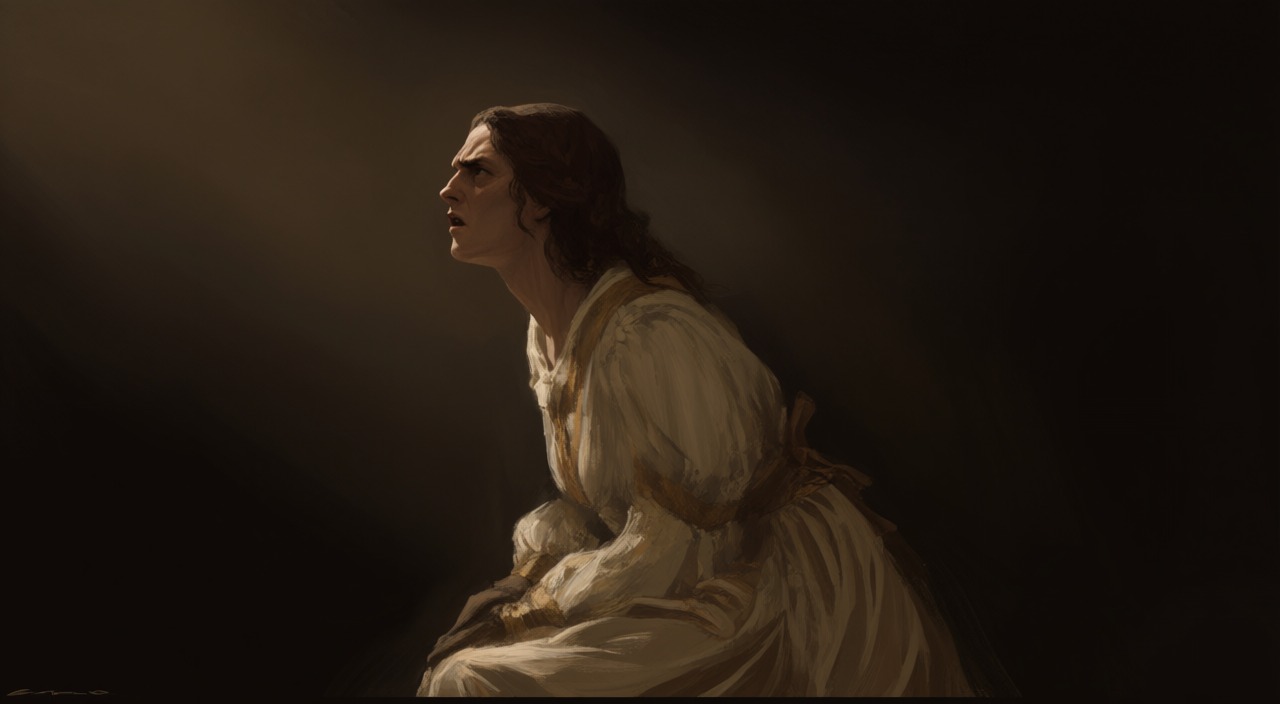
The Code of Silence
The Sworn Promise
Tom and Huck swear a blood oath never to reveal what they saw. The oath is sacred to them, even though it protects a murderer.
The Moral Dilemma
Tom's conscience torments him as Muff Potter faces execution. The oath conflicts with his sense of right and wrong.
The Breaking of the Oath
Tom eventually testifies, choosing truth over the oath. This act defines his moral growth.
Tom's Noble Lie
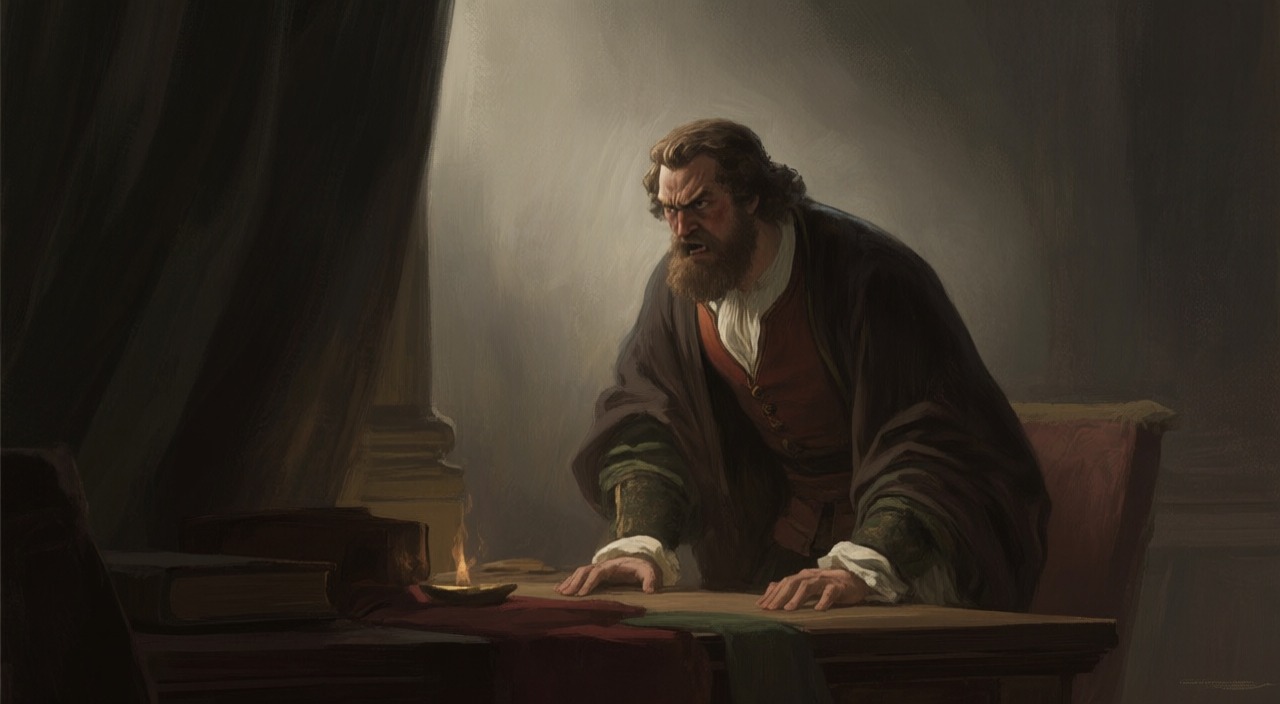
The Selfless Deception
The False Confession
Tom takes the blame for tearing Mr. Dobbins' anatomy book, even though Becky did it. He endures a whipping to protect her.
The Moral Justification
Judge Thatcher later calls it a "noble, generous, magnanimous lie." The novel suggests that some lies are morally superior to the truth.
The Complexity of Morality
Tom's actions show that morality is not absolute. Context and intention matter.
The Pirate Code
The Romantic Morality
The Rules
Tom and the boys create a pirate code that forbids stealing from the poor and requires noble behavior. They try to live by it.
The Inconsistency
They steal bacon and ham but rationalize it as different from "hooking" sweets. Their moral code is flexible.
The Growth
Tom's later actions show a more mature morality. He learns that real honor involves sacrifice and truth.
After the murder, early in the story
Mid-story
Mid-story
