Anouk
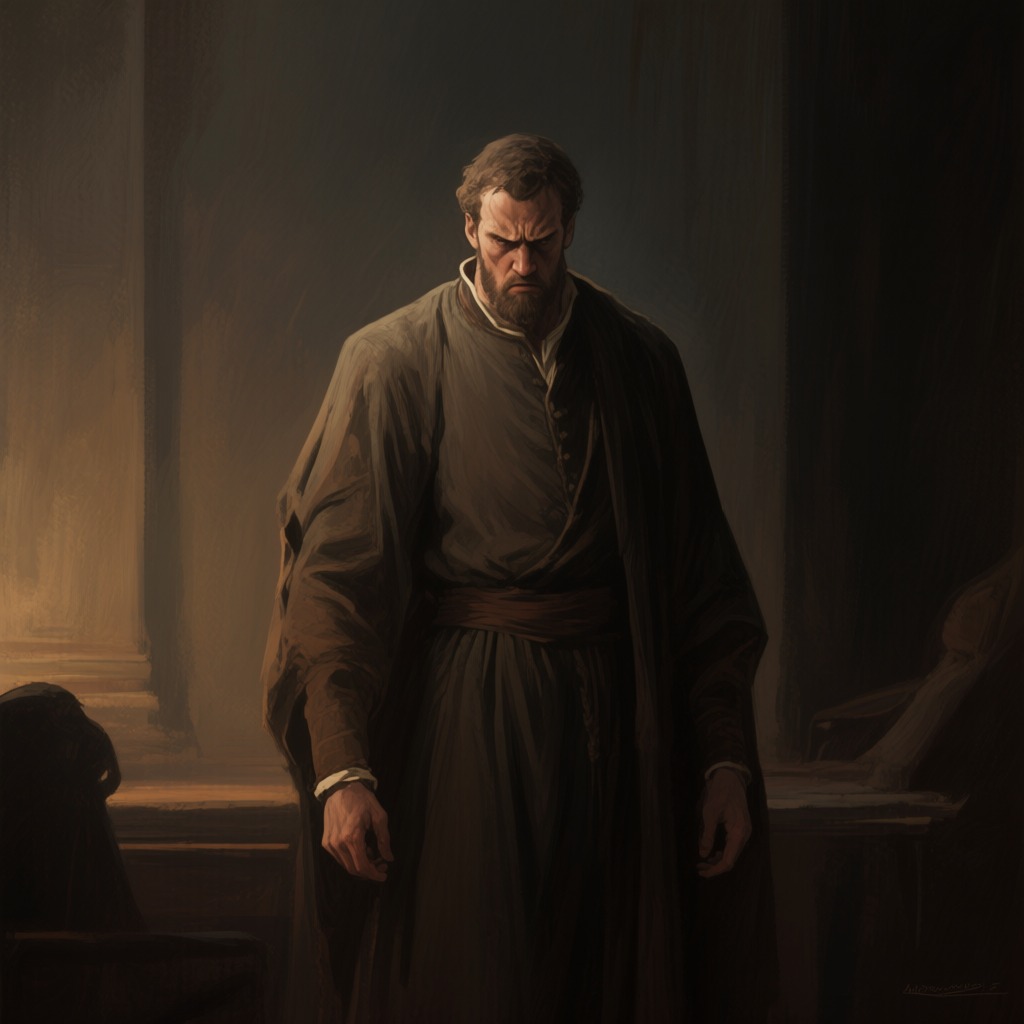
Anouk is a central operative in the Parisian Resistance network that Isabelle Rossignol joins during the German occupation of France. A woman of few words and a perpetually dour expression, she is first encountered as a contact who tests Isabelle's nerve and commitment. Her role as a courier and liaison places her at the heart of the group's dangerous activities, and she becomes one of Isabelle's most trusted, if taciturn, colleagues. Anouk embodies the grim, unsentimental reality of the underground war, where survival depends on constant vigilance and the suppression of personal feeling.
Identity and Introduction
Anouk is introduced as a woman of Eastern European features, dressed in black, with a cigarette perpetually in hand. She is older than Isabelle, perhaps by a decade, and carries herself with a regal, disdainful air that cuts men down to size before they speak. Her first interaction with Isabelle is a test of the younger woman's suitability for the Resistance. She delivers the coded phrase "Do you think I'll need an umbrella today?" and, after Isabelle's correct response, leads her through a series of covert maneuvers to a safe house. Anouk's manner is clipped and businesslike; she wastes no words and expects immediate obedience. She warns Isabelle about the dangers of collaborators, or "les collabos," and delivers the chilling instruction that, if captured, a Resistance member must try to hold out for two days to give the network time to disappear.
Role in the Resistance
Anouk serves as a primary contact for Isabelle, delivering messages and assignments. She is present at the clandestine meetings where the group plans its operations, including the initial conception of the Nightingale escape route across the Pyrenees. When Isabelle impulsively brings a downed RAF pilot to the safe house, Anouk's reaction is immediate and sharp: "No," she says, "You did not." This rebuke highlights the strict discipline required for survival, a discipline that Anouk herself embodies. She is a pragmatist who understands that every reckless act endangers the entire network. Despite her sternness, she is a vital link in the chain, responsible for distributing funds and coordinating the movement of airmen and supplies.
Relationship with Isabelle
Over time, a friendship develops between the two women, forged in the shared danger of their work. Isabelle learns to see past Anouk's dour exterior to the sadness and anger beneath. Anouk, in turn, becomes a confidante, observing Isabelle's feelings for Gaëtan Dubois and remarking on them. She tells Isabelle, "You are the most transparent person I have ever met," and notes that Gaëtan mentions her as well. This moment of personal insight reveals a softer, more perceptive side to Anouk, one that values the simple human connections for which they are fighting. She becomes a touchstone for Isabelle, a reminder of the human cost and the personal stakes of their struggle.
Fate and Thematic Significance
Anouk's ultimate fate underscores the brutal cost of the Resistance. After Isabelle is arrested and deported to Ravensbrück, she is later transferred to another camp where she sees Anouk through a chain-link fence. Anouk is a skeletal figure, her skin gray and her eyes sunken. She tells Isabelle that the Nazis are "killing us to cover what they've done" and that Henri and Paul have been arrested, with Henri hanged. Their final exchange is a silent "Good-bye," mouthed through the wire. Anouk's death, like that of so many others, represents the systematic annihilation of those who dared to resist. She is a symbol of the unwavering, if grim, courage required to fight against overwhelming odds, and her loss is a profound blow to Isabelle, adding to the weight of grief she carries from the war.