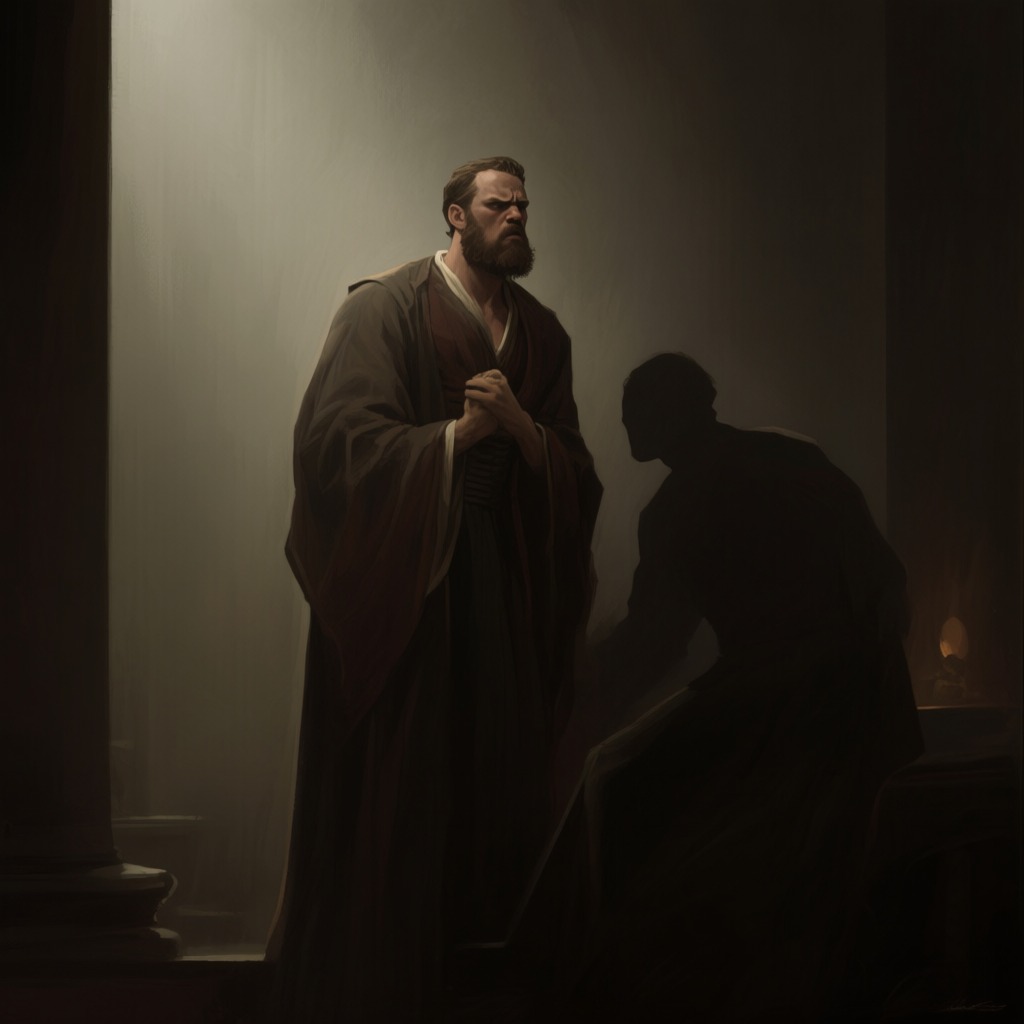
Maquis Weapons Drop
In the spring of 1944, as the tide of war shifted against Germany, the French Resistance intensified its clandestine operations. For the Maquis, the guerrilla partisans living in the woods, survival and effectiveness depended on a steady supply of arms from the Allies. The Maquis Weapons Drop was a critical operation that brought together the separate strands of Isabelle Rossignol's life as a courier and her love for Gaëtan Dubois, a Maquisard explosives expert.
The Meeting in the Forest
Isabelle, code-named the Nightingale, had not seen Gaëtan in over eight months. She found him deep in the woods, where he lived with his band of partisans. The meeting was a brief, stolen moment in a dirty tent, overshadowed by the urgency of her mission. She delivered a message from London, received by Paul Lévy's network: "Long sobs of autumn violins." These words, broadcast over the BBC, were a pre-arranged code. Gaëtan immediately recognized their significance, understanding that they signaled an Allied airdrop of weapons was imminent. The message transformed their reunion from a personal one into a tactical rendezvous.
The Airdrop and the Maquis Camp
As the coded message was spoken, the sound of an aeroplane engine filled the night sky. A plane swooped low, making the trees shudder, and a large box swung beneath a parachute, descending into the field. This was the weapons drop. Gaëtan led Isabelle to the Maquis encampment, a hidden clearing deep in the forest where a bonfire glowed, its light concealed by the thick trees. The men gathered there were a ragged, starving, and haggard group, many of whom had joined the Maquis to avoid the STO—the compulsory deportation to forced-labor camps in Germany. They lived a guerrilla war, bombing trains, blowing up munitions dumps, and flooding canals to disrupt the German war machine. Each man carried a cyanide pill, a stark reminder of the brutal reprisals that awaited them if captured.
The Significance of the Code
The code "Long sobs of autumn violins" was more than a signal; it was a lifeline. It connected the isolated Maquisards to the broader Allied strategy, providing them with the material means to escalate their attacks. For Isabelle, delivering this message was a culmination of her work as a courier, a role that had taken her across France and over the Pyrenees. For Gaëtan, it meant he would have to leave immediately to prepare for the operation, another good-bye in a war that allowed them no time. The weapons drop represented the tangible support of the Allies for the French Resistance, a sign that their sacrifices were recognized and that the fight was not in vain.
Consequences and Aftermath
The immediate consequence of the drop was Gaëtan's departure. He had to leave Isabelle to organize the retrieval and distribution of the weapons. The event underscored the constant danger and the fleeting nature of their relationship. Every moment they had together was stolen, and each meeting was shadowed by the possibility of it being their last. The weapons themselves would be used in the escalating guerrilla campaign that would support the Allied invasion of Normandy just weeks later. The Maquis Weapons Drop was a small but vital cog in the machinery of the Resistance, a moment where a coded phrase, a parachute, and a young woman's courage combined to fuel the fight for a free France.