Julien
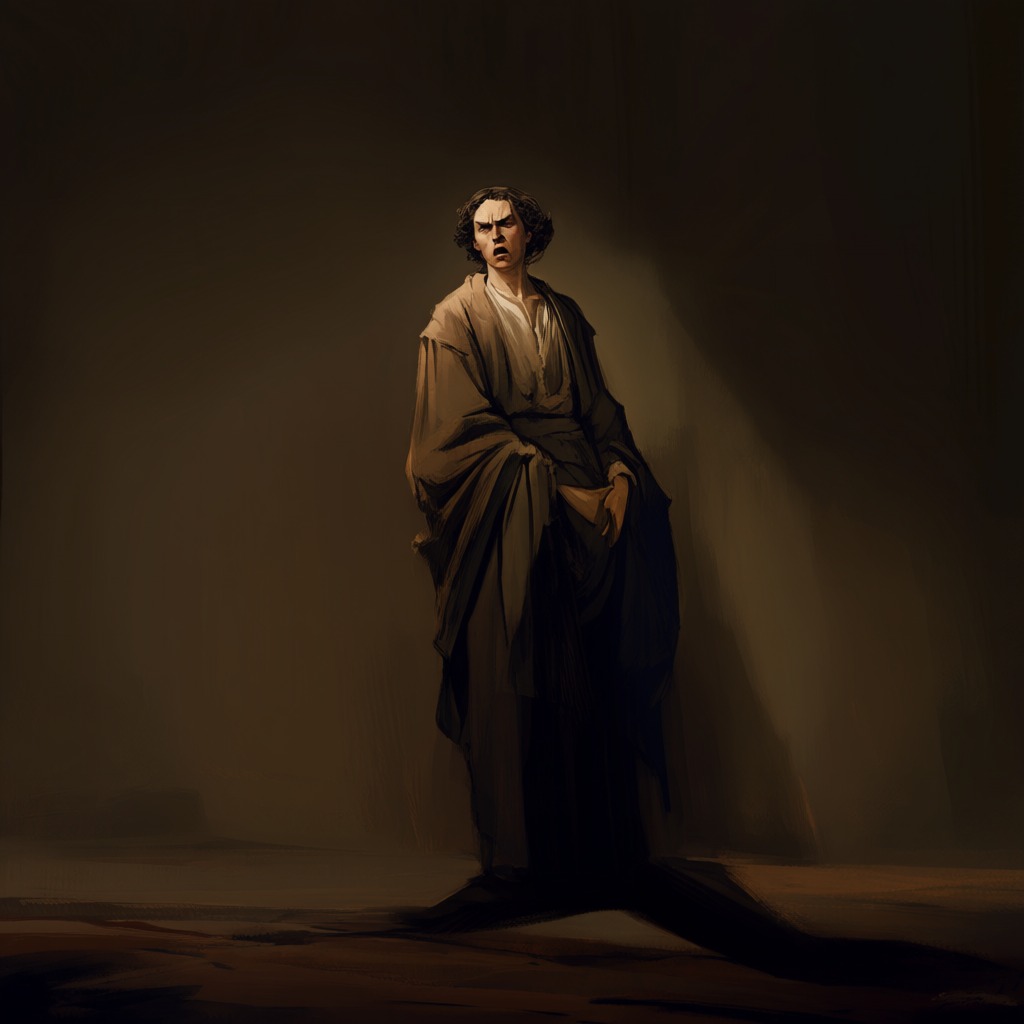
Julien is the son of Vianne Mauriac, born after the Second World War and raised in the United States. In the 1995 frame narrative, he is a successful surgeon who, after his father's death and Vianne's cancer diagnosis, takes charge of her care, selling her Oregon beach house and moving her to the Ocean Crest Retirement Community. His controlling, well-meaning love is built on an incomplete version of his mother, and his discovery of her wartime past—including her role as a passeur and the existence of her sister Isabelle's heroism—forces a fundamental re-evaluation of the woman he thought he knew.
Identity and Relationship with Vianne
Julien is introduced as a doctor who has taken up smoking again after decades, a habit he abandoned and resumed at his mother's recent diagnosis. He is described as a man who "loves a version of me that is incomplete," as Vianne reflects, and she notes that if she had told him the truth long ago, "maybe he would have seen me instead of a dependable, ordinary mother." His attempts to control her life are framed as love: he sells her house, The Peaks, and moves her to the Ocean Crest Retirement Community, a decision she accepts because she is "sick again" and he is "trying to take care of me, to show how much he loves me in this most difficult of times." When she insists on keeping the steamer trunk from the attic, he initially tries to repack its contents into a smaller box, but she asserts herself: "I love you and I am sick again. For these reasons, I have let you push me around, but I am not dead yet. I want this trunk with me."
Discovery of the Past
Julien's discovery of his mother's past begins when he reads the name "Juliette Gervaise" on a wartime identity card from the trunk. He asks, "Who is Juliette Gervaise?" and Vianne closes her eyes, remembering. Later, when a letter from Paris arrives at the retirement community, he opens it and finds an invitation to a passeurs' reunion. He asks, "What's a passeur?" and Vianne replies, "It's someone who helped people in the war." He assumes the invitation is for his father, saying, "So it's about World War Two? Is this for Dad?" Vianne reflects, "Of course. Men always think war is about them." When she decides to fly to Paris, she leaves a message on his answering machine, saying, "I should have told you the truth." He follows her to the airport, insisting on coming with her, and on the plane, he asks her to "start at the beginning."
Reunion and Revelation
At the reunion in Paris, Julien stands at the back of the ballroom, arms crossed, frowning, wondering why anyone would put his mother on a dais. He hears her speak publicly for the first time about Isabelle's heroism and her own wartime actions. Afterward, he becomes a "bodyguard of sorts," and when Vianne meets Gaëtan and his daughter, also named Isabelle, Julien is present. Later, on the balcony overlooking Notre Dame, he asks, "So your sister—my aunt—was in a concentration camp in Germany because she helped to create a route to save downed airmen, and this route meant that she hiked across the Pyrenees mountains?" He is incredulous that he never heard any of this before, not even from Sophie. He asks, "What did you do in the war, Mom?" and she replies, "I survived." He touches her cheek, smiling, and says, "You think the past could change how I feel about you? Really, Mom?" When Ari de Champlain appears and reveals that Vianne rescued nineteen Jewish children during the war, Julien sees the incredulity in his own eyes. He asks, "Did Dad know?" and Vianne touches his cheek, saying, "You brought me back to life, Julien. When I held you, after all that ugliness, I could breathe again. I could love your father again." She tells him she will tell him everything, adding, "Almost everything. A Frenchwoman must have her secrets."