Ignazio Busoni
Ignazio Busoni, the director of the Museo dell'Opera del Duomo, is a man of immense physical presence and deep scholarly passion, whose final actions set the entire crisis in motion. Known throughout Florence by the affectionate nickname "il Duomino"—a playful reference to both his beloved cathedral, Il Duomo, and his own four-hundred-pound frame and perpetually red face—Busoni is a Dante enthusiast and a trusted colleague of Robert Langdon. His role in the theft of Dante's death mask and his dying message transform him from a supporting character into the catalyst for the novel's central quest.
Identity and Role in Florence
Busoni is a prominent figure in the Florentine cultural world, having served for years as the director of the Museo dell'Opera del Duomo, the institution that oversees the city's most famous historical site. His passion for the landmark is legendary, and his expertise in Dante Alighieri's work makes him a logical source of information for anyone seeking to understand the poet's legacy. Langdon has consulted him on artifacts and history relating to Il Duomo for several years, and he is also a noted Dante scholar. When Langdon arrives in Florence with the modified Botticelli projector, it is Busoni he turns to for help, recognizing that the clues point toward the Palazzo Vecchio and the Vasari mural.
The Theft of the Death Mask
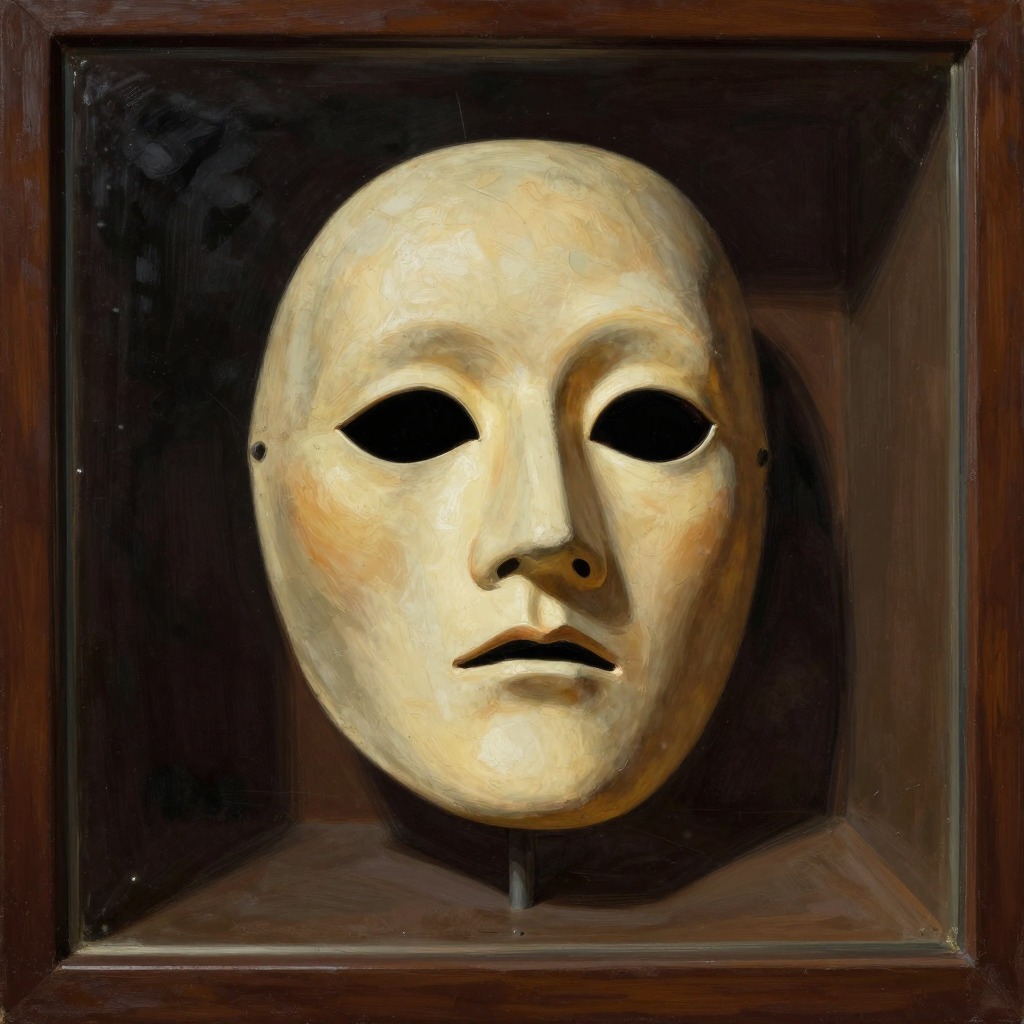
On the night of March 17, Busoni arranges a private, after-hours viewing of the Dante death mask at the Palazzo Vecchio museum. He calls Marta Alvarez, the pregnant arts administrator, and says he wants to bring a guest. When the mystery guest turns out to be the famous American symbologist Robert Langdon, Marta feels a thrill at ushering the two men into the gallery. The security footage from that night reveals the true nature of their visit. While Marta steps away to use the restroom, Busoni positions himself as a lookout, nodding to Langdon that the coast is clear. Langdon, wearing surgical gloves, then opens the antique display case and removes the death mask. The two men examine the back of the mask, and Busoni, upon seeing what Langdon has found, recoils in shock, fumbling for his spectacles and pacing the room in an agitated state. They seal the mask in a Ziploc bag and place it in Busoni's briefcase, then close the empty case and hurry to intercept Marta before she discovers the theft. Langdon later insists to Marta that they had permission from the mask's owner, Bertrand Zobrist, but this is a bluff; Zobrist had died by suicide six days earlier.
Death and Final Message
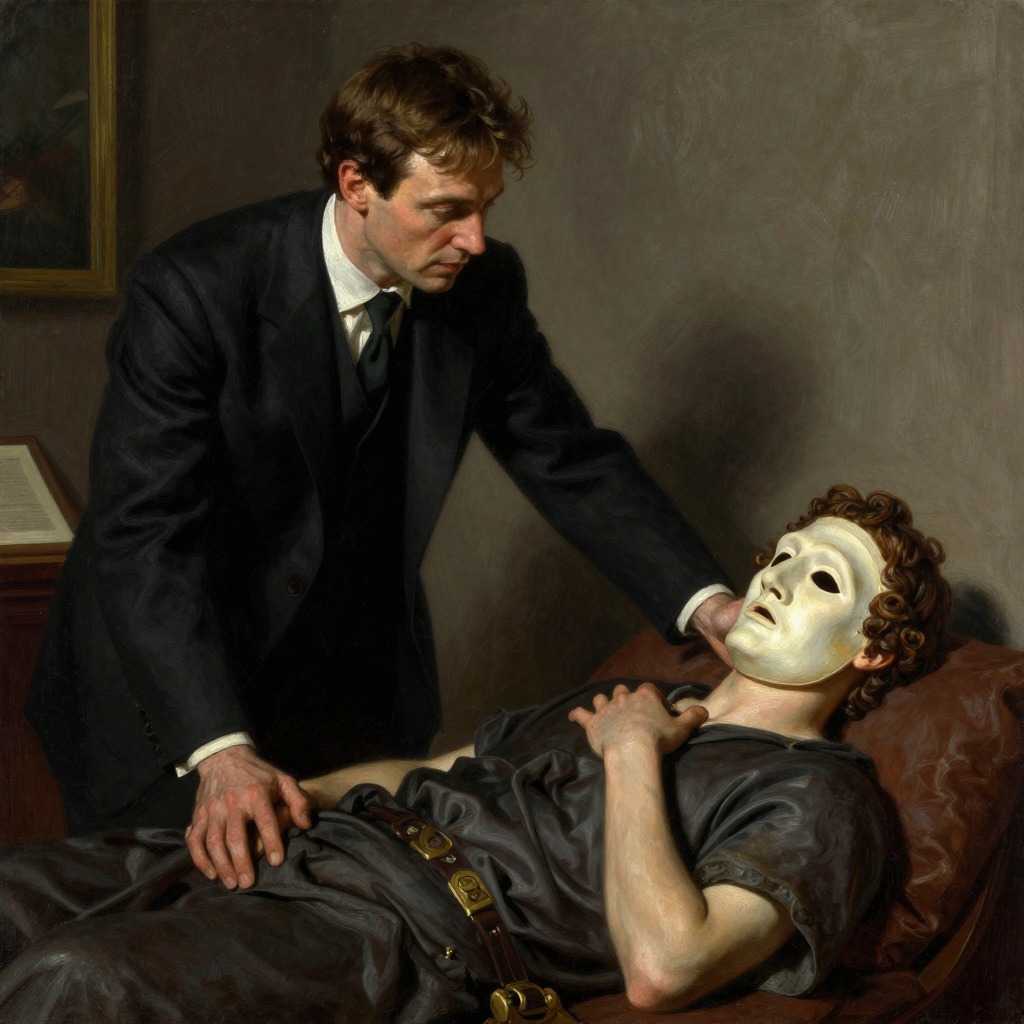
After leaving the Palazzo Vecchio, Busoni flees with the mask. He is pursued by Vayentha, the Consortium's agent, and the chase separates him from Langdon. Around midnight, he suffers a massive heart attack in an alleyway near the Duomo. He manages to call for an ambulance, but the medics do not arrive in time. Before he dies, he leaves a desperate voicemail for his secretary, Eugenia Antonucci. In the message, he is clearly in pain, gasping for breath, and tells her to be sure Robert Langdon hears it. He says, "Robert, I hope you escaped. They're still after me … and I'm … I'm not well. I'm trying to reach a doctor, but …" Then, mustering his last bit of energy, he delivers the crucial clue: "Robert, listen carefully. What you seek is safely hidden. The gates are open to you, but you must hurry. Paradise Twenty-five." He whispers "Godspeed" and the message ends. This dying message, referencing the twenty-fifth canto of Dante's Paradiso, is the key that allows Langdon to deduce that the mask is hidden in the Baptistry of San Giovanni, behind the Gates of Paradise.
Thematic Significance
Busoni's death is a direct consequence of his involvement with Langdon and the search for Zobrist's plague. He is a victim of the Consortium's pursuit, a casualty of the high-stakes game that Zobrist set in motion. His final act is one of selfless guidance, using his deep knowledge of Dante to pass on a coded message that he hopes will allow Langdon to complete their mission. He embodies the idea that even a seemingly minor character, driven by friendship and a shared intellectual pursuit, can play a decisive role in a world-altering event. His nickname, "il Duomino," ties him inextricably to the physical and spiritual heart of Florence, and his death, occurring in the shadow of the Duomo he loved, underscores the personal cost of the global crisis unfolding around him.