Vayentha
Vayentha is a powerfully built, spike-haired field agent for the Consortium, a private organization that provides covert services to wealthy clients. She is introduced as a lethal, almost predatory figure, stalking Robert Langdon from the shadows of the Via Torregalli outside his Florence hospital room. Dressed in a black leather riding suit and armed with a silenced handgun, she moves with the intensity of a panther stalking its prey. Her original mission had gone horribly awry, and she has come to make it right.
Identity and Role
Vayentha is a high-ranked field agent who has worked for the Consortium for twelve years, climbing the ranks from ground support to strategy coordination. Her career is all she has, as the life of a field agent precludes any real outside life or relationships. For twelve months, she oversaw support services for a single client: the eccentric, green-eyed genius Bertrand Zobrist. Her contract was simply to keep Zobrist hidden from the powerful people trying to find him, a service she performed with consummate professionalism. Everything went perfectly until the night before the novel's events, when a single, untimely coo of a dove caused her to lose sight of Langdon, setting off a chain of disastrous consequences.
Actions and the Failed Mission
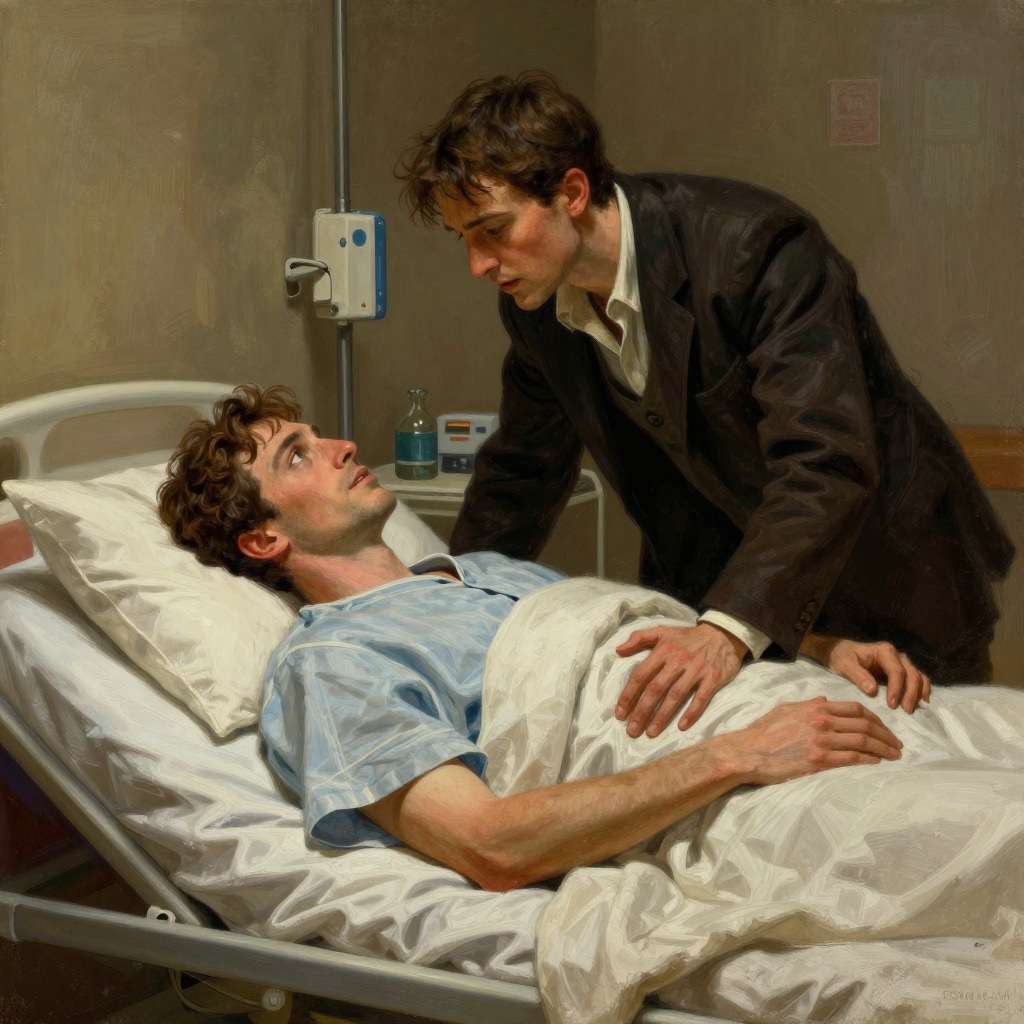
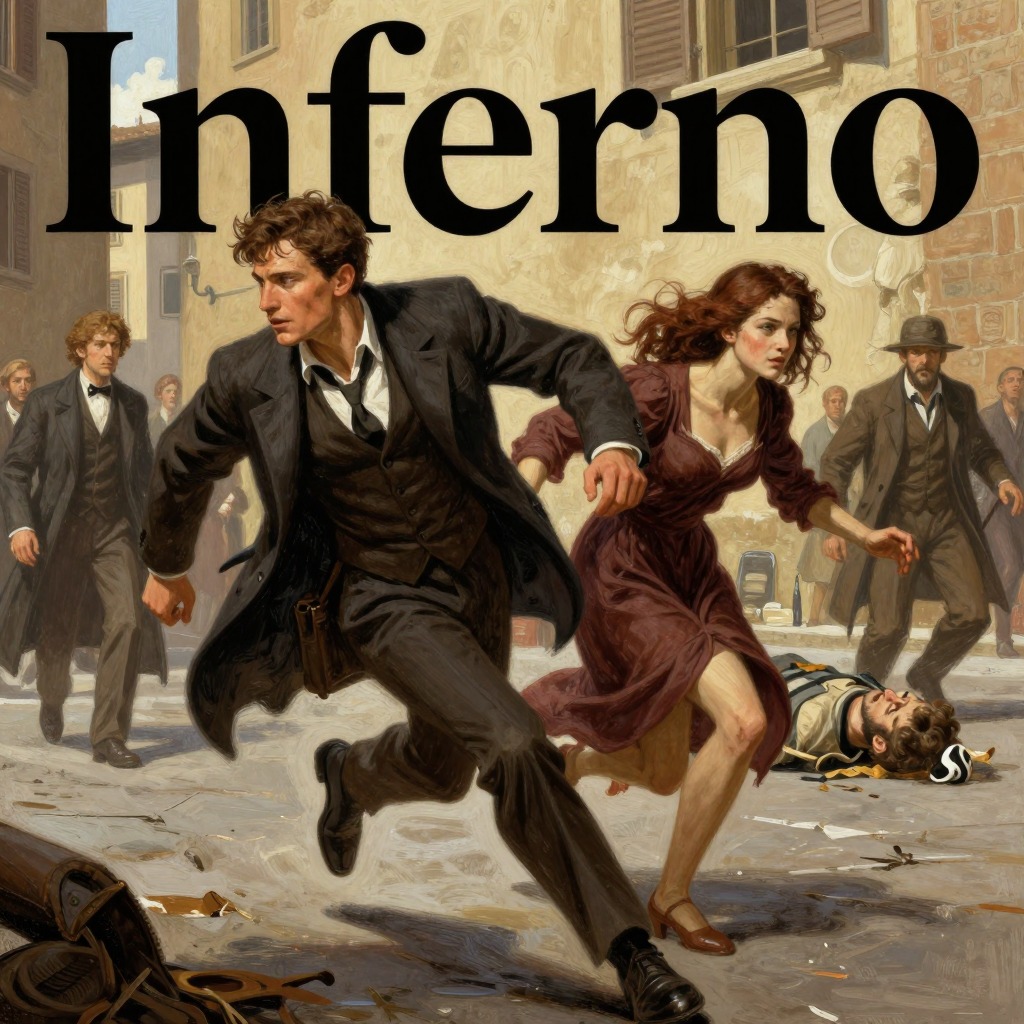
Vayentha's first on-page action is the cold-blooded murder of Dr. Marconi, the hospital physician, whom she shoots in the chest with a silenced handgun when he blocks her path to Langdon's room. She then pursues Langdon and Sienna Brooks, firing at their fleeing taxi and shattering its rear window. Later, she is seen on a BMW motorcycle, having tracked Langdon to a hotel across from Sienna's apartment, where she prepares to kill him again. Her relentless pursuit forces Langdon and Sienna into a desperate flight through the Boboli Gardens and the Palazzo Vecchio. The provost, her employer, believes her error was the result of simple bad luck, but he does not believe in luck; he orchestrates everything to eradicate randomness.
Disavowal and Desperation
When the Consortium's Surveillance and Response Support (SRS) team, led by Agent Christoph Brüder, arrives to capture Langdon, Vayentha is caught in the middle. The provost, seeing the situation spiraling out of control, initiates a disavowal protocol, severing all ties with her. Vayentha is left alone, realizing her career is over and fearing for her life. She knows of only two other agents who were disavowed, and she has never seen either of them again. Despite the protocol, she decides to continue her mission, believing that if she can succeed where Brüder fails, she might be reinstated. She deduces Langdon's likely destination—the Palazzo Vecchio—and follows him there.
Confrontation and Death
Vayentha tracks Langdon and Sienna into the attic of the Palazzo Vecchio, above the Hall of the Five Hundred. She confronts Langdon, claiming her mission has been terminated and that she wants to help him escape. Langdon, however, does not trust her, and she draws her gun, stating, "This will only hurt for an instant, but it's my only choice." As she is about to fire, Sienna Brooks attacks her from behind, causing her to fall over a railing. Vayentha crashes through a painted canvas ceiling and plummets to the stone floor of the Hall of the Five Hundred, where she lies motionless, a dark pool of blood spreading from her head. Her gun is still clutched in her hand.
Narrative Role and Significance
Vayentha serves as the primary physical antagonist in the first half of the novel, embodying the immediate, lethal threat that drives the initial chase. Her presence forces Langdon and Sienna into a state of constant flight, preventing them from seeking official help and compelling them to rely on their own wits. Her death marks a turning point, removing the direct, personal threat and allowing the larger conspiracy—involving the WHO, the Consortium, and Zobrist's plague—to come into focus. Her fate also illustrates the ruthless, self-preserving nature of the Consortium, which discards its agents without hesitation when they become liabilities.