Robert Langdon
Robert Langdon, a Harvard professor of art history and symbology, is the protagonist of Dan Brown's thriller Inferno. The novel opens with Langdon awakening in a Florence hospital with a head wound, retrograde amnesia, and no memory of the past two days. He is immediately thrust into a life-or-death chase, pursued by a spike-haired assassin and a team of black-clad soldiers, all while haunted by vivid hallucinations of a veiled woman, a bloodred river, and writhing bodies. His journey forces him to decipher a series of clues hidden in Renaissance art and architecture, all pointing toward a devastating plague created by the mad genius Bertrand Zobrist.
Identity and Background
Langdon is introduced as a distinguished academic at Harvard University, specializing in art history and symbology. He is a tall, urbane man with a preference for well-tailored clothing, notably his Harris Tweed jacket and cordovan loafers. He possesses an eidetic memory, which he relies on heavily, and has a lifelong fear of cramped spaces (claustrophobia), stemming from a childhood fall into an abandoned well. He is a bachelor who enjoys solitude and independence. A notable personal item is his antique collector's edition Mickey Mouse watch, a gift from his parents that serves as a reminder to take life less seriously. His expertise in iconography and Dante's Inferno makes him the target of recruitment by the World Health Organization to decipher Zobrist's clues.
Arc Through the Plot
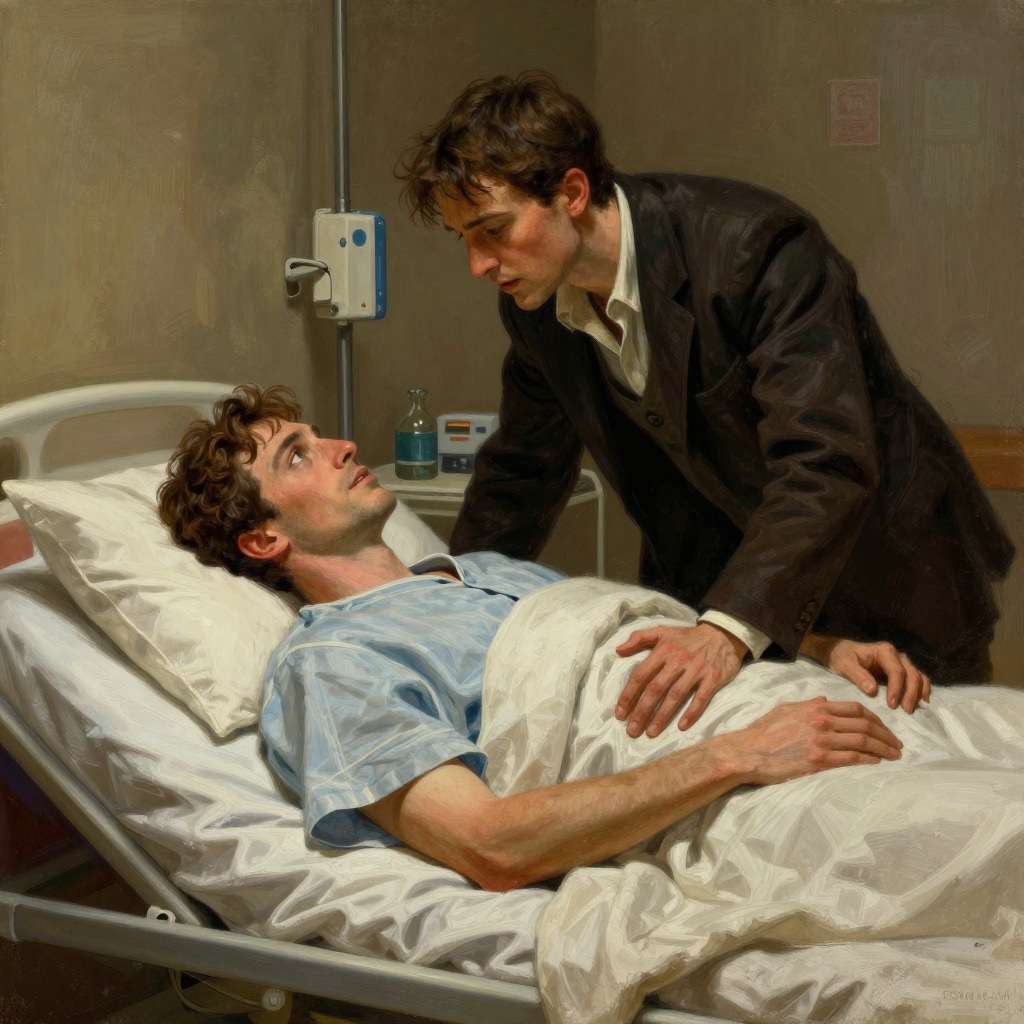
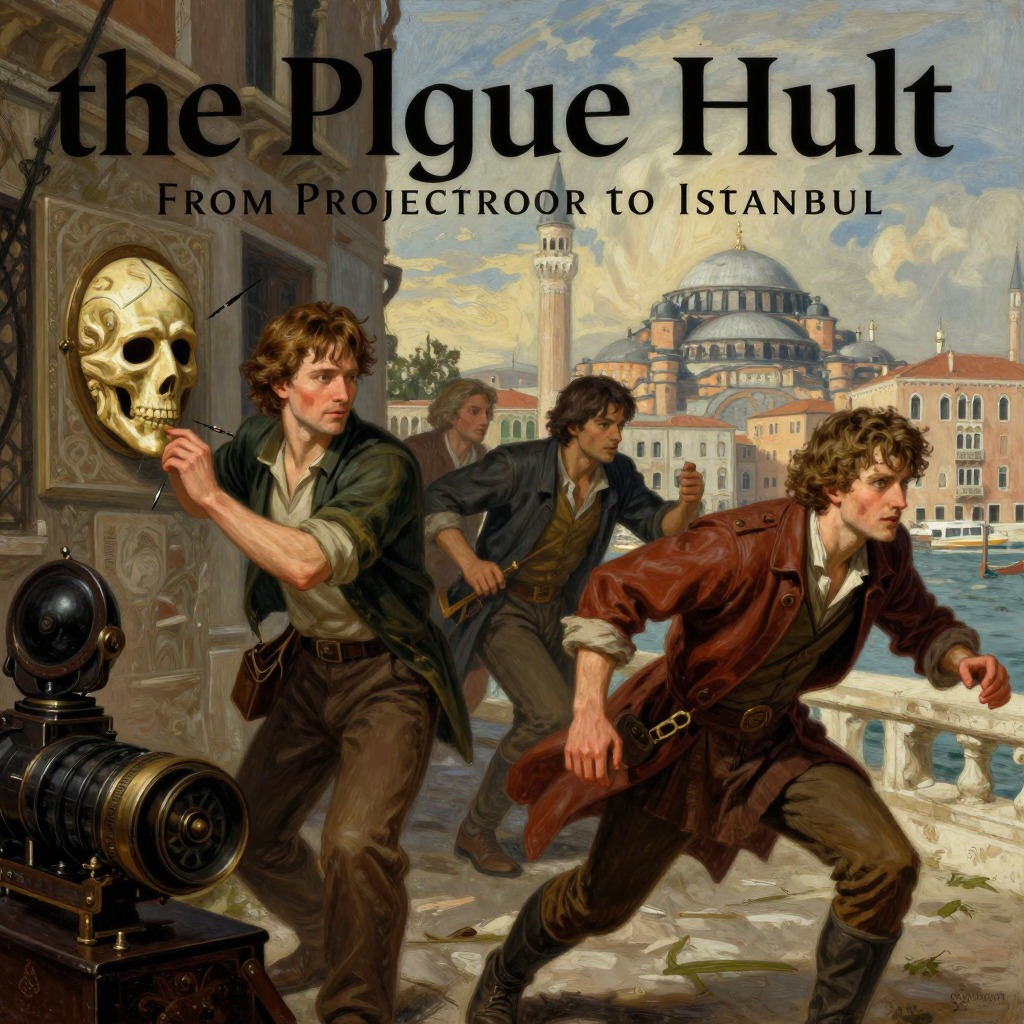
Langdon's journey is defined by his struggle to recover his lost memories and understand why he is being hunted. He awakens in a hospital bed, disoriented and in pain, with only a fragmented nightmare of a veiled woman urging him to "seek and find." He is told he was shot in the head, but this is later revealed to be a chemically induced amnesia staged by the Consortium. He escapes the hospital with Dr. Sienna Brooks, who initially appears to be a helpful doctor but is later revealed to be Zobrist's former lover and a key player in the conspiracy. Throughout the day, Langdon experiences recurring hallucinations of the silver-haired woman (Elizabeth Sinskey) and a plague doctor, which are fragments of his suppressed memories. He uses his knowledge of art and symbols to decipher a modified Botticelli Map of Hell, leading him to the phrase "cerca trova" (seek and find) and eventually to the theft of Dante's death mask. His path takes him from Florence to Venice and finally to Istanbul, where he confronts the truth about Zobrist's creation.
Key Actions and Objectives
Langdon's primary objective is to uncover the nature of the threat he is carrying and to stop it. He deciphers the code "cerca trova" from the modified Botticelli painting, which points to a Vasari mural in the Palazzo Vecchio. He retrieves Dante's death mask from the Baptistry of San Giovanni, where it was hidden by Ignazio Busoni. On the back of the mask, he discovers a hidden poem written by Zobrist, which he interprets as a map to the location of the plague. He leads the SRS team to the Yerebatan Sarayi (the Sunken Palace) in Istanbul, where Zobrist's virus was released. He also chases Sienna Brooks after she escapes the cistern, ultimately convincing her to cooperate with the WHO. His actions are driven by a combination of intellectual curiosity, a sense of moral duty, and a desperate need to understand his own situation.
Relationships and Conflict
Langdon's central relationship is with Sienna Brooks, a brilliant young doctor who initially saves his life but is later revealed to have been manipulating him. Their bond is complex, built on shared danger and intellectual respect, but ultimately fractured by her deception. He also works with Dr. Elizabeth Sinskey, the director of the WHO, who recruited him for the mission. His primary antagonist is the Consortium, a shadowy organization that created the illusion of his amnesia to use him for their own purposes. He is also in conflict with the SRS team, who he initially believes are trying to kill him. The central conflict is between Langdon's desire to stop a catastrophic plague and the forces—including Sienna and the Consortium—who have their own agendas regarding Zobrist's creation.
Change and Ending
Langdon undergoes a significant transformation from a passive victim of amnesia to an active agent in averting a global crisis. He learns that his amnesia was chemically induced by the Consortium, and that his perceived enemies were actually allies. He also comes to understand the true nature of Zobrist's plague: a sterility virus designed to cull the human population. In the end, he helps Sienna Brooks reconcile with the WHO, and he returns Dante's death mask to its display case in the Palazzo Vecchio. He returns to his normal life, but the experience has changed his perspective, leaving him with a deeper understanding of the dangers of inaction in the face of global crises. The novel ends with him on a flight home, contemplating the future and the two women who are now in Geneva working to address the crisis.
Thematic Significance
Langdon embodies the tension between intellectualism and action. As a scholar, he is a master of interpreting symbols and history, but he is initially paralyzed by his amnesia and the chaos around him. His journey forces him to move from passive observation to active participation. He also represents a humanist perspective in a story dominated by transhumanist and apocalyptic ideologies. His final act of returning the death mask is a symbolic restoration of order and a reaffirmation of the value of art and history in a world facing a radical, engineered future. His character arc underscores the novel's central theme: that in times of moral crisis, neutrality is a sin, and the power of the human spirit to endure and act is paramount.