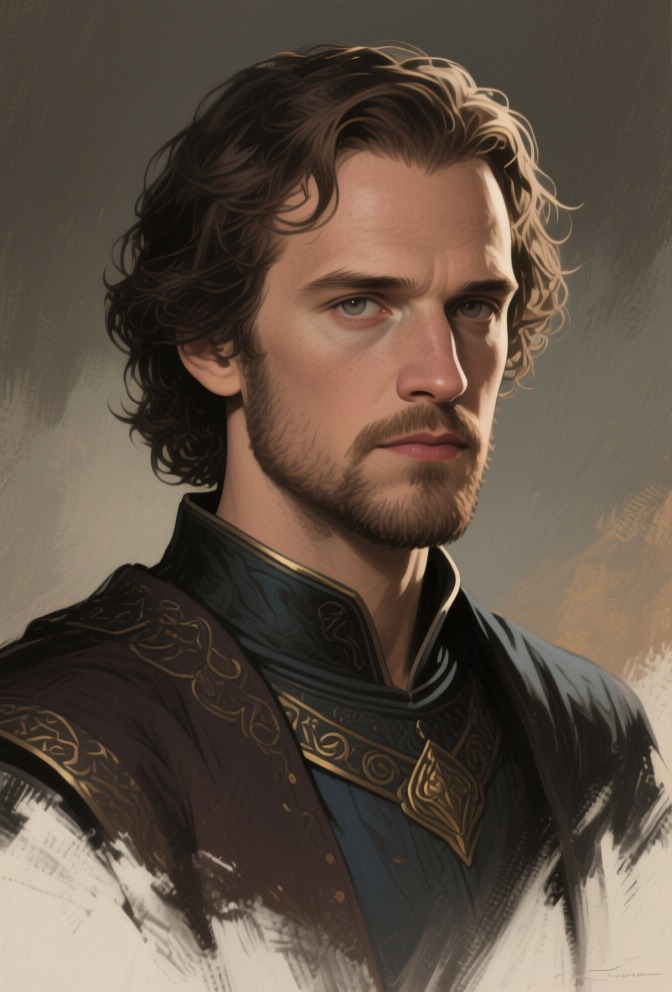
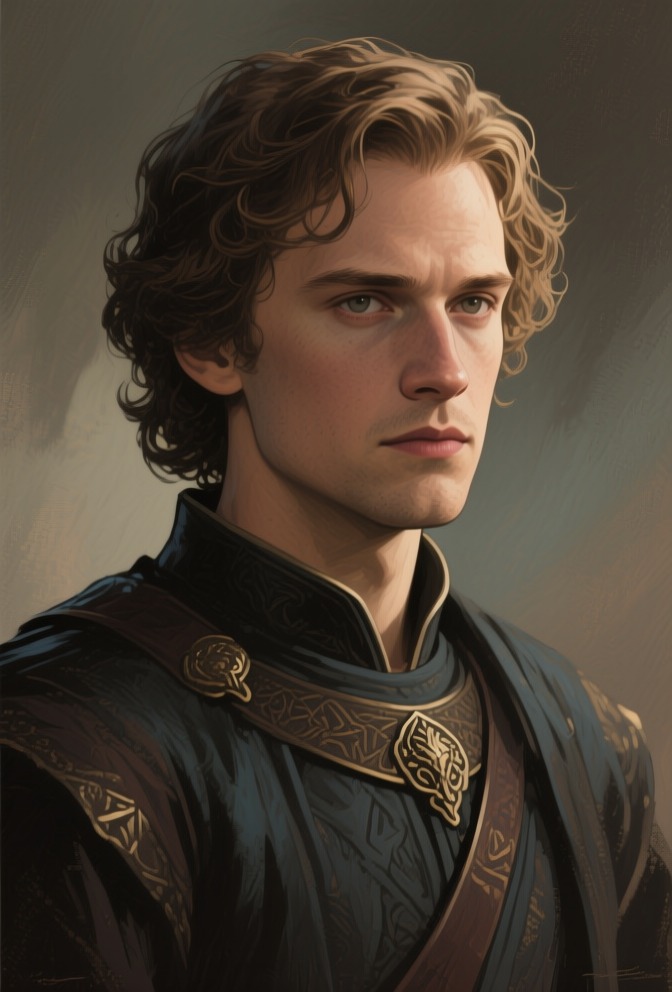
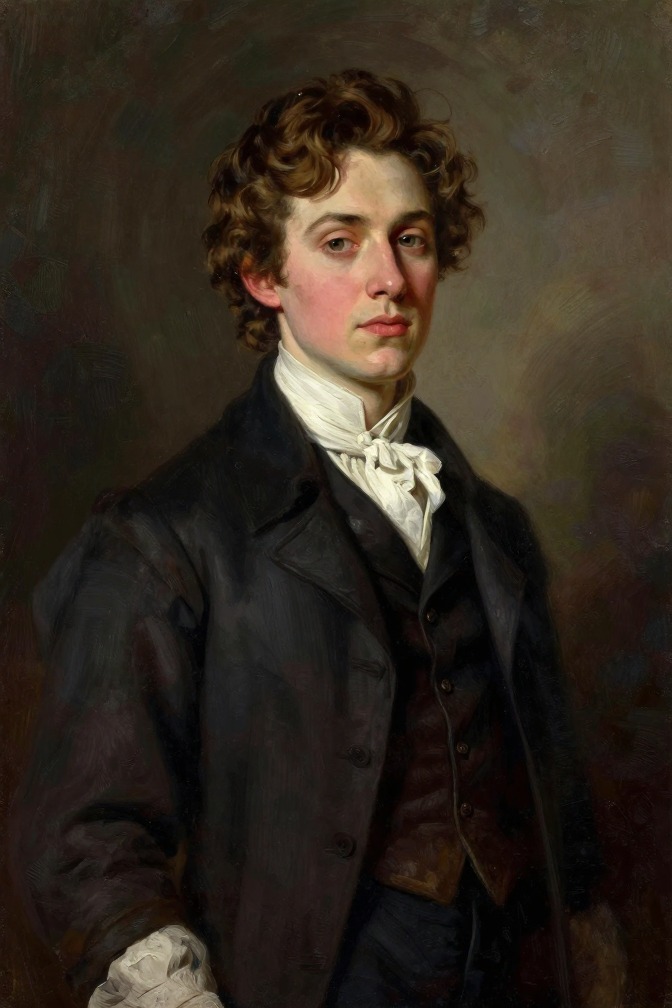
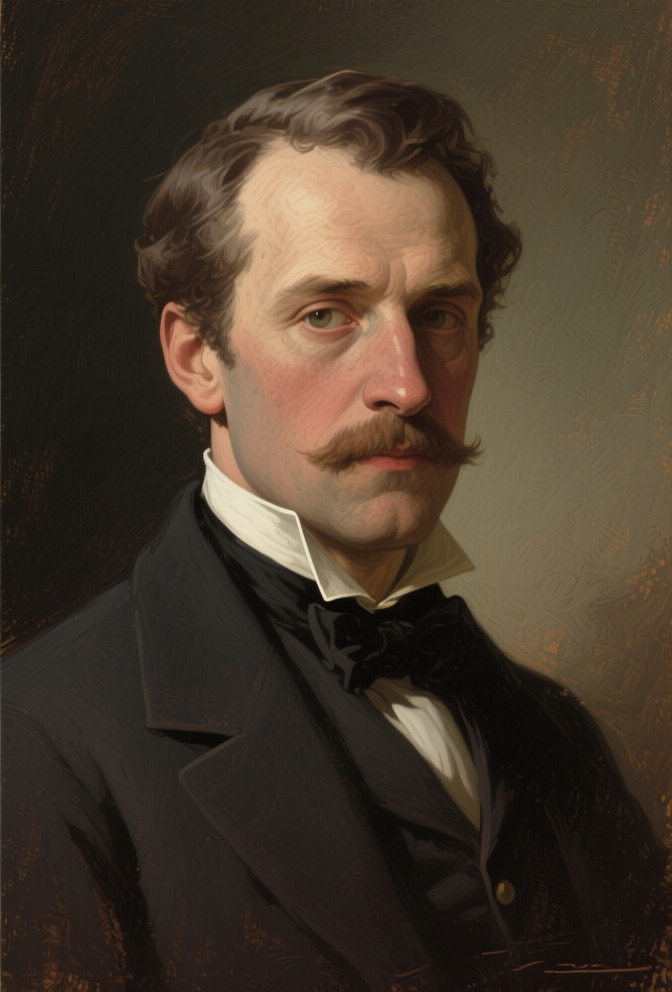
Renly Baratheon is the youngest brother of King Robert Baratheon, a charismatic and fashionably ambitious lord who serves as master of laws on the small council and later claims the Iron Throne for himself after Robert's death.
Viserys Targaryen, the exiled 'Beggar King' and elder brother of Daenerys, is a figure of dwindling power and escalating delusion whose desperate claim to the Iron Throne leads him to sell his sister to Khal Drogo, only to be destroyed by the very Dothraki he sought to command when his arrogance and weakness provoke a grotesque execution.
Dr. Grove is Becka's father and the family dentist who sexually abuses his young female patients, including Agnes Jemima and his own daughter Becka, and is ultimately executed at a Particicution after being falsely accused of raping Aunt Elizabeth.
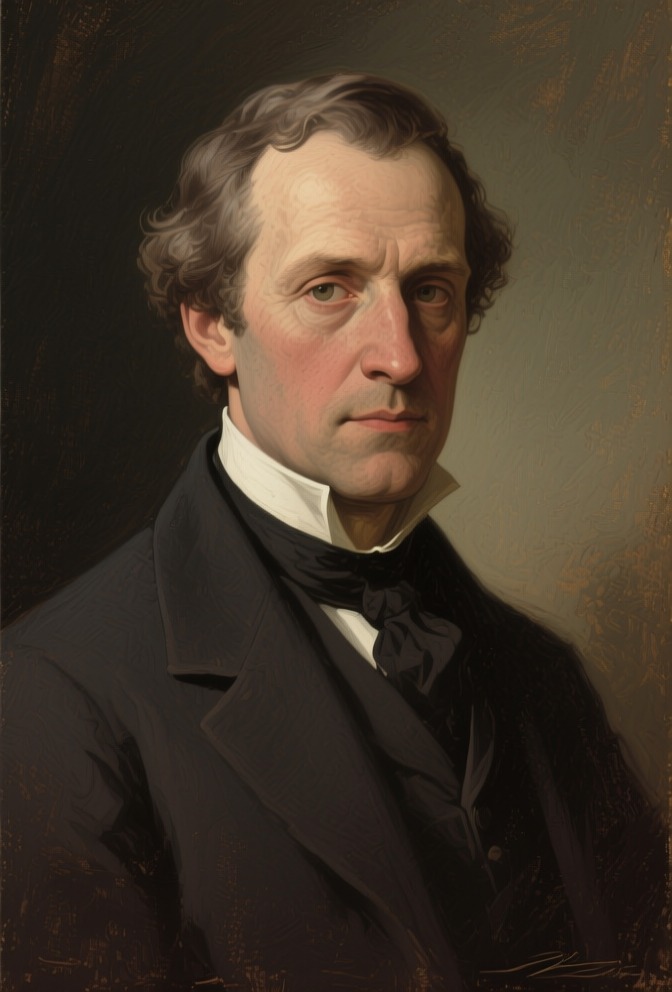
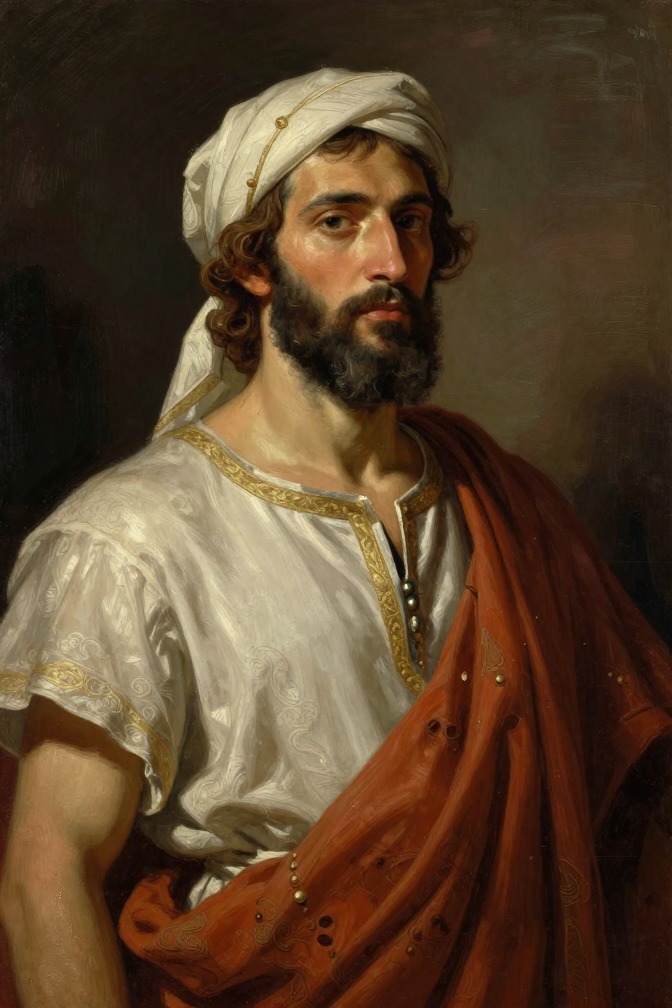
Mahomet is a schismatic punished in the Ninth Bolgia of Malebolge, his body grotesquely split from chin to groin as a contrapasso for dividing the faithful. He appears in Inferno Canto XXVIII, where he speaks to Dante, identifies himself, and describes the perpetual cycle of wounding and healing that defines his torment.
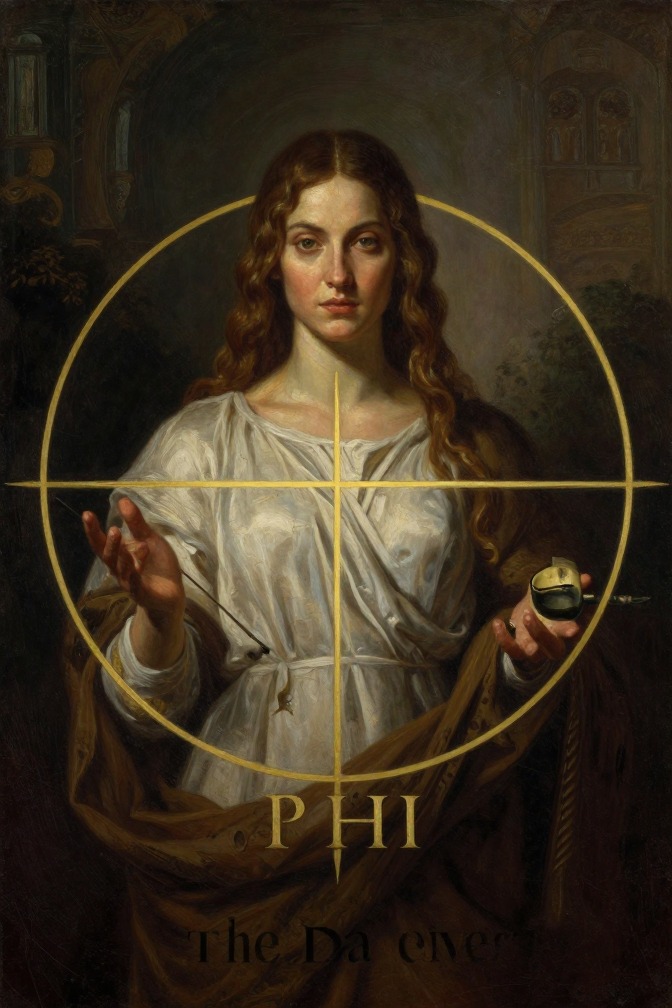
The Divine Proportion (PHI), approximately 1.618, is a mathematical constant derived from the Fibonacci sequence that appears throughout nature, art, and architecture. In *The Da Vinci Code*, it serves as a key symbolic and intellectual thread, connecting Leonardo da Vinci's *Vitruvian Man*, the pentacle, and the underlying order of the universe, and is central to Robert Langdon's academic teachings and the novel's thematic exploration of sacred geometry and the sacred feminine.
Müller, one of Paul Bäumer's classmates and closest comrades, is killed by a Verey light shot point-blank into his stomach. He dies in half an hour of terrible pain, bequeathing his pocket-book to Paul and his boots—the same boots he had inherited from Franz Kemmerich—to Paul, who later passes them on to Tjaden. His death marks the accelerating attrition of Paul's generation.
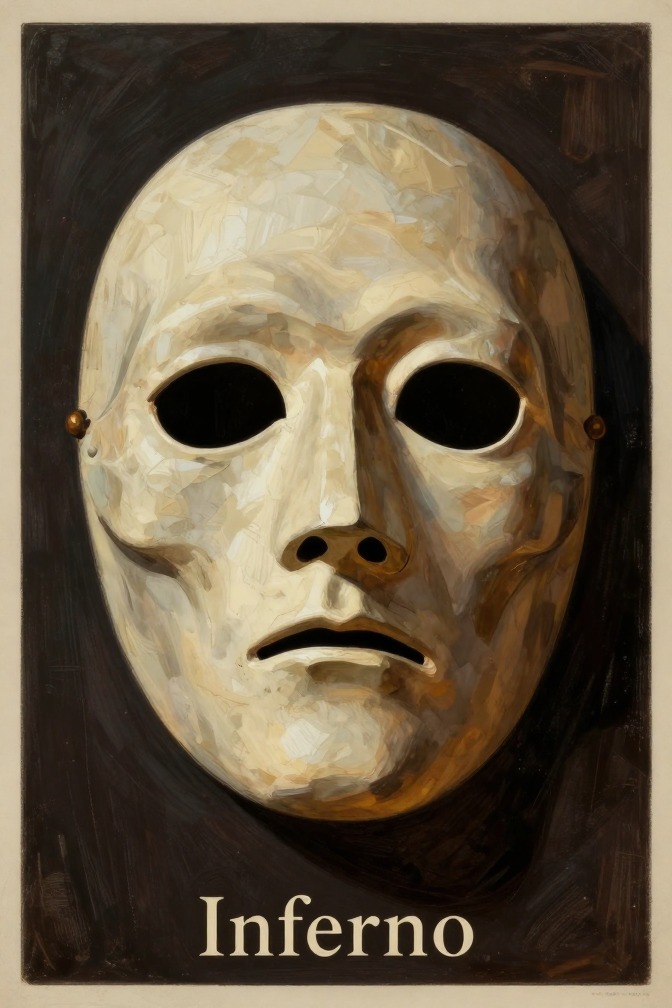
Dante's death mask is a plaster cast of the poet's face, kept in the Palazzo Vecchio museum, that becomes the central object of a desperate search after Robert Langdon and Ignazio Busoni steal it. The mask conceals a hidden message from Bertrand Zobrist—a spiral poem written in gesso on its reverse side—that leads Langdon and Sienna Brooks first to Venice and then to Istanbul, where Zobrist's plague, Inferno, awaits. The mask is ultimately returned to its display case by Langdon at the novel's end.
The Maid in Lime-Colored Panties is a cheerful, fat, obliging woman in her mid-thirties who works as a maid in the enlisted men's apartment in Rome, and whose defining trait is her complete sexual accessibility: she donates herself sociably to any man who wants her, regardless of race, creed, or national origin, and is described as the most virtuous woman alive precisely because she lays for everybody. She serves as a counterpoint to the novel's more fraught romantic entanglements, offering Yossarian a purely physical, uncomplicated encounter that he seeks out in moments of desperation, yet she also embodies the systemic exploitation and transactional nature of wartime relationships.
Nately's whore and her kid sister form a fiercely protective, volatile sibling pair whose relationship is defined by mutual jealousy, physical aggression, and a shared, instinctive hostility toward Yossarian after Nately's death. The older sister, a prostitute, is initially indifferent to Nately but falls in love with him after a good night's sleep; the younger sister, a precocious twelve-year-old, imitates her sister's behavior and joins in the attacks on Yossarian. Their bond is tested by Nately's attempts to reform the older girl, but they unite in their grief and rage, ultimately being driven out of their apartment by military police invoking Catch-22, leaving the younger sister alone and vulnerable in Rome.
The Promise is the blood oath sworn by the seven members of the Losers' Club in the Barrens of Derry, Maine, in August 1958, binding them to return and destroy It should the cycle of terror ever begin again. This vow, sealed by cutting their palms with a shard of Coke bottle and clasping hands in a circle, becomes the narrative and moral engine of the novel, driving the adult characters back to Derry twenty-seven years later and forcing them to confront the childhood trauma they had collectively forgotten.
Shawshank State Prison is the Maine state prison where Steven Dubay is sentenced to fifteen years for first-degree manslaughter in the murder of Adrian Mellon, and where Richard P. Macklin serves a two-to-ten-year sentence for the beating death of his stepson Dorsey Corcoran. It functions as one of the two penal institutions (alongside Thomaston State Prison) that receive Derry's convicted criminals, and its name carries the weight of a real, grim endpoint for the town's violence.
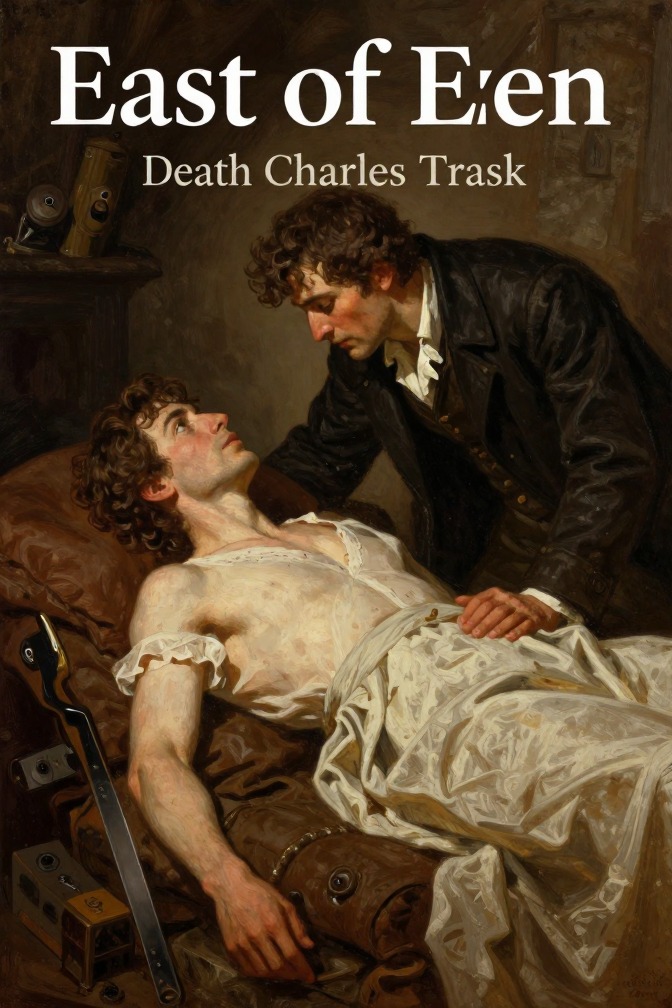
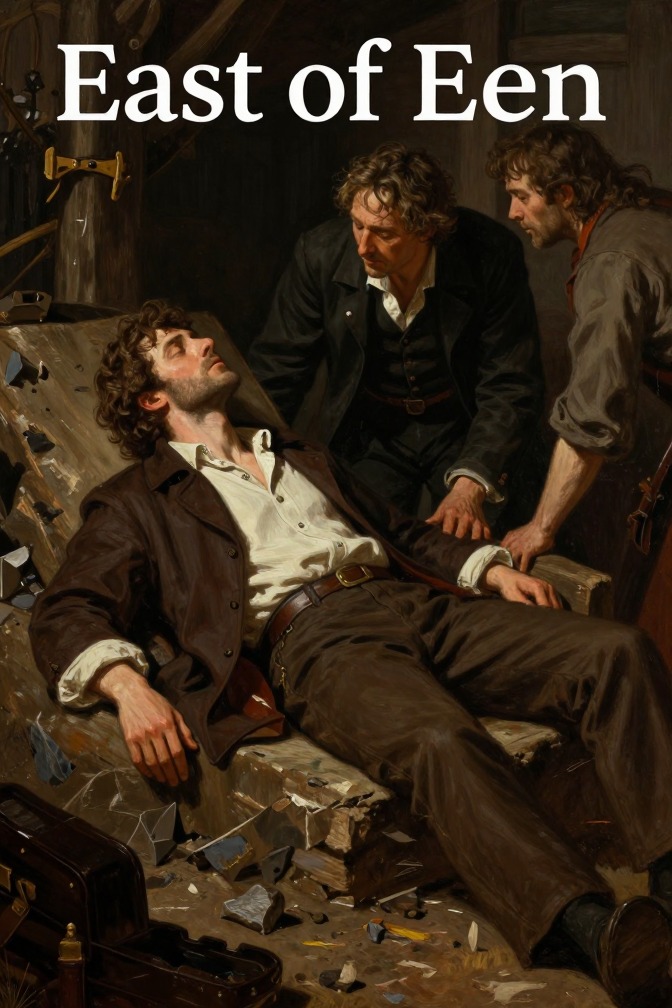
Charles Trask, the violent and emotionally tormented brother of Adam Trask, dies of a lung ailment in October, leaving a fortune of over one hundred thousand dollars that forces Adam to confront the legacy of their father Cyrus and the unresolved tensions of their shared past.
Samuel Hamilton's death marks the end of an era in the Salinas Valley, severing the last vital link between the Hamiltons' fading pioneer spirit and the Trask family's struggle for redemption. His passing, announced by telegram on a March afternoon in 1911, triggers a profound grief in his son Tom and a delayed but decisive awakening in Adam Trask, who had depended on Samuel's wisdom to navigate his own emotional paralysis.
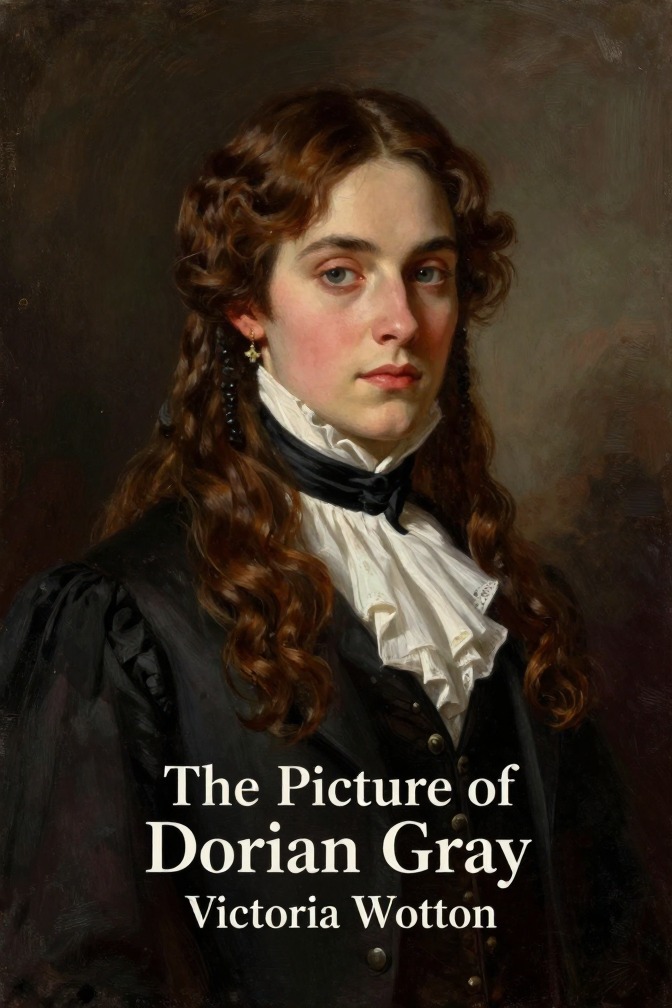
Lady Gwendolen is a minor but symbolically significant character in Oscar Wilde's *The Picture of Dorian Gray*, known primarily as the sister of Lord Henry Wotton. Her brief appearances in the narrative serve to illustrate the social circles Dorian moves in after his moral decline, and her own ruined reputation becomes a public testament to the corrupting influence he exerts on those around him.
Lady Victoria Wotton, the wife of Lord Henry Wotton, is a minor but revealing character whose eccentric, nervous, and socially performative behavior underscores the novel's themes of marital deception, female marginalization, and the artificiality of fashionable society.
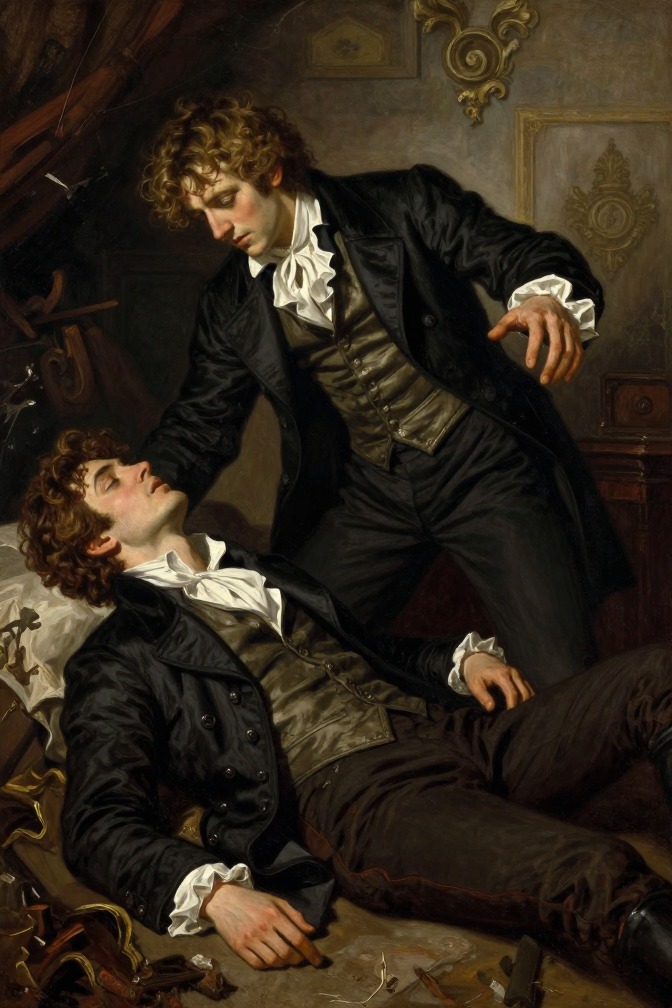
Dorian Gray's destruction of the portrait and his own death form the climax of Oscar Wilde's novel, resolving the Faustian bargain that had granted him eternal youth while the canvas bore the marks of his sins. In a final attempt to free himself from the evidence of his crimes and the corruption of his soul, Dorian stabs the painting, but the magical link between him and the portrait proves fatal: the servants find a withered, loathsome corpse on the floor and the portrait restored to its original beauty.
Nancy is a complex, tragic figure in Charles Dickens's Oliver Twist, a young woman trapped in London's criminal underworld whose latent conscience and capacity for love ultimately lead to her brutal murder. She is the pivotal character through whom the novel's hidden secrets are revealed, and her death marks the story's moral point of no return.
Milla is a minor character from the novel *Wicked: The Life and Times of the Wicked Witch of the West*. She is a Gillikinese student at Shiz University who becomes part of the social circle around Galinda (later Glinda) and Elphaba. She later marries Boq, a Munchkinlander, and lives with him on a farm in Munchkinland, where she struggles with the harsh realities of rural life and attempts suicide multiple times.
Princess Nastoya is the elderly, elephantine ruler of the Scrow tribe in the Thousand Year Grasslands, a powerful Animal living under a self-imposed enchantment that gives her a human form. She serves as a crucial mentor to Elphaba, offering her wisdom about identity, choice, and the nature of evil, and providing her with three crows as familiars before Elphaba continues her journey into the Vinkus.
Varys, the Spider, is the master of whisperers who orchestrates the murder of Kevan Lannister and Grand Maester Pycelle in the epilogue of A Dance with Dragons, eliminating the last competent Lannister regent to clear the path for Aegon Targaryen's invasion of Westeros.
Daznak's Pit is the largest and most infamous fighting pit in Meereen, a colossal brick amphitheater where slaves and criminals once fought to the death for the entertainment of the city's nobility. It becomes the site of the catastrophic public games held to celebrate the peace between Daenerys Targaryen and the Yunkai'i, where the dragon Drogon descends upon the arena, kills the queen's would-be dragonslayer, and carries Daenerys away on his back, shattering the fragile peace and plunging Meereen into chaos.
The Dreadfort is the ancient, grim fortress of House Bolton in the north of Westeros, a place synonymous with cruelty, flaying, and the brutal rule of Roose Bolton and his monstrous son, Ramsay. It serves as the seat of Bolton power, a site of imprisonment and torture, and a strategic objective in the wars of the north.
Slaver's Bay is the primary setting for Daenerys Targaryen's campaign in the eastern continent of Essos, a region defined by its ancient slave-based economy, its three great city-states—Astapor, Yunkai, and Meereen—and the violent upheaval caused by Daenerys's abolitionist conquest. The bay serves as the crucible where her ideals of freedom clash with entrenched Ghiscari traditions, the machinations of the Yunkish slavers, and the practical challenges of ruling a hostile city, making it the central theater of her struggle between her desire to return to Westeros and her duty to the people she has freed.
House Lannister is the wealthiest and most powerful of the Great Houses of Westeros, ruling from Casterly Rock and wielding immense influence through gold, marriage, and political cunning. By the events of A Dance with Dragons, the house has suffered catastrophic blows: its patriarch Tywin Lannister has been murdered by his dwarf son Tyrion, its twin heirs Jaime and Cersei are estranged and broken, and its hold on the Iron Throne through the boy king Tommen is increasingly precarious, challenged by rivals, the Faith, and the rise of Targaryen claimants.
Carl Decker is the father of protagonist Charles Decker, a retired Navy recruiter whose rigid, authoritarian parenting and violent temper shape his son's psychological collapse. His brutal masculinity, expressed through hunting, discipline, and contempt for weakness, becomes the primary model Charlie both internalizes and rebels against, culminating in a physical confrontation in the garage that marks the final rupture between them.
Polina is the wife of Gennady and mother of Kostya, a vampire family living in the same building as Anton Gorodetsky. She is a registered vampire who, along with her family, reveals her registration tag to Anton when he first discovers their true nature, demonstrating the uneasy coexistence between the Night Watch and law-abiding vampires in Moscow.
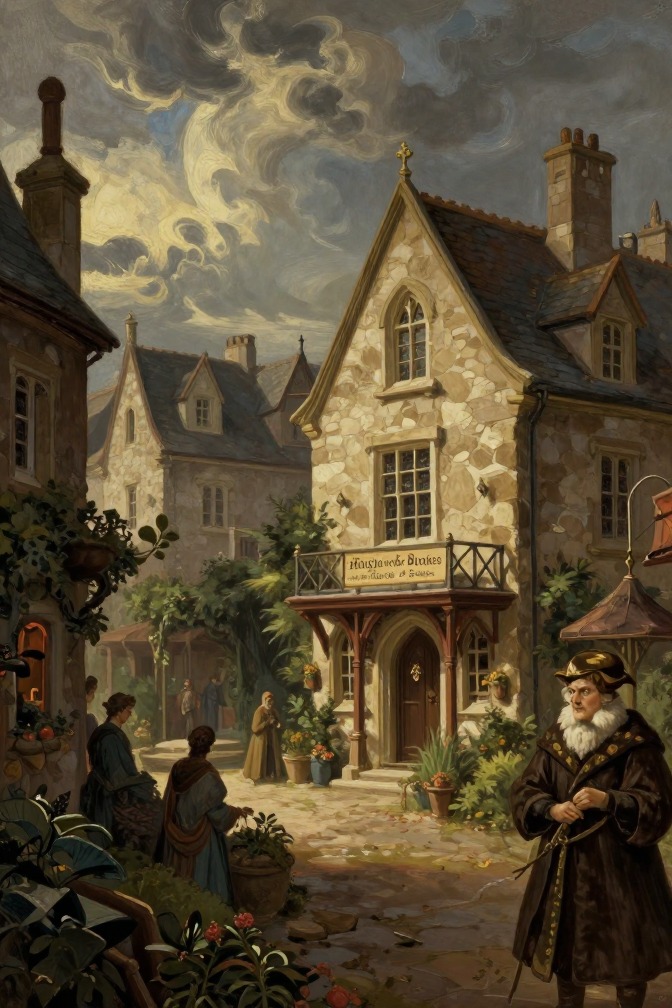
Borgin and Burkes is a sinister shop in Knockturn Alley specializing in Dark Arts objects, where Harry Potter accidentally lands after a Floo powder mishap and witnesses Lucius Malfoy attempting to sell incriminating items, setting the stage for the year's mysteries.
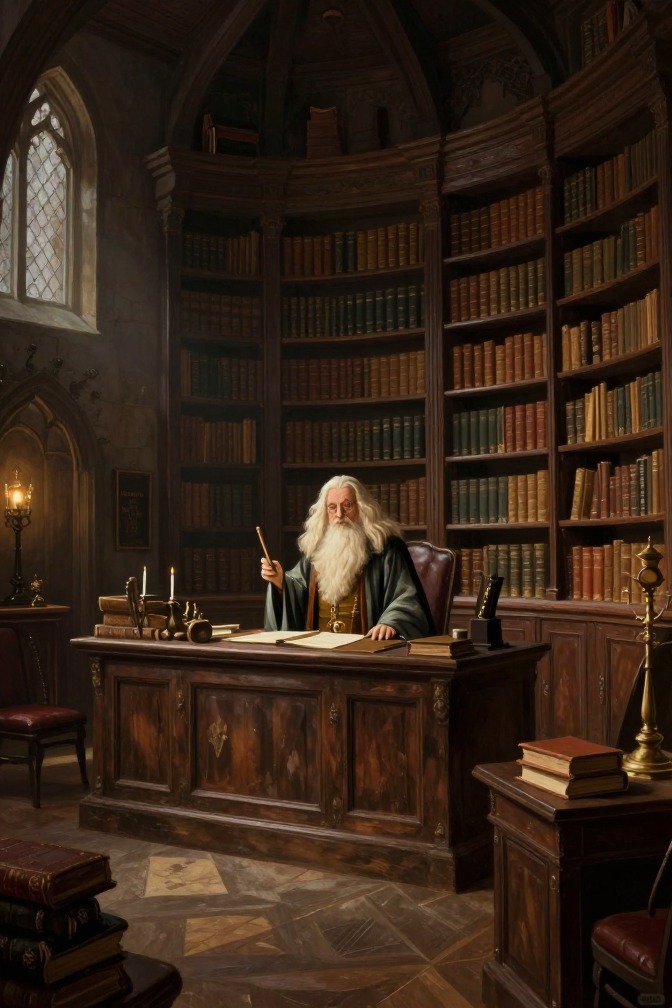
Dumbledore's office is a large, circular room at the top of a moving spiral staircase, guarded by a stone gargoyle and accessible only with a password. It is the headmaster's private sanctum, filled with curious silver instruments, portraits of past headmasters, the Sorting Hat, and the phoenix Fawkes. The office serves as the setting for pivotal moments in the story, including Harry's first visit when he is suspected of attacking Justin Finch-Fletchley and Nearly Headless Nick, and the final confrontation where Dumbledore reveals the truth about Harry's connection to Voldemort and the nature of his choices.
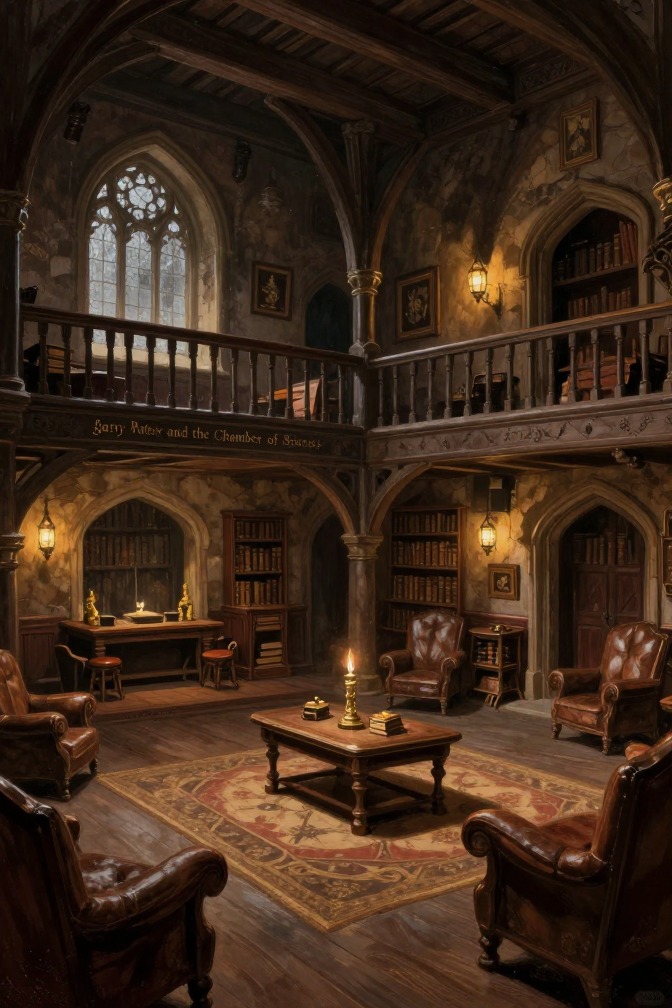
The Gryffindor common room is the central gathering space for Gryffindor House at Hogwarts, a circular, warmly lit tower room that serves as a sanctuary, a site of celebration and mourning, and a symbolic stage for the house's collective identity and moral choices throughout the crises of Harry Potter's second year.
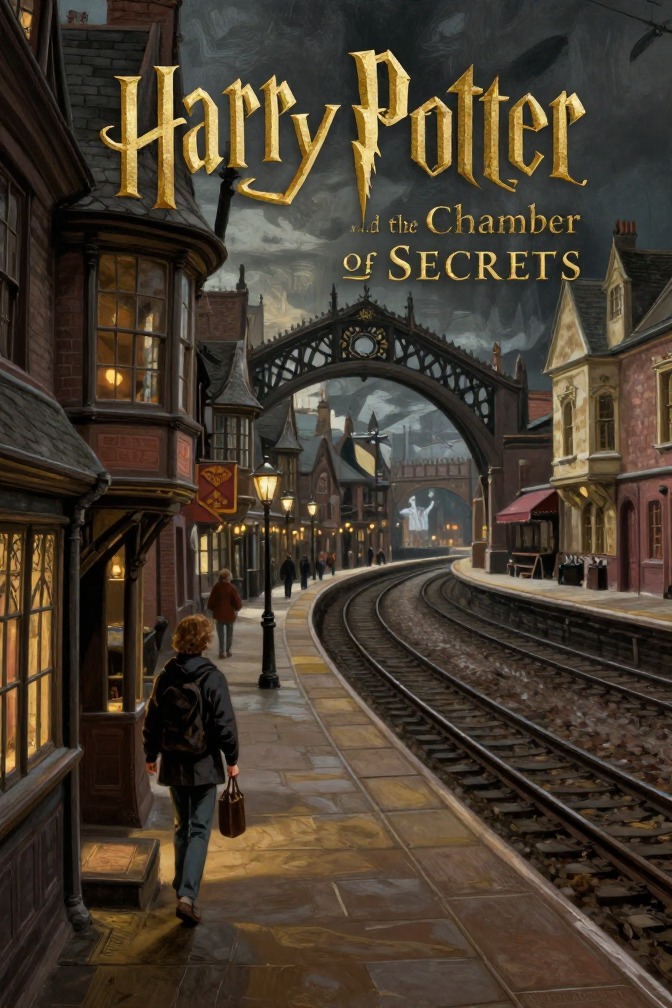
Platform 9¾ is the hidden railway platform at King's Cross Station from which the Hogwarts Express departs each term, accessible only to witches and wizards who walk through the solid barrier between platforms nine and ten. It serves as the crucial threshold between the Muggle world and the wizarding world, and its failure to admit Harry Potter and Ron Weasley at the start of their second year sets off a chain of events that nearly gets them expelled and leads to the flying car incident.