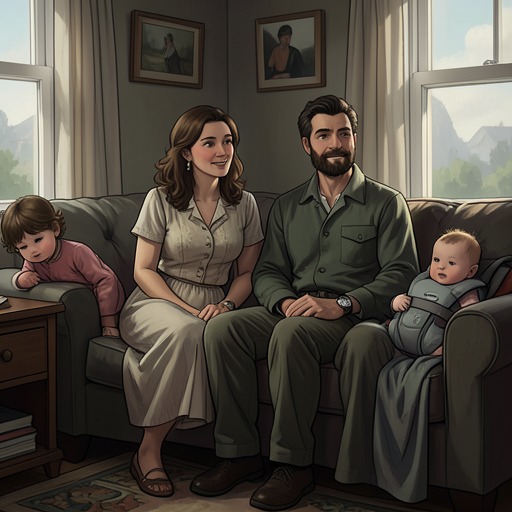
Page tells Trygve she is pregnant and agrees to marry him
AccidentPage Clarke’s pregnancy announcement becomes a turning point in her plans with Trygve Thorensen: she reveals that she is expecting a child and raises marriage at Christmas as a real possibility. The conversation brings together two questions Trygve has been asking—whether Page will marry him and whether they will have a baby—and makes both depend on the life they are already building with their children. His joyful response recasts the surprise as a gift, while Page’s cautious approach shows that accepting it means weighing hope against responsibility.
The Marriage Question
Trygve has continued to raise marriage from time to time, hoping Page will marry him once her divorce becomes final at Christmas. He is careful not to press her, but wants to keep their plans present between them. Page has been reluctant to move too quickly. By this lakeside conversation, however, circumstances have changed: Allyson Clarke has emerged from her coma, and Page is ready to revisit their future. Her earlier hesitation gives the proposal its weight; this is not a sudden acceptance of a plan she had already settled, but a decision made after a major change in the family’s situation.
The exchange begins with gratitude and reassurance. Page tells Trygve that he has been good to her in recent months, and he replies that she deserves better and should give things time. When he asks about their plans, she looks out over the lake before turning back to him with a serious question: is he certain he wants the demands that come with her family? She has two children, and Allyson’s recovery will not be easy. Trygve does not treat those responsibilities as obstacles belonging only to Page. He points to the challenges in his own family, including Chloe Thorensen’s recovery and Bjorn Thorensen’s enduring needs, and asks Page to consider whether she can accept his burdens too. Their exchange makes marriage a mutual commitment to each other’s existing family lives, rather than a promise detached from them.
The Pregnancy Disclosure
Page first refers to Trygve’s wish to have a baby soon. He answers that he can wait if she needs time, and that having a child is not a condition of their marriage. His response addresses the concern he thinks she is about to raise: Page has wanted another child but has worried about her age and about being diverted from helping Allyson. By making clear that he will accept her decision, Trygve gives her room to disclose what has actually happened.
Page then asks how he would feel about marrying at Christmas if she were nearly six months pregnant. The question joins the two subjects without presenting either as settled: she is asking whether the pregnancy changes his willingness to marry her. Trygve is startled, and Page explains that she believes the pregnancy began about six weeks earlier, after their contraception failed. She had initially thought she might be mistaken. She also understands that the news will surprise the family and that a wedding during her pregnancy will be unusual. Her embarrassment sits alongside genuine pleasure; she has always wanted another baby, even though the timing was unexpected.
A Shared Response to Uncertainty
Trygve’s surprise quickly gives way to delight. He says the news amazes him and holds Page close. He had wanted a child with her, though not necessarily so soon, and the pregnancy does not make him reconsider marriage. Instead, he treats the unexpected timing as part of the happiness of the moment. Page’s disclosure therefore receives an answer to both of its implicit questions: he still wants to marry her, and he welcomes the child.
The couple’s laughter also makes room for practical and social awkwardness. Trygve calculates that if they marry in December, the baby might arrive only three and a half or four months later; he jokes that the family would have a three-month baby. Page points out that their children may be embarrassed. His reply does not deny that the timing may invite questions. He argues instead that the family’s good fortune matters more than embarrassment, and that adults sometimes make mistakes too. The scene leaves the children’s eventual reaction unreported; what it establishes is the couple’s decision not to treat possible judgment as a reason to reject the pregnancy.
Miracles and the Future Family
Trygve calls the coming child another miracle baby, placing the pregnancy in a family history already marked, in his view, by extraordinary gifts. He includes Bjorn’s distinctive place in the family, Chloe’s recovery, Andy Clarke’s survival after being born very prematurely, and Allyson’s recovery from the coma. The examples are not equivalent events, but together they explain the language he uses: the new pregnancy becomes part of a pattern through which the family recognizes vulnerability and survival as sources of gratitude.
Page responds with affection rather than a formal announcement of wedding arrangements. Trygve says he will not question or turn away what he sees as a gift, and describes wanting to keep both Page and the child close and give thanks each night. He kisses her; she holds him, reflecting on how far they have travelled through danger and how fortunate they are to have one another. The scene closes on closeness and gratitude, not on a completed wedding or a resolved account of every family concern. Its decisive change is that Page has openly connected pregnancy with marriage, and Trygve has answered by accepting both the child and the responsibilities of a shared family future.