Maud
AnimalsMaud, also known as Maud the Painter, is a painter and a former confidante of Laura Joyce. Their relationship is presented through a brief exchange shaped by alcohol, an offer of practical help, and Laura’s retrospective recognition that their intimacy depended more on catharsis than honesty.
Identity and Artistic Record
Maud is identified as a painter, and her account of Manchester conveys a frustrated artistic experience: she says she ran out of things to paint within five minutes. Laura privately recalls Maud painting her own floor while walking backwards, then being on tiptoes in a corner. The contrast between Maud’s complaint and Laura’s unspoken recollection gives their exchange an unevenness: Laura has a sharp, possibly mocking view of Maud’s work that she does not share with her.
Contact with Laura Joyce
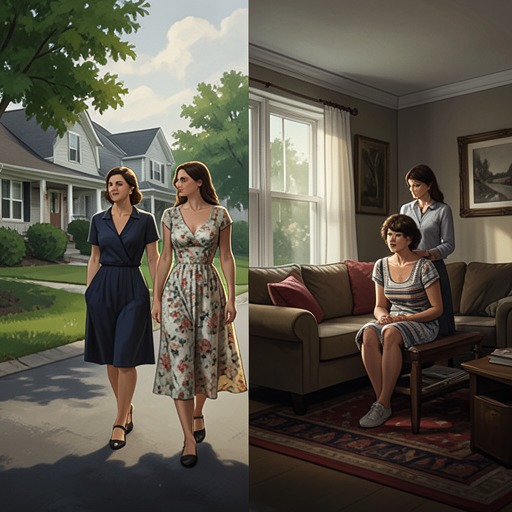
After posting a wedding invitation into a black metal bin on her way to the office, Laura accesses her personal email at work and writes to Maud. That evening, Maud calls around half past eight from an unknown number. Tyler answers and passes the phone to Laura; Laura retreats to her bedroom before taking the call, while Tyler narrows her eyes at the apparent secrecy. Laura is drinking wine when she greets Maud, and Maud says she is drunk too, making intoxication the immediate common ground of their conversation.
Maud tells Laura that receiving her email had made her think something might be wrong and that she had been going to offer her somewhere to stay. Laura declines the offer and says she is fine. The gesture shows that Maud is alert to the possibility of Laura needing help, even though the exchange does not establish what Maud knew or whether Laura needed accommodation.
Candor and Catharsis
Laura’s private assessment supplies the clearest account of the relationship: she says she was never honest with Maud and identifies their problem as using one another as a spittoon for catharsis. The image makes their intimacy sound less like mutual understanding than a receptacle for emotional release. Laura’s unspoken criticism of Maud’s painting and her failure to voice it enact that lack of candor in miniature. The call therefore holds two truths together: Maud is concerned enough to offer Laura a place to stay, yet Laura understands their bond as a pattern of disclosure without the honesty that might make disclosure genuinely reciprocal.