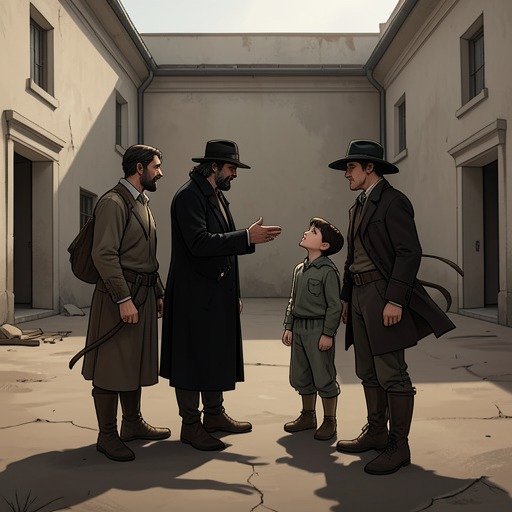
Eteocles and Polynices’ fratricidal duel
AntigoneEteocles and Polynices’ fratricidal duel is the fatal culmination of their agreement to rule Thebes in alternating years. Eteocles’ refusal to hand over the throne makes a political dispute a conflict between brothers; their deaths save neither the family nor the city from the consequences, as Creon’s contrasting funeral orders lead directly to Antigone’s struggle over her brother’s burial.
Causes and Background
The duel begins with an agreement that the two sons of Oedipus would take turns ruling Thebes, each for a year. At the end of the first year, Eteocles, the elder brother, refuses to yield the throne to Polynices. Their contest for power turns into a fight outside the city walls, where they kill each other.
Polynices has gathered seven foreign princes to support his cause. The Argive force is defeated before the seven gates of Thebes, and the city is saved, but the victory comes with the deaths of both brothers. The play’s opening account establishes the duel as both a family tragedy and the decisive political crisis from which the action proceeds.
The Duel and Its Aftermath
Creon orders a grand funeral for Eteocles, designated the good brother, while Polynices is branded a traitor and denied burial. His body is to remain unmourned and exposed; anyone who performs the sacred funeral rites for him faces death. The brothers’ deaths therefore become the basis for a public distinction between the brother honored by the state and the brother condemned by it.
In his later account to Antigone, Creon says that the brothers were found together on the battlefield, their bodies unrecognizable. He explains that one body was brought in for the national funeral and the other left where it lay, and that he did not know which brother was which. The account complicates the apparent certainty of the official division: the honor and punishment assigned to the brothers do not rest on Creon’s ability to identify them.
Consequences for Antigone
Antigone treats the opposing duties created by the duel as roles that have already been assigned: Creon must put the sisters to death, while they must bury their brother. Her formulation joins the ruler’s decree to the family obligation it attempts to suppress. She later insists that, even if she can do nothing more, she can do what is within her power; the burial becomes her limited but decisive response to the brothers’ deaths.
The duel also exposes the incompatible standards governing Antigone and Creon. Antigone rejects the expectation that she should accept a partial compromise, insisting on everything or nothing, while Creon presents political rule as the burden of steering a failing ship and making decisions to keep the whole community from perishing. The brothers’ conflict thus persists beyond their deaths: it is recast as the struggle between Antigone’s uncompromising duty to her brother and Creon’s claim that political order requires obedience.
Narrative Significance
The play introduces the duel as the beginning of the story the assembled characters are about to tell. Its account establishes the causes, participants, and stakes before Antigone’s conflict with Creon takes center stage. The deaths are complete, but their meaning remains contested: the city calls one brother a hero and the other a traitor, while Antigone treats both the political decree and the distinction between them as no answer to her obligation to bury her brother.