Arcadia
ArtemisArcadia is a rugged, wooded region that recurs at key points in the story of Artemis and Callisto. It serves both as a landscape for Artemis’s hunting life and as the home associated with King Lycaon; later, Callisto’s son Arcas is named for his connection to the Arcadians, making the region part of the legacy that survives her transformation.
Landscape and Early Associations
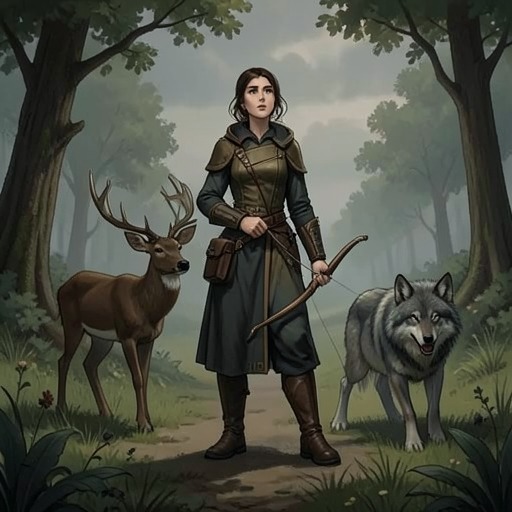
The narrative first locates Arcadia as rugged countryside where Pan lives among mountain meadows, forests, and wild country. Artemis travels there to seek her first gift, meeting Pan in the landscape associated with his pastoral and hunting domain. Arcadia is therefore introduced not as a city or court but as a place of wilderness and divine pursuit.
The region also appears in connection with the wolves who help Leto while she is fleeing the Python. Leto promises to rename the city Lycia, meaning wolf-country, in their honor; after twelve days and nights she reaches Delos instead. The episode distinguishes Arcadia from the island sanctuary: the forested mainland belongs to the dangers and routes of pursuit, while Delos offers Leto refuge beyond the ocean floor.
Artemis’s Hunting and Recruitment
Arcadia is the home of King Lycaon, whose invitation brings Artemis from the forest to his splendid palace. The bustling city and its townspeople’s regard for the goddess contrast with the surrounding countryside where Artemis hunts with her companions. The king is described as a favorite of Zeus, linking the local ruler to the divine household that shapes the larger story.
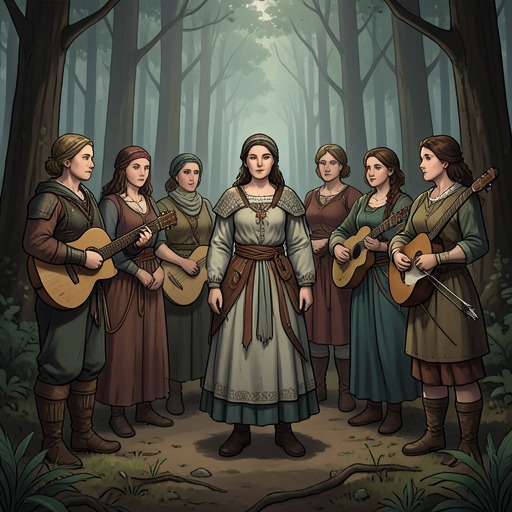
During her visit, Artemis selects women to join her retinue. She has already chosen nineteen and tells Lycaon she still lacks one, asking to return and inquire after one of his many daughters. The request makes Arcadia a point of contact between Artemis’s mobile hunting band and the king’s household; the region’s significance lies in both its wild terrain and the people Artemis encounters there.
Arcas and the Region’s Legacy
Arcadia’s name gains a further, dynastic association when Callisto gives birth to a son. Eileithyia declares that the child will be named Arcas, described as the father of all Arcadians, and foretells that he will lead mortals to triumph and that cities will be built in his honor. The prediction connects the child’s future with the people and settlements of Arcadia.
Zeus later sends Hermes to take Arcas to King Lycaon, so the child can grow up among human beings rather than beasts. Callisto remains a bear and continues to roam the wilderness. The ending thus places Arcas among Arcadian society while his mother remains in the wild: the region becomes the human setting for his promised future and the enduring link to Callisto’s story.