Delos
ArtemisDelos is the floating island that gives Leto refuge from the Python and becomes the birthplace of Artemis and Apollo. Its change from a sparsely inhabited, insecure rock at sea into a place bound to the gods by an oath makes it a setting where sanctuary and sacred status are established together.
Setting and Refuge
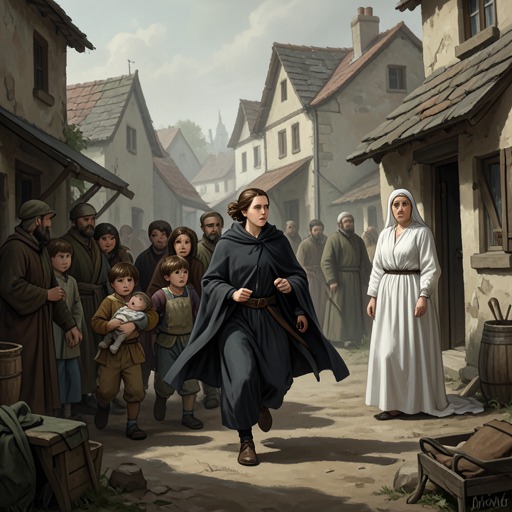
After twelve days and nights of flight, Leto reached Delos, an island surrounded by swans and unattached to the ocean floor. Because it was not considered land, she hoped it would protect her from the Python sent by Hera. Its unusual, floating condition offered a possible escape from pursuit, but did not make the crossing safe: as Leto tried to reach the island through the water, the Python followed.
The island was also poor and rocky, with little human presence. Delos feared that the children destined to rule among gods and mortals might later scorn it, leave for a more pleasing land, and establish their temple elsewhere. Its floating position carried a further danger in the island’s imagination: it feared being thrust into the depths of the sea. Delos’s welcome was therefore conditional on securing a lasting place in the future of Leto’s children.
Leto’s Promise and the Island’s Oath
Leto asked Delos to receive her children and become their home, promising that the island would be honored and enriched. She described the future benefits of a temple there: visitors would bring sacrifices, and the island would be supplied by strangers. Delos did not accept the promise without reservation; it asked Leto to swear that her children would first build a glorious temple there and make the island a place of oracle.
Leto answered with a solemn oath invoking Gaia, Uranus, and the waters of Styx. She promised that her children would have an altar and sacred precinct on Delos and that they would honor the island above all. The exchange gives the island a role beyond that of refuge: its hospitality becomes a binding commitment, securing the future worship and recognition it feared it would otherwise lack.
Rescue and the Birth of the Twins
When the Python pursued Leto across the water, Zeus intervened. He sent her over a dark wave driven by strong winds and moved the floating island faster than the Python could swim, preventing the monster from reaching her. Delos thus became not only the destination of Leto’s flight but part of the means by which she escaped danger.
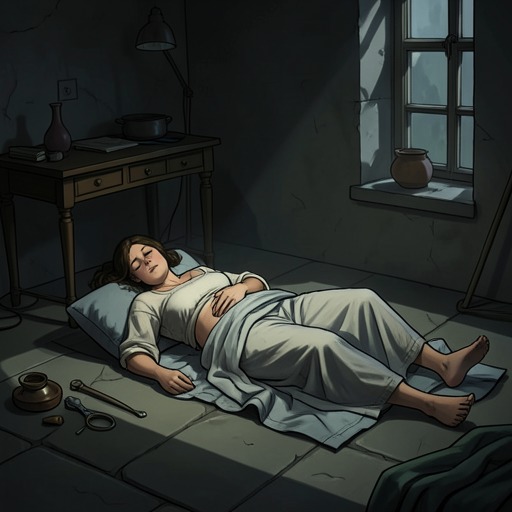
On Delos, four pillars rose from the earth and supported the rock as Leto gave birth to Artemis and Apollo. The island’s role in the twins’ birth fulfills the central promise made to it: it receives the children whose future worship Delos had sought to secure. Afterward, the island no longer suffered its former condition of being tossed about by the winds. A grove began to grow, especially cypresses, and the land became rich in gold; an olive tree marked the place where Leto rested after giving birth.
Sacred Geography and Later Events
Delos’s story links a specific landscape to divine protection, a sworn obligation, and the birth of two gods. Its earlier instability gives way to a more settled condition after Leto’s delivery, while the altar, precinct, and promised honor place the island within the religious geography of the narrative. The island’s significance arises from this sequence: Leto seeks shelter there, Delos asks for assurance, Zeus secures her arrival, and the birth fulfills the agreement.
Delos is also connected to the events at Delphi, though the two places have distinct roles. At Delphi, Artemis and Apollo pursue and kill the Python, which had earlier threatened Leto on her route to Delos. Apollo then claims the oracles of Gaia for his own and institutes annual games there, calling them the Pythian Games after their enemy. This later reordering of Delphi’s oracle and rites echoes the book’s concern with how a place’s sacred standing is shaped by divine action; Delos, by contrast, gains its promise through welcome and the birth of the twins.