Fugitive restrictions on daylight movement
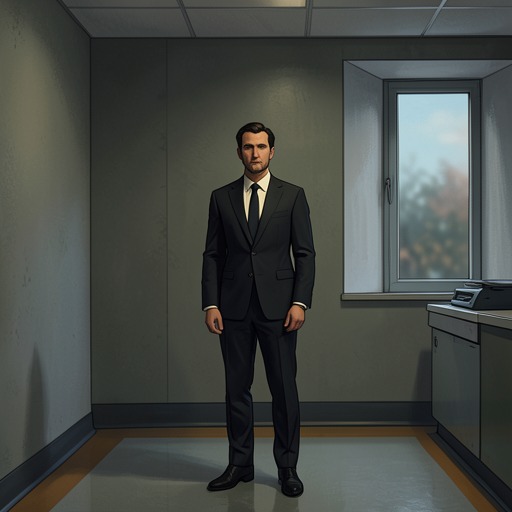
AsylumFugitive restrictions on daylight movement governed how Stella Raphael and Edgar Stark lived while in hiding. Afraid that they would be recognized and arrested, they stayed inside during the day and ventured out after dark. The restriction was not merely a limit on where they could go: it made concealment part of their daily routine and gave their nights an intoxicating mixture of freedom, danger, and imagined normality.
The Constraint of Daylight
At the Horsey Street warehouse loft, Stella’s days were largely shaped by the need to remain inconspicuous. She sometimes went into the yard for air, but when she noticed men at the nearby market had seen her, she moved away. Avoiding attention was becoming instinctive. Her occasional movements beyond the loft were therefore cautious exceptions, not a return to ordinary freedom.
The fear of recognition also narrowed the couple’s sense of time and space. The fugitives could not go out in daylight, and the prospect of arrest made each excursion a calculation. The restriction arose from their circumstances as people on the run, rather than from a schedule imposed by the hospital where Stella and Edgar had first met.
Night Walks and Physical Risk
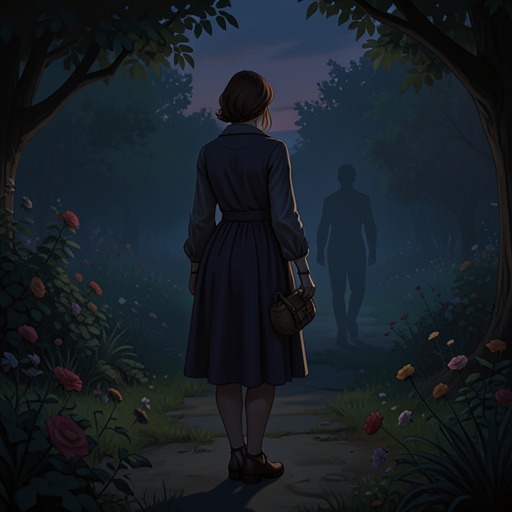
After dark, they began to walk together. On one night they went down to the river and looked across the water at the towers of Cannon Street and the dome of St. Paul’s. They felt secure enough in the dark streets to be outside, but the safety remained conditional: when anyone came near, they slipped into a doorway or alley and embraced.
Those encounters made the restriction more than a matter of avoiding witnesses. Stella described their physical desire as so readily intensified by even slight contact that they sometimes took unnecessary risks. Edgar slept soundly, while she could lie awake for hours listening to trains cross the viaduct. In one remembered night, she watched him sleep and tried to make sense of the lover beside her, recalling the affair’s rapid escalation, the terror of exposure, and their escape. Darkness enabled their closeness, but it could not settle her uncertainty about who Edgar was.
A Conditional Return to Public Life
As they grew more confident, they began to use pubs at night. Stella or Nick went to the counter for drinks while Edgar remained at their table, usually in the gloomiest corner. In shabby, crowded rooms, the three could talk quietly without attracting attention. For Stella, these outings offered a sense of normality: they could behave, to an extent, like ordinary people, and she began to glimpse a possible future.
That apparent ease did not abolish the danger. A pub could feel welcoming to Stella, even as she understood that she and Edgar remained outsiders. Their ability to take part in public life depended on darkness, discretion, and the hope that nobody would identify them. The restriction thus shaped not only their movements but Stella’s experience of belonging: familiar social spaces seemed newly accessible, yet only under fugitive conditions.
The End of Hiding
The daylight restriction ended for Stella when the police brought her back to the hospital. She arrived in a police car and entered through the gate of the female wing, rather than the Main Gate, before being taken through admission. Her return marked a sharp reversal: she was no longer managing the risk of being seen in public but was once again inside an institution that controlled her movement.
Downstairs, Stella understood that progress was judged partly through visible self-control. Patients who appeared to accept confinement and behave as though they were not in a madhouse were considered to be improving; greater privacy and freedom of movement followed. Her life had shifted from avoiding public recognition as a fugitive to managing how attendants might observe her. In both settings, the possibility of being watched shaped conduct, but the source and purpose of the constraint had changed.