Rabo’s will requires a surname change to inherit
BluebeardRabo’s will requires a surname change to inherit: his sons can receive his estate only if they restore the Karabekian name, turning a bequest into a condition of family remembrance. The provision links property, ancestry, and naming, and makes the future of Rabo’s immense painting, his household possessions, and the family identity itself depend on a choice his sons may refuse.
The Will and Its Terms
After sealing the potato barn, Rabo has a lawyer draw up a new will. The document directs that he be buried in his Izzy Finkelstein suit and leaves everything he owns to his two sons, but only provided they perform a specified act in memory of their Armenian ancestors. It also stipulates that the barn must remain locked until after his burial. The surname requirement thus sits within a broader set of instructions joining the disposition of his body and possessions to family history and the timing of what may be revealed.
The rule is not simply that the sons inherit if they behave well or reconcile with their father. Its precise condition is legal and collective: they must have their names, and the names of their children, changed back to Karabekian. The will extends the obligation beyond the two immediate heirs to Rabo’s grandchildren, making the proposed restoration a decision about the name’s transmission into another generation.
The Sons and the Changed Name
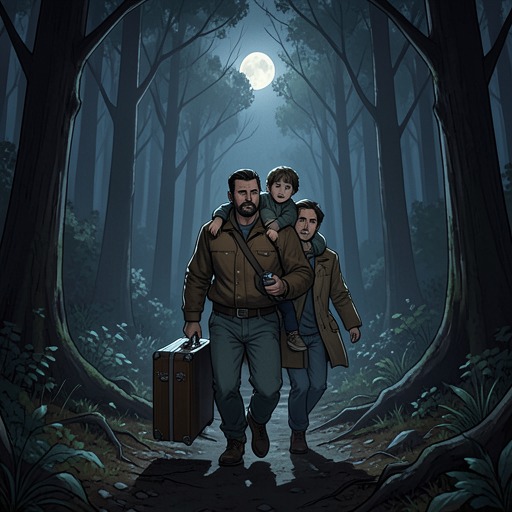
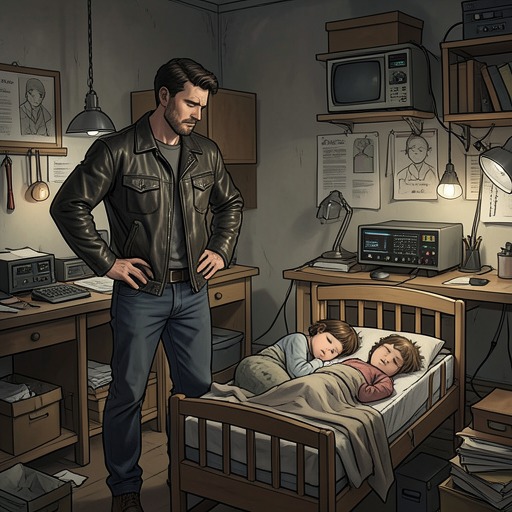
By the time Rabo explains the condition to Circe, his sons are called Terry and Henri Steel. They legally took the surname of Dorothy’s second husband, Roy, whom Rabo recognizes as the only real father they ever had. The will therefore asks the sons to reverse a settled legal and familial choice, not merely to claim an unused inheritance. Their current name reflects the household and paternal relationship formed after Dorothy left Rabo; the name Rabo requires would instead affirm descent from the Karabekian family.
Rabo describes the sons as having done quite well despite the horrors of their childhood. Henri works as a civilian contract compliance officer at the Pentagon, while Terry is a publicity man for the Chicago Bears. Rabo adds the incongruous qualification that, because he owns part of the Cincinnati Bengals, they are sort of a football family. Their adult occupations and distance from him give the inheritance condition a future-oriented quality: the sons have lives of their own, while the will makes the family name a threshold they must cross if they want his estate.
The Inheritance and the Painting
The condition acquires particular weight when Circe asks what will eventually happen to Rabo’s enormous painting, “Now It’s the Women’s Turn.” Rabo says its fate will ultimately be up to Terry and Henri. Circe knows that the sons hate their father and have changed their surname to Steel, and she challenges the apparent generosity of leaving them the painting. Rabo answers that the work has undeniable impact, even if he likens its importance to that of a head-on collision.
He tells Circe that the sons will become multimillionaires in any case, and that he is leaving them everything he owns, including her pictures of little girls swinging and the pool table, unless she wants those items back. But the estate remains conditional: after his death, the sons need do only one thing to obtain it all—legally change their names, and their children’s names, back to Karabekian. The large painting is therefore not a separate gift with a settled destination. Its eventual ownership is folded into the same unresolved bargain as the rest of the estate.
Ancestry, Memory, and the Unresolved Condition
When Circe asks whether Rabo cares that much about the name, he explains that he is doing it for his mother. She was not born a Karabekian, yet she wanted the name to live on, no matter where the family found itself and no matter what happened. This explanation clarifies the will’s stated reference to Armenian ancestors while making the demand intimate: Rabo is trying to carry forward a wish held by a woman whose own birth name did not match the one she wanted preserved.
The will sets that wish against the sons’ chosen identity and their estrangement from Rabo. It does not establish that they will accept the condition, reclaim the surname, or claim the estate; the story leaves the decision with them. That uncertainty is central to the provision’s force. Inheritance becomes both a material offer and a test of whether a family name can survive legal change, painful childhoods, and the creation of a different family under another father. The condition preserves Rabo’s mother’s hope as an enforceable instruction, but it cannot guarantee that the next generation will honor it.