Catatonic schizophrenia
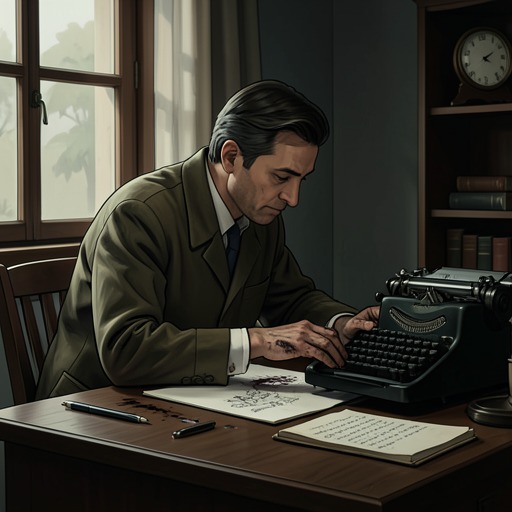
DecodedCatatonic schizophrenia is the state the narrative says overtook a celebrated cryptographer at Unit 701 after treatment for paranoid schizophrenia calmed him too completely. He had once been known for breaking difficult ciphers; afterward, chess became the one activity that held his attention, and a treatment intended to aid his recovery was later blamed for helping to narrow his mental world around the game.
From Paranoid to Catatonic
Before the change, the cryptographer’s schizophrenia had taken a markedly different form. He cursed, screamed, and sometimes struck people, behavior the narrative associates with acute paranoid schizophrenia. Unit 701’s clinic managed to calm him, but the intervention went too far: apart from his obsession with chess, he appeared unable to think about anything else. The account names this reversal directly, describing him as having gone from paranoid to catatonic schizophrenia.
The contrast is not simply between agitation and quiet. The earlier illness expressed itself in volatile encounters with other people; the later condition is presented through an extreme restriction of attention. Calmness therefore does not signal an uncomplicated return to health. In the narrative’s account, it accompanies the loss of much of the intellectual range that had made him a remarkable cryptographer.
Chess and the Course of Treatment
The patient had not known how to play elephant chess before he became ill. He learned it from a doctor at the clinic, who played the game with patients and took the cryptographer’s ability to follow the pieces’ movements as a sign that recovery was beginning. Believing the game could consolidate that recovery, the doctor began playing with him too.
The timing of this intervention became central to later explanations of the case. Experts said that introducing chess at too early a stage had encouraged the patient to concentrate his intelligence on a single object. Their warning was that a recovering patient might then find it difficult to detach attention from that object. The account compares the mistake to giving a full meal at once to someone who has been starving: an apparent source of help can be too much, too soon. It also emphasizes that the doctor was a surgeon, not a specialist in psychological treatment, and that he was personally fond of elephant chess.
Medical Failure and Lasting Consequences
In retrospect, the doctor’s decision is presented as part of a broader failure of care at Unit 701. The clinic’s doctors were surgeons, instructed in a handful of therapeutic methods by outside experts, and the treatment did not go well. The narrative does not claim that the chess lessons alone explain every aspect of the illness; it reports the experts’ view that the game was introduced prematurely and became entangled with the failure to restore the patient’s broader capacities.
The result was an unsettling division between skill and impairment. By the time he left hospital, the man had become a very fine elephant-chess player, yet the game also marked the narrowness of his attention. The account contrasts the intelligence still visible over the board with his much-reduced functioning at other times. His wandering through Unit 701, where he remained confined because he knew too many secrets, gives the condition a lasting consequence: the celebrated cryptographer’s mind is remembered both for what it could still do at chess and for the larger world of thought from which he had become cut off.