Paranoid schizophrenia
DecodedParanoid schizophrenia is presented through the collapse of an unnamed Unit 701 cryptographer whose illness changed him from a celebrated codebreaker into a feared patient. The account links his condition not only to a dramatic personal reversal but also to the secrecy of his work: his knowledge of important secrets obstructed the decision to send him to hospital, and treatment within the unit’s clinic had consequences of its own.
The Cryptographer Before His Illness
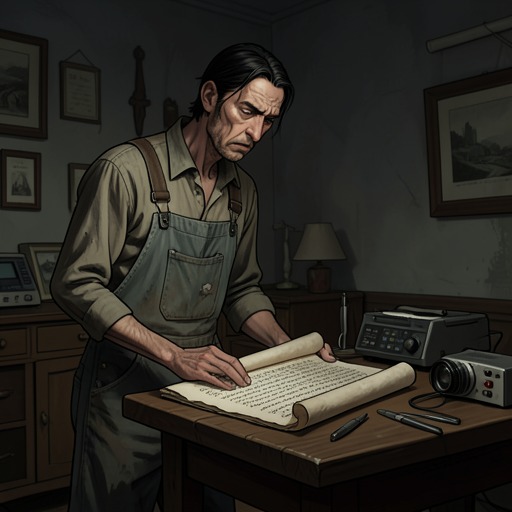
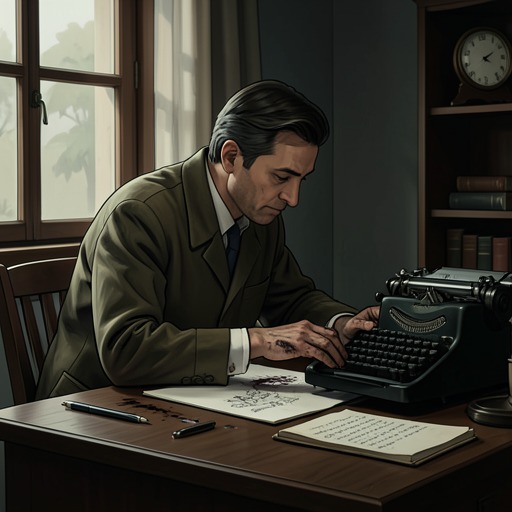
Before becoming ill, the man had been an honours student in mathematics at Sun Yat-sen University. After graduation, the KMT military recruited him for cryptographic work in Indo-China, where he cracked a high-level Japanese military cipher. Following the Liberation, Unit 701 tracked him down and invited him back into the field; he then broke several mid-level American ciphers, becoming the unit’s most successful cryptographer.
Onset and Institutional Response
The account says that two years before the period being described, he developed schizophrenia and changed almost overnight from a respected figure into someone his colleagues feared. He could curse and shout at people he encountered and sometimes strike them. The narration identifies this acute, violent form of the illness as paranoid schizophrenia and reports that experts considered it comparatively treatable.
That prospect did not lead to ordinary hospital care. Because the cryptographer knew too many important secrets, no one dared sign the order sending him to hospital. Instead, he was treated at the clinic attached to Unit 701. Its doctors were surgeons, who were given brief instruction in a few therapeutic methods by outside experts. The account describes the effort as unsuccessful: although the treatment calmed him, it also narrowed his attention until chess seemed to occupy nearly all his thought.
Chess and the Course of Treatment
The cryptographer had not known how to play elephant chess before becoming ill. He learned the game from a doctor while recovering and, by the time he left hospital, had become a skilled player. Later, experts attributed the fixation to the timing of that instruction. In their account, a recovering patient should not be encouraged to concentrate intelligence too early on a single object, because attention may then become difficult to detach from it. The doctor who taught him was a surgeon, not a specialist in psychological treatment, and was himself fond of elephant chess.
The chess-playing that followed made the change visible to the whole unit. The man repeatedly sought out Rong Jinzhen for games, appearing at different times of day and sometimes leaving the chess set by an entrance so he would catch him passing. The narrative describes the behavior as resembling stalking and notes that everyone knew Rong was playing chess with the lunatic. His skill at the board therefore coexisted with the profound narrowing of attention that the account presents as the outcome of treatment.
From Paranoid to Catatonic Schizophrenia
The attempted calming overshot its aim. The cryptographer’s earlier state, marked by angry outbursts and sometimes physical aggression, gave way to a condition in which, apart from his obsession with chess, he seemed unable to think about anything else. The narrative names this later condition catatonic schizophrenia. His transformation—from celebrated breaker of ciphers, to a colleague others feared, to a skilled chess player whose attention had become fixed—shows how Unit 701’s secrecy shaped the response to illness and how treatment, as described in the book, could carry consequences beyond its intended purpose.